Serbia’s landscape is a layered record of empires, faiths and frontier life — from Roman forts and medieval monasteries to Ottoman mosques and Austro-Hungarian towns. Walking these sites reveals changing styles, local stories and the events that shaped the Balkans.
There are 75 Historical Places in Serbia, ranging from Altun-Alem Mosque to Žiča Monastery. For each entry you’ll find below the fields Location,Era (year or century),Significance to help you compare dates, places and why each site matters; the list covers different regions and periods so you can pick by era or proximity, and you’ll find below.
How can I plan visits to these historical sites and what should I check before going?
Check opening hours, seasonal closures and whether a site requires advance tickets or guided tours; many monasteries and small museums have limited access or dress codes. Use local tourist offices or official site pages for current info, allow travel time between rural sites, and respect preservation rules when visiting.
How were these 75 places chosen and organized in the list?
The selection aims to represent historical significance, a range of eras and geographic spread across Serbia, with entries prioritized by documented importance and preservation status. Each item is organized with Location,Era (year or century),Significance so you can quickly filter by time period or purpose; consider it a practical starting point rather than a definitive catalog.
Historical Places in Serbia
| Name | Location | Era (year or century) | Significance |
|---|---|---|---|
| Belgrade Fortress | Belgrade, City of Belgrade | 2nd century–medieval | Strategic fortification overlooking Sava and Danube |
| Stari Ras | Novi Pazar, Raška District | 9th–13th century | Early medieval capital of Serbia; UNESCO World Heritage component |
| Sopoćani Monastery | Višegrad area near Novi Pazar, Raška District | 13th century | Famed Byzantine frescoes; UNESCO World Heritage site |
| Studenica Monastery | Kraljevo area, Raška District | 12th century | Major Serbian Orthodox monastery with medieval frescoes; UNESCO site |
| Žiča Monastery | Kraljevo, Raška District | 13th century | Coronation church of Serbian kings; important medieval monastery |
| Đurđevi Stupovi | Novi Pazar, Raška District | 12th century | Important medieval monastery near Ras; distinctive architecture |
| Felix Romuliana (Gamzigrad) | Zaječar, Zaječar District | late 3rd–early 4th century | Roman imperial palace complex; UNESCO World Heritage Site |
| Viminacium | Kostolac (Požarevac), Braničevo District | 1st–4th century | Major Roman legionary city and necropolis; large archaeological park |
| Lepenski Vir | Donji Milanovac, Bor District | c.6,000–5,000 BCE | Prominent Mesolithic settlement; unique sculptures and cultural complex |
| Vinča (Belo Brdo) | Vinča (Belgrade area), City of Belgrade | 6th–5th millennium BCE | Type-site of Vinča culture; early metallurgy and proto-urbanism |
| Niš Fortress | Niš, Nišava District | 18th century (on Roman-medieval layers) | Well-preserved Ottoman-era fortress; city landmark |
| Smederevo Fortress | Smederevo, Podunavlje District | 15th century | Despotate capital fortress; one of Serbia’s largest medieval forts |
| Golubac Fortress | Golubac, Braničevo District | 14th century | Iconic Danube stronghold guarding the Iron Gates gorge |
| Petrovaradin Fortress | Novi Sad, South Bačka District, Vojvodina | 17th–18th century | Extensive Austro-Hungarian fortress overlooking Novi Sad |
| Subotica Synagogue | Subotica, North Bačka District, Vojvodina | 1902 (20th century) | Art Nouveau synagogue; architectural and cultural landmark |
| National Museum (Belgrade) | Belgrade, City of Belgrade | 19th century (founded 1844) | Country’s principal museum with national archaeological collections |
| Nikola Tesla Museum | Belgrade, City of Belgrade | 20th century (museum) | Dedicated archive and exhibits of Nikola Tesla’s life and work |
| Manasija (Resava) Monastery | Despotovac, Pomoravlje District | 15th century | Fortified monastery; key Serbian medieval fresco school |
| Ravanica Monastery | Ćuprija area, Pomoravlje District | 14th century | Burial church of Prince Lazar; important frescoes |
| Mileševa Monastery | Prijepolje area, Zlatibor District | 13th century | Home of the famous “White Angel” fresco; medieval heritage |
| Krušedol Monastery | Irig, Srem District, Vojvodina | 16th century | Spiritual center of Serbs in Vojvodina; notable burials and art |
| Grgeteg Monastery | Irig, Srem District, Vojvodina | 15th century | Prominent Fruška Gora monastery with preserved iconography |
| Hopovo Monastery | Irig, Srem District, Vojvodina | 15th–16th century | Historic Fruška Gora monastery with valuable manuscripts |
| Oplenac (St. George Church) | Topola, Šumadija District | early 20th century | Royal Karađorđević mausoleum with vast historical mosaics |
| Tršić (Vuk’s birthplace) | Tršić (Loznica), Mačva District | 18th–19th century | Birthplace of Vuk Karadžić; preserved village museum complex |
| Orašac (Orašac Assembly site) | Orašac (Aranđelovac), Šumadija District | 1804 | Site where First Serbian Uprising was proclaimed, national historic site |
| Takovo (Uprising site) | Takovo (Gornji Milanovac), Šumadija District | 1815 | Location of proclamation of Second Serbian Uprising; historic landmark |
| Maglič Fortress | Kraljevo area, Raška District | 13th–14th century | Well-preserved circular medieval stronghold above the Ibar canyon |
| Lazarica Church | Kruševac, Rasina District | 14th century | Built by Prince Lazar; fine example of medieval Serbian architecture |
| Ćele Kula (Skull Tower) | Niš, Nišava District | 1809 (19th century) | Ottoman-era memorial of the 1809 uprising; grim historical monument |
| Caričin Grad (Justiniana Prima) | near Lebane, Jablanica District | 6th century | Byzantine episcopal city founded by Emperor Justinian I; archaeological site |
| Sremski Karlovci | Sremski Karlovci, Srem District, Vojvodina | 18th century prominence | Baroque town; Serbian Orthodox cultural and educational center |
| Old Palace (Stari Dvor) | Belgrade, City of Belgrade | late 19th century | Former royal residence and historic governmental building |
| Novi Dvor (Royal Palace) | Belgrade, City of Belgrade | early 20th century | Royal residence and official state building with historic interiors |
| Church of Saint Sava | Belgrade, Vračar, City of Belgrade | 20th century (construction ongoing) | One of world’s largest Orthodox churches; national symbol |
| Bač Fortress | Bač, South Bačka District, Vojvodina | 14th century | Medieval fortification and regional museum; important historic site |
| Sirmium (Sremska Mitrovica) | Sremska Mitrovica, Srem District, Vojvodina | 1st–4th centuries | One of Roman Empire’s capitals; extensive archaeological remains |
| Tabula Traiana | near Kladovo, Bor District | 1st–2nd century AD | Roman memorial plaque marking imperial roadworks at the Iron Gates |
| Jazak Monastery | Irig, Srem District, Vojvodina | 17th century | Fruška Gora monastery known for icons and baroque influences |
| Bešenovo Monastery | Irig area, Srem District, Vojvodina | 15th century | Historic monastery on Fruška Gora with medieval origins |
| Mediana | Niš (suburb), Nišava District | 4th century | Late Roman imperial villa and archaeological complex linked to Constantine |
| Gardoš Tower (Zemun) | Zemun, City of Belgrade | 19th century (tower 1896) | Historic tower on Zemun hill; panoramic viewpoint and urban landmark |
| Prince Miloš’s Konak (Topčider) | Topčider (Belgrade), City of Belgrade | early 19th century | Residence of Prince Miloš Obrenović; early modern Serbian architecture |
| Altun-Alem Mosque | Novi Pazar, Raška District | 15th–16th century | Notable Ottoman-era mosque in the historic Novi Pazar core |
| Sinan Pasha Mosque | Novi Pazar, Raška District | 16th century | Important Ottoman mosque forming part of Novi Pazar’s historic ensemble |
| Bač Church of Sts. Peter and Paul | Bač, South Bačka District, Vojvodina | 11th–12th century | Early medieval ecclesiastical remains near Bač fortress |
| Sokograd (Soko Grad) ruins | Soko Grad area (western Serbia), Moravica District | medieval period | Medieval fortress ruins with strategic historical role |
| Petrovaradin Clock Tower | Petrovaradin (Novi Sad), South Bačka District | 18th century | Historic landmark within Petrovaradin Fortress; famous clock tower |
| Rudnik (mining settlement and monuments) | Rudnik area, Moravica District | medieval period | Historic mining center; medieval town and archaeological traces |
| Gradac Monastery | Priboj/Čačak region, Moravica District | 13th century | Medieval monastery with preserved medieval structures and frescoes |
| Kovilj Monastery | Kovilj (Novi Sad), South Bačka District, Vojvodina | 13th century | Historic Serbian Orthodox monastery by the Danube-Tisa canal |
| St. Peter’s Church (Smederevo) | Smederevo, Podunavlje District | 15th century | Medieval church inside Smederevo Fortress with historical importance |
| Ramparts of Zvonigrad | Fortified site near Aranđelovac, Šumadija District | medieval period | Fortified medieval settlement with archaeological remains |
| Novi Pazar Old Town | Novi Pazar, Raška District | 12th–16th century | Historic Ottoman-era urban core with mosques and bazaars |
| Archaeological Site of Vinca Culture finds | Belgrade environs, City of Belgrade | 6th–5th millennium BCE | Extensive Neolithic settlement remains tied to Vinča culture |
| St. Peter’s Church (Topola) Oplenac elements included above | Topola, Šumadija District | early 20th century | Royal complex with mosaics and Karađorđević tombs |
| Ruins of Justiniana Prima (detailed entry included above as Caričin Grad) | near Lebane, Jablanica District | 6th century | Byzantine urban center founded by Justinian I |
| House of Hajduk Veljko (memorial) | Negotin, Bor District | 19th century | Associated with national hero Hajduk Veljko; historic house museum |
| Timișoara? (outside Serbia) omitted | — | — | — |
| Museum of Vojvodina (Banovina Palace) | Novi Sad, South Bačka District, Vojvodina | 18th–19th century (building) | Regional museum housed in historic palace with ethnographic collections |
| Old Turkish Bath (Banja) sites in Serbia | Various towns (e.g., Užice, Sokobanja) | Ottoman period | Surviving Ottoman baths indicating historic urban life |
| Wine cellars of Vršac (old cellars) | Vršac, South Banat District | 18th–19th century | Historic viticulture cellars illustrating regional wine tradition |
| Monastery of Kuveždin | Sremski Karlovci area, Srem District, Vojvodina | 16th century | Historic Fruška Gora monastery with artistic heritage |
| Fruškogorski monastic complex (general) | Fruška Gora, Srem District, Vojvodina | 15th–16th century | Concentration of monasteries crucial to Serbian religious heritage |
| Archeological site of Gamzigrad included as Felix Romuliana | Zaječar, Zaječar District | late 3rd–early 4th century | Imperial Roman palace and ceremonial complex; UNESCO site |
| Sinđelić Tower and related historic sites | Various (Užice region) | 19th century | Remnants and monuments of uprisings and local history |
| Old Bazaar (Kragujevac) historic core | Kragujevac, Šumadija District | 18th–19th century | Historic marketplace area tied to regional urban history |
| Viminacium Museum (detailed under Viminacium) | Kostolac, Braničevo District | 1st–4th century | Museum presenting large Roman finds from Viminacium excavations |
| Medieval town of Maglič (detailed above as Maglič Fortress) | near Kraljevo, Raška District | 13th–14th century | See Maglič Fortress entry |
| Zaječar town historic core | Zaječar, Zaječar District | Roman to medieval layers | Historic town with access to Felix Romuliana and regional heritage sites |
| Veliko Gradište historic remains | Veliko Gradište, Braničevo District | Roman–medieval periods | Archaeological remains along the Danube with historic continuity |
| Požarevac historic core and monuments | Požarevac, Braničevo District | various (Ottoman–Austro periods) | Regional administrative and historic center with diverse monuments |
| Aranđelovac (Bukulja and historic sites) | Aranđelovac, Šumadija District | 19th century prominence | Spa town with historical villas and 19th-century heritage |
| Kovilovo, Srem historic sites | Various Srem localities | medieval–Ottoman periods | Historic rural and religious sites in Srem region |
| Petrovaradin military museum (within fortress) | Petrovaradin (Novi Sad), South Bačka District | 17th–20th century collections | Military history museum within Petrovaradin Fortress complex |
Images and Descriptions
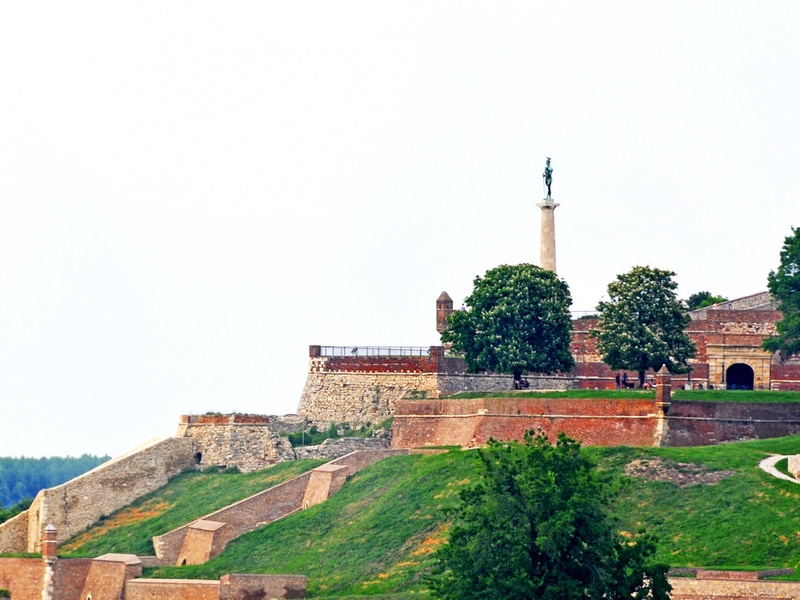
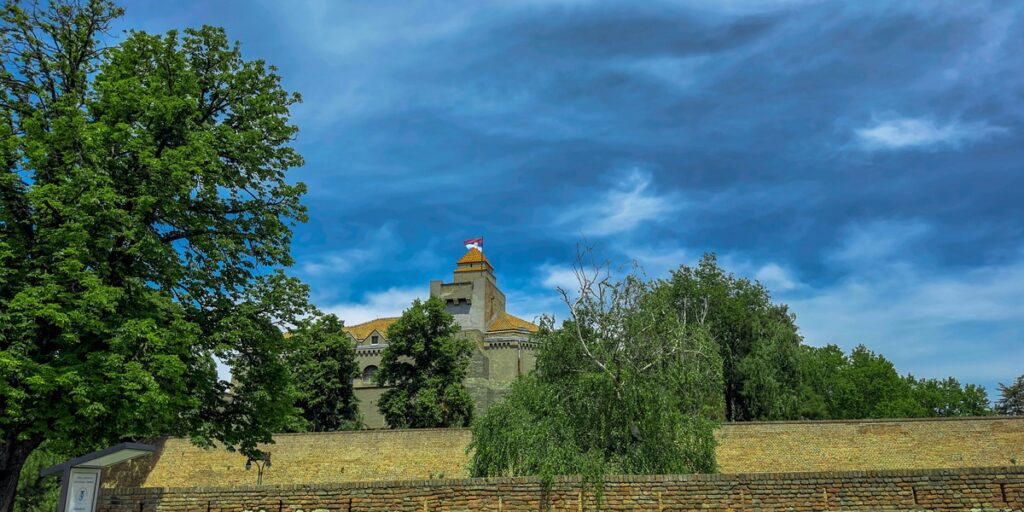
Belgrade Fortress
Is a medieval and Ottoman-era stronghold at the confluence of the Sava and Danube rivers in Belgrade. Shows layers of Roman, Byzantine, Serbian medieval, and Austrian fortifications. Serves as the city’s main historic park and offers museums, ramparts, and river views.

Stari Ras
Is the oldest Serbian medieval state center near Novi Pazar. Dates to the 9th–13th centuries. Contains ruins of palaces, churches, and fortifications important for early Serbian history and state formation.
Sopoćani Monastery
Is a 13th-century Serbian Orthodox monastery near Novi Pazar. Features well-preserved Byzantine frescoes and medieval architecture. Represents religious and artistic peak of the Nemanjić era.
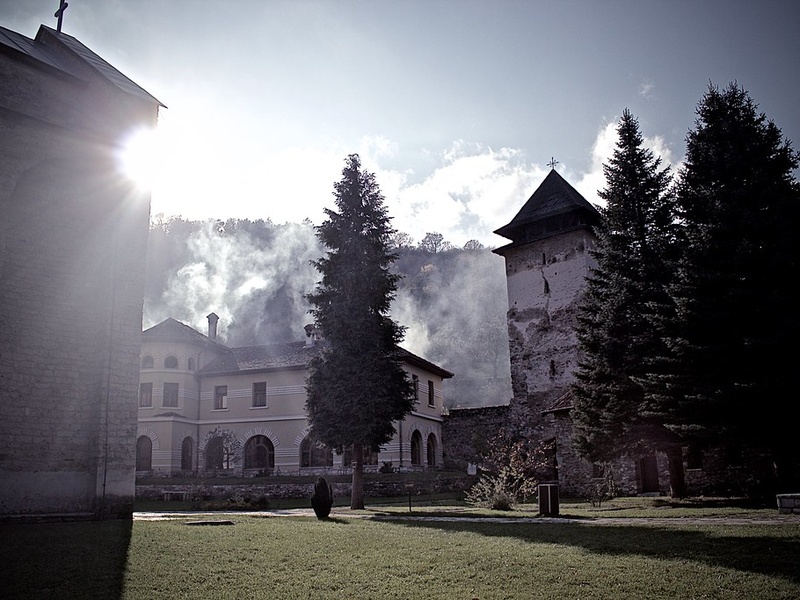
Studenica Monastery
Is a 12th-century Serbian Orthodox monastery founded by Stefan Nemanja. Contains important frescoes and medieval treasures. Stands as a key site for Serbian medieval culture and monarchy.
Žiča Monastery
Is a 13th-century coronation church near Kraljevo. Served as the original archbishopric seat of medieval Serbia. Holds historical and religious importance for the Serbian Orthodox Church.
Đurđevi Stupovi
Is a 12th-century monastery near Novi Pazar. Known for its tall bell tower and medieval fresco fragments. Marks the spread of monastic life in medieval Serbia.
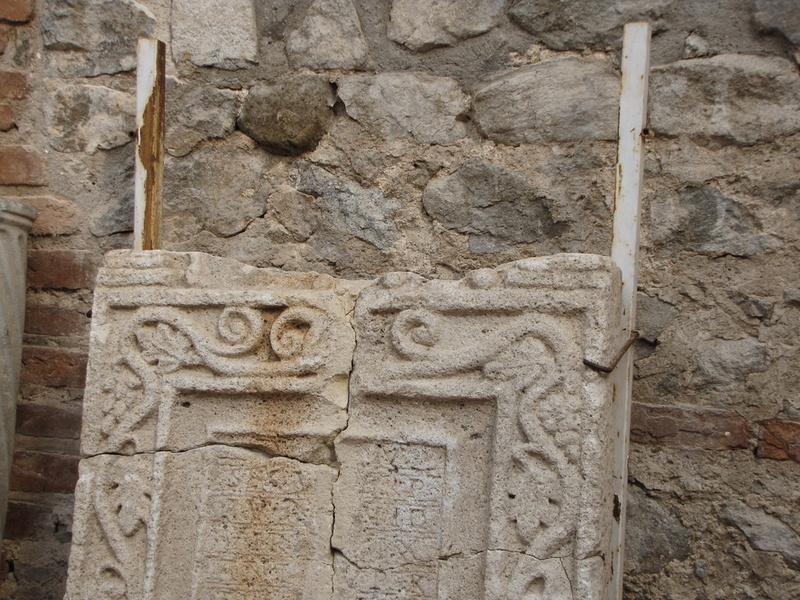
Felix Romuliana (Gamzigrad)
Is a late Roman imperial palace complex from the 3rd–4th centuries near Zaječar. Contains palace ruins, mosaics, and temples. Listed as a UNESCO World Heritage Site for Roman archaeology.
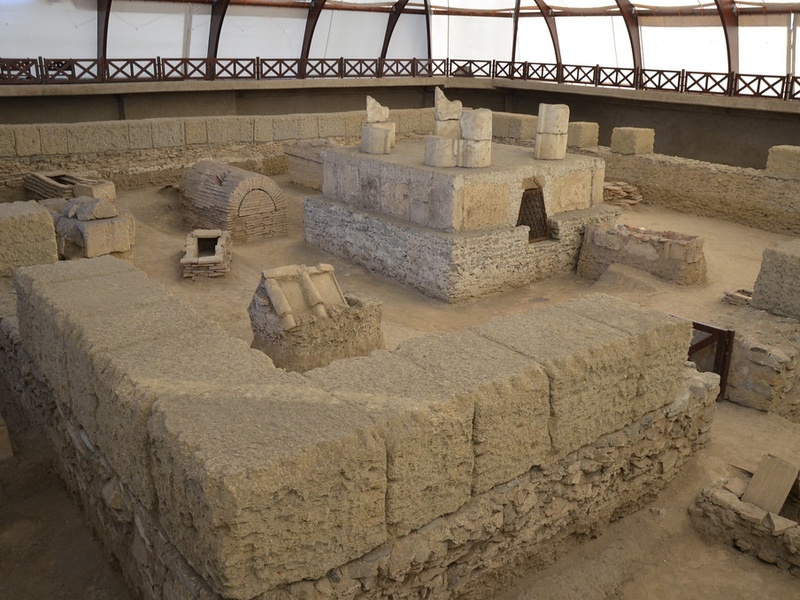
Viminacium
Is a major Roman city and legionary camp from the 1st–4th centuries near Kostolac. Yields tombs, mosaics, and urban remains. Hosts a museum and on-site excavations that show Roman life in the Balkans.
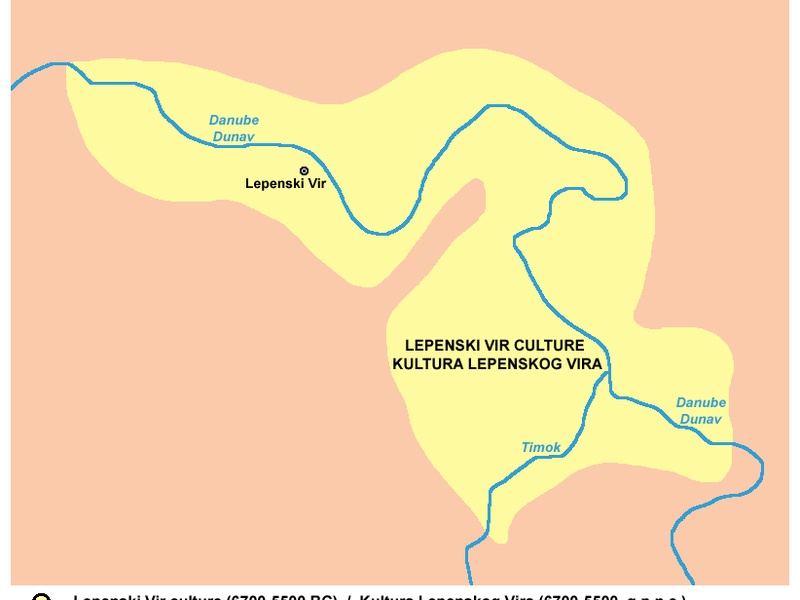
Lepenski Vir
Is a Mesolithic-Neolithic riverside settlement on the Danube dating to c. 7000–6000 BCE. Shows unique stone houses and sculptures. Provides rare evidence of prehistoric culture in the region.
Vinča (Belo Brdo)
Is a Neolithic tell near Belgrade dating to the 6th–5th millennium BCE. Gives name to the Vinča culture and yields early metallurgy and script-like symbols. Remains central to studies of prehistoric Europe.
Niš Fortress
Is an Ottoman and earlier fortified citadel in Niš. Dates mainly from the 18th century rebuild but stands on older Roman and medieval layers. Contains streets, gates, and cultural events in the old town center.
Smederevo Fortress
Is a 15th-century Serbian despotate fortress on the Danube. Built as a royal capital and defensive bulwark against Ottoman advance. Shows massive walls and towers and is a key medieval military site.
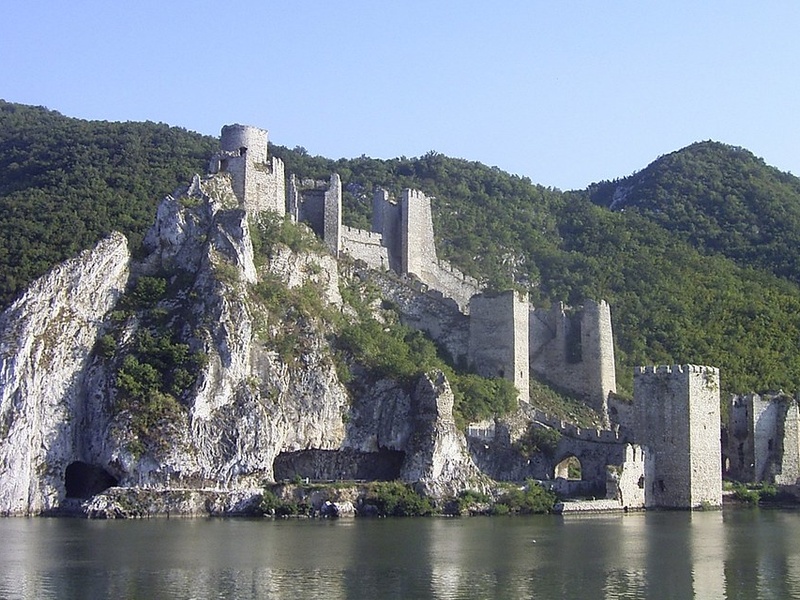
Golubac Fortress
Is a medieval riverside fortress on the Danube near the Iron Gate gorge. Dates from the 14th century with older foundations. Offers dramatic cliffside towers and strategic control of the river passage.
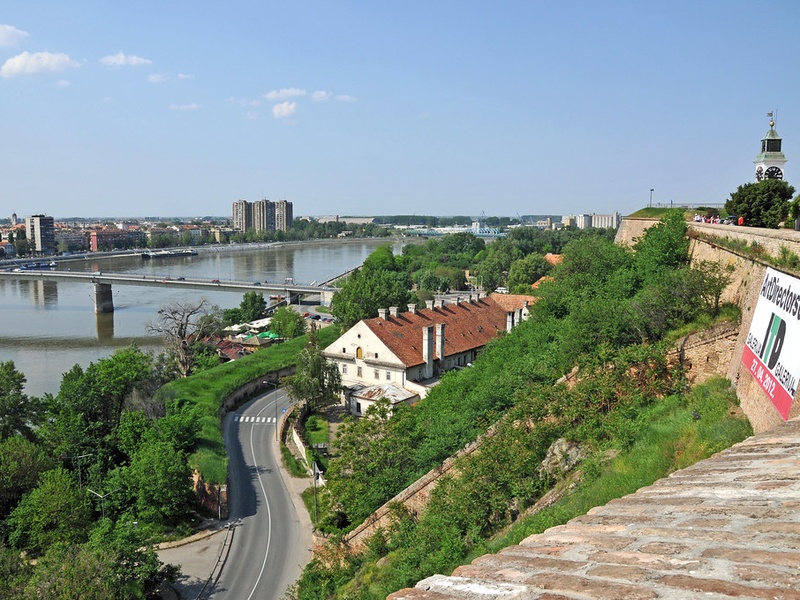
Petrovaradin Fortress
Is an 18th-century Austro-Hungarian fortress above the Danube in Novi Sad. Known for extensive underground tunnels and views over the city. Hosts cultural events and museums within its complex.
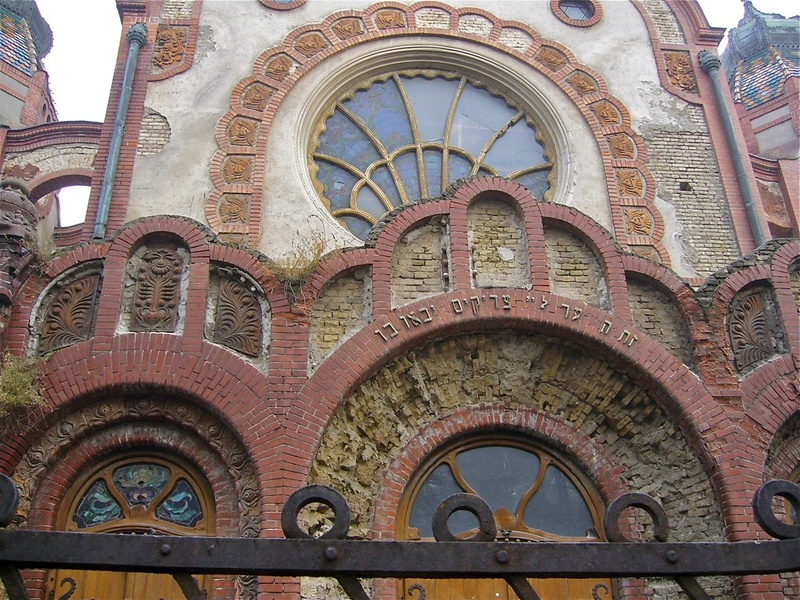
Subotica Synagogue
Is an early 20th-century Art Nouveau synagogue in Subotica. Features lavish decoration and stained glass. Remains one of the finest synagogues in the region and a cultural landmark of Jewish heritage.
National Museum (Belgrade)
Is Serbia’s main national museum holding archaeological, medieval, and modern collections. Founded in the 19th century and located in Belgrade. Houses national treasures, coins, and art spanning prehistory to modern times.
Nikola Tesla Museum
Is a museum in Belgrade dedicated to inventor Nikola Tesla. Preserves original documents, instruments, and models. Serves as a focal point for science history and Tesla-related tourism.
Manasija (Resava) Monastery
Is a 15th-century fortified monastery near Despotovac. Known for strong walls and vivid frescoes from the Resava school. Combines religious art and military architecture from late medieval Serbia.
Ravanica Monastery
Is a late 14th-century monastery founded by Prince Lazar. Contains notable frescoes and served as a cultural center after the Battle of Kosovo. Remains an important site for medieval heritage and pilgrimage.
Mileševa Monastery
Is a 13th-century monastery near Prijepolje. Famous for the white Angel fresco and well-preserved medieval art. Holds religious and artistic significance in Serbian history.
Krušedol Monastery
Is a 16th–17th-century monastery on Fruška Gora. Acts as a center of Serbian Orthodox culture in Vojvodina. Contains tombs of notable clergy and rich icons.
Grgeteg Monastery
Is a 15th-century monastery on Fruška Gora. Known for small but richly decorated church interiors and continuity of monastic life. Forms part of the Fruška Gora monastic cluster.
Hopovo Monastery
Is a 15th-century monastery on Fruška Gora. Hosts significant iconography and fresco remnants. Forms part of the region’s religious and cultural network.
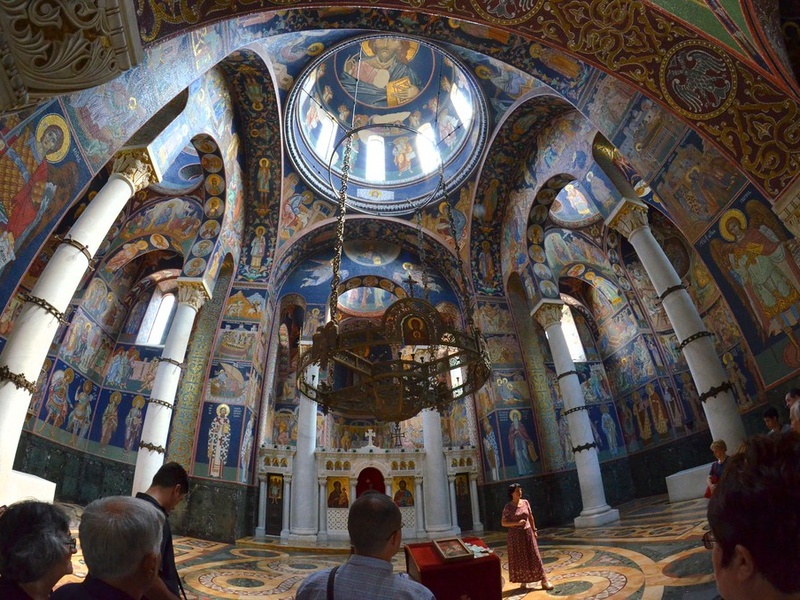
Oplenac (St. George Church)
Is a 20th-century royal mausoleum and church in Topola. Contains mosaic decorations and tombs of the Karađorđević dynasty. Serves as both a religious site and dynastic memorial.
Tršić (Vuk’s birthplace)
Is the preserved birthplace and village of Vuk Karadžić near Loznica. Shows the life of the 19th-century language reformer and ethnographer. Includes a small museum and historic houses.
Orašac (Orašac Assembly site)
Is the village near Aranđelovac where the First Serbian Uprising council met in 1804. Marks the start of modern Serbian statehood. Holds a commemorative site and monuments.
Takovo (Uprising site)
Is the historic site where the Second Serbian Uprising was proclaimed in 1815. Contains a memorial complex and symbols of national revival. Plays a role in modern Serbian independence history.
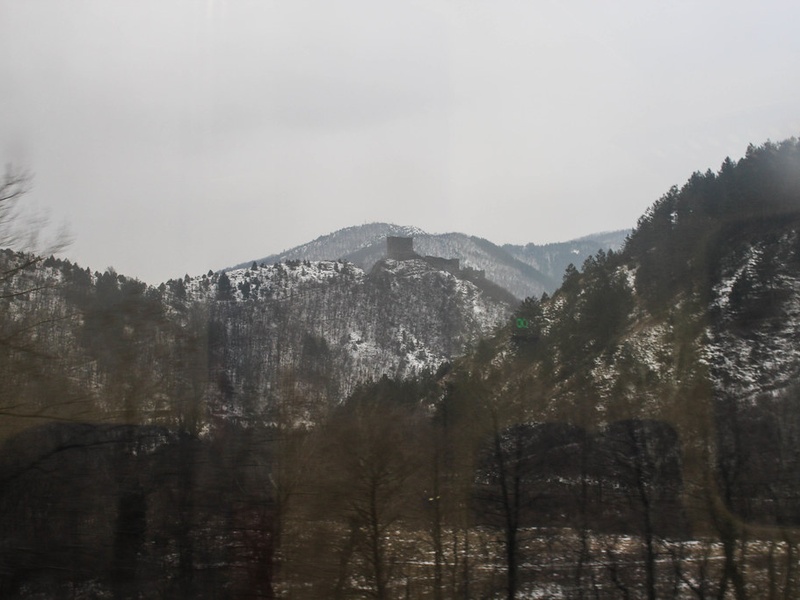
Maglič Fortress
Is a 13th–14th-century medieval hilltop fortress near Kraljevo. Shows compact citadel walls and strategic position over the Ibar River. Represents regional feudal defense architecture.
Lazarica Church
Is a late 14th-century church in Kruševac built by Prince Lazar. Exhibits Morava-style architecture and fresco fragments. Holds religious and historical ties to medieval Serbian leaders.
Ćele Kula (Skull Tower)
Is a gruesome 19th-century memorial in Niš built from skulls of Serbian rebels killed in 1809. Serves as a stark reminder of Ottoman repression and Serbian resistance during the First Serbian Uprising.
Caričin Grad (Justiniana Prima)
Is a 6th-century Byzantine city founded by Emperor Justinian near Lebane. Contains urban ruins, fortifications, and church remains. Shows early medieval imperial urban planning in the region.
Sremski Karlovci
Is a historic town near Novi Sad known for Baroque architecture and 18th–19th-century cultural institutions. Serves as a Serbian spiritual and cultural center in Vojvodina.
Old Palace (Stari Dvor)
Is a 19th-century royal residence in Belgrade formerly used by the Obrenović dynasty. Now houses government or public functions. Represents royal-era architecture in the capital.
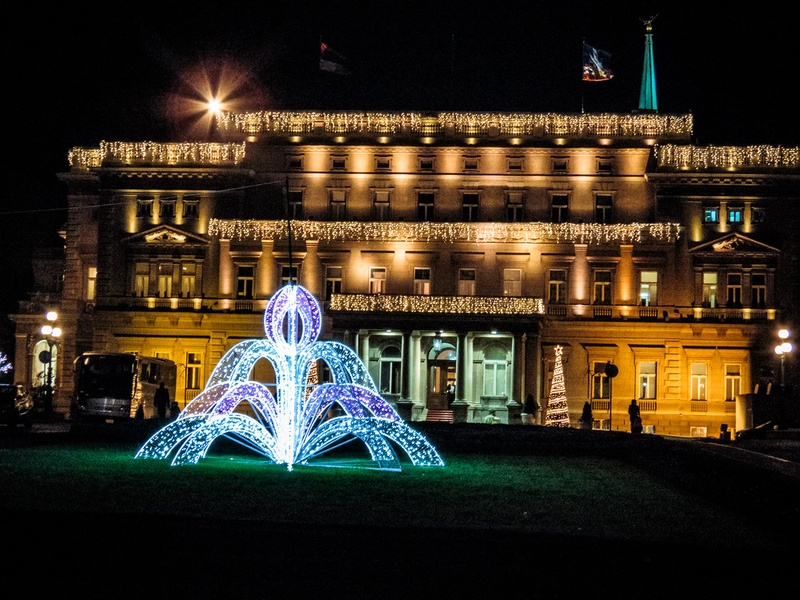
Novi Dvor (Royal Palace)
Is an early 20th-century royal palace in Belgrade built for the Karađorđević dynasty. Shows formal architecture and gardens. Serves as a symbol of the royal period in modern Serbian history.
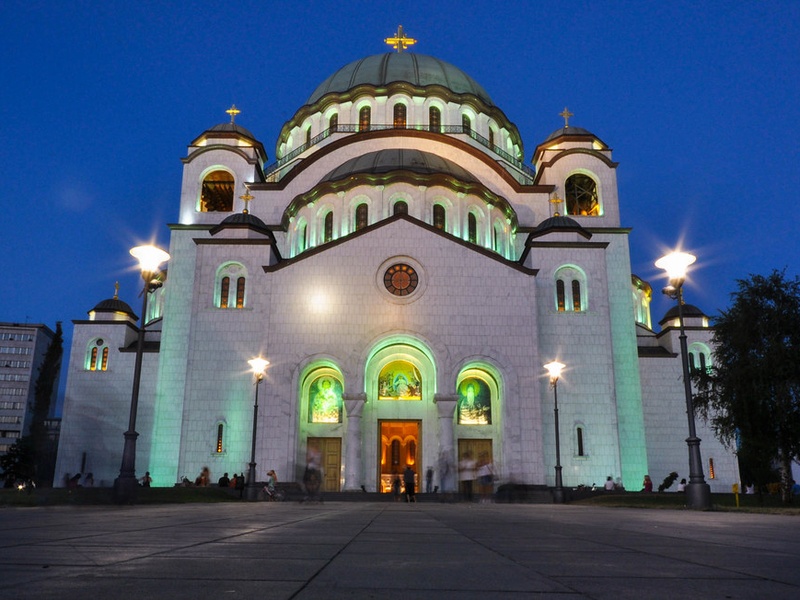
Church of Saint Sava
Is a large 20th-century Serbian Orthodox church in Belgrade built on a historic site. One of the largest Orthodox churches in the world. Displays ongoing mosaic work and national religious significance.
Bač Fortress
Is a medieval fortress in Bač with layered history from the 14th century onward. Contains towers, inner courtyards, and a chapel. Functions as a regional cultural and archaeological site.
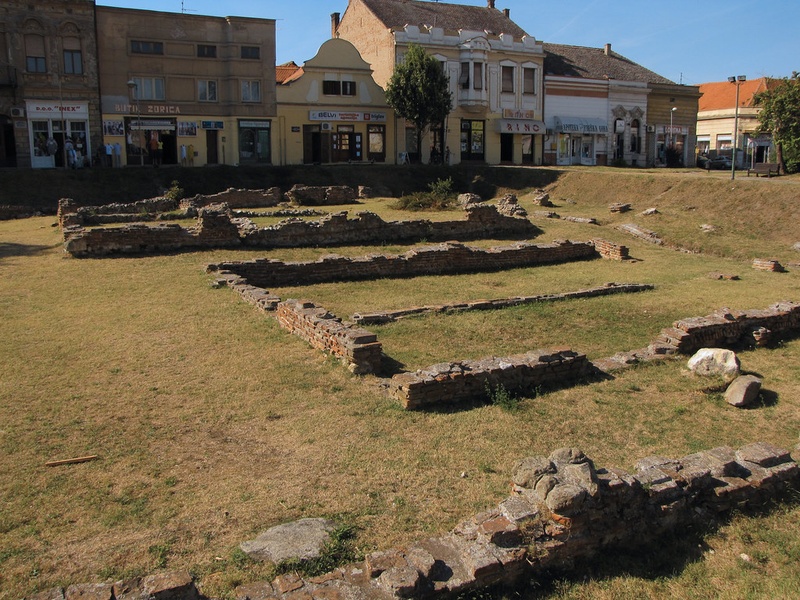
Sirmium (Sremska Mitrovica)
Is an ancient Roman capital and military center with remains dating from the 1st century BCE onward. Yields public buildings, baths, and mosaics. Serves as a major Roman-era site in Serbia.
Tabula Traiana
Is a Roman memorial plaque carved into the Danube cliff near Kladovo. Dates to the early 1st century and marks road works by Emperor Trajan. Represents Roman engineering and imperial presence along the Danube.
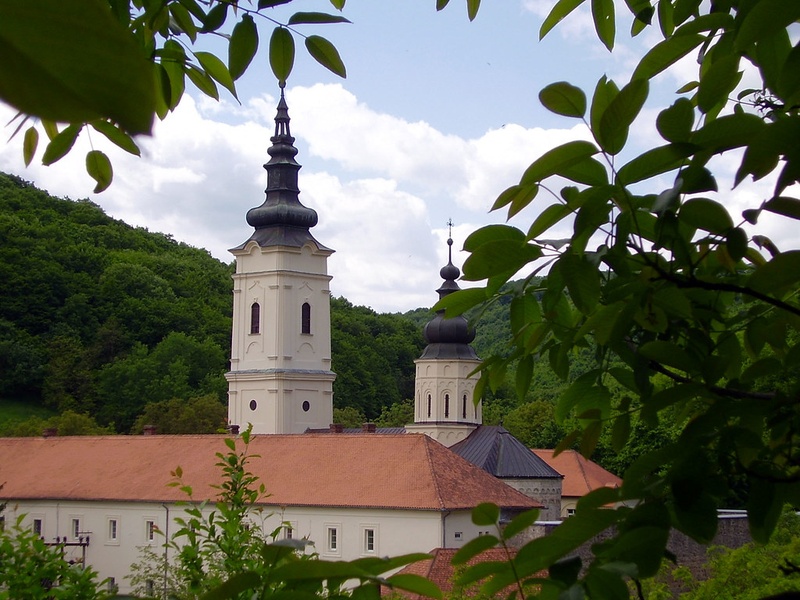
Jazak Monastery
Is a 17th-century monastery on Fruška Gora. Known for baroque iconostasis and painted interiors. Forms part of the region’s cluster of historic Orthodox monasteries.
Bešenovo Monastery
Is a medieval monastery on Fruška Gora mentioned from the 16th century. Shows reconstruction after Ottoman times and preserves iconography and relics. Contributes to the monastic landscape of Vojvodina.
Mediana
Is a late Roman suburban villa and imperial complex near Niš from the 4th century. Yields mosaics, villas, and tombs. Offers insight into late Roman elite life in the Balkans.
Gardoš Tower (Zemun)
Is a 19th-century tower on Gardoš hill in Zemun with medieval remains below. Offers panoramic city views and marks the historic core of Zemun near Belgrade.
Prince Miloš’s Konak (Topčider)
Is an early 19th-century residence of Prince Miloš Obrenović in Belgrade’s Topčider Park. Shows period architecture and garden design connected to the founding of modern Serbia.
Altun-Alem Mosque
Is a historic 16th-century Ottoman mosque in Novi Pazar. Displays classic Ottoman architecture and serves as a testimony to the region’s multi-ethnic Ottoman past.
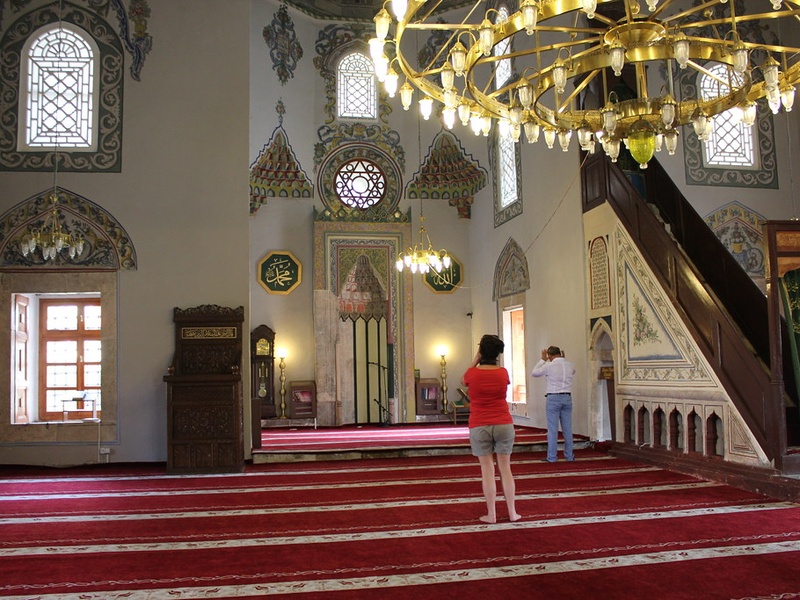
Sinan Pasha Mosque
Is a prominent Ottoman mosque from the 16th century in Novi Pazar. Features a large dome and historical inscriptions. Plays a key role in the town’s Ottoman heritage.
Bač Church of Sts. Peter and Paul
Is a medieval church in Bač attached to the fortress complex. Dates to the Middle Ages and reflects religious life within a fortified settlement. Holds architectural and liturgical value.
Sokograd (Soko Grad) ruins
Are medieval fortress ruins near Sokobanja. Date from the medieval Serbian state and later Ottoman periods. Offer hilltop views and illustrate local defensive networks.
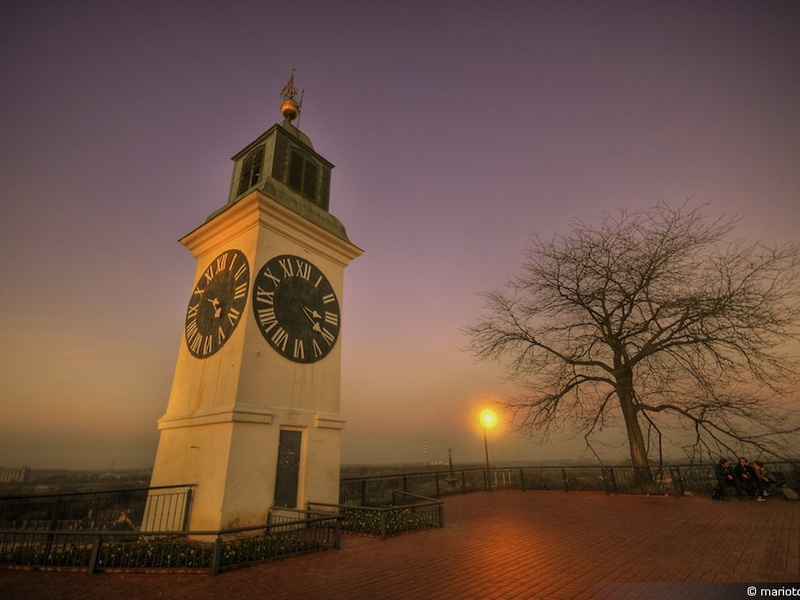
Petrovaradin Clock Tower
Is the famous clock tower on Petrovaradin Fortress in Novi Sad. Features a large clock with reversed hands and serves as a city landmark and timepiece of the fortress.
Rudnik (mining settlement and monuments)
Is an ancient and medieval mining area with historic settlements on Rudnik mountain. Shows mining heritage, old shafts, and monuments tied to regional economic history.
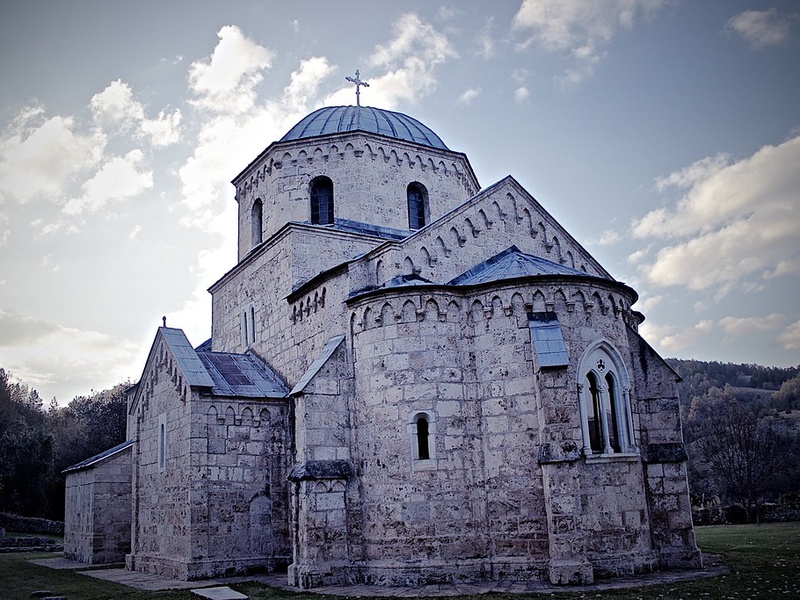
Gradac Monastery
Is a 13th-century monastery founded by Queen Helen of Anjou. Located near Gornji Milanovac and noted for architecture and medieval fresco fragments. Serves as a cultural monument from the Nemanjić period.
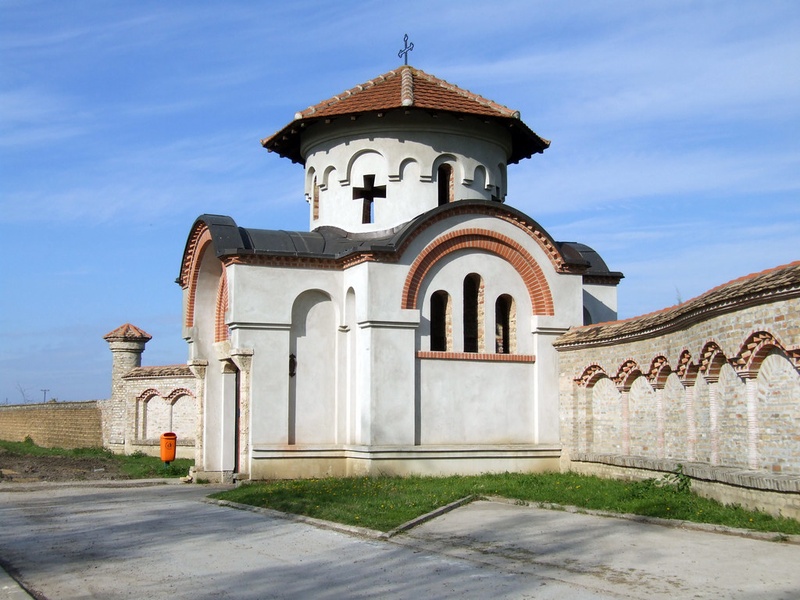
Kovilj Monastery
Is a Serbian Orthodox monastery near Novi Sad with medieval origins and later rebuilds. Holds religious relics and shows the continuity of monastic life in the region.
St. Peter’s Church (Smederevo)
Is a medieval church associated with the Smederevo fortress complex. Dates to the 15th century and reflects religious architecture tied to the despotate capital.
Ramparts of Zvonigrad
Are medieval fortification remains near the Golubac area along the Danube. Mark a once-important defensive line controlling river traffic. Provide archaeology and landscape views.
Novi Pazar Old Town
Is the historic urban core of Novi Pazar with Ottoman-era houses, hans, and religious buildings. Shows layers of medieval Serbian and Ottoman urban life and serves as a cultural crossroads.
Archaeological Site of Vinca Culture finds
Is the broader set of Neolithic sites around Vinča-Belo Brdo with artifacts from the Vinča culture. Includes pottery, figurines, and signs of early craft specialization and community life.
St. Peter’s Church (Topola) Oplenac elements included above
Refers to elements at Oplenac, especially St. George Church and royal mausoleum in Topola. Highlights Karađorđević dynasty tombs and rich mosaic decoration tied to national history.
Ruins of Justiniana Prima (detailed entry included above as Caričin Grad)
Refers to the 6th-century Byzantine city Justiniana Prima near Lebane. See Caričin Grad for archaeological remains, churches, and its role in early medieval administration.
House of Hajduk Veljko (memorial)
Is a 19th-century memorial and house museum dedicated to Hajduk Veljko, a Serbian rebel leader. Preserves artifacts and tells the story of local resistance during the First Serbian Uprising.
Timișoara? (outside Serbia) omitted
Is a city in Romania and lies outside Serbia. Not included as a Serbian historical place. Note reflects geographic boundary and relevance to the Serbian list.
Museum of Vojvodina (Banovina Palace)
Is a major regional museum in Novi Sad housed in the Banovina Palace. Displays archaeological, ethnographic, and historical collections that cover Vojvodina’s diverse past.
Old Turkish Bath (Banja) sites in Serbia
Are Ottoman-era bathhouses found in several Serbian towns. Include preserved buildings and ruins that show social and architectural Ottoman influences in the region.
Wine cellars of Vršac (old cellars)
Are historic wine cellars and underground vaults in Vršac and surrounding hills. Show long wine-making tradition and local vernacular architecture tied to viticulture history.
Monastery of Kuveždin
Is a Fruška Gora monastery with medieval origins and later restorations. Holds icons and wall paintings and forms part of the monastic ensemble on the mountain.
Fruškogorski monastic complex (general)
Is the collective of monasteries on Fruška Gora in Vojvodina dating from medieval to early modern times. Serves as a major religious and cultural cluster for Serbian Orthodoxy.
Archeological site of Gamzigrad included as Felix Romuliana
Indicates Gamzigrad is the same as Felix Romuliana, the late Roman imperial palace complex near Zaječar. See Felix Romuliana entry for details and significance.
Sinđelić Tower and related historic sites
Is a memorial tower and historic site tied to Stevan Sinđelić and the First Serbian Uprising. Marks local battle sites and commemorates 19th-century resistance.
Old Bazaar (Kragujevac) historic core
Is the historic marketplace area of Kragujevac with 19th-century streets, shops, and public buildings. Reflects urban and commercial life in Serbia’s former capital region.
Viminacium Museum (detailed under Viminacium)
Refers to the museum and visitor center at the Viminacium Roman site near Kostolac. Houses artifacts and explains the Roman city and military camp excavations.
Medieval town of Maglič (detailed above as Maglič Fortress)
Refers to the same medieval settlement tied to Maglič Fortress near Kraljevo. See Maglič Fortress entry for fortification and settlement details.
Zaječar town historic core
Is the historic center of Zaječar near Roman and medieval sites, including links to Felix Romuliana. Shows 19th–20th-century urban development and regional cultural life.
Veliko Gradište historic remains
Are archaeological and historic sites near Veliko Gradište with Roman and medieval layers along the Danube. Include fortified sites and riverine heritage.
Požarevac historic core and monuments
Is the old town area of Požarevac with monuments, historic churches, and Ottoman and Habsburg-era buildings. Marks regional administrative and cultural history.
Aranđelovac (Bukulja and historic sites)
Is a spa town and historic area near Bukulja hill with parks, monuments, and 19th-century buildings. Reflects health tourism and cultural heritage in central Serbia.
Kovilovo, Srem historic sites
Are local historic places in the Srem region near Belgrade and Sremska Mitrovica. Include churches, ruins, and rural heritage sites tied to regional history.
Petrovaradin military museum (within fortress)
Is the military museum housed inside Petrovaradin Fortress. Displays uniforms, artillery, and fortress history connected to Habsburg border defenses.