Most lists of reasons to visit the Seychelles read like a brochure with the prices removed. This one keeps the prices, the ferry times and the downsides.
Best for: couples, honeymooners, snorkelers, divers and anyone who wants a beach holiday with hiking, wildlife and real food attached. Worst for: travelers on a tight budget who want nightlife, or anyone who needs a beach trip to cost less than a week in Spain.
Contents
10 Reasons to Visit the Seychelles
1. Beaches that match the photos
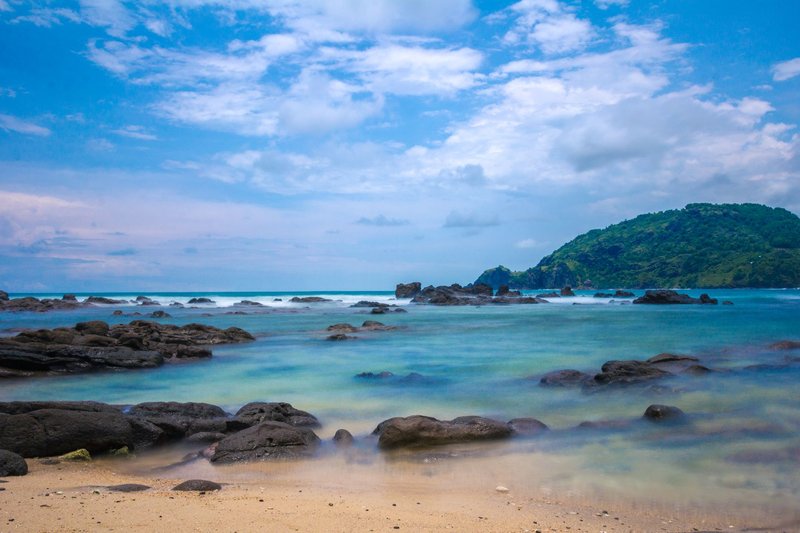
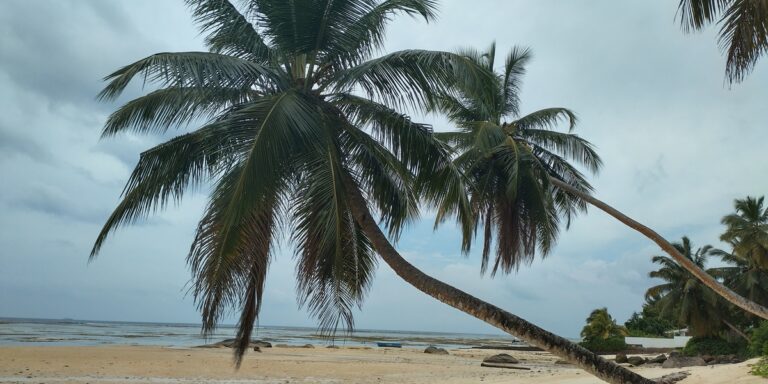
The famous shot is Anse Source d’Argent on La Digue: pink-grey granite boulders, shallow water, coconut palms leaning over the sand. It’s real, and it’s also the most photographed beach in the country, so go early or late. Access is through the L’Union Estate, which charges a small entry fee and also has a tortoise pen and an old copra mill.
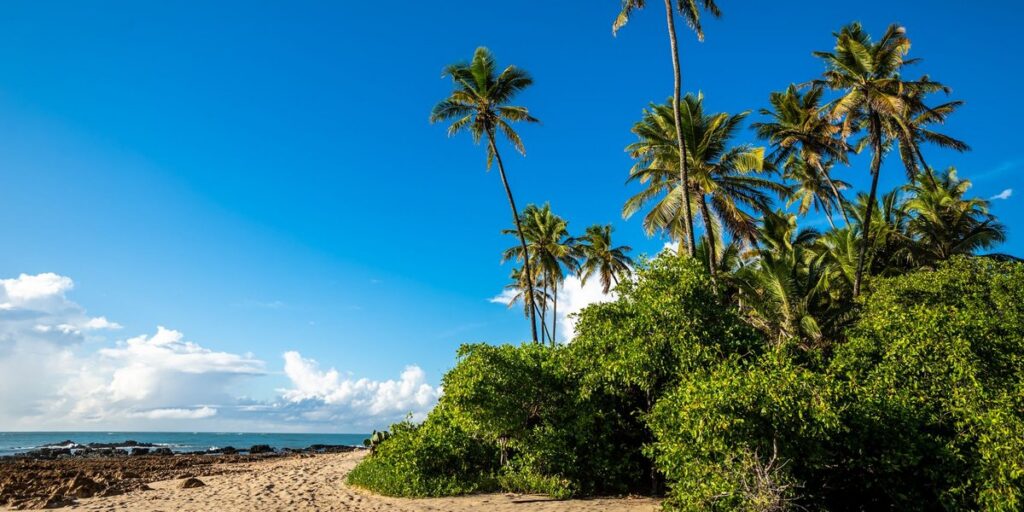
Two other beaches earn their reputation. Anse Lazio on Praslin has a swimming bay backed by forest and boulders, and it’s one of the better places in the islands to spend an entire day. Beau Vallon on Mahé is longer and busier, with water sports and a Wednesday evening bazaar.
2. Three main islands, three different trips
The inner islands are close enough to combine and different enough that it’s worth doing so.
- Mahé is the hub: the international airport, the capital Victoria, the most restaurants and the most hiking.
- Praslin is quieter, with Vallée de Mai, Anse Lazio and boats to smaller reserves.
- La Digue is the slowest. There are almost no cars, bicycles are the transport, and you can ride from one end to the other in under an hour.
Mahé to Praslin is about an hour by fast ferry or roughly 15 minutes by domestic flight. Praslin to La Digue is another 15 minutes by ferry. Two or three nights per island works for most itineraries.
3. A prehistoric forest with the world’s biggest seed
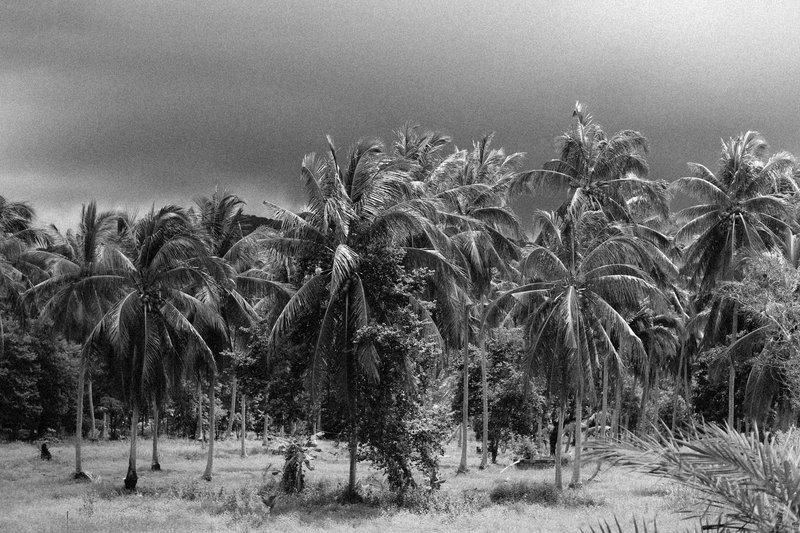
Vallée de Mai on Praslin is a UNESCO World Heritage Site and the natural home of the coco de mer palm. Its seed is the largest in the plant kingdom, weighing up to about 20 kg, and it looks exactly like what you’ve heard it looks like. The same forest holds the endemic black parrot. Stand still near the canopy and you’ll hear it before you see it.
Entry is roughly $30 to $35 for foreign adults, which is steep, but the walk takes about two hours at a leisurely pace and a guide is worth adding. Go in the morning, when it’s cooler and the birds are active.
4. Giant tortoises and reserve islands you can walk onto
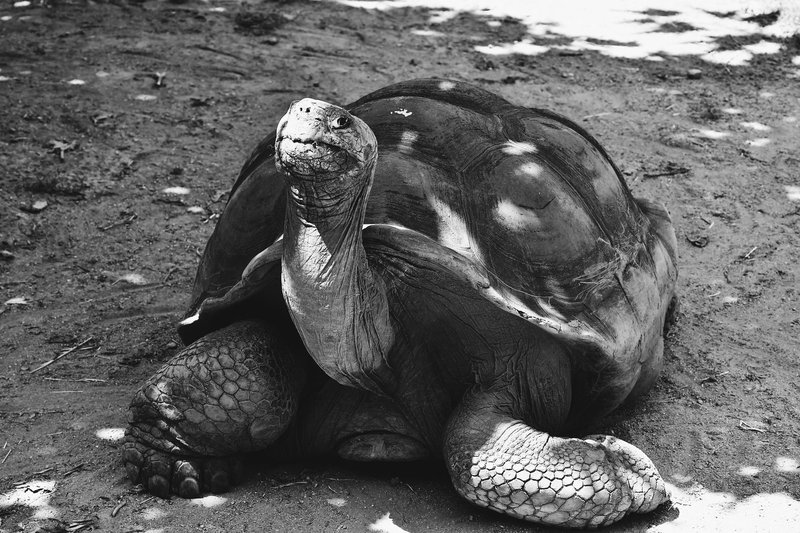
Curieuse Island, a short boat ride from Praslin, is a marine national park where Aldabra giant tortoises roam freely near the old doctor’s house. There’s also a mangrove boardwalk and a red-earth trail that crosses the island. Most Praslin boat tours bundle Curieuse with snorkeling stops.
For birds and turtles, Cousin Island is a nature reserve with strictly guided visits. Aride is a seabird colony on the northern edge of the inner islands. The wild Aldabra population, on the UNESCO-listed Aldabra Atoll, is the largest in the world, but it’s remote and reachable mainly by expedition cruise or research trips.
5. Snorkeling and diving a short boat ride from Mahé
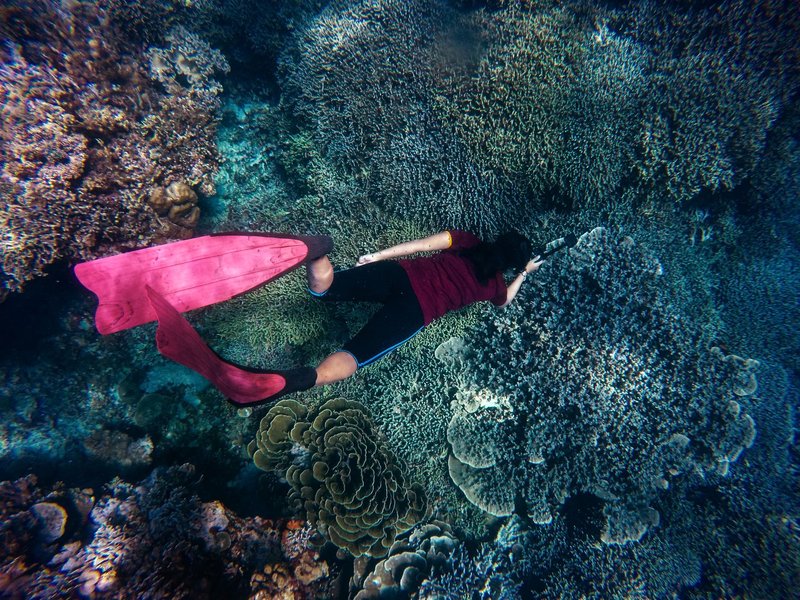
Sainte Anne Marine National Park, set up in 1973 and among the first marine parks in the Indian Ocean, sits off the northeast coast of Mahé. Day trips run from Victoria by glass-bottom boat and include stops at Moyenne Island, where a former owner planted a forest and let tortoises wander. Expect to pay roughly $60 to $100 per person for a half-day trip, depending on lunch and the operator.
Divers get granite boulder reefs, with whale sharks passing Mahé mostly from August to October. Seas are calmest and visibility best around April to May and October to November. Beginners can snorkel straight off Anse Lazio, Anse Source d’Argent or Port Launay.
6. Mountain hikes between beach days
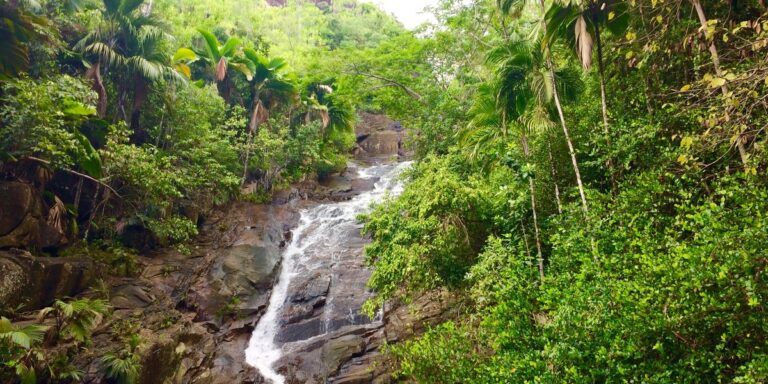
Mahé has real mountains, with Morne Seychellois reaching 905 meters inside a national park. The most rewarding short walk is the Copolia trail, about an hour up through pitcher plants and granite slabs to a view over Victoria and the sea. Anse Major is an easier coastal trail on the northwest side that ends at a quiet beach with no road access.
On La Digue, the Veuve Reserve protects the critically endangered black paradise flycatcher, a bird that exists almost nowhere else. Bring real shoes. The trails are humid and the granite is slick after rain.
7. Creole food that isn’t an afterthought
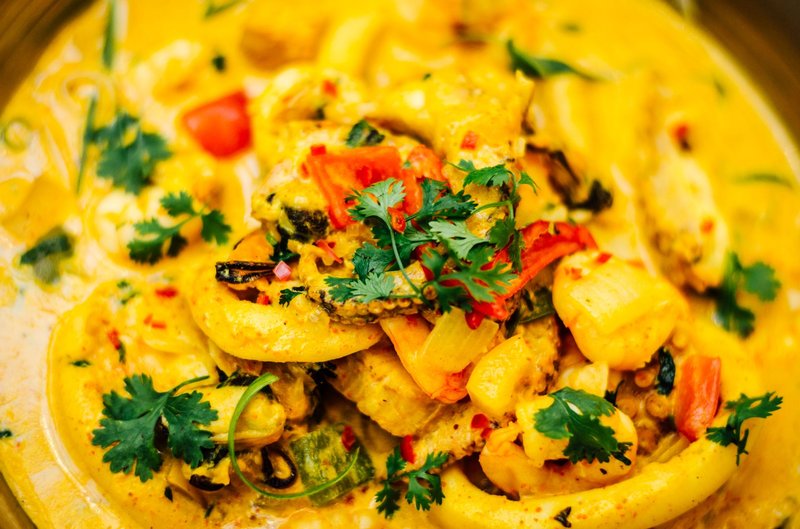
Seychellois cooking mixes African, Indian, French and Chinese influences into grilled fish, octopus curry and coconut-based dishes such as kari koko. Look for ladob, a sweet dish of plantain or cassava cooked in coconut milk, and local rum from Takamaka. Fruit bat curry exists and is a genuine local dish, mostly in homes and a few restaurants.
This is also where you can save money. Takeaway counters and market stalls serve plates for about $8 to $15, while a sit-down restaurant main usually costs $20 to $35. The Beau Vallon Wednesday bazaar is a good place to start.
8. A small capital with a proper market
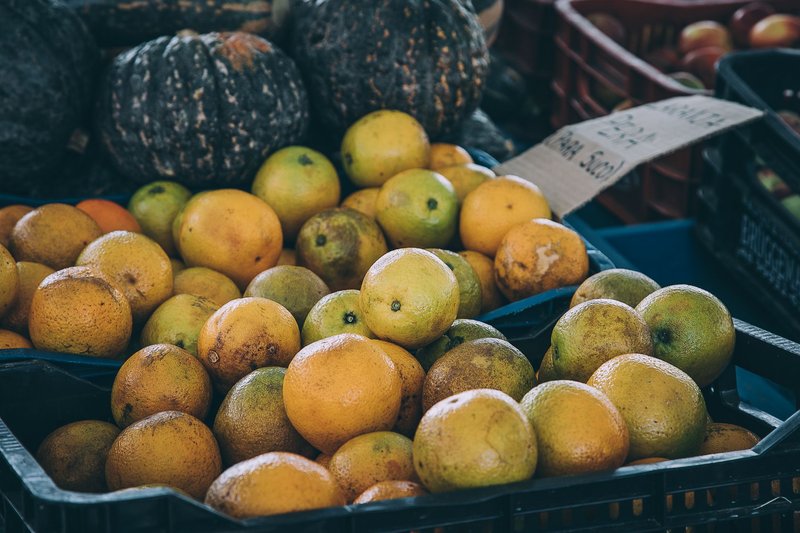
Victoria has a few clustered sights, including a small clock tower modeled on London’s Little Ben and a botanical garden, but the draw is the Sir Selwyn Selwyn-Clarke Market. Fish arrives early, spices and fruit fill the stalls, and the best time to visit is Saturday morning, when locals do their weekly shopping.
It’s a short, inexpensive stop that shows you the islands as a country, not a series of resort gates. Pick up spices and vanilla here rather than at airport prices.
9. Romance at more than one price
The honeymoon reputation is earned, but it’s wrong to assume it only comes with a $1,000-a-night private island. Small guesthouses and self-catering apartments on Mahé, Praslin and La Digue typically run roughly $90 to $170 a night for a double, while the top resorts start well above $500.
The cheaper route also gives you more of the islands: a local breakfast, a bicycle on La Digue, and a table at a beachfront grill. The Maldives usually means one resort per island. The Seychelles lets you build a trip around three inhabited islands with hills, forests and markets.
10. Easy, safe, and outside the cyclone belt
The main inner islands sit north of the cyclone belt, crime against visitors is low, and there’s no malaria. English is an official language alongside French and Seychellois Creole, so ordering a meal or booking a ferry is simple. That makes the islands a workable choice for solo travelers and families, not only couples.
Entry requires a free online Travel Authorisation before arrival, plus proof of accommodation and onward travel. Flights usually connect through Gulf hubs such as Dubai, Doha or Abu Dhabi, which makes the Seychelles a one-stop trip from much of Europe and Asia.
Who Should Skip It
The Seychelles isn’t the best value in the Indian Ocean. Be honest with yourself about these.
- You’re on a strict budget. Even with guesthouses and takeaways, expect higher daily costs than in Thailand, Mexico or Portugal. Flights also add to the bill.
- You want nightlife. Evenings are quiet. A few bars on Mahé and a handful of beach restaurants is about it.
- You need guaranteed sun and flat water. The southeast-facing beaches get rougher surf and seaweed during the trade-wind months, and the rainy season brings heavy showers.
- You want a pure resort holiday at a low price. The islands reward moving around, and moving around costs time and ferry fare.
When to Go
April, May, October and November are the sweet spots: lighter winds, calm seas, good visibility. May to September brings the southeast trades, drier and cooler air, and seaweed on southeast-facing beaches. Sheltered spots such as Beau Vallon and Anse Lazio hold up better in this period.
December to February is the northwest monsoon, hotter, more humid and the wettest time of year, although rain usually comes in bursts and seas can be flat. Peak prices cluster around Christmas, New Year and European summer holidays.
Getting Around
- Between islands: ferries run between Mahé, Praslin and La Digue. Expect roughly $65 to $80 each way from Mahé to Praslin, so check current fares and book ahead during peak months. Domestic flights from Mahé to Praslin take about 15 minutes.
- On Mahé: rent a car or use taxis, which are expensive. Buses are cheap but slow.
- On Praslin: taxis and rental cars both work. Anse Lazio is the farthest common destination.
- On La Digue: rent a bicycle for roughly $8 to $10 per day.
Planning Checklist
- Apply for the free Travel Authorisation online before you fly.
- Pick your months: April, May, October and November for calm seas, December to February for heat and rain showers.
- Book two or three nights on each of Mahé, Praslin and La Digue.
- Reserve ferries early for peak months, or price the 15-minute Mahé to Praslin flight.
- Choose between a guesthouse and a resort based on how much of the islands you want to see.
- Reserve one boat day for Curieuse or Sainte Anne.
- Save a morning for Vallée de Mai and an early slot for Anse Source d’Argent.
- Build a cushion into your budget for ferries, park entry fees and restaurant meals.
Those are the reasons to visit the Seychelles that hold up once you’ve done the math. Pick the islands that fit your budget and season, and the trip delivers what the brochures promise.