Table of contents
- Which language to learn
- The 10 phrases to learn first
- Useful phrases for tourists in Comoros, by situation
- Numbers and bargaining
- How the phrases change from island to island
- Etiquette: greetings, dress and Ramadan
Which language to learn
Learn a handful of Comorian greetings and a working layer of French. That combination covers almost every conversation a visitor will have.
Comorian (Shikomori) is the language people speak at home, in the market and on the street. The constitution gives it official status alongside French and Arabic, per the CIA World Factbook. French runs government, schools, hotels and most paperwork. Arabic shows up in religion and Quran school, not in everyday talk. English exists mainly among tour operators, a few hotel staff and the odd dive guide.
Comorian is a Bantu language and shares roots with Swahili. That doesn’t make them the same language. Plenty of online phrase lists give you Swahili (“Ndiyo,” “Hapana,” “Asante”) and label it Comorian. You’ll get polite smiles and sometimes understanding, but you’ll sound like a visitor who read the wrong page. The phrases below are Comorian, labeled by dialect where it matters, and French wherever French is what people actually say.
Spelling is the other catch. Comorian has no single settled Latin spelling, so you’ll see “Barakala” and “Barakalla” both. The pronunciation guides here are approximations. Locals will forgive you.
The 10 phrases to learn first
If you learn nothing else, learn these. They’re a mix of Comorian and French on purpose: Comorian for warmth, French for getting things done.
| # | English | Say this | Language | Pronunciation |
|---|---|---|---|---|
| 1 | How are you? / I’m fine | Jeje? / Jeje | Comorian | JEH-jeh |
| 2 | Peace be upon you (and the reply: Wa alaykum salaam) | Salaam alaykum | Arabic, used in Comorian | sa-LAAM a-LAY-koom |
| 3 | Thank you | Barakala | Comorian | ba-ra-KA-la |
| 4 | You’re welcome | Marahaba | Comorian | ma-ra-HA-ba |
| 5 | Goodbye | Kwaheri | Comorian | kwa-HEH-ree |
| 6 | Hello / good day | Bonjour | French | bon-ZHOOR |
| 7 | Please | S’il vous plaît | French | seel voo PLEH |
| 8 | How much is it? | C’est combien ? | French | seh kom-BYAN |
| 9 | Do you speak English? | Parlez-vous anglais ? | French | par-lay-VOO ahn-GLEH |
| 10 | I don’t understand | Je ne comprends pas | French | zhuh nuh kom-PRAHN pah |
Useful phrases for tourists in Comoros, by situation
The tables below list Comorian (Shingazidja, the dialect of Grande Comore, where the capital Moroni and the international airport are) next to French. Where I’ve written “Use French,” Comorian has an equivalent, but French is what a taxi driver or pharmacist will answer to.
Greetings and basics
Greetings in Comoros are not a throwaway. Expect a short exchange before any request: how are you, how is the family, how is the day. Skipping it and going straight to “how much?” reads as abrupt.
| English | Comorian | French | Pronunciation |
|---|---|---|---|
| Hello, how are you? | Jeje? | Bonjour, ça va ? | JEH-jeh |
| Good morning | Bariza soubou | Bonjour | ba-REE-za soo-BOO |
| Good evening | Use French | Bonsoir | bon-SWAHR (Fr) |
| Peace be upon you | Salaam alaykum | Salaam alaykum | sa-LAAM a-LAY-koom |
| Thank you | Barakala | Merci | ba-ra-KA-la |
| You’re welcome | Marahaba | De rien | ma-ra-HA-ba |
| Goodbye | Kwaheri | Au revoir | kwa-HEH-ree |
| Please | Use French | S’il vous plaît | seel voo PLEH (Fr) |
| Excuse me / sorry | Use French | Excusez-moi / Pardon | ek-skew-zay-MWAH (Fr) |
| My name is… | Use French | Je m’appelle… | zhuh ma-PEL (Fr) |
| Do you speak English? | Use French | Parlez-vous anglais ? | par-lay-VOO ahn-GLEH (Fr) |
| I don’t understand | Use French | Je ne comprends pas | zhuh nuh kom-PRAHN pah (Fr) |
Two religious phrases will do you good everywhere. “Inshallah” (God willing) follows any statement about the future, and “Alhamdulillah” (praise God) is the standard answer to “how are you?” in many conversations. Use them and people notice.
Restaurants and food
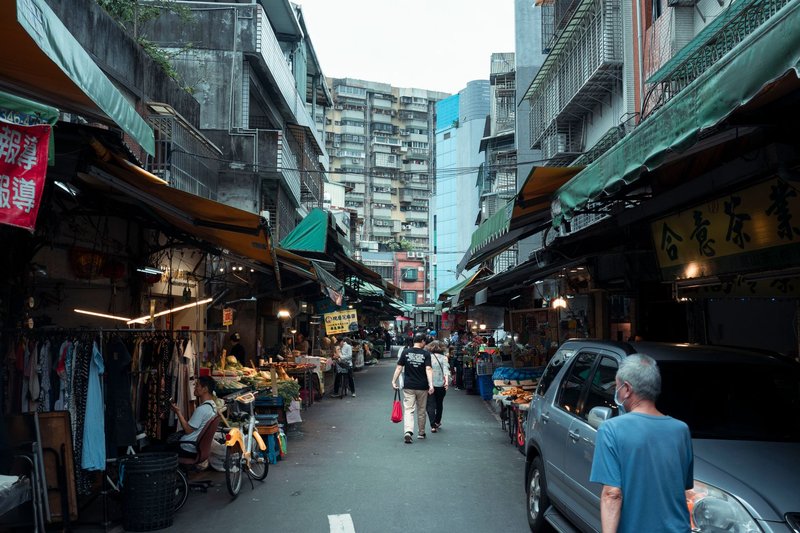
Comorian cooking leans on coconut, cassava leaves, vanilla, cloves and fresh fish and lobster from the surrounding Indian Ocean. Menus in towns are in French. Street food and market stalls run on pointing and a few words.
| English | Comorian | French | Pronunciation |
|---|---|---|---|
| Water | Madji | De l’eau | MA-jee |
| A table for two | Use French | Une table pour deux | oon TA-bluh poor DUH (Fr) |
| The menu, please | Use French | Le menu, s’il vous plaît | luh meh-NEW seel voo PLEH (Fr) |
| I’d like… | Use French | Je voudrais… | zhuh voo-DREH (Fr) |
| I’m vegetarian | Use French | Je suis végétarien(ne) | zhuh swee vay-zhay-ta-RYAN (Fr) |
| No meat, no fish | Use French | Sans viande, sans poisson | sahn VYAHND, sahn pwa-SOHN (Fr) |
| Is it spicy? | Use French | C’est piquant ? | seh pee-KAHN (Fr) |
| The bill, please | Use French | L’addition, s’il vous plaît | la-dee-SYOHN seel voo PLEH (Fr) |
| Delicious | Use French | C’est délicieux | seh day-lee-SYUH (Fr) |
Ask for “mataba” (cassava leaves cooked with coconut) and any grilled fish of the day. Alcohol is hard to find outside hotels and a few restaurants, so don’t count on a beer with dinner.
Markets and shopping
| English | Comorian | French | Pronunciation |
|---|---|---|---|
| How much is this? | Use French | C’est combien ? | seh kom-BYAN (Fr) |
| Too expensive | Use French | C’est trop cher | seh troh SHAIR (Fr) |
| Last price? | Use French | Dernier prix ? | dair-NYAY PREE (Fr) |
| I’ll take it | Use French | Je le prends | zhuh luh PRAHN (Fr) |
| I’m just looking | Use French | Je regarde seulement | zhuh ruh-GARD suhl-MAHN (Fr) |
| Can I take a photo? | Use French | Puis-je prendre une photo ? | pwee-zhuh PRAHN-druh oon fo-TOH (Fr) |
Prices are quoted in Comorian francs (KMF), pegged to the euro at roughly 492 francs per euro. Vendors will often say a number in francs; if you’re unsure, ask them to repeat it slowly or write it down.
Taxis and transport
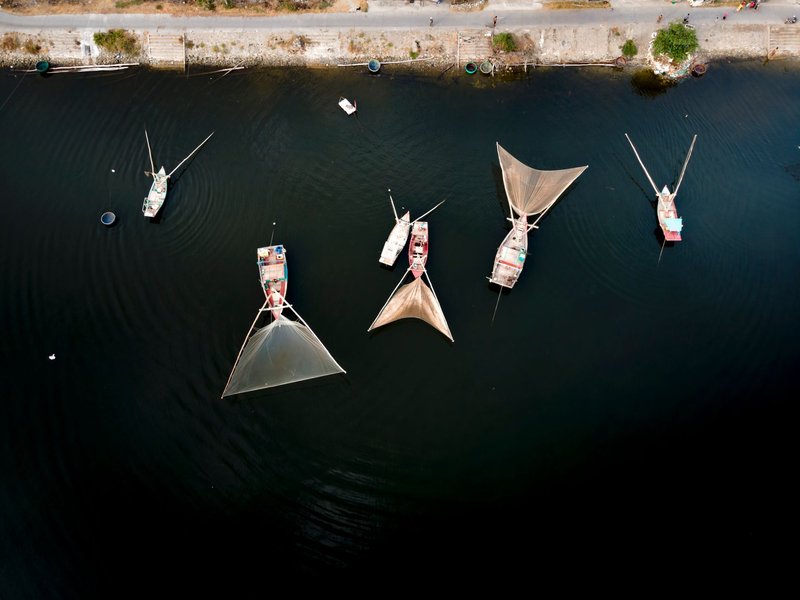
Getting around means shared taxis, private taxis and, between islands, small planes or ferries. Agree the fare before you get in. Private cabs don’t run meters.
| English | Comorian | French | Pronunciation |
|---|---|---|---|
| Where is the taxi stand? | Use French | Où est la station de taxis ? | oo eh la sta-SYOHN duh tak-SEE (Fr) |
| I want to go to… | Use French | Je voudrais aller à… | zhuh voo-DREH a-LAY ah (Fr) |
| How much to the airport? | Use French | Combien pour l’aéroport ? | kom-BYAN poor la-ay-ro-POR (Fr) |
| Stop here, please | Use French | Arrêtez ici, s’il vous plaît | a-reh-TAY ee-SEE seel voo PLEH (Fr) |
| Left / right / straight | Use French | À gauche / à droite / tout droit | a GOSH / a DRWAHT / too DRWAH (Fr) |
| When does the boat leave? | Use French | Quand part le bateau ? | kahn par luh ba-TOH (Fr) |
| Is this the right road? | Use French | C’est la bonne route ? | seh la bon ROOT (Fr) |
Hotels and guesthouses
| English | Comorian | French | Pronunciation |
|---|---|---|---|
| I have a reservation | Use French | J’ai une réservation | zhay oon ray-zair-va-SYOHN (Fr) |
| Is breakfast included? | Use French | Le petit-déjeuner est inclus ? | luh puh-tee day-zhuh-NAY eh an-KLEW (Fr) |
| Is there hot water? | Use French | Il y a de l’eau chaude ? | eel ya duh loh SHOHD (Fr) |
| The power is out | Use French | Il n’y a pas de courant | eel nya pah duh koo-RAHN (Fr) |
| The air conditioning doesn’t work | Use French | La climatisation ne marche pas | la klee-ma-tee-za-SYOHN nuh MARSH pah (Fr) |
| What time is checkout? | Use French | À quelle heure est le départ ? | a kel UR eh luh day-PAR (Fr) |
Power cuts happen, and “il n’y a pas de courant” is a sentence you’ll probably use once.
Health and emergencies
Malaria is present in Comoros, so the word for fever matters more here than in most places. The CDC’s Comoros travel page lists the vaccines and prevention advice to sort out before you fly. Medical facilities are limited outside Moroni, and French is the language of every clinic.
| English | Comorian | French | Pronunciation |
|---|---|---|---|
| Help! | Use French | Au secours ! | oh suh-KOOR (Fr) |
| I need a doctor | Use French | J’ai besoin d’un médecin | zhay buh-ZWAN dun mayd-SAN (Fr) |
| Where is the pharmacy? | Use French | Où est la pharmacie ? | oo eh la far-ma-SEE (Fr) |
| I have a fever | Use French | J’ai de la fièvre | zhay duh la FYEH-vruh (Fr) |
| My stomach hurts | Use French | J’ai mal au ventre | zhay mal oh VAHN-truh (Fr) |
| I’m allergic to… | Use French | Je suis allergique à… | zhuh swee za-lair-ZHEEK ah (Fr) |
| Call the police | Use French | Appelez la police | a-play la po-LEES (Fr) |
| Call an ambulance | Use French | Appelez une ambulance | a-play oon ahn-bew-LAHNS (Fr) |
| I lost my passport | Use French | J’ai perdu mon passeport | zhay pair-DEW mon pass-POR (Fr) |
Numbers and bargaining
Comorian numbers vary by island, and shop staff will switch to French for anything above ten. Learn the French numbers for prices; the Comorian ones are for fun and goodwill.
| Number | Comorian (Shingazidja, approx.) | French | Pronunciation (French) |
|---|---|---|---|
| 1 | Mmoja | Un | UN |
| 2 | Mbili | Deux | DUH |
| 3 | Raru | Trois | TRWAH |
| 4 | Nne | Quatre | KA-truh |
| 5 | Tsano | Cinq | SANK |
| 6 | Sita | Six | SEESS |
| 7 | Saba | Sept | SET |
| 8 | Nane | Huit | WEET |
| 9 | Shendra | Neuf | NUHF |
| 10 | Kumi | Dix | DEESS |
| 100 | Use French | Cent | SAHN |
| 1,000 | Use French | Mille | MEEL |
Bargaining is normal in markets and with unmetered taxis, not in shops with price tags or restaurants. The sequence that works:
- Ask “C’est combien ?” and let them name a price.
- Say “C’est trop cher” with a smile, not a frown.
- Offer about 60 to 70 percent of the first price.
- Land somewhere in between and say “Je le prends.”
If a number in francs sounds enormous, remember the scale: at about 492 francs to the euro, 5,000 KMF is roughly 10 euros.
How the phrases change from island to island
Comoros is three main islands, and each has its own dialect of Comorian. A fourth, Mayotte, is administered by France and speaks Shimaore.
| Island | Dialect | Notes |
|---|---|---|
| Grande Comore (Ngazidja) | Shingazidja | The dialect in this guide. Spoken in and around Moroni. |
| Anjouan (Ndzuwani) | Shindzuani | Closely related to Shimaore. |
| Mohéli (Mwali) | Shimwali | Smallest island, smallest dialect community. |
| Mayotte | Shimaore | French department. French is the working language for visitors. |
The dialects are mostly understood across islands, with differences in vocabulary and pronunciation. “Water” is a good example: “madji” in Shingazidja, closer to “madzi” in Shindzuani. Greetings travel well. “Jeje,” “Kwaheri” and “Marahaba” will be understood on all three islands of the Union. If you’re moving between islands, use French for anything that matters, such as prices, directions and medical needs, and keep the local greetings for friendliness.
Etiquette: greetings, dress and Ramadan
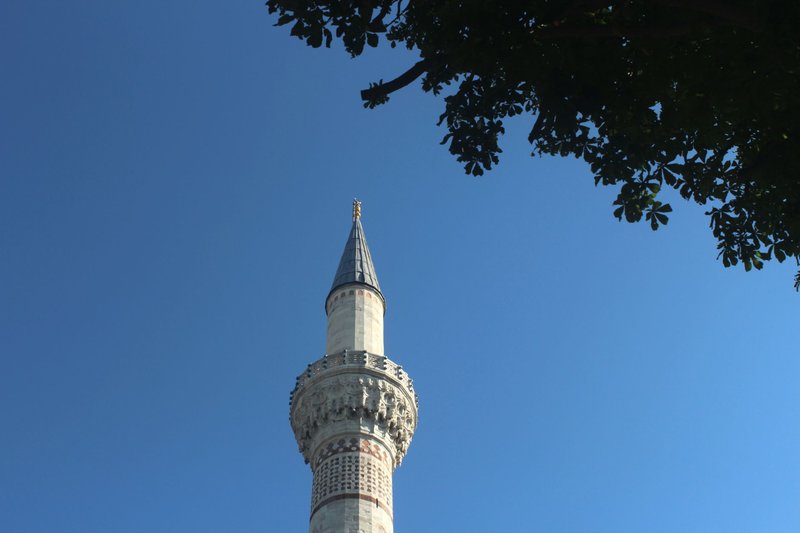
Islam shapes daily life here. The CIA World Factbook puts the population overwhelmingly Sunni Muslim, and the rhythm of the day follows the call to prayer. A few habits matter.
Greet first, and greet properly. Open with “Salaam alaykum” or “Jeje?” before asking anything. In small villages, greet everyone you pass.
Use your right hand. Shake hands, hand over money and eat with your right hand. The left is considered unclean. In conservative circles, a woman may not offer her hand to a man, so let her take the lead and a hand on the chest with a nod is a respectful substitute.
Dress modestly. Cover shoulders and knees in towns and villages, and bring a light scarf for women entering mosques. Swimwear belongs on the beach, not in the street. Women in Moroni often wear the shiromani, a printed wrap in red and white, and you may see some with a pale paste on their faces made from sandalwood.
Respect Ramadan. During the fasting month, eating, drinking and smoking in public during daylight is discouraged. Restaurants may shut until sunset. Eat in your hotel, and say “Ramadan Mubarak” to people you meet. Many places also slow down in the afternoons.
Ask before photographing people. Use “Puis-je prendre une photo ?” and take no for an answer, especially with women and during religious events.
Skip public displays of affection. Holding hands is generally fine for married couples. Kissing in public is not.
Planning the trip beyond language? The UK government’s Comoros travel advice covers entry rules, safety and health in one place. With a dozen greetings and the French phrases above, you’ll handle most situations, and your effort with Comorian will get you a warmer response than any other choice.