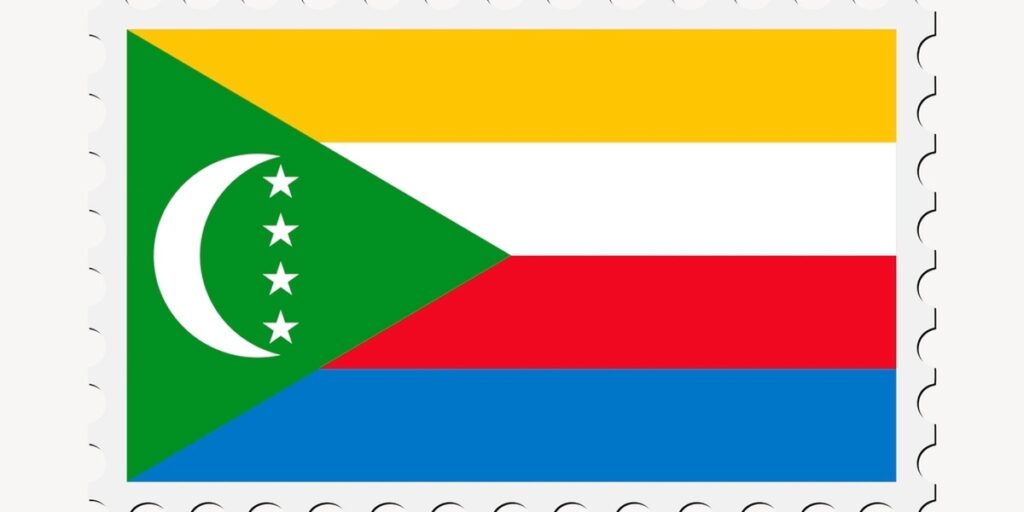
The Comoros archipelago sits where the Mozambique Channel meets the Indian Ocean, a crossroads of African, Arab and Malagasy influences. That mix is reflected in markets, mosques and homes, where several tongues shape daily life and cultural identity.
There are 8 Languages Spoken in Comoros, ranging from Arabic (Modern/Standard & Classical) to Shindzuani. For each language the data are organized as Status,Speakers (%),Where spoken / Script — you’ll find these details below.
Which languages are official in Comoros?
Comoros recognizes Comorian (Shikomori), Arabic and French: Comorian is the commonly spoken vernacular across the islands, Arabic serves religious and classical functions, and French is prominent in administration and formal education.
How do varieties like Shindzuani fit into everyday use?
Shindzuani is one of several island-based Comorian varieties that differ in pronunciation and vocabulary; these local forms dominate daily conversation on their home islands, while French and Standard Arabic appear more in government, schooling and religious settings—see the table below for exact shares and locations.
Languages Spoken in Comoros
| Language | Status | Speakers (%) | Where spoken / Script |
|---|---|---|---|
| Comorian | National language; widely used in daily life and media | ≈95% (~827,000) | Nationwide; Latin and Arabic (Ajami) |
| Ngazidja | Main island vernacular of Grande Comore | ≈45% (~392,000) | Grande Comore (Ngazidja); Latin and Ajami |
| Shindzuani | Main island vernacular of Anjouan | ≈37% (~322,000) | Anjouan (Nzwani); Latin and Ajami |
| Shimwali | Main island vernacular of Mohéli | ≈8% (~70,000) | Mohéli (Mwali); Latin and Ajami |
| French | Official language for administration, education, and law | ≈40% (~348,000) | Nationwide; Latin |
| Arabic (Modern/Standard & Classical) | Official language; religious and educational importance | ≈25% (~218,000) | Nationwide (religious schools); Arabic script |
| Kiswahili (Standard Swahili) | Regional lingua franca influence; trade and cross-border ties | ≈10% (~87,000) | Urban centers/trade routes; Latin |
| English | Minority use in tourism, business, and higher education | ≈2% (~17,000) | Urban/tourist areas; Latin |
Images and Descriptions

Comorian
Comorian (Shikomori) is a cluster of Bantu-Swahili varieties spoken by virtually the whole population. It serves everyday communication, local media, and cultural identity; historically written in Arabic script (Ajami) and now also in Latin orthography.
Ngazidja
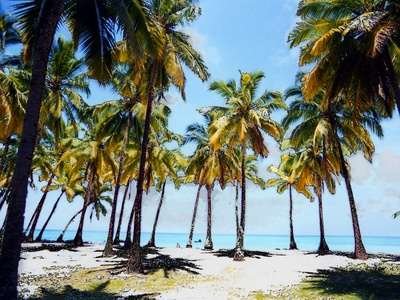
Ngazidja is the Grande Comore variety of Comorian, mutually intelligible with other island dialects. It dominates social life and local radio on Ngazidja, showing strong Arabic and Swahili influences and uses both Latin and traditional Ajami scripts.
Shindzuani
Shindzuani is the Anjouan dialect of Comorian, rich in coastal Swahili vocabulary and used in everyday speech, oral literature, and local ceremonies. It remains the dominant home language on Anjouan and appears in regional media.
Shimwali
Shimwali is Mohéli’s Comorian dialect, smaller in speaker base but central to island identity. It shares core grammar with other Comorian dialects, features local lexical items, and is used in homes, markets, and community events.

French
French is an official language used in government, courts, formal education, and written communication. Many Comorians are bilingual or multilingual; French serves as a prestige and administrative lingua franca inherited from colonial rule.
Arabic (Modern/Standard & Classical)
Arabic is official and central to religious life, Quranic education, and Islamic scholarship. Classical and Modern Standard Arabic are taught in madrasas and some schools; fluency varies between reading for religion and everyday spoken use.
Kiswahili (Standard Swahili)
Standard Swahili has cultural and commercial presence due to ties with East Africa. While local Comorian dialects are primary, Kiswahili appears in regional trade, cross-border communication, and occasional media or schooling links.
English
English is a small but growing practical language among professionals, tour operators, and some students. It is not a traditional community language but is learned for international commerce, travel, and higher-education opportunities.