On July 30, 1980, the New Hebrides became the independent Republic of Vanuatu, marking a new chapter for an archipelago of roughly 307,000 people whose identity was forged by centuries of seafaring, colonial contact and resilient island cultures.
Vanuatu matters to travelers, researchers and policymakers because it offers unusually tangible encounters with geophenomena and living traditions — from one of the world’s most accessible active volcanoes to a harvest ritual that inspired modern bungee jumping — while also facing acute climate and cyclone risks. What is Vanuatu known for will be clearer after a closer look at seven standout features that shape everyday life, local economies and visitor experiences.
Below are exactly seven points, each explaining why the feature matters for visitors and communities, with practical examples and a few key numbers (including Vanuatu’s linguistic richness and recent cyclone impacts).
Natural wonders and adventure
The archipelago’s dramatic geology, coral systems and reef-fringed beaches make Vanuatu a magnet for adventure travellers and field researchers. Regular volcanic activity, world-class diving (including famous wrecks), lush tropical forests and surfable reef breaks generate tourism income and support local guiding, boat operators and small eco-lodges. These landscapes also concentrate conservation priorities and climate vulnerability: the March 2015 Cyclone Pam event affected an estimated 166,000 people and highlighted how dependent many livelihoods are on intact natural systems.
Tourism dollars often flow directly to villages through guide fees, homestays and community-managed marine areas, so protecting reefs and slopes is both an ecological and an economic imperative.
1. Mount Yasur — one of the world’s most accessible active volcanoes
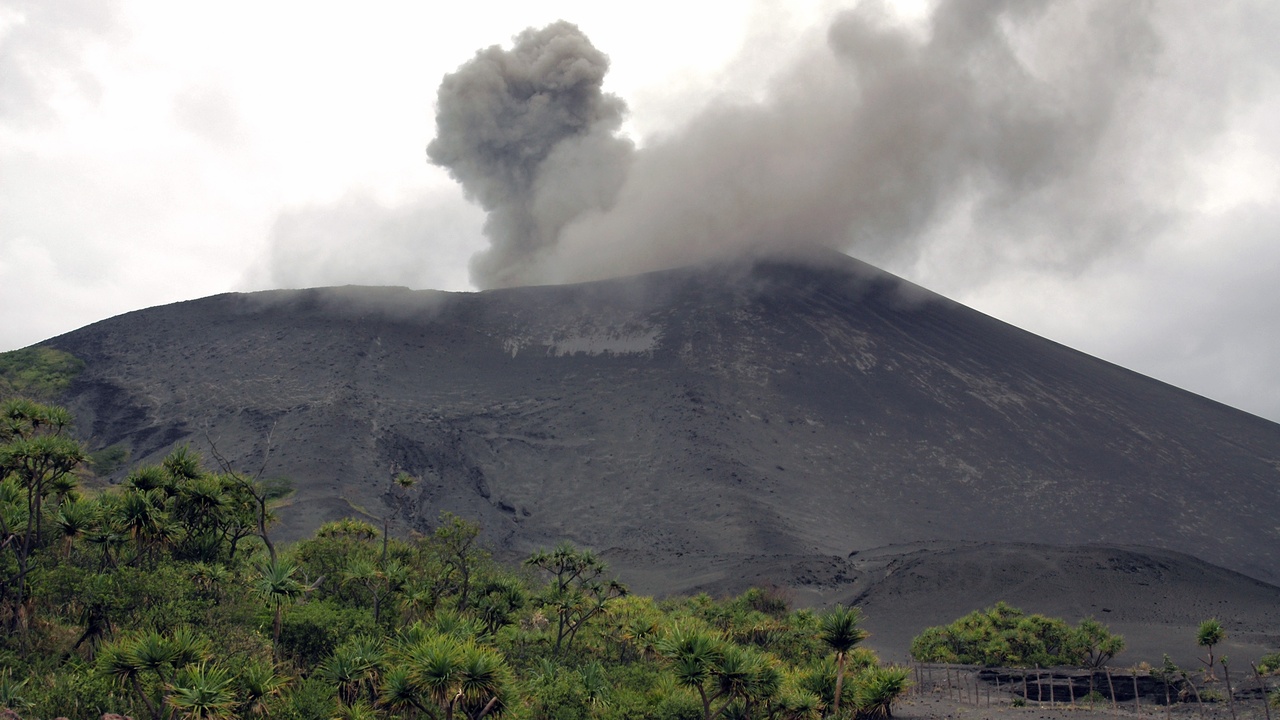
Mount Yasur on Tanna is famous for frequent Strombolian-style eruptions that visitors can safely watch from a ridge with experienced local guides.
Yasur has been erupting for centuries and sits a short domestic flight or overnight boat ride from Port Vila (Efate). Day-trip operators run guided visits that include safety briefings, ranger support and ranger-fee contributions to communities, and the volcano is a popular subject for photographers and documentary crews.
Scientists value Yasur because its persistent, observable activity makes it an accessible natural laboratory for studying volcanic gas emissions and eruption dynamics — while communities on Tanna benefit from visitor spending and employment in tour services.
2. Coral reefs and world-class diving (including shipwrecks)
Vanuatu’s reefs and wreck dives rank among the South Pacific’s best, and Espiritu Santo — around Luganville — is the dive hub for many operators.
The SS President Coolidge wreck off Santo is a standout: a large, diveable WWII liner lying in relatively shallow water (many passages and decks accessible between 20–60 metres depending on the route). Dozens of PADI-certified shops run guided dives, and snorkelling sites closer to shore showcase healthy coral mosaics and reef fish.
Community-led marine protected areas and partnerships with conservation NGOs help sustain fish stocks and reef health, and dive tourism directly supports boat crews, instructors and guesthouse owners in towns such as Luganville.
3. Beaches, surfing and low-impact eco-tourism
Across the roughly 80 inhabited islands there are secluded white-sand beaches, reef breaks for intermediate surfers and a growing number of community-run eco-lodges that prioritise small-group stays.
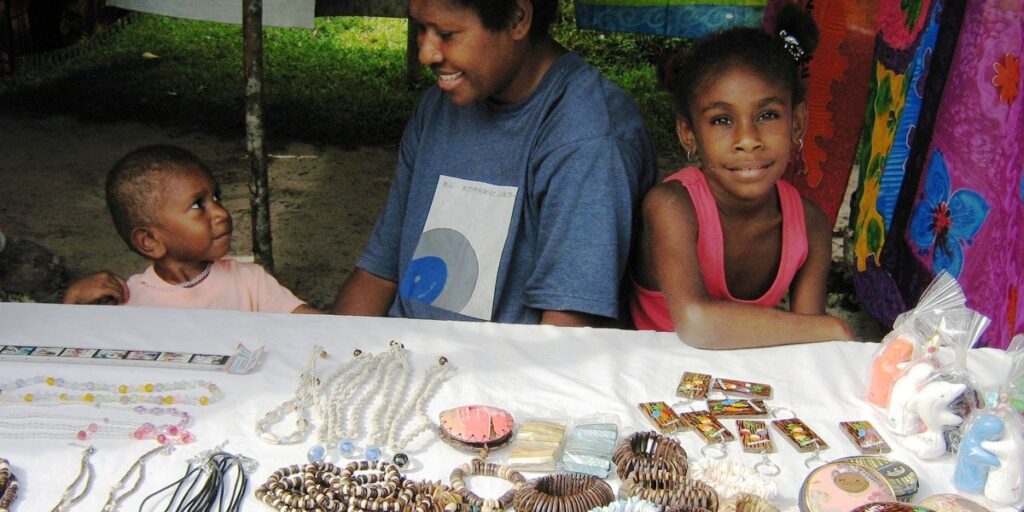
Surf spots around Malekula and Pentecost attract visiting surfers during seasonal swells, while Efate and outer islands offer beach-based stays, village homestays and guided reef walks. Smaller-scale tourism means visitor spending tends to reach local households through food, boat hire and handicraft purchases.
Choosing low-impact accommodation and hiring local guides help preserve the shoreline and channel benefits back to villages that manage customary land and marine tenure.
Living traditions and cultural identity
Vanuatu’s kastom — the set of customary laws, rituals and social forms — underpins daily life on many islands. The country’s extraordinary linguistic diversity (about 110 indigenous languages) and strong chiefly systems mean customs vary from place to place, and cultural practices are central to tourism, education and community governance.
For visitors, these living traditions offer meaningful encounters: guided village visits, performances and ceremonies provide income while reinforcing local pride and cultural transmission.
4. Land diving (Naghol) on Pentecost — a rite that inspired bungee jumping
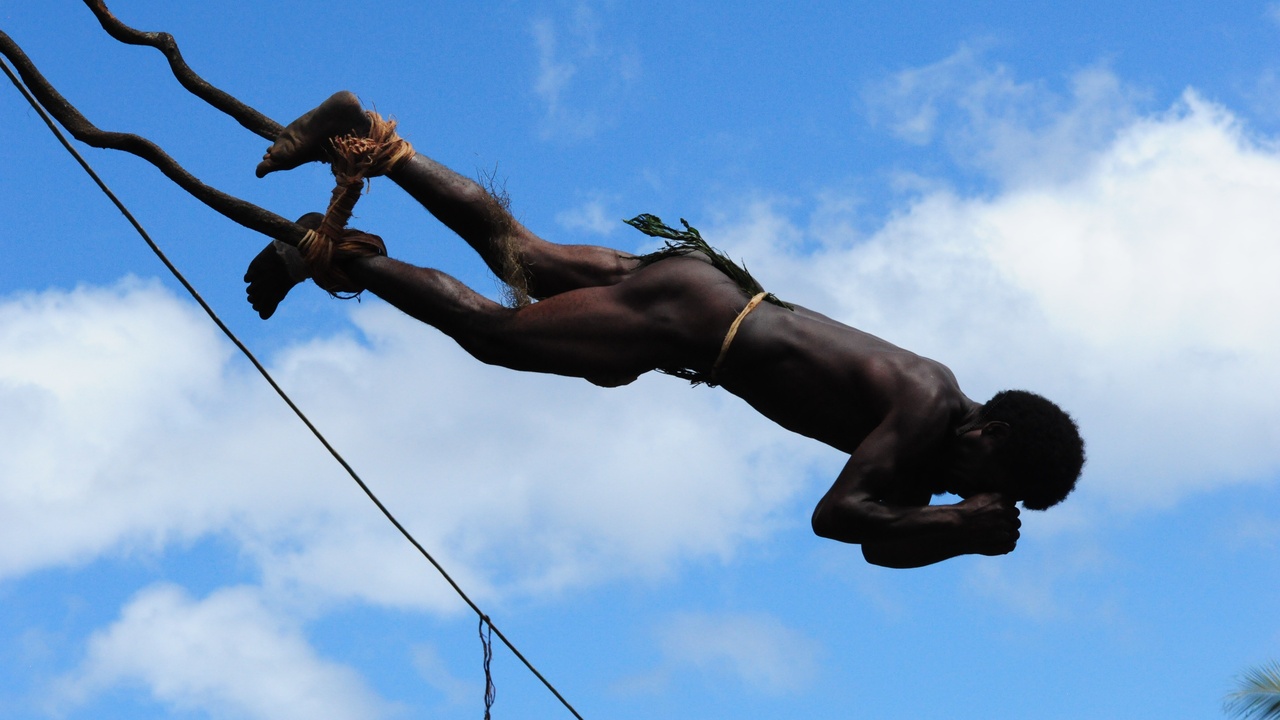
Pentecost’s land diving, known locally as naghol, is a harvest ritual in which men jump from wooden towers with vines tied to their ankles — a ceremony closely tied to yam cultivation and community wellbeing.
The ritual usually runs in the harvest window from roughly April to June, and tower heights are commonly about 20–30 metres. Tour groups visit Pentecost during the season under village arrangements that provide stipends or fees to hosts, and village protocols guide spectator behaviour to keep the ceremony authentic and respectful.
Visitors should follow local instructions, avoid touching ceremonial objects without permission and prioritise community-led experiences that return money and agency to kastom custodians.
5. Kastom, chiefs and more than 100 languages — resilient cultural diversity
Vanuatu is often cited as the most linguistically dense country on Earth, with around 110 indigenous languages across its islands, concentrated in small communities and village networks.
Kastom and chiefly authority remain influential in land tenure, dispute resolution and ritual life, and the legacy of colonial-era administration shaped the hybrid legal and educational landscape that led to independence on July 30, 1980.
These cultural systems affect development choices: language preservation efforts, mother-tongue schooling initiatives and tourism that supports traditional artisanship are all practical outcomes of Vanuatu’s deep cultural diversity.
Food, history and modern island life
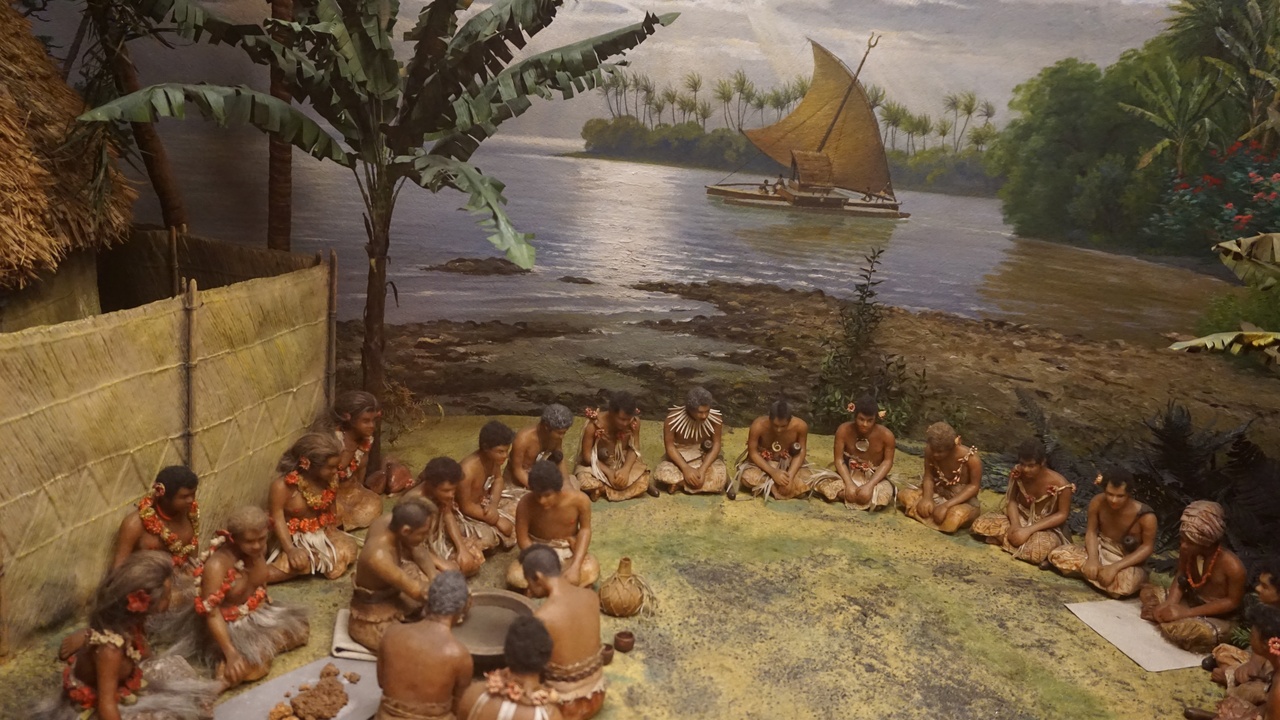
Daily life in Vanuatu blends subsistence agriculture, cash crops and markets with a vibrant social scene centred on kava circles and village gatherings. Agriculture (copra, root crops) and tourism together underpin many household incomes, while historical layers — including WWII infrastructure and the British–French condominium era — shaped the islands’ towns and transport nodes.
Climate extremes like Cyclone Pam (March 2015) — which affected roughly 166,000 people — underscore how modern island life must balance tradition, economic opportunity and resilience-building.
6. Kava — the ubiquitous ceremonial drink and an economic crop
Kava (called sakau in parts of the archipelago) is central to social life: it lubricates introductions, marks ceremonies and structures community discussion in village nakamals and urban kava bars.
As a cash crop and export, kava supports smallholder incomes and regional trade, and visitors are often invited to share a kava circle as a cultural introduction. There are regulatory and health discussions internationally about kava, but in Vanuatu it remains a widely accepted social staple and tourism touchpoint.
7. WWII and colonial history — Espiritu Santo’s wartime legacy and the condominium past
Vanuatu’s modern infrastructure and some tourism sites derive from its WWII role and earlier condominium rule. Between 1942 and 1945, Espiritu Santo hosted a large US military presence, creating airstrips, bases and ship anchorages that left wrecks and artifacts.
The SS President Coolidge wreck, for example, draws divers and researchers to Santo, while remnants of wartime roads and airfields still influence contemporary transport routes. Before independence in 1980, the islands were jointly administered by Britain and France, a history reflected in language mixtures and legal practices.
Those historical layers help explain why researchers, history buffs and divers visit Espiritu Santo as part of broader cultural and natural itineraries.
Summary
- Vanuatu blends dramatic natural features (Mount Yasur, reef wrecks) with living traditions like Pentecost land diving and village kastom.
- Deep cultural richness — about 110 indigenous languages and strong chiefly systems — shapes land, education and tourism practices.
- Kava circles, WWII-era sites on Espiritu Santo and small-scale eco-tourism sustain livelihoods while inviting respectful visitor engagement.
- Climate and hazard risks are real (Cyclone Pam, March 2015, affected ~166,000 people), so resilient tourism and community support matter.