Port of Spain’s Queen’s Park Savannah once hosted concerts and parades that helped shape modern Carnival culture, a scene of color and noise that still draws visitors each year.
Walk the edge of that grass at dawn and you’ll hear practice brass bands warming up, smell frying dough from a vendor, and picture the floats that filled the park—everything that makes Trinidad feel immediate and alive.
If you’re hunting for cool things to do in Trinidad, you’ll find a compact island where beaches, rainforests, extraordinary wildlife and world-class food are all reachable within short drives of Port of Spain.
Plan with the season in mind (Carnival peaks the Monday and Tuesday before Ash Wednesday), book a few guided tours for wildlife or geology trips, and expect to rely on rental cars or local guides for the quickest access to highlights.
Beaches & Natural Attractions
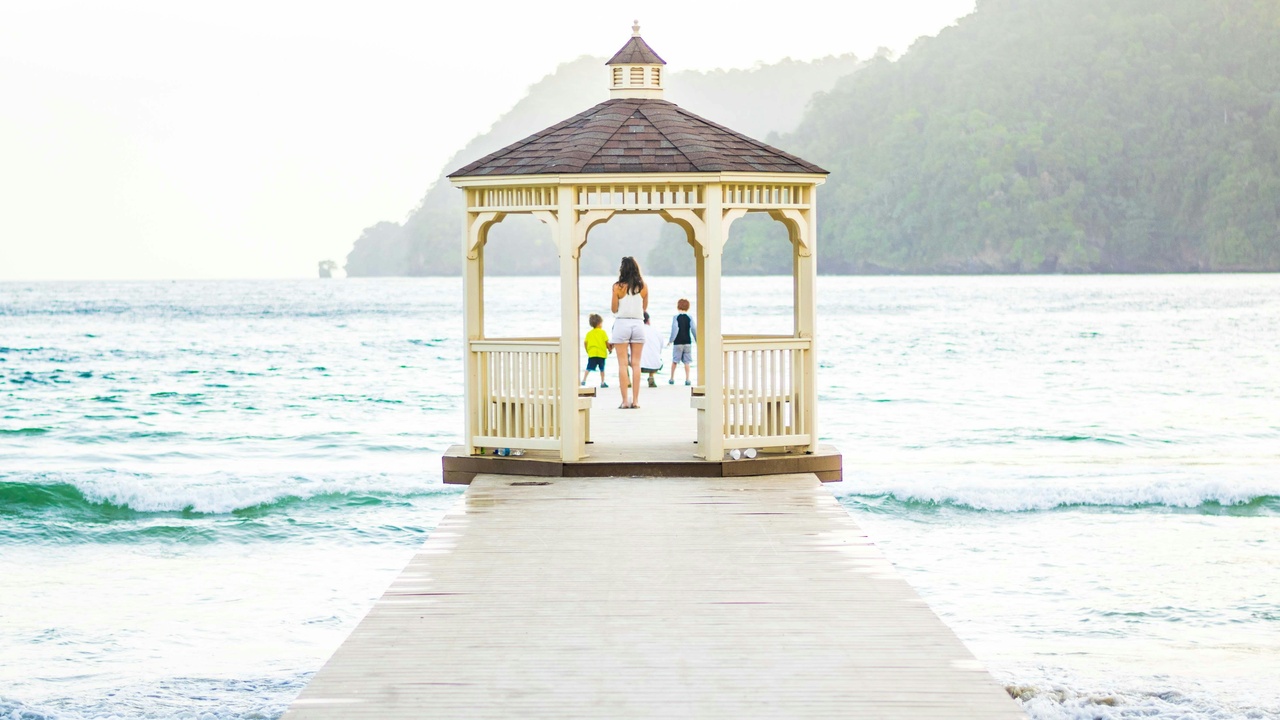
Trinidad’s outdoors are surprisingly varied and easy to reach from the capital—short drives put you at palm-fringed beaches, mangrove wetlands and montane rainforest without the long transfers you find on bigger islands.
That accessibility means you can mix a morning of birdwatching, an afternoon on sand and an evening boat ride in a single day if you plan sensibly and hire local guides who know the best times and routes.
Best times: early morning for active birds in the forest and wetlands, late afternoon for mangrove sunset tours, and mid-afternoon for beach swims and vendors; transport options include a rental car, taxi day hires, or organized tours from Port of Spain.
1. Relax at Maracas Bay and try bake and shark
Maracas Bay is the island’s most famous public beach—about 30 km (roughly 19 miles) from Port of Spain—an easy coastal drive that opens onto a wide crescent of sand backed by coconut palms.
Vendors line the sand selling the iconic bake and shark: fried bara (a soft, pillowy flatbread) stuffed with seasoned fried shark, then topped with chutneys, pepper sauce, shredded lettuce and lime.
Expect a lively weekend scene; go on a weekday morning or head to nearby Las Cuevas for a quieter stretch. Bring cash for the stalls, pack sunscreen, and watch posted surf advisories—the ocean can run strong.
2. Spot the scarlet ibis at Caroni Bird Sanctuary
Caroni is a mangrove wetland a short drive south of Port of Spain, famous for its evening roosts of scarlet ibis that sometimes arrive in flocks numbering in the thousands at sunset.
Tours usually leave in the late afternoon: a small boat threads through narrow channels while guides point out herons, egrets and the brilliant ibis as the sky deepens—bring insect repellent and a telephoto lens or binoculars for the best views.
These guided trips are central to local ecotourism, supporting boat operators and village communities while giving visitors a front-row seat to one of the island’s most memorable wildlife shows.
3. Hike the Northern Range and visit Asa Wright Nature Centre
The Northern Range rises within a short drive from the capital and offers quick-access rainforest and excellent birdlife; Trinidad boasts more than 400 recorded bird species island-wide.
Asa Wright Nature Centre is a premier spot for birdwatchers—gardens with feeding stations attract hummingbirds, tanagers and toucans, while guided walks on nearby trails can reveal oilbirds and other rarities.
Trails can be steep and muddy after rain, so wear sturdy shoes, go in the morning when activity peaks, and reserve guided walks in advance to get the most from your visit.
Culture, Food & Nightlife
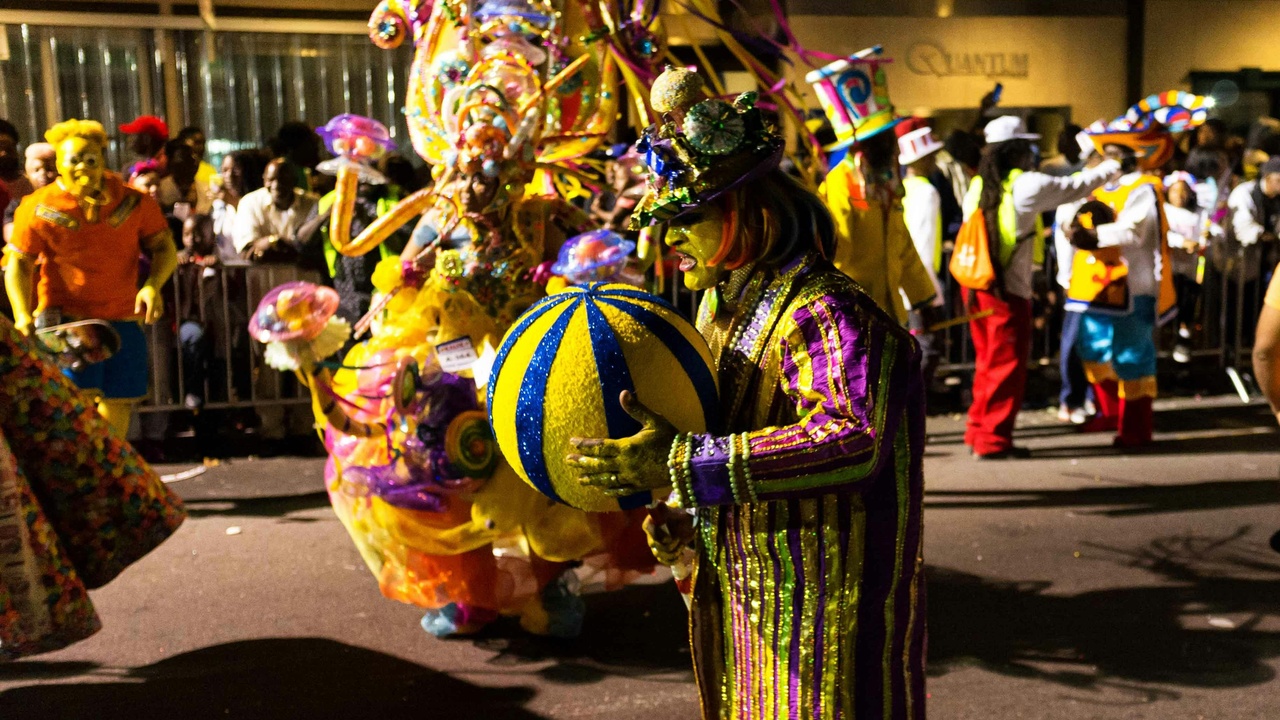
Trinidad’s cultural identity is vivid: Carnival, calypso and soca, the steelpan, and a street-food scene shaped by African, Indian, European and Chinese influences.
Among the cool things to do in Trinidad, attending a steelpan show or standing in line for a morning doubles are as immersive as a parade—both give you a direct, flavorful sense of local life.
Carnival is seasonal, but live music, steelband performances and neighborhood fetes happen year-round, so you can catch authentic sounds and food even if your trip doesn’t coincide with the big festival.
4. Experience Carnival or local festivals year-round
Carnival culminates on the Monday and Tuesday before Ash Wednesday (usually February or March) and draws hundreds of thousands of participants and visitors across the season.
Expect parades, elaborate costumes, nonstop soca and calypso on the roads, and hundreds of mas bands—buy mas band tickets ahead if you want to join a group on the road and follow local safety advice on crowded nights.
Off-season, look for Panorama steelband competitions, weekend fetes and community parang at Christmas—smaller events provide a lively, less frenetic taste of festival culture.
5. Taste Trinidad’s street food: doubles, roti, and more
Food is a main reason many visitors return: doubles (curried channa between two pieces of bara), roti filled with curried meats or vegetables, and pholourie fritters are daily staples at street stands and markets.
Look for busy morning stalls in Port of Spain, St. James and San Fernando—vendors with a steady line tend to have the best turnover and freshness. Carry cash, and ask about spice levels if you have dietary limits.
The flavors are bold—coconut, tamarind, chadon beni (culantro), and pepper sauces—and the scene is as social as it is delicious: grab something from a stand and eat where locals do for the best experience.
Unique Sites & Day Trips
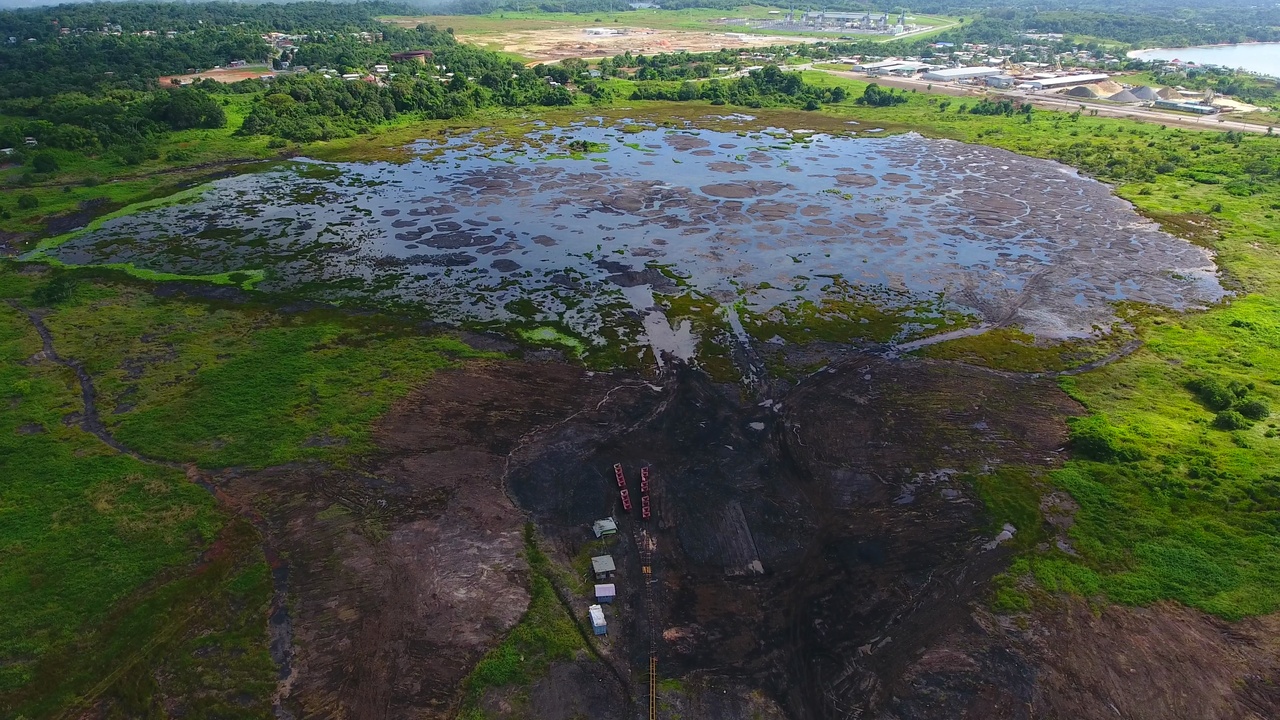
Short day trips reveal some of Trinidad’s most unusual attractions—geological oddities, a boating hub with wildlife outings, and market towns that show everyday island life.
These trips are easy to arrange by car or through local operators, and they offer distinct moods: otherworldly landscape at the Pitch Lake, relaxed coastal life in Chaguaramas, and bustling commerce in towns like San Fernando.
6. Explore the Pitch Lake at La Brea
The Pitch Lake at La Brea is the world’s largest natural deposit of asphalt, covering around 100 acres and creating a surreal, tar-streaked landscape that feels almost lunar.
Guided walks cross firmer areas while guides explain the geology, point out bubbling spots and describe how the pitch has been used by local artisans for crafts and by industry for road materials.
Follow your guide’s instructions closely—avoid soft patches, wear sturdy shoes that you don’t mind getting a little stained, and bring water; the mix of smell, heat and texture is an unforgettable contrast to the island’s beaches.
7. Sail, spot dolphins, or hike in Chaguaramas
Chaguaramas, at the island’s western tip, is Trinidad’s main boating and outdoor recreation area, with options for day sails, dolphin and seabird spotting in the Gulf of Paria, and coastal hikes.
Operators offer half-day and full-day excursions; morning and late-afternoon trips tend to yield the best chances for dolphin sightings and calmer seas for photos.
On land, the Chaguaramas Boardwalk, old military sites and short coastal trails make for relaxed exploration that contrasts nicely with city sightseeing and festival crowds.
Summary
- Trinidad packs beaches, wildlife-rich wetlands and unique geology into short drives from Port of Spain—easy to mix and match for a short trip.
- Plan timing around wildlife activity (morning birding, sunset ibis roosts) and Carnival’s peak days (the Monday and Tuesday before Ash Wednesday).
- Book guided tours for richer, safer experiences at Caroni, Asa Wright and the Pitch Lake; guides also support local communities.
- Pick a simple trio for a quick stay: one beach (Maracas or Las Cuevas), one cultural moment (a steelpan show or morning doubles), and one day trip (Pitch Lake or Chaguaramas cruise).
- Bring binoculars for birding, cash for street vendors, sturdy shoes for hikes and the Pitch Lake, and a camera for unforgettable sunsets and wildlife.