
In 2015 Tucson became the first U.S. city named a UNESCO City of Gastronomy — a surprising honor for a desert city with deep culinary roots.
If you like wide skies and saguaros or prefer museums and late-night food stalls, Tucson has both. Outdoor lovers can cross from cactus flats to pine-lined peaks in under an hour. Culture and food travelers will find 4,000 years of human history, Spanish colonial sites and an acclaimed restaurant scene. Tucson blends Sonoran Desert landscapes, Spanish colonial history, world-class stargazing and an acclaimed food scene; here are eight standout ways to experience the city that make it one of the Southwest’s must-visit destinations.
The picks are grouped into three short sections — outdoor adventures, cultural & historical experiences, and food, nightlife & local events — so you can plan by mood or time.
Outdoor Adventures
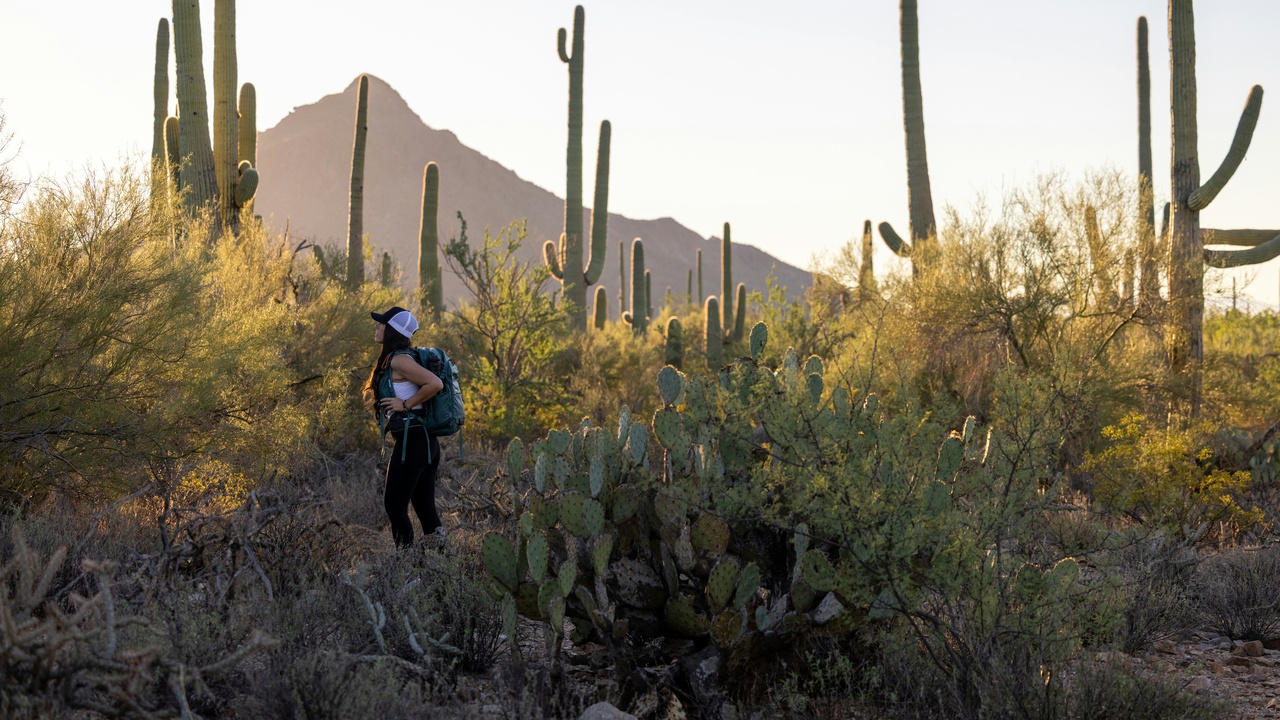
Tucson’s location at the edge of the Sonoran Desert makes outdoor activities both immediate and varied. Saguaro National Park alone covers roughly 91,000 acres, while nearby peaks change the scene dramatically. Trails and scenic drives sit minutes from downtown, and you can hike by day and join guided stargazing programs at night.
1. Hike Saguaro National Park
Saguaro National Park showcases the iconic saguaro and comes in two districts that flank Tucson: the Rincon Mountain (East) and the Tucson Mountain (West) districts.
The park protects tens of thousands of saguaros across roughly 91,000 acres and gained national park status in 1994. Trails are accessible and varied; try the Valley View Overlook for a short, photogenic loop in the West, or the Freeman Homestead Loop for a quiet, interpretive walk in the East.
Visit in fall through spring for milder temperatures, and see what to pack for Arizona for the desert heat and sun. Carry at least a liter of water per hour of hiking, wear sun protection, and avoid midday summer hikes. From downtown, plan easy half-day trips — 20–30 minutes to many trailheads — and expect soft, warm light at sunrise and dramatic silhouettes at sunset for photographers.
2. Drive or Ski the Mount Lemmon Scenic Byway
The Mount Lemmon Scenic Byway climbs roughly 27 miles from the desert floor to an alpine summit in under an hour without stops. The summit reaches about 9,157 feet, so the landscape shifts from cacti to juniper and pine.
Stops worth a stretch include the tiny village of Summerhaven (good for snacks and views) and the Marshall Gulch trailhead for family-friendly hikes. In summer you’ll cool off; in winter you can find snow play and limited skiing at higher elevations.
Bring layers — temperatures can swing dramatically — and check road conditions before you go. The byway takes roughly 45–60 minutes without stops, so plan time to pull over at scenic overlooks and to explore short trails off the main road.
3. Go Stargazing at Kitt Peak or Local Dark-Sky Spots
Southern Arizona offers some of the best night skies in the continental U.S., and Kitt Peak National Observatory is a premier option for public observing.
Kitt Peak sits on a ridge southwest of Tucson and hosts more than 20 optical telescopes on the summit. The observatory runs evening public programs that often include guided telescope viewing and talks (program start times vary by season; many begin after sunset).
If you prefer something closer to town, seek low-light spots on the west side or join a guided night-sky outing on Mount Lemmon. Check the moon phase, wear warm layers, and bring a red flashlight to preserve night vision.
Cultural & Historical Experiences
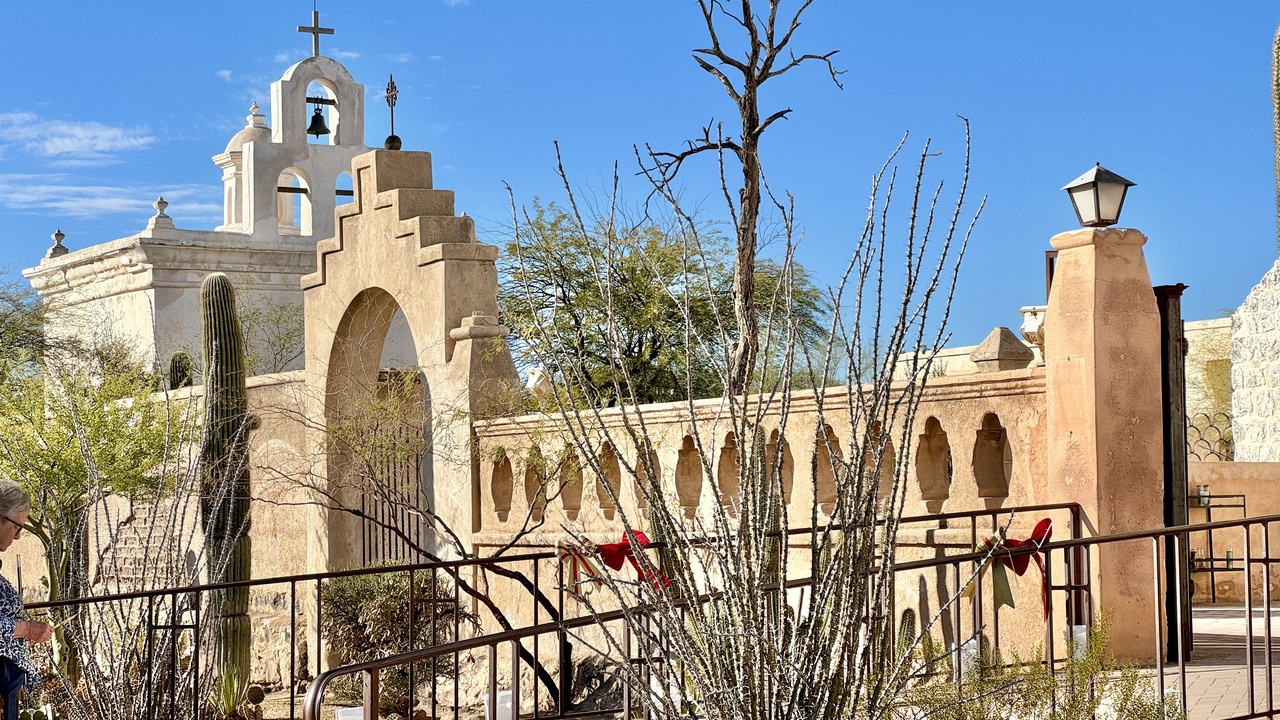
Tucson sits on more than 4,000 years of regional human history. Indigenous cultures, Spanish colonial settlement and modern multicultural influences are visible in missions, barrios and museums across the city. Visit respectfully — many sites are sacred — and look for architectural highlights that date back centuries.
4. Visit Mission San Xavier del Bac (The White Dove of the Desert)
Known as the White Dove of the Desert, Mission San Xavier del Bac is a late-18th-century Spanish colonial church built roughly between 1783 and 1797. Its white facade and ornate baroque interior make it one of Arizona’s most-photographed historic sites.
Inside you’ll find carved altarpieces and vivid murals that reflect a blend of Indigenous and Spanish influences. The mission sits about 10 miles south of downtown, a short drive, and offers guided tours and regular services.
Be mindful that this remains an active parish and sacred place. Visit with quiet respect and aim for late afternoon light for the best photos of the exterior.
5. Walk the Presidio and Barrio Viejo Historic Districts
The Presidio historic block marks the footprint of the Spanish fort, Presidio San Agustín del Tucson, and anchors a compact, walkable slice of downtown history.
Barrio Viejo lies nearby with narrow streets, colorful adobe homes and murals that chronicle local life. A short walking loop can start at the Presidio plaza, thread through Barrio Viejo and end at the Tucson Museum of Art, all within easy walking distance.
Look for guided history walks or use self-guided markers. Note that some sidewalks and streets are older and uneven; wear comfortable shoes and watch for shaded spots on hot days.
6. Explore Tucson’s Museums and Art Scene
Museums condense the region’s art, history and natural science into accessible visits. The Tucson Museum of Art highlights regional and contemporary works, including rotating exhibits that change several times a year.
The Arizona-Sonora Desert Museum is a hybrid zoo, botanical garden and natural history museum with living exhibits that showcase hundreds of species of plants and animals native to the Sonoran Desert. Expect interpretive displays, raptor shows and desert-adapted wildlife.
Plan 2–3 hours for a solid visit to either site, and consider family-friendly programming at the Desert Museum for kids. These stops give quick, informative snapshots of Tucson’s cultural and natural story.
Food, Nightlife & Unique Local Events

Tucson’s UNESCO City of Gastronomy title (2015) matters because the city treats food as place-making: local crops, borderland traditions and community markets shape the dining scene. Evenings bring live music, night markets and casual taco stands. Time your visit if you want to catch major events like the February gem show.
7. Eat Your Way Through Sonoran Cuisine
Tucson’s food scene is grounded in Sonoran and Mexican traditions, officially recognized by UNESCO in 2015. Try signature items such as the Sonoran hot dog (wrapped in bacon and loaded with toppings), carne seca and locally made tamales.
Good neighborhoods for bites include downtown, the Mercado San Agustín and the Fourth Avenue corridor. Hit taco stands for quick, inexpensive meals and seek out contemporary Sonoran kitchens for dinner. Don’t skip breakfast burritos — they’re a local staple.
Many great meals are casual and wallet-friendly. Visit farmers markets for seasonal produce and rustic regional cheeses, and ask locals for their favorite hole-in-the-wall spots — you’ll often be rewarded.
8. Time a Visit for a Unique Event: Gem Show or Night Markets
Tucson hosts annual events that transform the city. The Tucson Gem and Mineral Show in February draws tens of thousands of visitors and spreads across multiple venues, from hotel ballrooms to outdoor tents.
Seasonal night markets, Fourth Avenue street fairs and outdoor concert series also pop up through spring and fall. If you plan for February, book lodging well in advance and expect busy streets and higher rates.
Use public transit or event shuttles where possible, arrive early for popular exhibits, and plan a mix of scheduled events and relaxed neighborhood exploring to avoid burnout during busy weeks.
Summary
Tucson rewards visitors who mix a little of everything: hike iconic cactus forests, climb to cool mountain pines, tour historic missions and eat like a local. Remember a few surprising facts as you plan — Tucson earned UNESCO gastronomy status in 2015, Mount Lemmon tops out near 9,157 feet, and Kitt Peak hosts more than 20 optical telescopes — then pick a balanced short itinerary.
- Combine an easy Saguaro hike with an evening Kitt Peak program for a true day-to-night Arizona experience.
- Choose one outdoor activity (Saguaro or Mount Lemmon), one cultural stop (Mission San Xavier or Presidio/Barrio Viejo), and one food or event to focus your trip.
- Book early for February events like the Tucson Gem and Mineral Show (tens of thousands attend), and bring layers for Mount Lemmon’s 9,157-foot summit.
- Respect sacred sites and desert ecosystems: stay on trails, carry water, and leave no trace while enjoying local hospitality.
If you’re researching cool things to do in Tucson, start by choosing 2–3 items from the list and build a relaxed, memorable itinerary around them.