In the early 1980s, local surfers organized to protect Malibu’s waves and helped found the Surfrider movement — a grassroots moment that helped put Malibu on the map as a place where outdoor culture and coastal preservation meet.
Malibu is often thought of for celebrity sightings, but the real draw is a compact playground of dramatic coastline, farm-to-table dining, short hikes and cultural sites. It’s about accessible outdoor adventure and memorable meals with ocean views roughly 30 miles northwest of LAX; average year-round temps sit in the mid-60s°F. This piece lists eight curated activities that showcase that mix — from classic surf breaks to short ridge walks, oceanfront restaurants and scenic drives. Pick a couple of these options and you’ll leave with a clearer sense of why locals treasure these coastal experiences in Malibu: beaches & surf, trails & viewpoints, dining & wine, and culture & scenic drives.
Beaches & Surfing
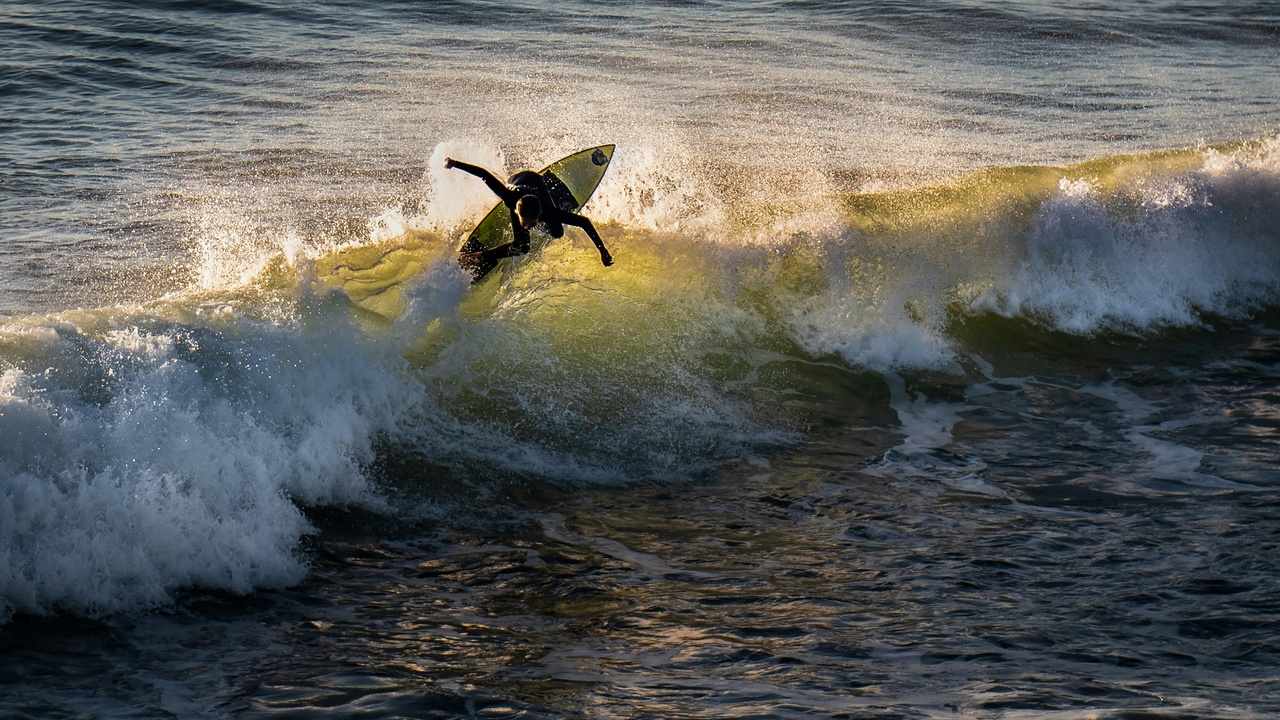
Surf culture is woven into Malibu’s identity: the longpoint at Surfrider helped inspire organized wave protection and the broader Surfrider Foundation in 1984. The coastline offers both point breaks that favor longboards and broad sandy stretches for family days; you can move from a peeling line to a wide beach in minutes. Whale migration runs roughly December–April, offering shore-based sightings when conditions are calm. Parking is limited at popular spots, so aim for early light to find spaces and quieter lineups. Basic safety matters here—watch for rip currents, obey lifeguard flags, and note posted lifeguard hours at major beaches.
1. Surf at Surfrider Beach
Surfing Surfrider is as much about history as it is about waves: its long, peeling point breaks made it a hub for longboarders and local activism (the Surfrider Foundation traces roots to this era in 1984). The break favors S–SW swells and smooth, drawn-out rides—perfect for longboards and cruisy style. Expect the busiest lineups at mid-morning; early mornings (sunrise) are usually less crowded and better for photos.
If you’re new to surfing, book a lesson with a local school—shops like Malibu Surf Shop and Zuma Beach Surf Rentals offer lessons and board rentals—while experienced riders should respect lineup etiquette and check tide charts: incoming tides can tighten the peak. Lessons typically run 1–2 hours and rentals start around $25–40 for a half day.
2. Sun, sand, and families at Zuma Beach
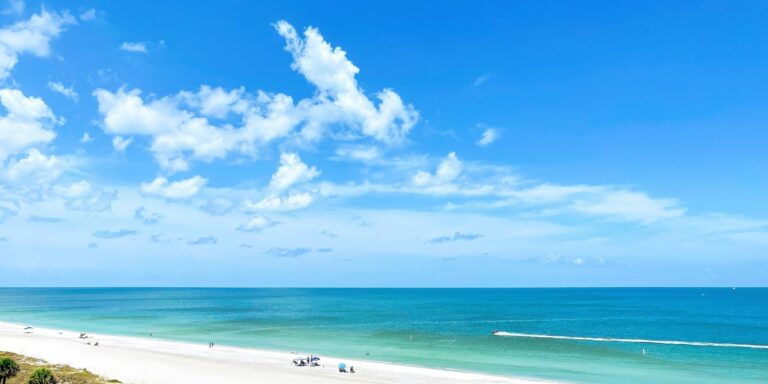
Zuma Beach is the go-to for wide sand and family-friendly amenities — the stretch is about 1.8 miles long and has ample space for volleyball, picnics and long walks. Lifeguards are routinely on duty at main access points, and facilities include restrooms and outdoor showers. Parking fills up on summer weekends, so arrive early (before 10 a.m.) to secure a spot and beat crowds.
Low tides expose sandbars and small tide pools; for whale watching, scan the horizon between December and April during calm days. End-of-day sunsets are dramatic here (sunset windows are around 6–7 p.m. in summer), making Zuma a perfect picnic or evening stop.
Trails, Viewpoints & Short Hikes
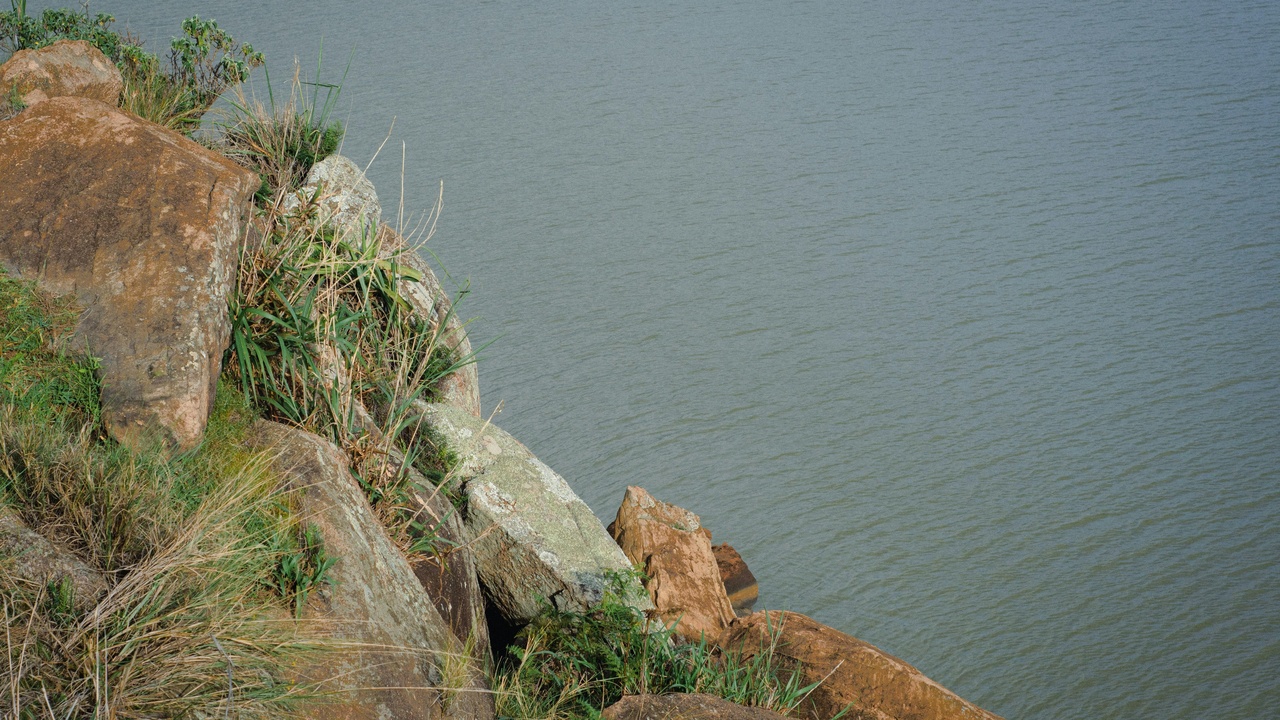
Malibu packs punchy viewpoints and short hikes that deliver big coastal panoramas without a long commitment—many popular loops take 30–60 minutes. Options range from bluff-top strolls to shaded canyon paths and ridge lines; trailheads often have small parking lots, so plan for a 20–30 minute walk from overflow parking in peak season. Coastal microclimates matter: it can be 10–20°F cooler on the bluffs than inland on the same day, so bring layers.
Highlights include headland lookouts, waterfall walks and easy beach access—all family-friendly with a few spots that require sure footing. If you want a longer challenge, Malibu Creek State Park offers multi-hour routes, but most visitors opt for short, high-reward outings.
3. Walk the Point Dume cliffs and beaches
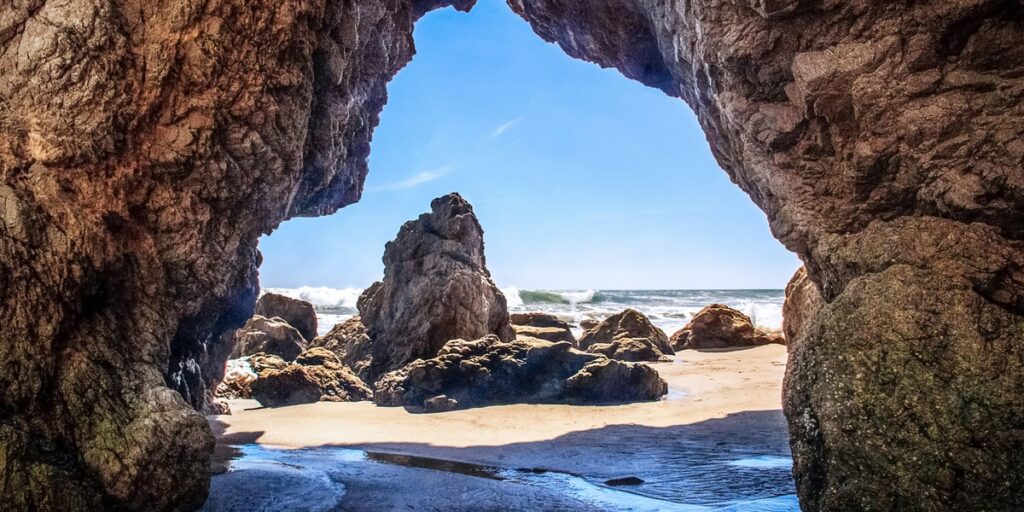
Point Dume’s cliffs offer dramatic views and accessible tide pools at the beach below; the headland walk is roughly 1 mile roundtrip if you wander the bluffs and return via the beach stair access. Park in the small Point Dume lot or the nearby street parking and expect it to fill by mid-morning on weekends.
Low tide reveals pools full of small marine life—plan a morning visit around the low-tide window for exploring. Keep an eye out for shorebirds and the occasional seal offshore, and pick a cliff-top lookout for classic photos of the coastline.
4. Hike to Escondido Falls or Solstice Canyon
Escondido Falls rewards hikers with layered cascades; reaching the upper falls is about a 3.8-mile round trip with modest elevation gain, and the lower falls are a shorter option. Solstice Canyon is a gentler, shaded loop near the coast with ruins, a shaded creek and a small waterfall—expect under 2 miles for the main loop.
Both trails show their best water flow after winter rains (so plan visits in late winter or spring for the fullest waterfalls). Parking at trailheads can be limited; arrive early and wear sturdy shoes as some sections show erosion and uneven footing.
Food, Wine & Coastal Dining
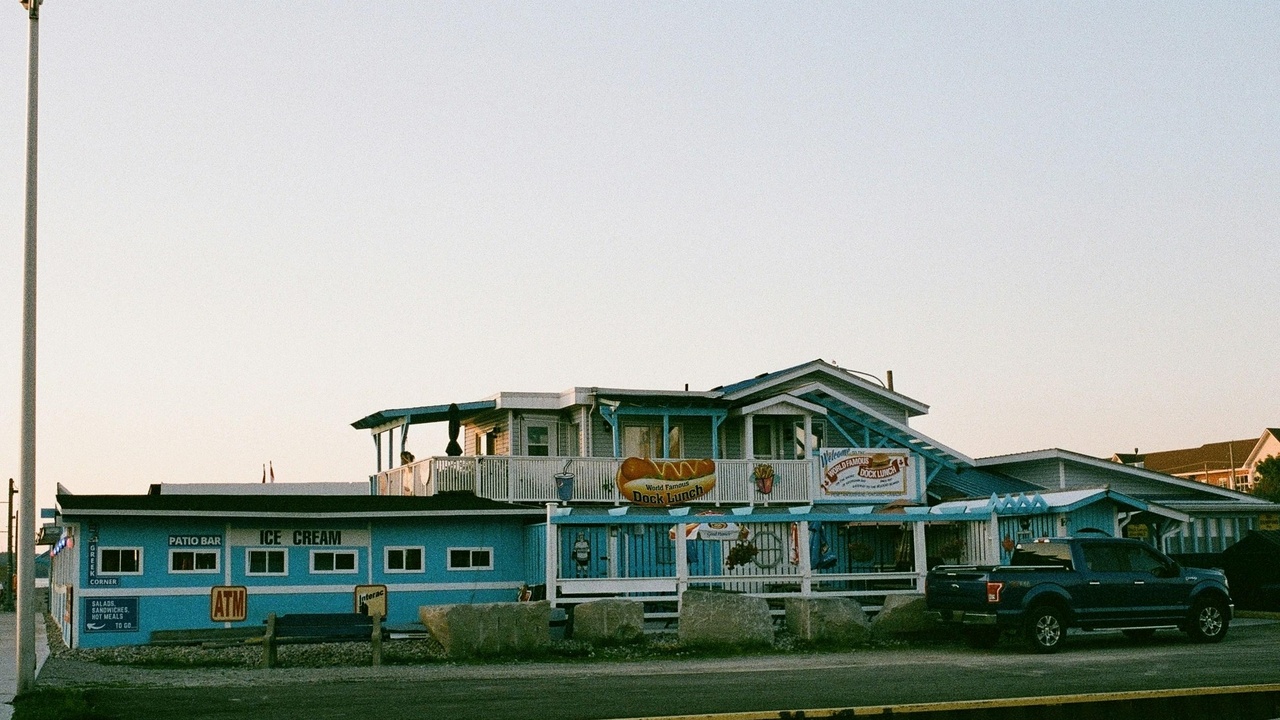
Dining in Malibu ranges from casual pier cafés to high-end oceanfront restaurants focused on seafood and farm-to-table produce. Casual lunches and cafés generally run $15–35 per person, while multi-course fine-dining dinners often start $75–150+ per person. Reservations are wise for weekend dinners and sunset times; lunchtime can be the best window for unobstructed sea views and quicker seating.
Local producers and small-batch vintners influence menus, and the dining scene leans heavily on fresh, seasonal seafood and vegetables. For tasting experiences, look for local wine events or small producers who pop up at markets and tasting rooms nearby.
5. Lunch or dinner at Malibu Farm on the Pier
Malibu Farm serves fresh, local fare right on the pier with uninterrupted sea views—think seasonal salads, grilled local fish and simple farm plates (sample seasonal heirloom tomato salads or a market fish special). Lunch tends to be more casual and priced around $20–35, while dinner can run higher and may require a wait if you haven’t booked.
For the best photos and light, aim for late afternoon seating before golden hour. The pier setting is kid-friendly and doubles as a great spot for a pre- or post-meal walk along the water.
6. Splurge at a seaside dinner — Nobu or similar
For a special night, oceanfront fine dining like Nobu Malibu delivers the full-package experience: chef-driven seafood, refined presentations and an ocean backdrop. Multi-course dinners and omakase seating can put you in a $150+ per person range, so reserve well in advance—weekend tables often book weeks ahead.
If you want the ambiance without the price tag, consider sunset cocktails at a nearby hotel bar or an upscale beach lounge for similar views and fewer reservation constraints.
Culture, Scenic Drives & Relaxation
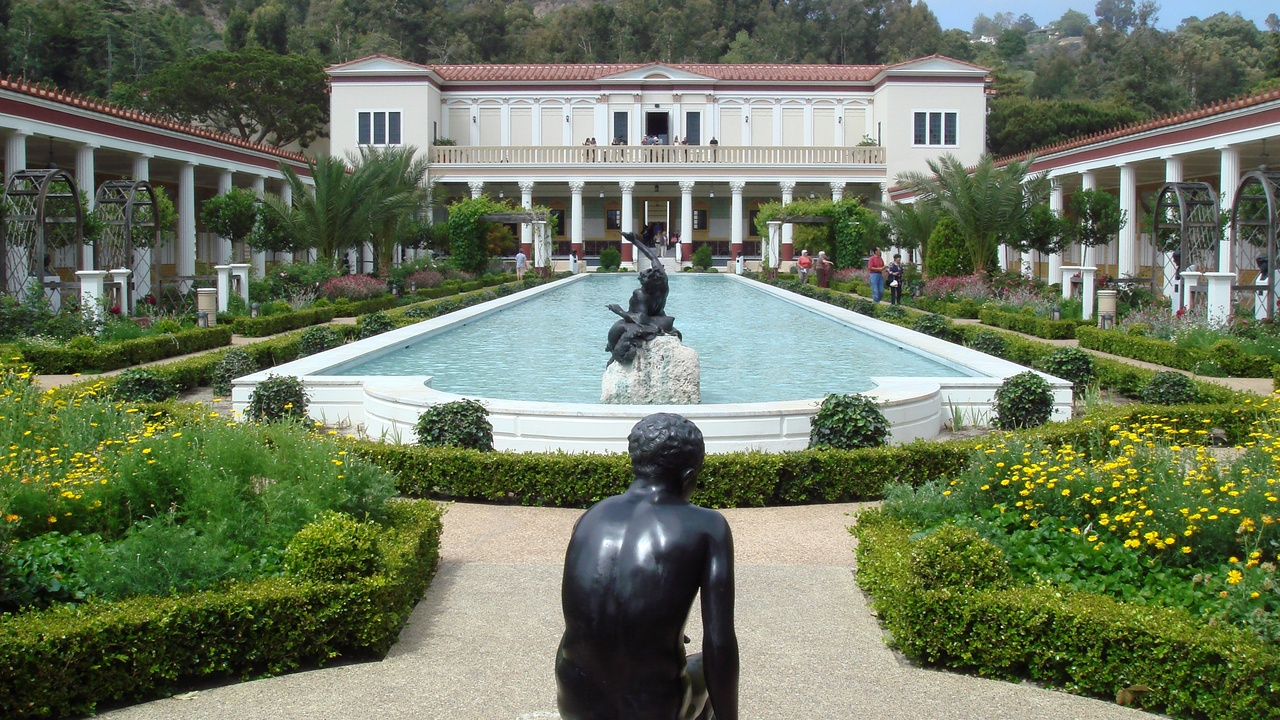
Beyond beaches and food, Malibu offers cultural stops, scenic driving and low-key shopping for a relaxed half-day. The Getty Villa and Adamson House bring art and regional history; PCH (Pacific Coast Highway) is an iconic route with pullouts for photos; and Malibu Country Mart provides boutique shopping and cafés for a slow afternoon. On summer weekends the PCH can slow to a crawl—expect travel times to vary widely, from 20 minutes between local points up to an hour-plus when traffic is heavy.
Plan museum visits with timed-entry tickets and combine a cultural stop with lunch and a short beach walk to make the most of a half-day outing.
7. Visit the Getty Villa and Adamson House
The Getty Villa houses ancient Mediterranean art and curated gardens; it originally opened in 1974 and was rebuilt and reopened in 2006 with a timed-entry ticketing system—expect to spend 1–2 hours exploring galleries and gardens. Adamson House showcases exquisite tilework and Malibu’s local history adjacent to Malibu Lagoon; it’s a compact visit that pairs well with a beach stop.
Both sites require planning: reserve timed tickets for the Getty Villa and check visiting hours for Adamson House. A practical half-day itinerary is a morning museum visit, a seaside lunch at the pier, then a short beach walk.
8. Scenic drive on Pacific Coast Highway and unwind at Malibu Country Mart
A drive on the PCH is one of the classic Southern California experiences—take it slowly, pull into designated turnouts for photos, and expect 20–40 minutes of driving time between key Malibu points depending on traffic. Good pullouts include overlooks near Point Dume and Zuma; never stop in unsafe spots.
Finish the drive at Malibu Country Mart for easy strolling, local shops, cafes and occasional celebrity sightings. It’s a tidy place to browse local goods, grab a coffee and then choose between a spa appointment, a beach nap or sunset cocktails to close the day.
Summary
- Pick a mix: one beach (Surfrider or Zuma), one short hike (Point Dume or Solstice Canyon), and one dining experience to get a full feel for Malibu in a short visit.
- Arrive early to beat parking crowds—plan for 20–30 minute walks from overflow lots during peak season and reserve dinner or timed-entry museum tickets in advance.
- Time trips seasonally: December–April is good for shore-based whale watching and late winter/spring brings the best waterfall flows after rains.
- Slow down on the PCH: allow extra driving time (20–60 minutes between points depending on traffic) and use designated pullouts for photos and wildlife viewing.