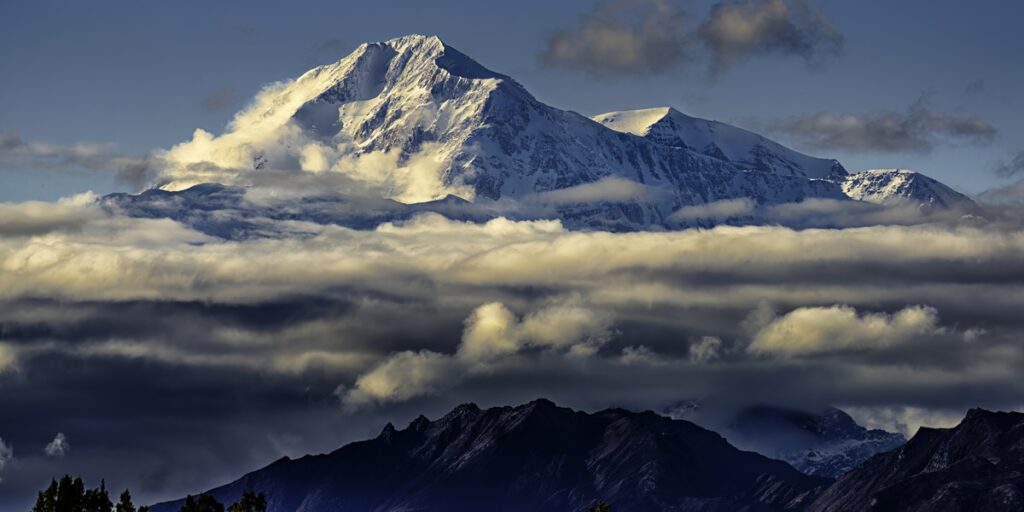
In 2015 the U.S. government restored the mountain’s official name to Denali—a recognition of the region’s Indigenous heritage that re-centered Alaska’s most famous peak. Denali National Park and Preserve covers roughly six million acres and was established in 1917; that scale is the first thing that changes how you plan a visit. The park’s spine is the roughly 92-mile Denali Park Road, and because private vehicles can only go a few miles past the entrance, most deep-park access depends on buses, guides, or small aircraft.
I remember a first morning on the Park Road when a moose fed in wet tundra just off the bus—people whispered, cameras clicked, and the bus driver grinned. This piece highlights seven curated Denali experiences—practical tips, seasonal notes, and safety reminders included—so you can pick a few high-value days and make them count.
Outdoor Adventures: Hit the Trails and the Sky
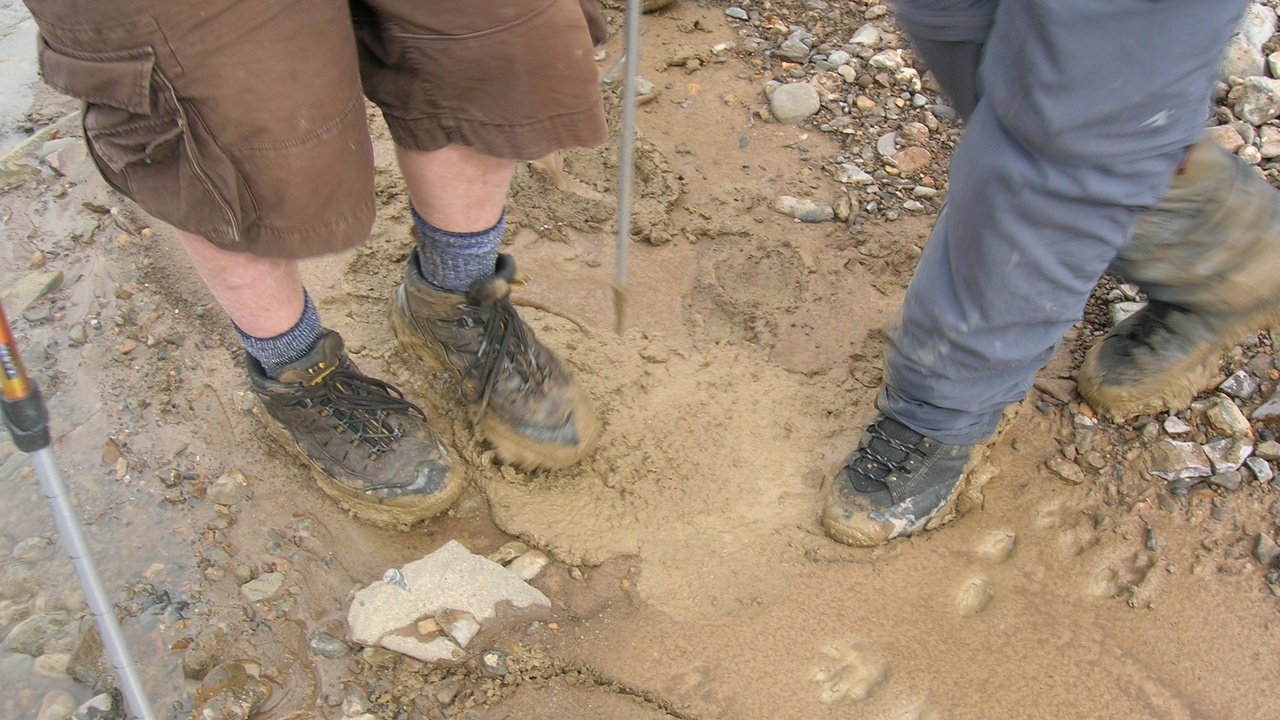
The Denali Park Road is the main access spine into the park interior, stretching roughly 92 miles from the park entrance toward the Alaska Range. Because the park is vast, planning logistics—buses, flightseeing windows, and day timing—makes a big difference in what you see.
1. Take the Park Road bus into the heart of Denali
Riding a park bus is essential for reaching remote scenery and prime wildlife habitat since private cars can’t go far past the entrance. The Park Road runs about 92 miles and park-operated shuttles and commercial tours take visitors to spots like Wonder Lake and Kantishna.
Options range from flexible park shuttles (good for day riders who want on/off access) to narrated tours such as the Tundra Wilderness Tour or the multi-day Kantishna Experience that go deep into the park. Narrated trips often stop for wildlife sightings and offer ranger commentary on history and geology.
Book early in summer—seats fill fast—and check the NPS bus page for schedules. Ride times vary: a shorter day ride might be a couple of hours round-trip, while full-day narrated tours can run all day.
2. Hike short, high-reward trails like Savage River Loop and Mount Healy Overlook
Savage River Loop and Mount Healy Overlook deliver big views without a multi-day commitment. Savage River Loop is a short, family-friendly loop near the park entrance that puts you into tundra and along riparian habitat in 1–2 miles.
Mount Healy Overlook is a moderate climb—steeper and more sustained than Savage—but the payoff is a panoramic view of the Healy Valley and the Park Road corridor. Aim for morning for wildlife activity or late afternoon for warm light on the ridgelines.
Wear sturdy shoes and layers; weather changes fast. Combine these hikes with a bus ride or a short drive from park facilities and keep an eye out for summer wildflowers on the tundra and moose along river corridors.
3. Book a flightseeing tour or glacier landing for an unforgettable perspective
Flightseeing gives a bird’s-eye view of Denali’s glaciers, ridgelines, and massive vertical relief—an experience that often tops visitors’ lists. Many tours last 45–90 minutes and some include glacier landings or close passes of Denali’s north face on clear days.
Operators based in Talkeetna and nearby airstrips run the most common flights; glacier-landing packages let you step onto ice for photos. Flights are weather-sensitive—book early in your itinerary so you can rebook if the first slot is grounded.
Expect small-aircraft weight and baggage limits, and bring a polarizing filter and a short telephoto plus a wide angle for landscape sweeps. Safety briefings are standard—follow crew instructions and plan a backup activity if clouds move in.
Wildlife & Cultural Encounters
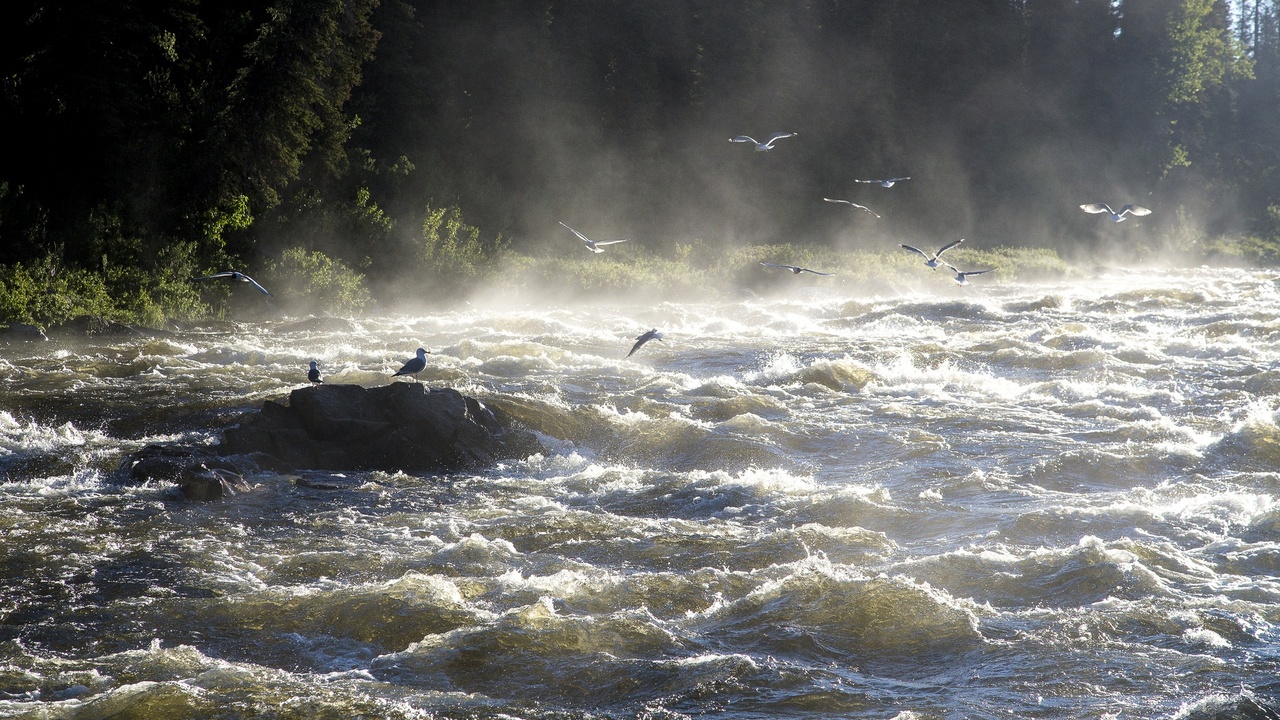
Denali is home to grizzly bears, moose, caribou, and Dall sheep across its roughly six-million-acre landscape. Responsible viewing—keeping distance, using optics, and staying on designated routes—protects animals and people.
4. Join a guided wildlife tour or ride the bus with an eye for animals
Wildlife viewing is a primary reason people visit—Denali’s vast habitat supports large mammals that you’re unlikely to see elsewhere in such numbers. Moose, caribou, Dall sheep, and grizzly bears show up most often along river valleys and near the Park Road corridor.
Early morning and late afternoon are the best windows for animal activity. Bring binoculars or a 300mm+ lens for photos, a patience mindset, and a guide if you want better odds; commercial guides and narrated tours know local hotspots and animal behavior.
Common sighting zones include the Savage River and Teklanika corridors. Guided tours often stake out a good vantage and wait quietly—sometimes that’s all it takes for wildlife to appear.
5. Visit the park sled dog kennels and learn about mushing history
The sled dog kennels are a living tie to Alaska’s mushing tradition; working dogs live and train near park headquarters and often perform demonstrations during the summer season. Mushing predates motorized travel and remains part of the park’s operational history.
Visitors can watch harnessing demonstrations, short runs, and handler Q&A—an easy, family-friendly stop that brings history to life. In winter, commercial operators offer mushing experiences outside the park, though schedules vary by operator.
Demonstrations usually happen near the Denali Visitor Center during peak visitor months; check ranger schedules for exact times and arrive a few minutes early to get a close view without disrupting the dogs.
Scenic Drives, Water Adventures, and Photographic Highlights
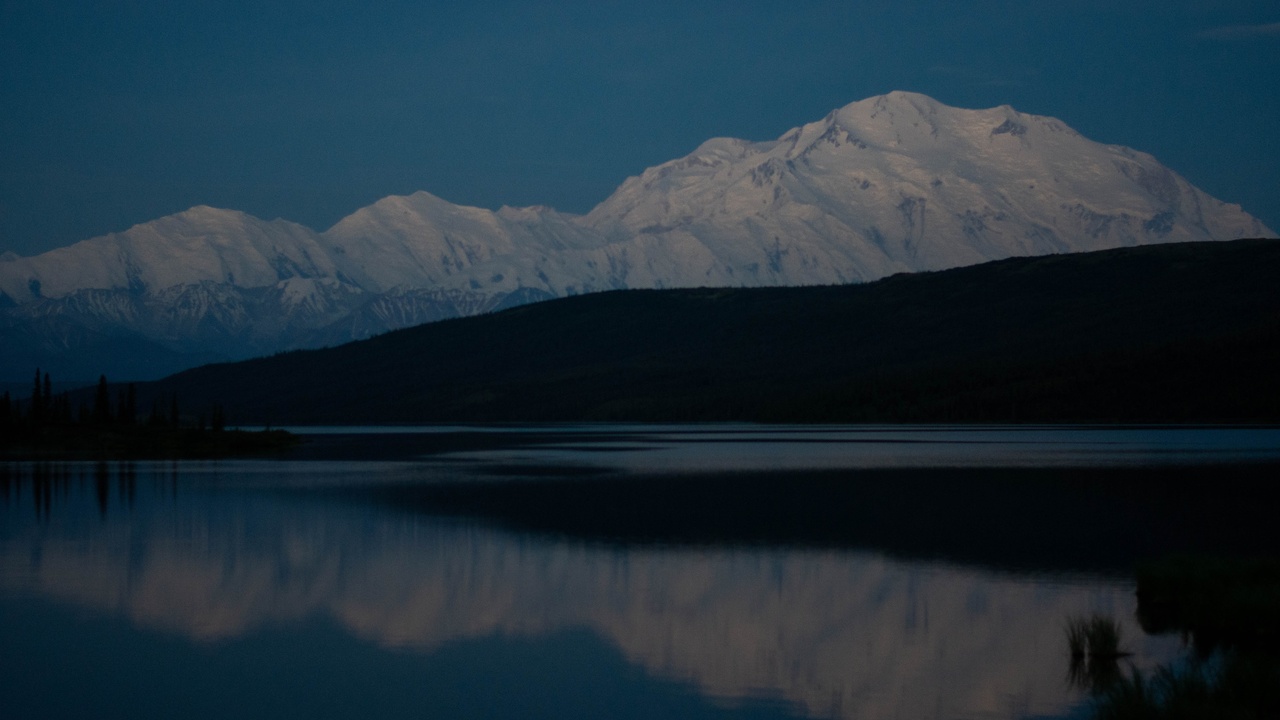
Denali rewards both slow, reflective visits—lakes and overlooks—and adrenaline-tinged days like river rafting. Plan seasonally: rivers run in summer, while aurora and winter sports call for colder months and different gear.
6. Raft or kayak the Nenana River for whitewater and scenery
Seeing Denali from the water changes the pace and the perspective. Guided Nenana River trips combine calm stretches with Class II–III rapids, making them suitable for beginners when run with experienced guides.
Outfitters based in Healy and Nenana run half-day and full-day trips with shuttle logistics back to lodging. Guides supply life jackets, paddles, and local knowledge—follow their instructions and pack a waterproof dry bag for cameras and layers.
Summer is the season for rafting; bring quick-dry clothing, a warm mid-layer, and expect spectacular valley views and possible wildlife sightings from riverbanks.
7. Photograph Wonder Lake, Polychrome Pass and hunt for the Northern Lights
Wonder Lake (near mile ~85 on Park Road) is a premier spot for sunrise reflections of Denali on clear mornings. Polychrome Pass offers late-summer contrast and fall color, and aurora season (roughly late August through April) brings dramatic night skies.
For sunrise reflections, aim for still mornings and use a tripod with a low ISO and small aperture for depth. For aurora, bring a wide-angle lens, tripod, and experiment with exposures from a few seconds to 20–30 seconds depending on activity (ISO 800–3200 as needed).
Wonder Lake and Polychrome Pass are reachable via bus or guided tours—pack warm layers, a headlamp for pre-dawn setups, and patience; the right light can turn a good shot into a great one.
Summary
- Plan around Denali Park Road—reserve bus and flightseeing slots early in the summer season.
- Mix one big experience (a deep-park bus trip or flightseeing/glacier landing) with short hikes and a sled-dog or visitor-center stop.
- Bring binoculars (or a 300mm+ lens), layers, and a tripod for photos; expect weather changes and plan backup days for flights.
- Respect wildlife viewing etiquette: stay back, use optics, and follow ranger guidance to keep animals wild and people safe.
- Pick a season for your priorities—whitewater and tundra wildflowers in summer; aurora, crisp air, and fewer crowds in shoulder or winter months—and enjoy the many cool things to do in Denali with care and curiosity.