Asia’s linguistic landscape shifts dramatically from place to place, with English serving different roles depending on history, education systems, and commerce. Whether used in government, business, or daily conversation, spotting where English is common helps travelers and researchers understand regional connections.
There are 21 English-speaking Countries in Asia, ranging from Bahrain to United Arab Emirates. For each country, the data are shown as Flag (emoji),Status,English speakers (%) to make comparisons straightforward — you’ll find below.
Which Asian countries use English as an official language or for government business?
Several countries list English as an official language or use it in government and legal systems, often alongside local languages; examples include nations with colonial histories or strong international ties, where English is common in administration, higher education and business.
How should I interpret the “English speakers (%)” figures in the list?
Percentages combine native and fluent second-language speakers and can vary by source and year; use them as a general guide to how widespread English is locally rather than an exact headcount, and check recent census or language surveys for the most current estimates.
English-Speaking Countries in Asia
| Country | Flag (emoji) | Status | English speakers (%) |
|---|---|---|---|
| India | 🇮🇳 | Associate official; government, higher education, business | 10% |
| Pakistan | 🇵🇰 | Official; government, law, higher education | 8% |
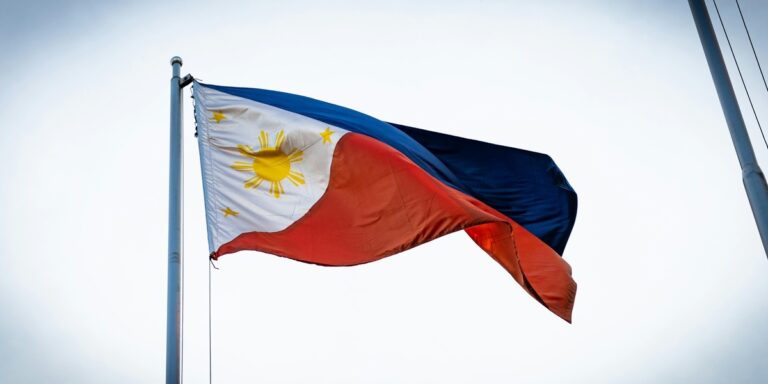
| Philippines | 🇵🇭 | Official; education, government, media | 58% |
| Singapore | 🇸🇬 | Official; primary lingua franca, education, business | 80% |
| Hong Kong | 🇭🇰 | Official; administration, law, business, education | 46% |
| Malaysia | 🇲🇾 | Widely used; business, education, urban life | 50% |
| Bangladesh | 🇧🇩 | Widely used; higher education, government, business | 18% |
| Sri Lanka | 🇱🇰 | Link language; government, tourism, education | 23% |
| Brunei | 🇧🇳 | Widely used; education, administration, business | 72% |
| Nepal | 🇳🇵 | Widely used; education, tourism, administration | 20% |
| Bhutan | 🇧🇹 | Widely used; education, government, tourism | 25% |
| Maldives | 🇲🇻 | Widely used; tourism, business, education | 40% |
| United Arab Emirates | 🇦🇪 | Widely used; business, daily life, expatriate lingua franca | 70% |
| Qatar | 🇶🇦 | Widely used; business, education, expatriate communities | 68% |
| Saudi Arabia | 🇸🇦 | Widely used; business, education, expatriate work | 35% |
| Kuwait | 🇰🇼 | Widely used; business, public services, expatriate communities | 55% |
| Oman | 🇴🇲 | Widely used; business, tourism, education | 52% |
| Bahrain | 🇧🇭 | Widely used; business, education, expatriate lingua franca | 60% |
| Israel | 🇮🇱 | Widely used; business, academia, tourism | 60% |
| Lebanon | 🇱🇧 | Widely used; education, business, media | 40% |
| Jordan | 🇯🇴 | Widely used; education, tourism, business | 42% |
Images and Descriptions
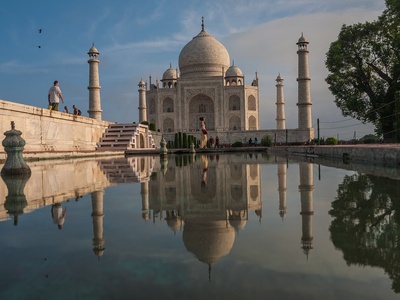
India
English is widely used in government, courts, higher education and IT industries. Travelers and expats find English common in cities and tourist areas, though regional languages dominate everyday life outside urban centers.

Pakistan
English is an official language for law, bureaucracy and higher education, with strong use among professionals and urban populations. Visitors and professionals will find English common in cities, less so in rural communities.

Philippines
English is an official language and common in schools, government and media. It’s widely spoken across urban and many rural areas, making travel and long-term stays straightforward for English-speaking visitors and expats.
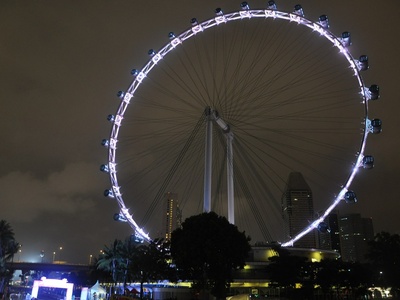
Singapore
English is the main language of government, schools and business in multilingual Singapore. It’s used daily by locals and expatriates, so tourists and professionals typically have no language barriers.
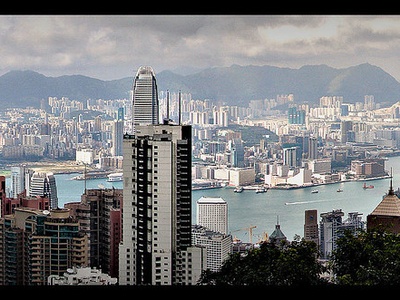
Hong Kong
English is an official language alongside Chinese and remains common in law, business, higher education and signage. Travelers and expats will find widespread English in professional and tourist areas.
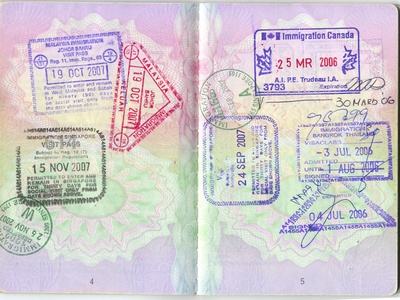
Malaysia
English is widely spoken in business, universities and urban centers alongside Malay. Tourists and expats will generally manage well with English, especially in cities, tourism hubs and professional sectors.
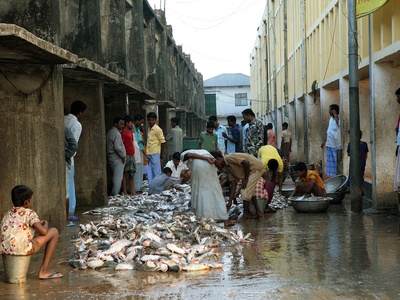
Bangladesh
English is commonly used in higher education, courts and formal business settings. Travelers may find English in cities, hotels and among educated professionals, though Bengali dominates daily life.
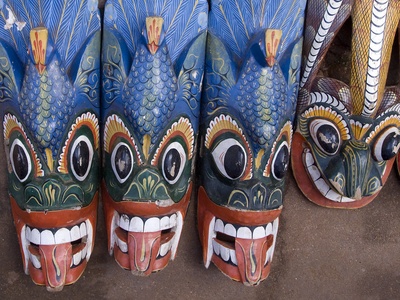
Sri Lanka
English serves as a practical link language in government, education and tourism. Tourists and expatriates usually get by well with English, particularly in Colombo and popular coastal areas.
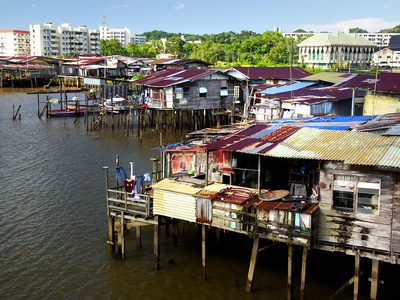
Brunei
English is widely used in education, government administration and commerce alongside Malay. Expats and visitors will find English common in daily life, business and official settings.
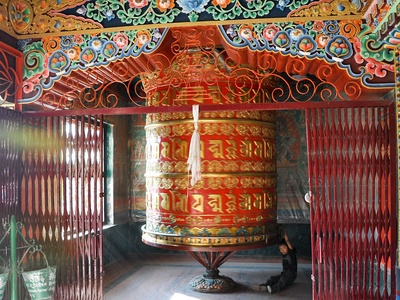
Nepal
English is used in higher education, government offices and the tourism sector. Trekkers and international visitors frequently encounter English-speaking guides and services in main tourist regions.
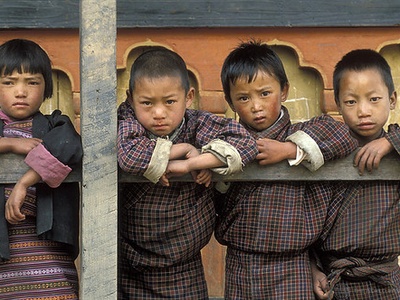
Bhutan
English is the primary medium in schools and widely used in government and tourism. Travelers and expats typically find English speakers in hotels, tour services and urban centers.
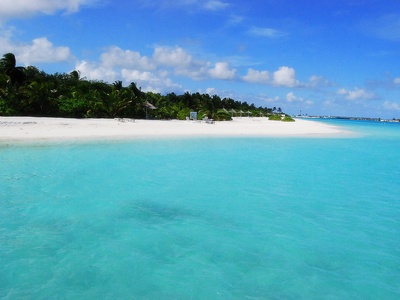
Maldives
English is commonly spoken in tourism, hospitality and many businesses. Visitors staying on resort islands or in Malé will generally encounter fluent English among service staff and guides.
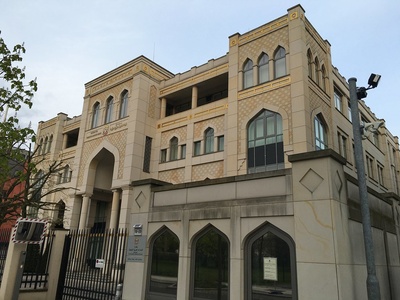
United Arab Emirates
English functions as the everyday lingua franca across diverse expatriate communities and in business. Tourists and expats will routinely use English for services, work and daily transactions.
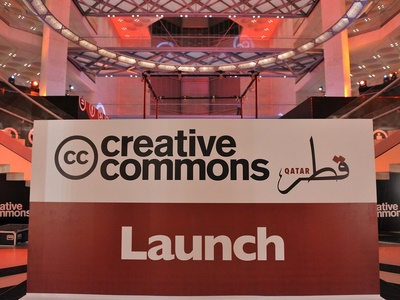
Qatar
English is widely used in business, universities and among expatriates. Visitors and international workers will find English common in Doha and major industries.
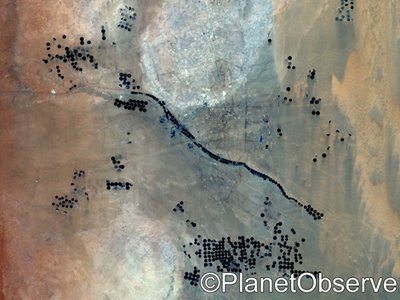
Saudi Arabia
English is prevalent in business, some universities and among foreign workers, especially in cities and oil-related industries. Travelers and expats can often rely on English in urban centers and hotels.
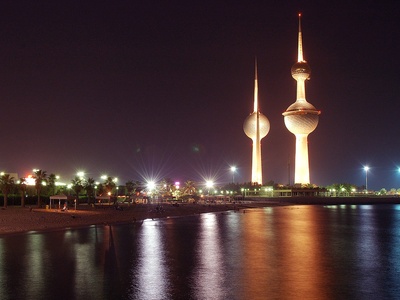
Kuwait
English is commonly used in commerce, government services and daily life among large expatriate communities. Visitors and professionals will find English widely available in cities.
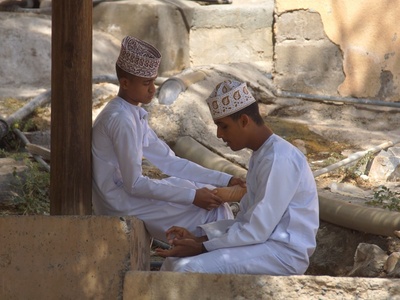
Oman
English is widely used in business, tourism and education, particularly in Muscat and coastal tourist areas. Expats and tourists generally find English helpful for daily needs and services.
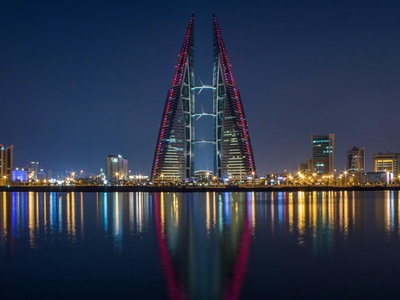
Bahrain
English is commonly used in business, education and as a lingua franca among expatriates. Tourists and international workers will encounter English in most service and professional settings.
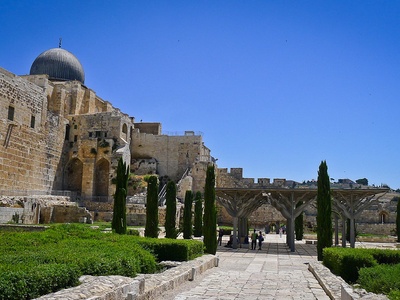
Israel
English is widely taught and used in tech, academia and tourism. Many Israelis speak English well, so visitors and expats typically have little trouble with daily interactions in urban areas.
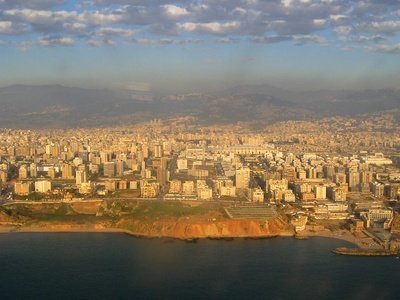
Lebanon
English is common in private education, business and media alongside Arabic and French. Travelers and expats will find English speakers in cities, universities and many professional services.
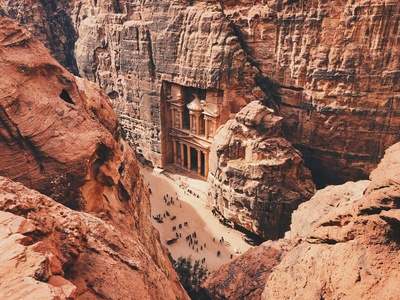
Jordan
English is widely used in higher education, tourism and many businesses. Visitors in Amman and tourist sites commonly find English-speaking guides, hotels and service staff.