South America is home to a rich mix of languages and cultures shaped by centuries of migration, trade and border communities. While Spanish and indigenous languages dominate much of the continent, Portuguese plays a major role thanks to Brazil’s size and regional ties, affecting neighboring countries and cross-border communities.
There are 7 Portuguese-speaking Countries in South America, ranging from Argentina to Uruguay. For each country, you’ll find below the entries organized as Flag,Portuguese status,% speakers (%), so you can quickly compare official status and estimated speaker share — you’ll find the full list below.
Which South American countries have Portuguese speakers?
Portuguese is the official language of Brazil and the largest Portuguese-speaking population by far, but there are Portuguese-speaking communities, bilingual areas and immigrants in several neighboring countries; the list below shows those countries and whether Portuguese is an official, recognized, or minority language in each.
How common is Portuguese outside Brazil in South America?
Outside Brazil, Portuguese is generally a minority language concentrated in border regions, immigrant communities and urban centers; prevalence varies widely, so the % speakers (%) column in the table gives a quick sense of how widespread Portuguese is in each country.
Portuguese-Speaking Countries in South America
| Country | Flag | Portuguese status | % speakers (%) |
|---|---|---|---|
| Brazil | 🇧🇷 | Official national language | 98% |
| Paraguay | 🇵🇾 | Widely spoken resident community | 10% |
| Uruguay | 🇺🇾 | Widely spoken border community | 3% |
| Argentina | 🇦🇷 | Widely spoken border community | 2% |
| Bolivia | 🇧🇴 | Minority border community | 1% |
| Colombia | 🇨🇴 | Minority border community | 0.5% |
| Peru | 🇵🇪 | Minority border community | 0.5% |
Images and Descriptions
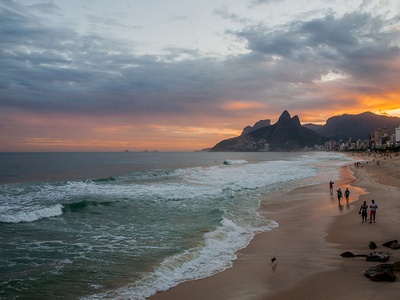
Brazil
Brazilian Portuguese is the national language (variants like Carioca, Paulista, Northeastern). Portuguese arrived with 16th‑century colonization by Portugal and became the language of government, media, education and national identity across Brazil’s huge population and diverse regions.

Paraguay
Portuguese is widely spoken in eastern Paraguay by Brazilian immigrants and descendants (Brasiguayos) and through Portuñol near the border. Not official, it’s a living community language tied to cross‑border trade, agriculture and family ties with Brazil.
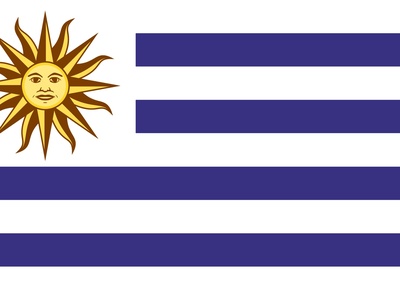
Uruguay
In northern Uruguay Portuguese and Riverense Portuñol are common in Rivera and border towns because of close social and commercial ties with Brazil. Speakers are bilingual; Portuguese is influential culturally but not an official national language.
Argentina
Brazilian Portuguese and mixed Portuñol appear in Misiones, Corrientes and other northeastern provinces among migrants and border communities. It’s a resident community language tied to farming and trade, but Spanish remains dominant and Portuguese lacks national official status.
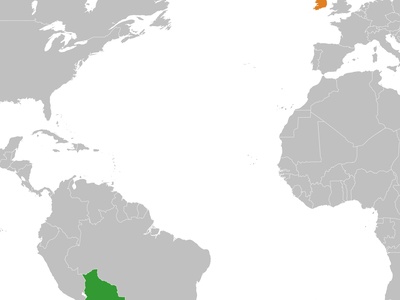
Bolivia
Small Brazilian‑Portuguese communities live in Santa Cruz and Pando due to migration and cross‑border ties; Portuguese is used locally for trade and family life. It is a minority, not a national language in Bolivia’s multilingual landscape.
Colombia
In Colombia’s Amazon border areas with Brazil, Portuguese is spoken among settlers, traders and indigenous multilinguals. It’s a minority border language tied to commerce and cross‑border kinship, not an official language nationally.
Peru
Portuguese occurs in Loreto and Madre de Dios among Brazilian migrants, traders and bilingual river communities. Usage stems from Amazon trade, migration and historical contact; it’s a small minority language and lacks national official status.