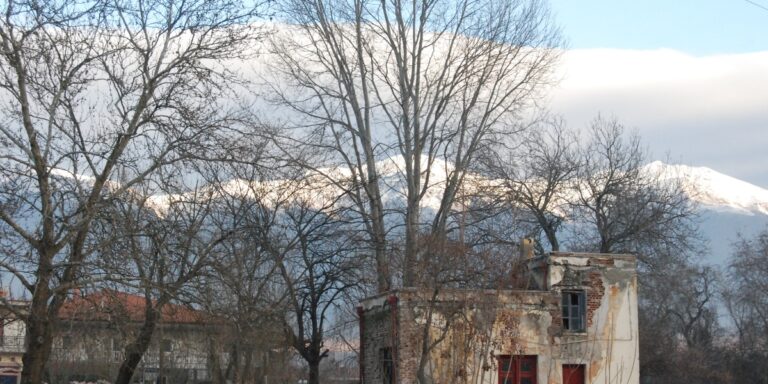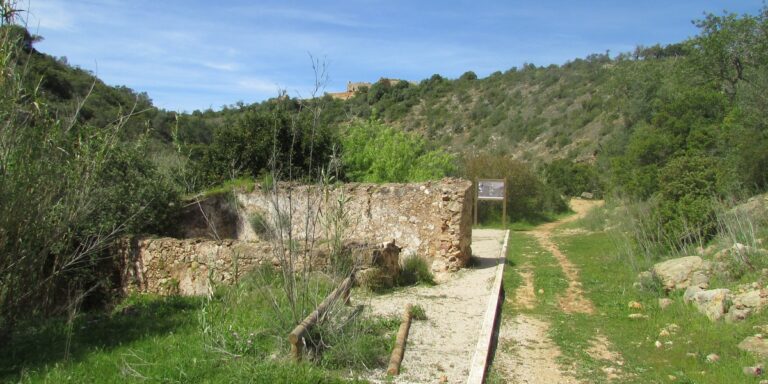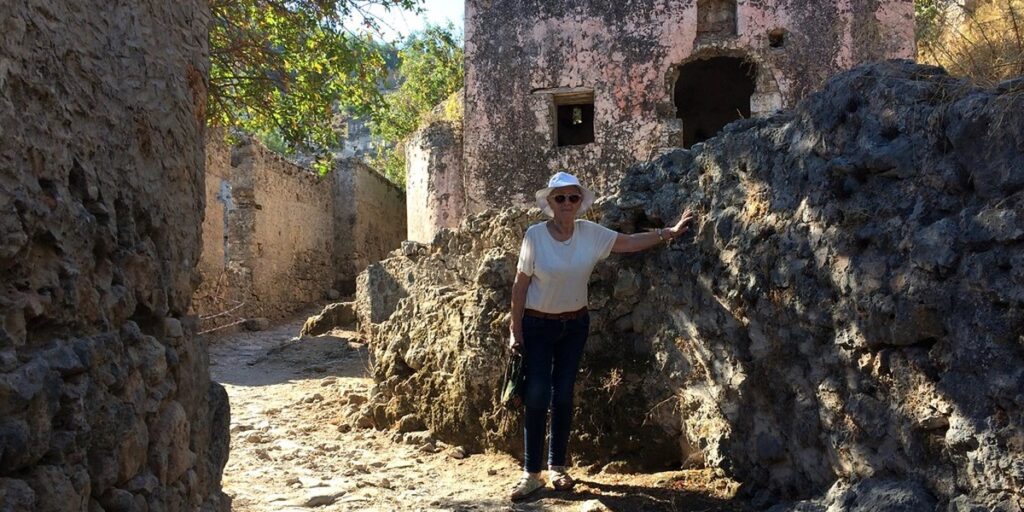
Turkey’s landscape holds layers of history: abandoned villages, ruined fortresses, and settlements emptied by shifting trade routes, conflict, or changing environments. Walking these sites often feels like reading maps of past lives where architecture and landscape mark long-term social change.
There are 6 Ghost Towns in Turkey, ranging from Ani to Zelve. For each site you’ll find below Country,Location (Province; coords),Abandonment cause so you can compare origins and reasons for desertion; you’ll find the full list below.
How accessible are these ghost towns for visitors?
Accessibility varies widely — some sites like Zelve in Cappadocia have marked paths and visitor access, while others such as Ani are more remote and may require a car or guided transfer. Check local opening hours, seasonal conditions, and whether any roads are unpaved; bring appropriate footwear and allow extra travel time.
What should I know before visiting abandoned sites in Turkey?
Prepare practically and respectfully: carry ID, water, and sturdy shoes; follow posted rules, avoid entering unstable structures, and don’t remove artifacts. Many sites are protected for archaeological reasons, so consult local authorities or guides for up-to-date access and conservation requirements.
Ghost Towns in Turkey
| Name | Country | Location (Province; coords) | Abandonment cause |
|---|---|---|---|
| Kayaköy | Turkey | Muğla;36.55,29.12 | Population exchange and forced departure, 1923 |
| Zelve | Turkey | Nevşehir;38.64,34.85 | Erosion and safety-driven evacuation, mid-20th century |
| Old Halfeti | Turkey | Şanlıurfa;37.88,37.45 | Dam reservoir flooding and relocation, late 20th century |
| Ani | Turkey | Kars;40.55,43.37 | Centuries of warfare, earthquake damage and decline |
| Olympos (ancient) | Turkey | Antalya;36.40,30.50 | Gradual decline after antiquity and coastal shifts |
| Sagalassos | Turkey | Burdur;37.55,30.29 | Post-classical decline, earthquakes and rural depopulation |
Images and Descriptions
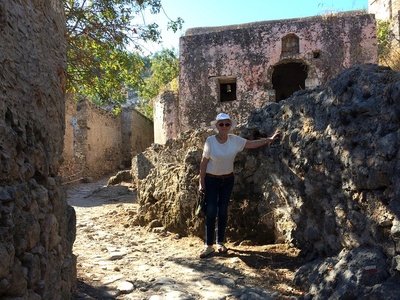
Kayaköy
Former Levissi Greek village abandoned after the 1923 population exchange. Hundreds of stone houses and two churches remain in ruinous but stable condition. Popular for day visits, easy parking, uneven paths; bring water and sturdy shoes.
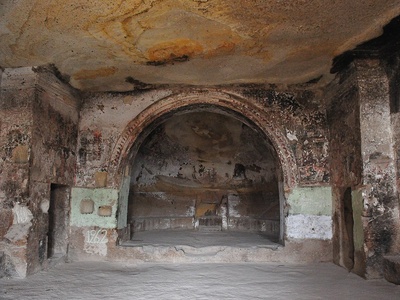
Zelve
Cappadocian cave village hollowed from tuff, evacuated in 1952 due to rock collapse risk. Extensive cave dwellings, churches and monasteries survive as exposed ruins. Open-air museum feel, walkable trails but uneven surfaces; visit early to avoid crowds.

Old Halfeti
Partly submerged Euphrates town after dam construction; many stone houses now half-underwater. Boat tours show exposed facades and sunken streets. Access by boat from New Halfeti; minimal on-site facilities and seasonal fluctuations in water level affect visibility.
Ani
Medieval border city once a bustling Armenian capital, abandoned over centuries. Vast ruined churches, walls and towers on a windswept plateau by the Arpaçay River. Well-preserved ruins, remote highland access; bring layers, limited services and an entry fee.
Olympos (ancient)
Ancient Lycian port partly reclaimed by nature; ruins of temples, tombs and theater lie among pine and sand. Nearby seasonal tourist amenities but the core site is largely uninhabited; best combined with Çıralı beach and hiking to the Eternal Flames (Chimera).
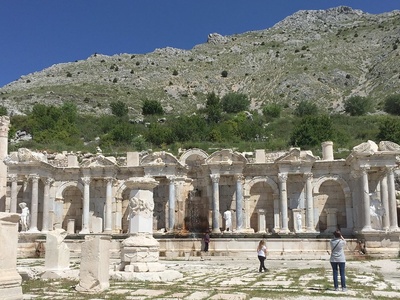
Sagalassos
Highland Roman-Byzantine city abandoned long ago; monumental colonnaded streets, theater and Baths remain on a dramatic terrace. Archaeological work stabilized many structures; remote mountain roads, limited visitor facilities, great panoramic views and a museum in nearby Ağlasun.