From colonial forts on the Caribbean coast to pre-Columbian mounds inland, Honduras layers different eras in compact sites that suit short visits or deeper study. A quick sense of location and access helps you decide which ruins fit a day trip and which need more planning.
There are 8 Ruins in Honduras, ranging from Castillo de Trujillo to Yarumela. For each entry the data is organized as Location (coords lat,long), Era (years), Access (status, fee HNL) so you can quickly see where a site sits, how old it is, and whether it’s open or charged — you’ll find below.
How do I reach these ruins and do I need a guide?
Access varies: some sites are roadside or near towns, others require dirt roads, short hikes, or boat transfers. Local guides are helpful at archaeological sites for context and navigation, and they’re often required where trails are unclear or sites are protected; check the Access column before you go.
What should I budget for entrance fees and local expenses?
Fees differ by site and are noted in HNL in the list; many are modest but remote locations may charge more for guided visits or parking. Bring cash in local currency, confirm prices ahead, and factor in transport and guide costs if you plan deeper exploration.
Ruins in Honduras
| Name | Location (coords lat,long) | Era (years) | Access (status, fee HNL) |
|---|---|---|---|
| Copán | Copán Department/Copán Ruinas 14.84,-89.15 | 250-900 CE | open, UNESCO park, entrance ~400 HNL; best season Nov–Apr |
| Los Naranjos | Santa Bárbara Department/Lake Yojoa 15.50,-88.03 | 1,000 BCE-400 CE | open, archaeological park and museum, fee ~50 HNL; best season Nov–Apr |
| Yarumela | Comayagua Department/Yarumela 14.67,-87.73 | 1,000 BCE-250 CE | protected, limited access; often free or small local fee ~20 HNL; best Nov–May |
| Tenampúa | Yoro Department/near El Negrito 15.20,-87.24 | 300-1,200 CE | accessible, hiking required, guides recommended; often free or small fee ~20 HNL; best Dec–Apr |
| Cueva de Talgua | Olancho Department/near Catacamas 14.92,-86.07 | 800 BCE-900 CE | restricted access, guided visits recommended, fee ~50 HNL; best Dec–Apr |
| El Puente | Copán Department/La Entrada area 14.90,-88.90 | 600-900 CE | remote, partially excavated, guides recommended; often free or small fee ~20 HNL; best Nov–Apr |
| Fortaleza San Fernando de Omoa | Cortés Department/Omoa 15.87,-87.95 | 1756-1790s (Colonial) | well-preserved colonial fort, museum onsite, fee ~30 HNL; best Nov–May |
| Castillo de Trujillo | Colón Department/Trujillo 15.91,-85.95 | 1500s-1700s (Colonial) | ruins and coastal fortifications accessible, often free or small fee ~20 HNL; best Nov–Apr |
Images and Descriptions
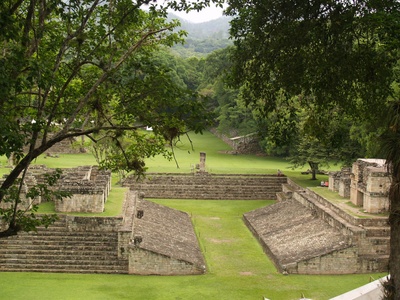
Copán
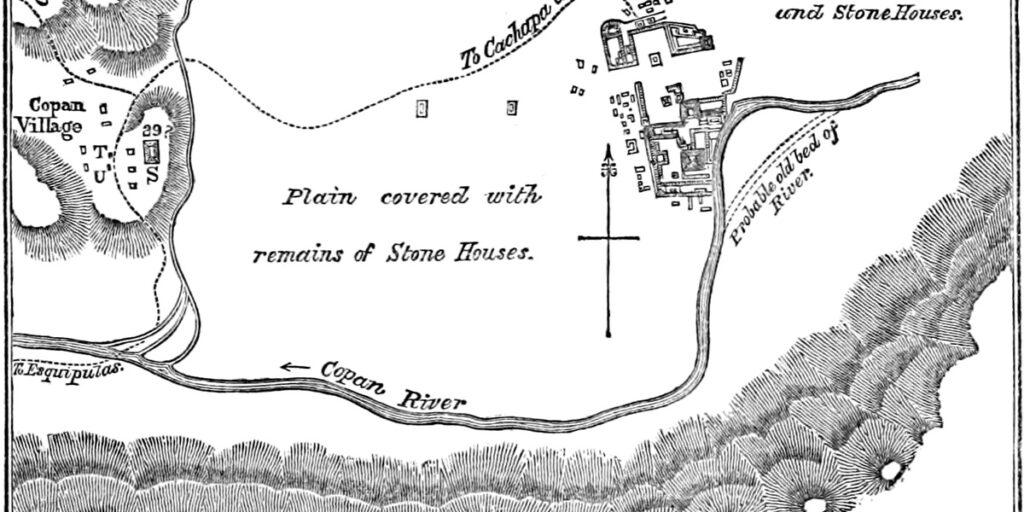
Copán is Honduras’s premier Classic Maya site with plazas, stelae and an exceptional hieroglyphic stairway. Its finely carved monuments and buildings are crucial to understanding Classic Maya politics, astronomy and artistic achievement.

Los Naranjos
Los Naranjos preserves preclassic ceremonial plazas, earthen mounds and waterworks near Lake Yojoa. The site and museum reveal early complex societies in Honduras long before Classic Maya prominence.
Yarumela
Yarumela was an early chiefdom center with monumental mounds and fortifications. As one of central Honduras’s earliest urban places, it illuminates formative-era social complexity and regional trade networks.
Tenampúa
Tenampúa features terraces, plazas and carved stones on a ridge overlooking valleys. The site’s architecture and views offer insights into long-lived pre-Columbian occupation and regional settlement patterns.
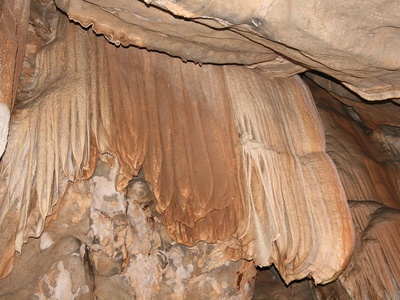
Cueva de Talgua
The Talgua Caves contain rare pre-Columbian burials and grave goods in subterranean contexts. Excavations revealed human remains and artifacts that shed light on ritual and mortuary practices in eastern Honduras.
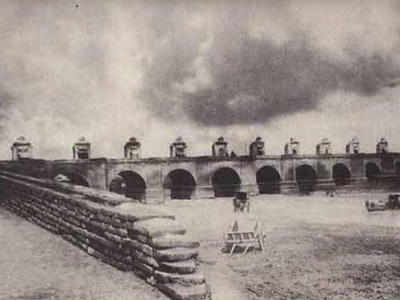
El Puente
El Puente is a regional Maya center with plazas, pyramids and carved monuments. Less visited than Copán, it offers quieter exploration of local political networks and sculptural styles.
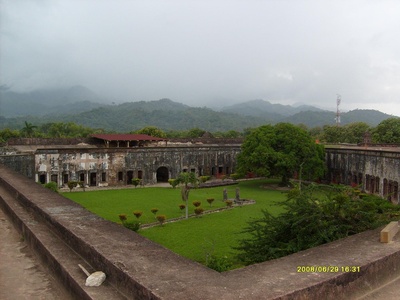
Fortaleza San Fernando de Omoa
This Spanish colonial fort guarded Honduras’s Caribbean coast against pirates and rival powers. Its thick walls, cannons and museum illustrate colonial military architecture and Atlantic-era trade and conflict.
Castillo de Trujillo
Trujillo’s coastal ruins include colonial fortifications, church remnants and early settlement traces. The site reflects Caribbean colonial history, early contact and strategic coastal defense in Honduras.