Nepal’s varied terrain is best known for its high peaks, but the country’s lakes offer an intimate look at local ecosystems, culture, and trekking routes. From lowland wetlands to alpine basins, these water bodies are hubs for birdlife, pilgrimage, and scenic rest stops on long journeys.
There are 13 Lakes in Nepal, ranging from Begnas Lake to Tsho Rolpa (Rolpa Tsho). For each lake, the list below is organized with Province / nearest town,Coordinates (lat, lon),Altitude (m); you’ll find below.
How reliable are the coordinates and altitude figures for these lakes?
Most published coordinates and altitudes come from government surveys, topographic maps, and satellite data; they are suitable for planning and reference but can vary by a few meters between sources, especially for remote or changing glacial lakes. Use official maps or GPS for precise field navigation and check recent updates for glacial or seasonal lakes.
Do I need permits or special arrangements to visit these lakes?
Access depends on location: many lowland and roadside lakes are freely visitable, while alpine or protected-area lakes often lie inside conservation zones or require trekking permits and local guides; always check provincial regulations and local tourism offices before traveling.
Lakes in Nepal
| Name | Province / nearest town | Coordinates (lat, lon) | Altitude (m) |
|---|---|---|---|
| Phewa Lake | Gandaki Province / Pokhara | 28.2097, 83.9646 | 742 |
| Begnas Lake | Gandaki Province / Begnas (near Pokhara) | 28.2280, 84.0010 | 650 |
| Rupa Lake | Gandaki Province / Rupa (near Pokhara) | 28.2172, 83.9573 | 600 |
| Rara Lake | Karnali Province / Mugu | 29.4033, 82.2050 | 2,990 |
| Shey Phoksundo Lake | Karnali Province / Dolpa (Shey Phoksundo NP) | 29.0194, 82.4589 | 3,611 |
| Tilicho Lake | Gandaki Province / Manang | 28.6961, 83.8200 | 4,919 |
| Gosaikunda | Bagmati Province / Langtang (Rasuwa) | 28.2478, 85.3860 | 4,380 |
| Thonak (Gokyo) Lake | Koshi Province / Gokyo (Solukhumbu) | 27.9528, 86.6925 | 4,760 |
| Imja Tsho (Imja Lake) | Koshi Province / near Dingboche (Solukhumbu) | 27.8944, 86.9250 | 5,010 |
| Tsho Rolpa (Rolpa Tsho) | Bagmati Province / Rolwaling (Dolakha) | 27.6683, 86.0329 | 4,580 |
| Kulekhani Reservoir (Indrasarobar) | Bagmati Province / Kulekhani (Makwanpur) | 27.5004, 85.0740 | 1,435 |
| Taudaha Lake | Bagmati Province / Kathmandu (southwest) | 27.6568, 85.3550 | 1,349 |
| Ghodaghodi Lake | Sudurpashchim Province / Kanchanpur | 28.6347, 80.2466 | 210 |
Images and Descriptions
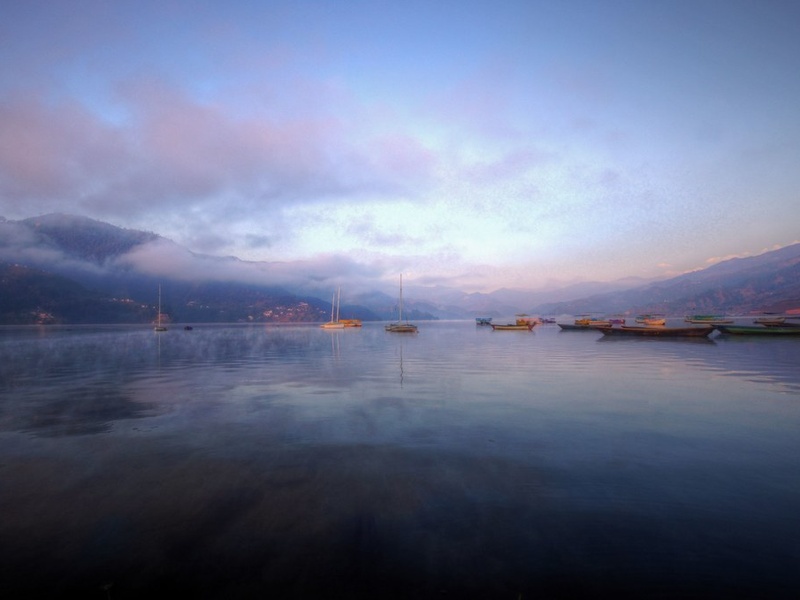
Phewa Lake
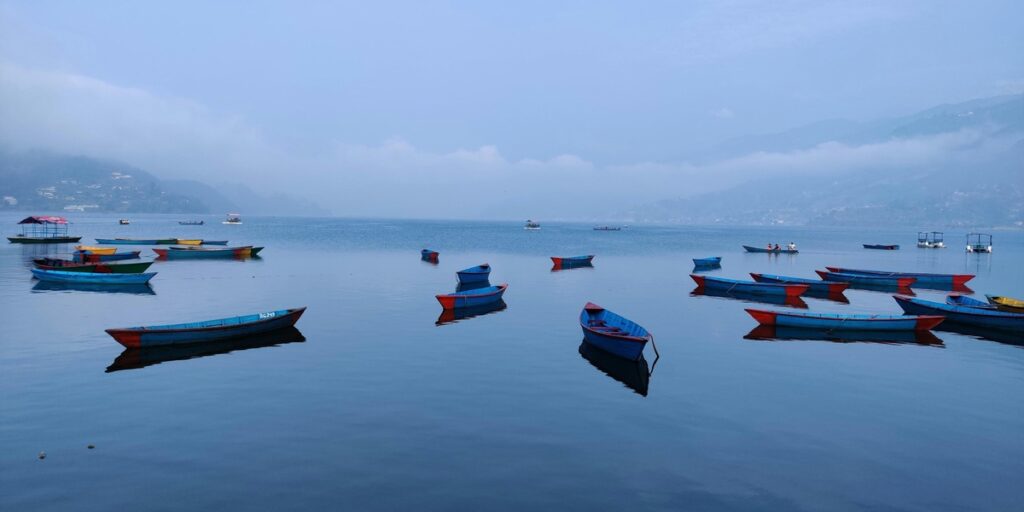
Phewa Lake is a large freshwater lake in Pokhara. It sits at low elevation and offers boat rides and mountain views. It serves as one of Nepal’s most visited lakes and a key example of lakes used for tourism and local life.
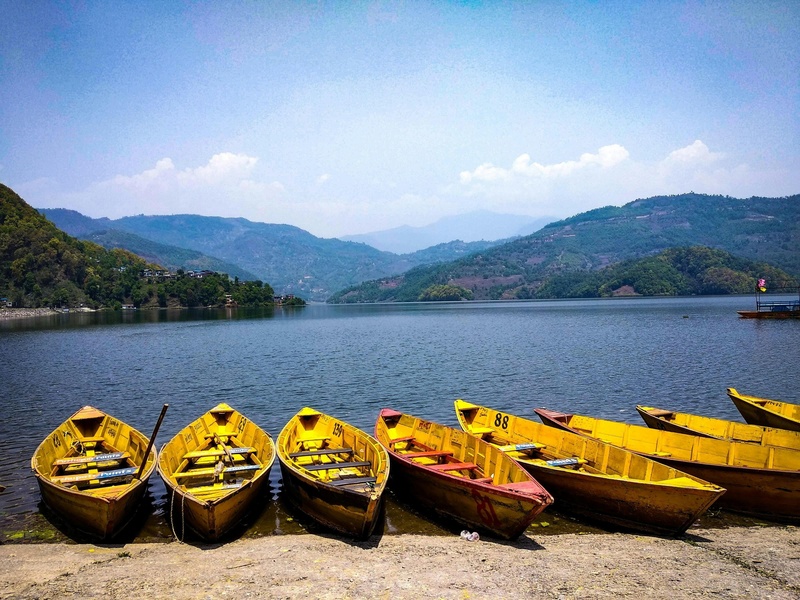
Begnas Lake
Begnas Lake lies east of Pokhara and is a quiet, deep freshwater lake. It supports fishing, boating, and small hotels on its shore. It appears on the list as a major lowland lake with local recreation and rural use.
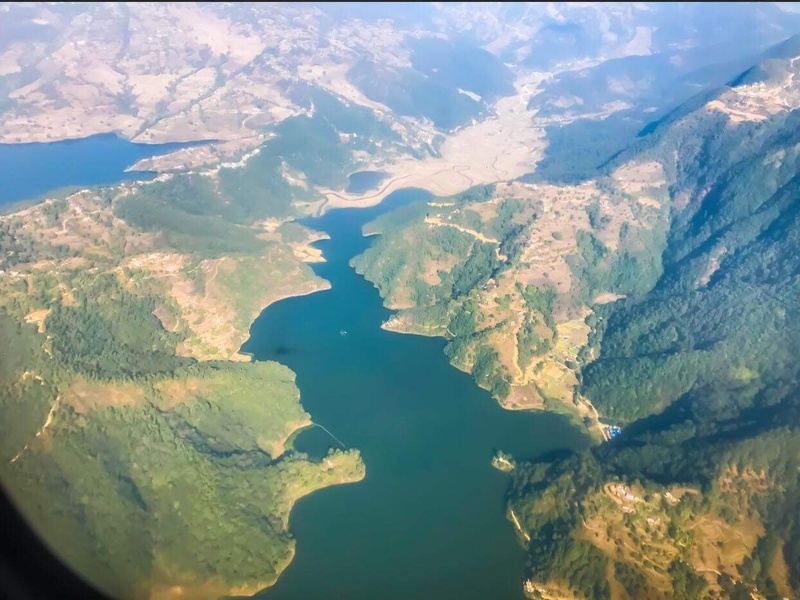
Rupa Lake
Rupa Lake is a shallow, calm lake near Begnas and Pokhara. It forms part of a wetland complex important for birds and local fisheries. It represents smaller wetland lakes common in Nepal’s hill region.
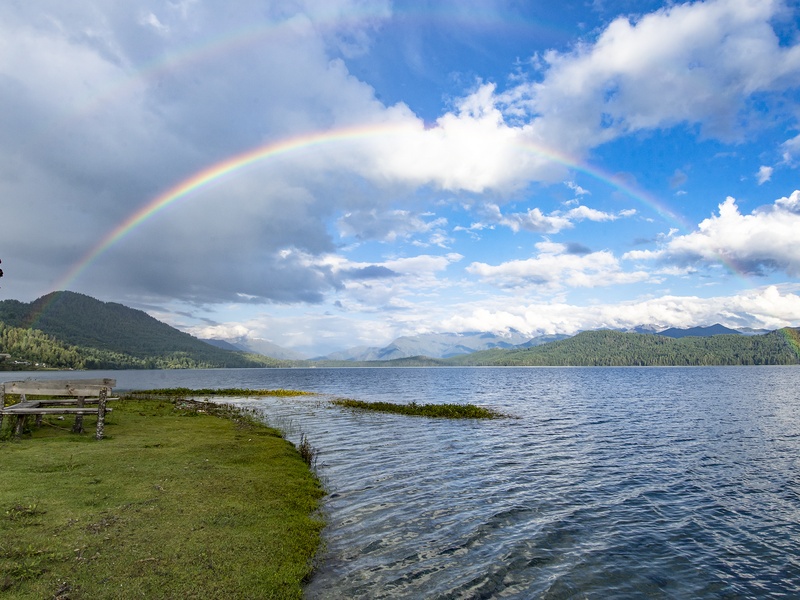
Rara Lake
Rara Lake sits inside Rara National Park in the far northwest. It is the largest natural lake by surface area in Nepal and shows clear alpine water and pine forests. It appears as a key highland lake and a focus for nature visitors.
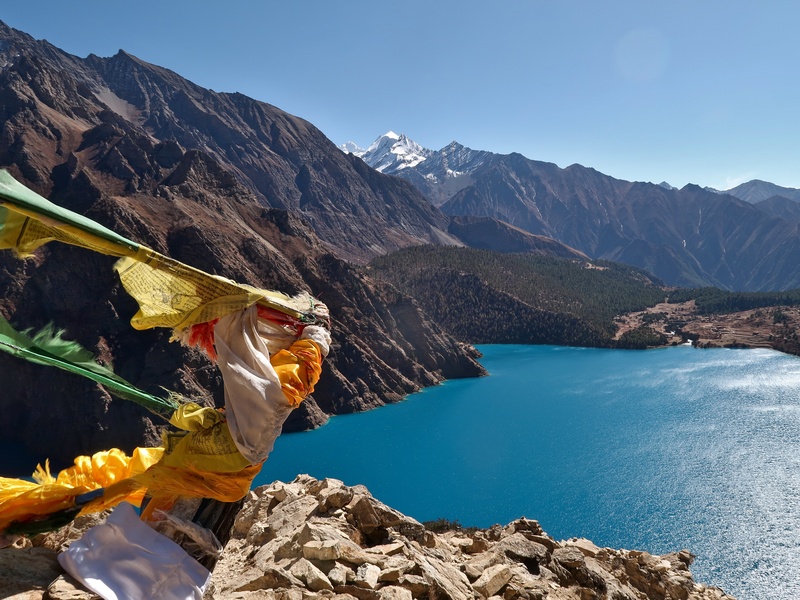
Shey Phoksundo Lake
Shey Phoksundo Lake lies in Shey Phoksundo National Park in the west. It shows clear turquoise water and steep rock walls. It is one of Nepal’s deepest and most sacred high-altitude lakes and is important for both culture and biodiversity.
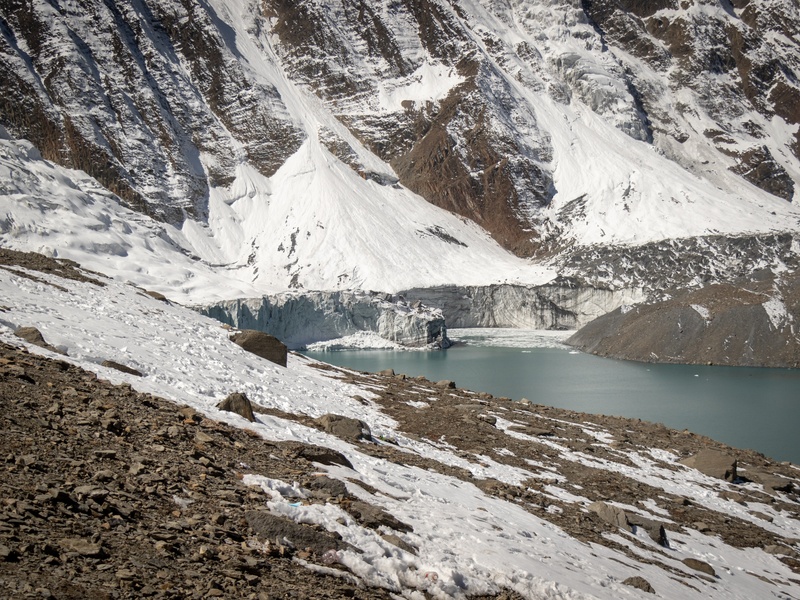
Tilicho Lake
Tilicho Lake sits in the Annapurna region at very high altitude. It ranks among the world’s highest lakes and is glacier-fed. It appears as an iconic high mountain lake often visited by trekkers.
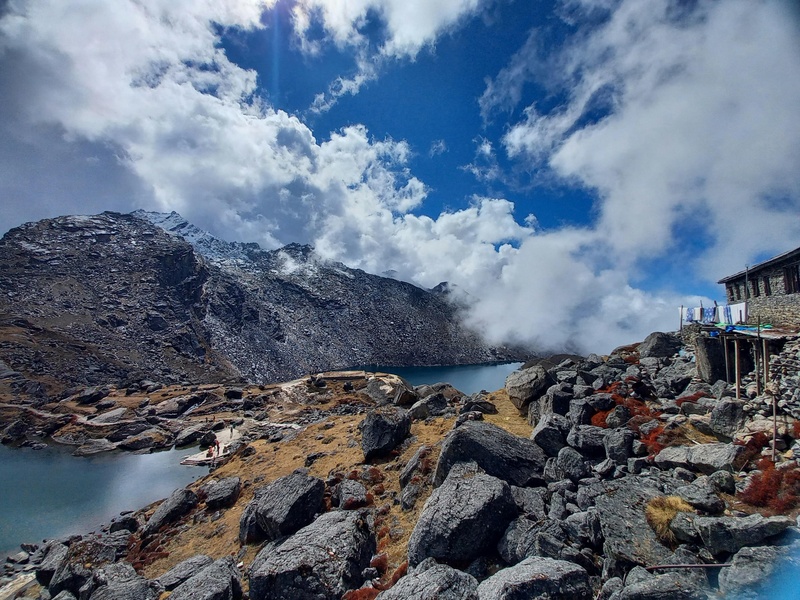
Gosaikunda
Gosaikunda is a group of high-altitude lakes in the Langtang area. It holds religious value for Hindus and Buddhists and attracts pilgrims. It serves as an example of sacred and glacial lakes in Nepal.
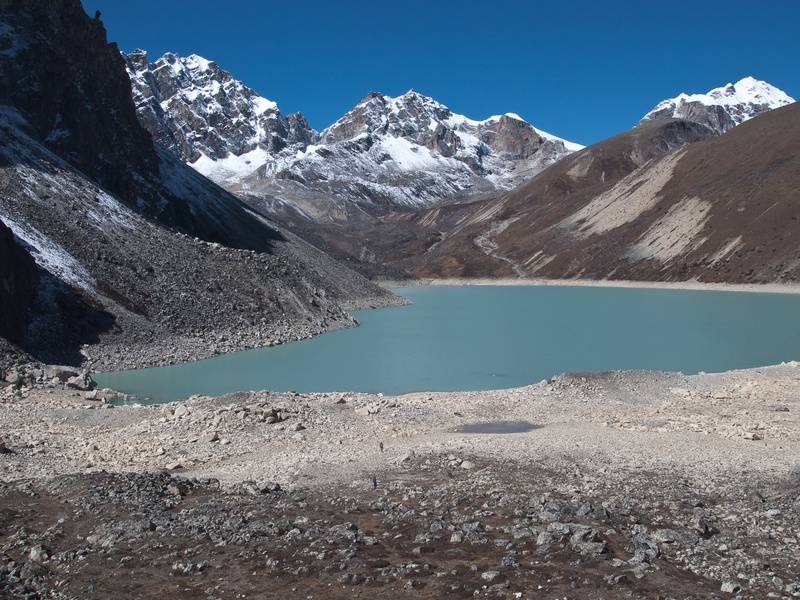
Thonak (Gokyo) Lake
Thonak Lake is the largest of the Gokyo lakes in the Everest region. It is glacier-fed and sits amid a cluster of clear, high-altitude water bodies. It appears as a classic alpine lake visited on high-mountain treks.
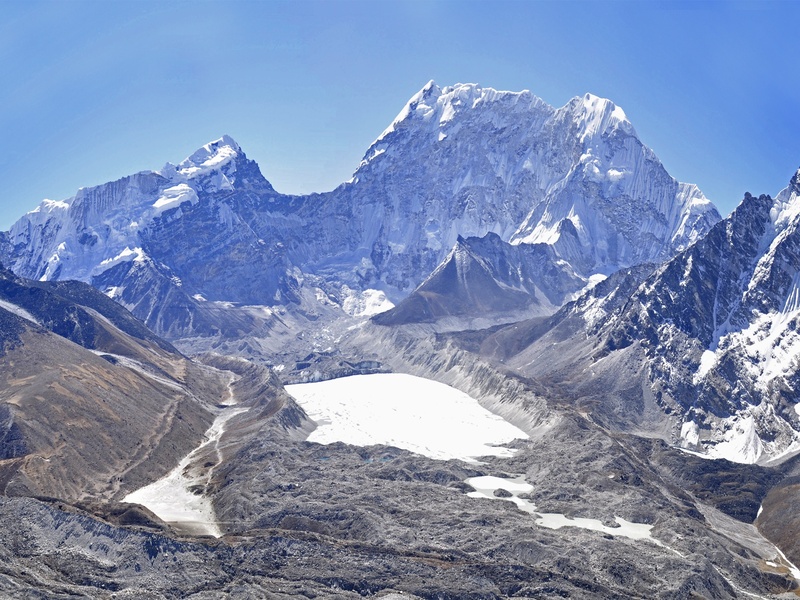
Imja Tsho (Imja Lake)
Imja Tsho lies below Imja Glacier in the Everest area. It is a fast-growing glacial lake formed by melting ice. It appears on the list as an important example of climate-driven change and flood risk in Himalayan lakes.
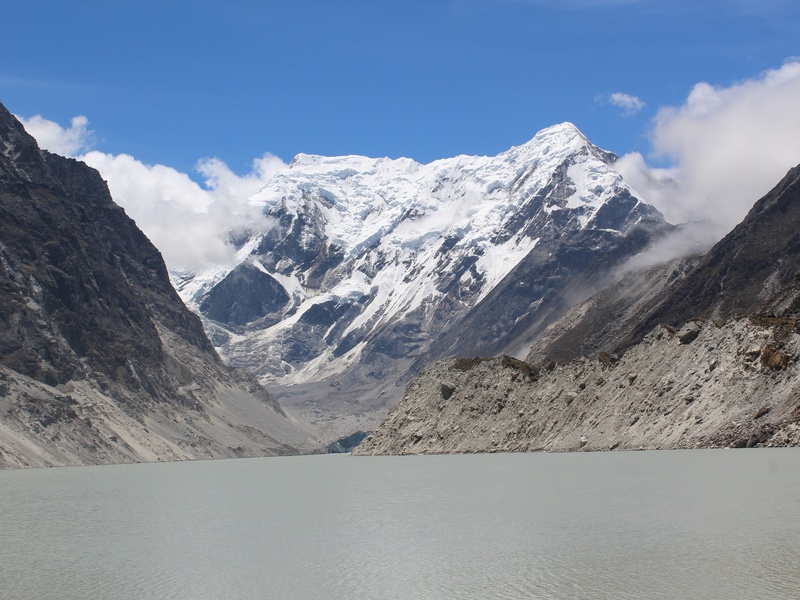
Tsho Rolpa (Rolpa Tsho)
Tsho Rolpa sits in the Rolwaling valley and formed from glacial melt. It is one of Nepal’s largest glacial lakes and has drawn attention for flood risk. It appears as a notable case of lake hazard management and engineering response.

Kulekhani Reservoir (Indrasarobar)
Kulekhani Reservoir, also called Indrasarobar, is a man-made lake south of Kathmandu. It stores water for hydropower and irrigation. It appears on the list as a major reservoir and example of engineered lakes in Nepal.
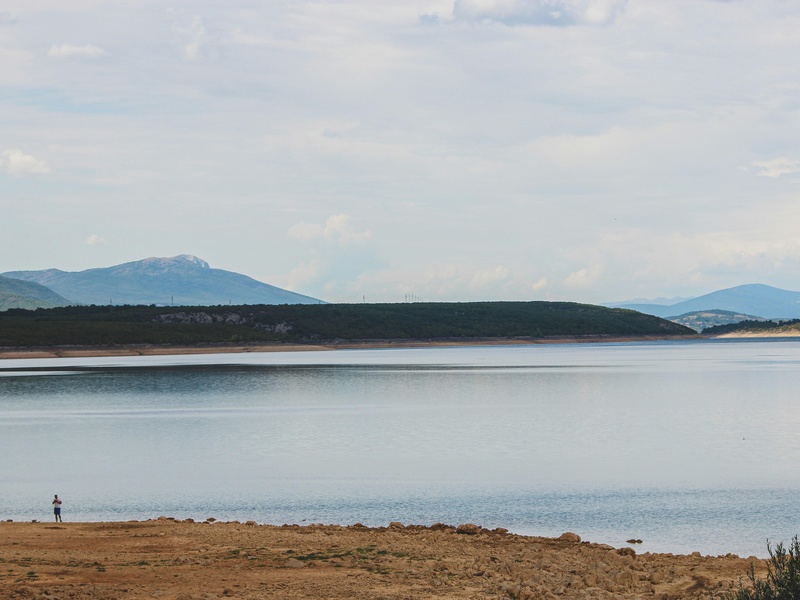
Taudaha Lake
Taudaha Lake lies near the southern edge of the Kathmandu Valley. It is a small freshwater lake with marshy edges and birdlife. It appears as an urban-adjacent lake that supports local ecology and culture.
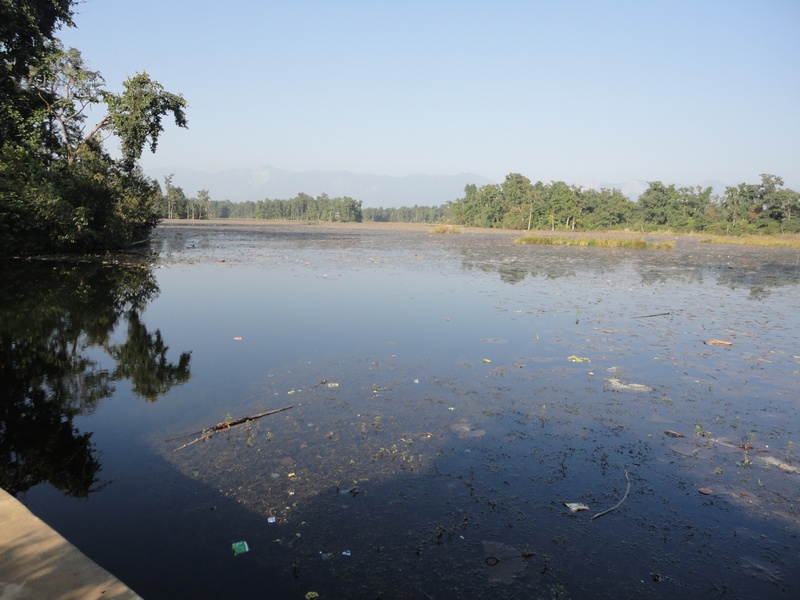
Ghodaghodi Lake
Ghodaghodi Lake is a shallow wetland complex in far-western Nepal. It hosts many fish and bird species and is part of a protected area. It appears as a key lowland biodiversity site and Ramsar-style wetland example.