Brazil’s landscape includes an enormous variety of freshwater bodies that influence local climate, wildlife and human activity. From lowland floodplain basins to highland lagoons, these lakes play roles in fisheries, hydroelectric projects and regional culture.
There are 12 Lakes in Brazil, ranging from Balbina to Tucuruí. For each lake, entries are organized as State/Region,Area (km2),Notable so you can quickly compare location, size and key features — you’ll find below concise data for all 12.
How recent and reliable are the area figures in the list?
Area measurements can vary by season and source; the table uses commonly reported values from government and scientific records, but for precise, up-to-date figures check satellite imagery or national databases (IBGE, ANA) if you need exact measurements for research or planning.
Are these lakes publicly accessible and what should I check before visiting?
Accessibility varies widely: some are near towns with roads and visitor facilities, while others are remote and require boat transport or permits; before visiting confirm local access, seasonal water levels, safety advisories and any conservation rules for the State/Region you’ll be entering.
Lakes in Brazil
| Name | State/Region | Area (km2) | Notable |
|---|---|---|---|
| Paranoá | Distrito Federal | 46.00 | Artificial lake in Brasília; popular for sailing and recreation |
| Itaipu | Paraná | 1,350.00 | Major hydroelectric reservoir on Brazil–Paraguay border |
| Sobradinho | Bahia | 4,214.00 | Huge reservoir vital for Northeast water supply and hydropower |
| Furnas | Minas Gerais | 1,440.00 | Mar de Minas reservoir, major tourism and boating destination |
| Serra da Mesa | Goiás | 1,783.00 | One of Brazil’s largest reservoirs; clear waters and fishing |
| Três Marias | Minas Gerais | 762.00 | Historic São Francisco River reservoir for flood control and recreation |
| Tucuruí | Pará | 2,875.00 | Massive reservoir on the Tocantins River supporting power and transport |
| Balbina | Amazonas | 2,360.00 | Amazon reservoir noted for environmental controversy and biodiversity loss |
| Itumbiara | Goiás/Minas Gerais | 642.00 | Reservoir on the Paranaíba River popular for sport fishing |
| Ilha Solteira | São Paulo/Paraná | 1,195.00 | Paraná River reservoir used for hydroelectricity, fishing and boating |
| Castanhão | Ceará | 3,212.00 | Ceará’s largest reservoir, critical for water security and irrigation |
| Guaíba | Rio Grande do Sul | 496.00 | Large urban estuarine lake at Porto Alegre; cultural waterfront |
Images and Descriptions

Paranoá
Formed in the Federal District near Brasília, Lago Paranoá is a man-made reservoir created to raise water levels and improve the city climate. It covers a moderate area and has parks, marinas, and waterfront neighborhoods. It serves as a local recreation and sport hub. Include it for its role as the capital’s urban lake.
Itaipu
Formed by the Itaipu Dam on the Paraná River, this large reservoir sits on the Brazil–Paraguay border. It supports one of the world’s biggest hydroelectric plants and a wide water surface used for shipping and fishing. Note its international importance and strong impact on regional energy and environment.
Sobradinho
Built on the São Francisco River in Bahia, the Sobradinho reservoir is one of Brazil’s largest by surface area. It stores water for power, irrigation, and river flow control. Expect large seasonal shifts in shoreline and strong local use for fishing and transport.
Furnas
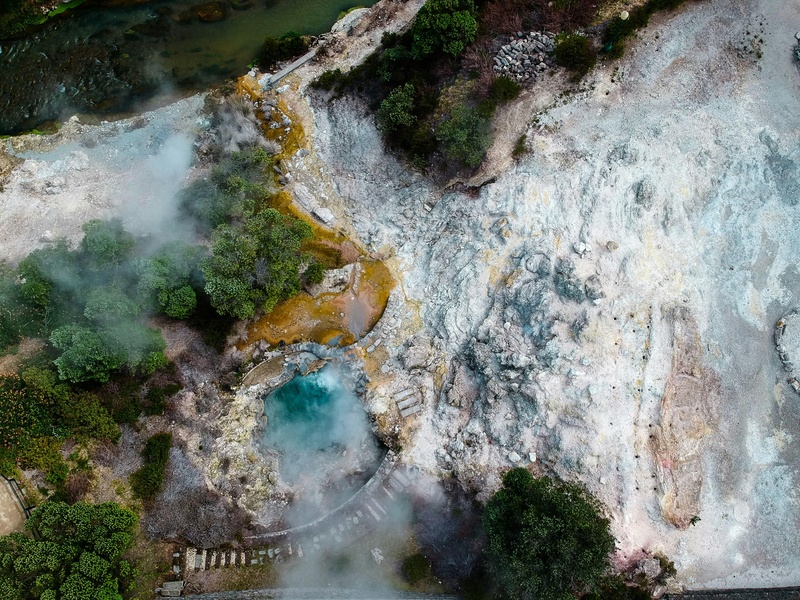
Located in Minas Gerais, Furnas Lake is a large reservoir often called the “Sea of Minas.” It has many islands, steep banks, and popular boating and tourism spots. It supports hydroelectric power, local fishing, and many leisure towns on its shores.
Serra da Mesa
Placed in Goiás, the Serra da Mesa reservoir ranks among Brazil’s largest by volume. It has deep waters and clear bays. It supports hydroelectric generation, sport fishing, and lake tourism. Include it for its size and recreational value in the Central-West.
Três Marias
Sited on the São Francisco River in Minas Gerais, the Três Marias reservoir provides flood control, water storage, and power. It forms wide beaches and recreation areas near the town of Três Marias. It serves regional irrigation and local tourism.
Tucuruí
Created by the Tucuruí Dam on the Tocantins River in Pará, this reservoir covers a very large flooded area in the Amazon frontier. It supplies major hydroelectric power and altered local ecosystems. Note its role in energy and the consequent social and environmental changes.
Balbina
Located in Amazonas, the Balbina reservoir floods a vast area of rainforest and remains shallow in many parts. It supplies electricity but is often cited for low power return compared with its environmental cost. Include it as a key environmental case among Brazil’s dams.
Itumbiara
Formed on the Paranaíba River at the Goiás–Minas Gerais border, the Itumbiara reservoir supports hydroelectric power and irrigation. It has long shorelines used for boating and sport fishing. It serves both local agriculture and recreation.
Ilha Solteira
Made by the Ilha Solteira Dam on the Paraná River in São Paulo state, this reservoir supplies large hydroelectric output. It supports navigation, fishing, and lakeside towns. It is notable for its role in regional power and river transport.
Castanhão
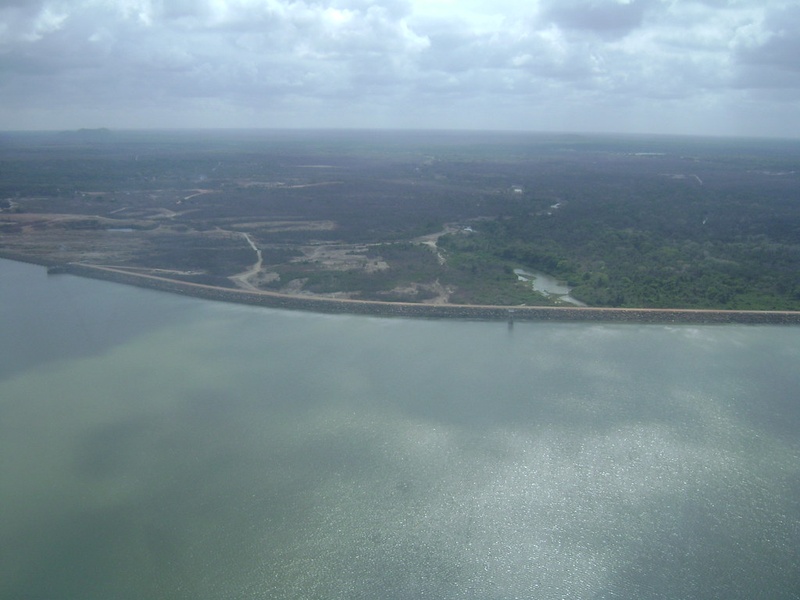
Located in Ceará, the Castanhão reservoir is the state’s largest water storage. It supplies drinking water, irrigation, and industrial use, including water for Fortaleza. It faces strong seasonal stress and is vital for semi-arid water planning.
Guaíba
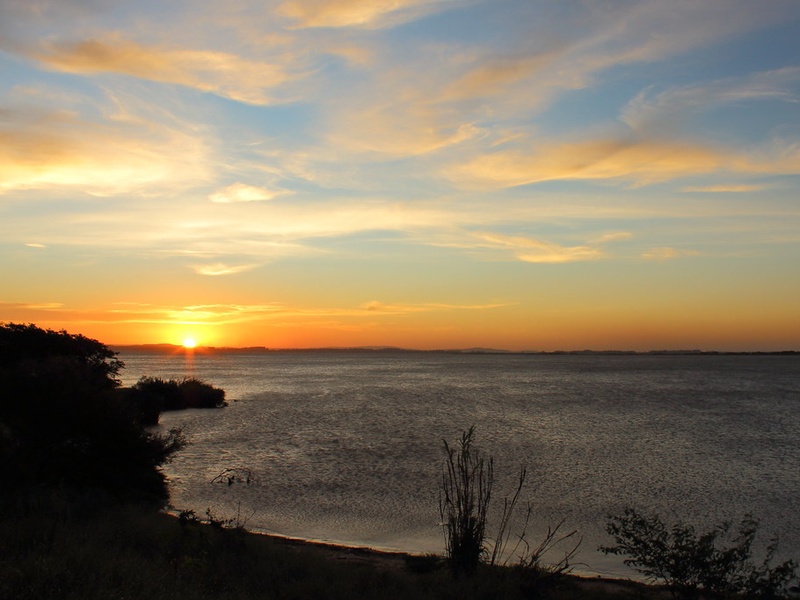
Situated in Rio Grande do Sul, Lago Guaíba is a broad estuarine lake beside Porto Alegre. It links to Lagoa dos Patos and the Atlantic via channels. It serves urban transport, ports, and public waterfronts and is included as a major natural urban water body.