
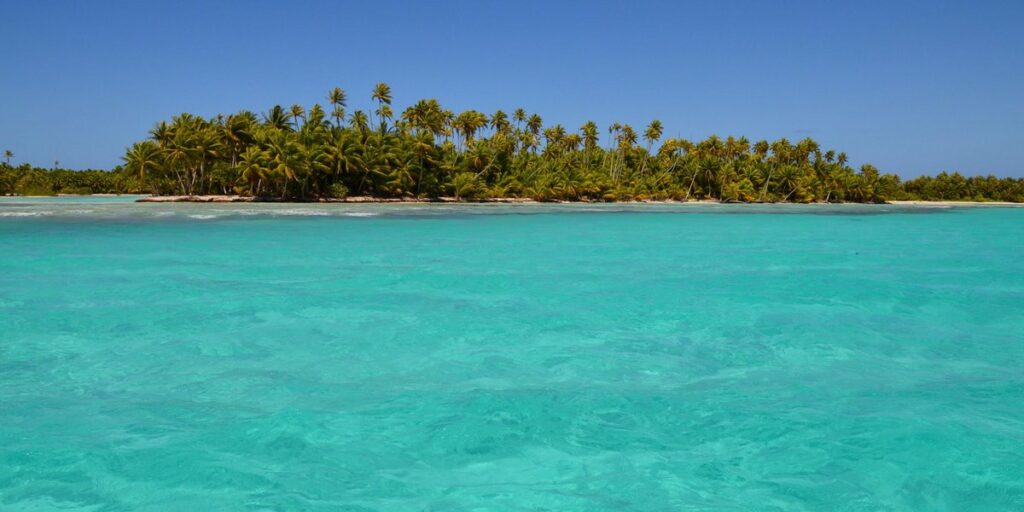
Tonga has lakes — just not many people know where they are. Most travel coverage of the Kingdom focuses on humpback whales and coral reefs, and the lakes get buried in a Wikipedia stub or a single-sentence mention in a geography encyclopedia. That’s a shame, because a couple of them are genuinely worth planning a trip around.
Here’s a complete rundown of the notable lakes in Tonga: what they are, where they sit, what formed them, and whether you can actually swim in them.
Table of Contents
- Vai Lahi — The Crater Lake of Niuafoʻou
- Vai Siʻi — The Small Lake
- Tofua’s Crater Lake — Inside an Active Volcano
- The Blue Lagoon, Vava’u — Not Technically a Lake, But Close
- Getting to These Lakes
Vai Lahi — The Crater Lake of Niuafoʻou {#vai-lahi}
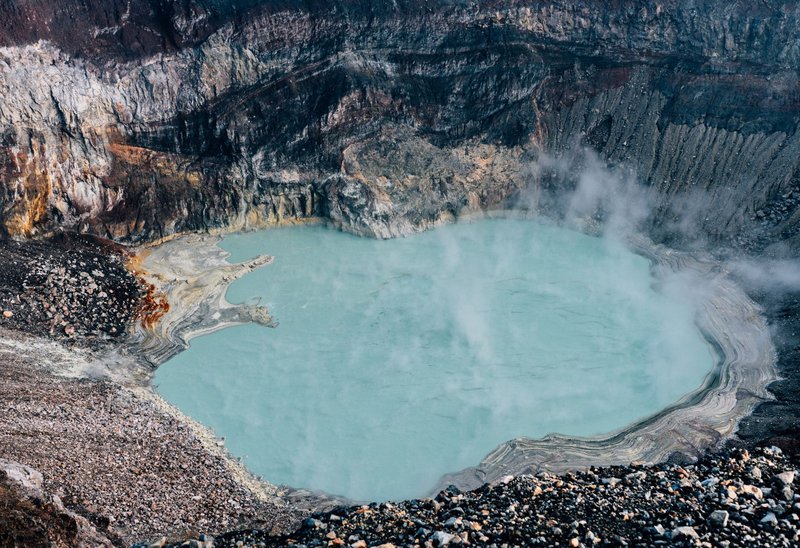
Vai Lahi is the most significant lake in Tonga, and it sits in one of the most remote places in the Pacific. Niuafoʻou is a circular volcanic island roughly 400 km north of the main Tongan island group — so far north it’s closer to Samoa than it is to Tongatapu. The whole island is essentially a shield volcano, and Vai Lahi fills its caldera.
“Vai Lahi” means “big water” in Tongan, which undersells it somewhat. The lake spans around 5 km across and sits roughly 22 meters above sea level. It’s a freshwater lake — unusual for a Pacific volcanic island — and has a smaller lake nested inside it called Vai Siʻi (more on that below). That two-lake nesting is what makes Niuafoʻou genuinely unusual in the region.
The lake formed after the volcano’s last major eruption sequence. Niuafoʻou has erupted repeatedly in recorded history — most recently in 1985, and the island was evacuated entirely in 1946 after an eruption destroyed the main village. The lake’s shoreline still shows evidence of that volcanic history: lava fields, steaming vents, and unstable ground in places.
Can you swim in Vai Lahi? Yes, and it’s reportedly calm and clear. But reaching it requires crossing lava fields and navigating terrain with no formal trail infrastructure. Go with someone who knows the island.
How to get there: Niuafoʻou is served by occasional Royal Tongan Airlines flights from Tongatapu — roughly weekly, and subject to weather and operational changes. There are no tourist facilities to speak of. This is genuinely off-the-beaten-path travel: you’ll need to arrange accommodation with a local family in advance.
Vai Siʻi — The Small Lake {#vai-sii}
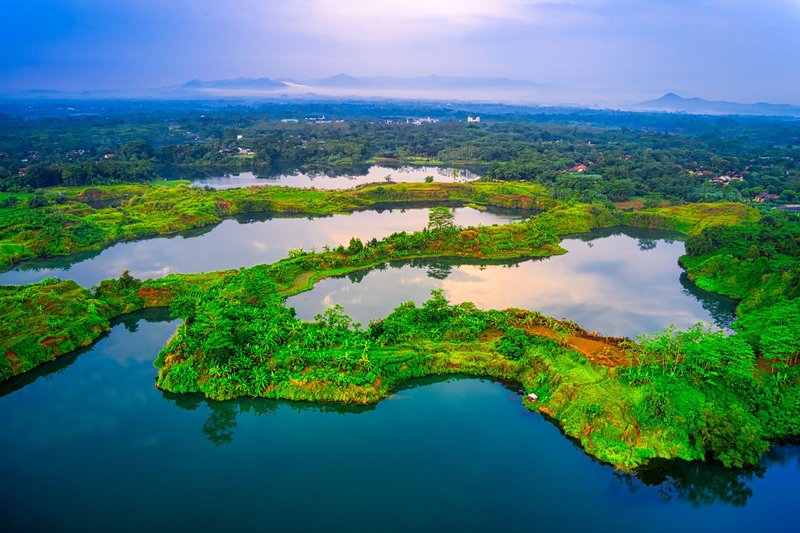
Vai Siʻi (“small water”) sits inside Vai Lahi — a lake within a lake within a volcanic caldera. It’s a smaller, shallower body of water on the floor of Vai Lahi near its southern shore. The two lakes aren’t directly connected at the surface; Vai Siʻi appears to be fed by groundwater seepage through the volcanic rock.
It doesn’t attract separate visits — most people who make it to Niuafoʻou see both lakes as part of the same excursion. But the geological oddity of the setup is worth knowing about. Two nested freshwater lakes on a tiny active volcano in the remote Pacific is not a thing that happens everywhere.
Can you swim in Vai Siʻi? It’s shallow and accessible, so swimming is technically possible, but most visitors treat it as a viewing stop rather than a swimming destination.
Tofua’s Crater Lake — Inside an Active Volcano {#tofua}
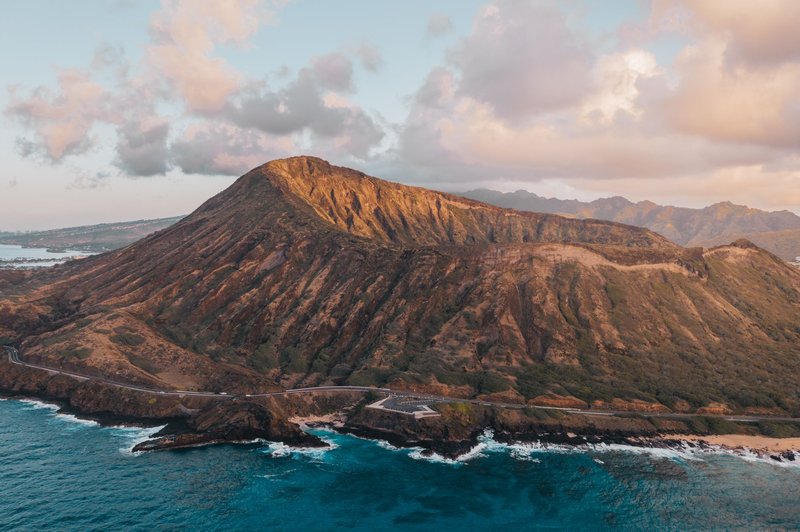
Tofua is a different beast entirely. It’s an active shield volcano in the Ha’apai island group, about 60 km west of the main Ha’apai cluster. Unlike Niuafoʻou, which is relatively quiet by modern standards, Tofua has been in a state of near-continuous low-level eruption for decades — making it one of the more persistently active among the active volcanoes in Oceania. The Smithsonian Global Volcanism Program has tracked its activity extensively.
Inside the caldera sits a crater lake — a hot, acidic body of water surrounded by active fumaroles, steam vents, and sulphur deposits. The lake level and chemistry fluctuate with volcanic activity. It’s visually dramatic in the way that only an active volcanic landscape can be: the water is sometimes a murky greenish-grey, the air smells of sulphur, and the crater walls are stained yellow from mineral deposits.
This is the same island where, in 1789, survivors of the HMS Bounty mutiny landed to find food and water after being set adrift by Fletcher Christian. They found the island inhabited and hostile, and one crew member was killed there — making Tofua a footnote in one of maritime history’s most dramatic stories.
Can you swim in Tofua’s crater lake? No. The water is acidic and the volcanic activity makes the crater unstable. This is a look-don’t-touch destination.
How to get there: Ha’apai’s main island, Lifuka, has an airport served from Tongatapu. From Lifuka, you’d need to charter a boat to Tofua — roughly a 2-hour crossing depending on conditions. Ha’apai can have rough seas, particularly outside of the main tourism season (June–October). The crater hike itself takes around 2–3 hours round-trip from the shoreline.
The Blue Lagoon, Vava’u — Not Technically a Lake, But Close {#blue-lagoon}
Vava’u’s Blue Lagoon is technically a sheltered coastal inlet — a tidal lagoon enclosed on nearly all sides by land — but it functions like a lake in every practical sense. The water is calm, clear, and turquoise, and it’s one of the most photographed spots in Tonga.
Located at the southern end of the Vava’u island group, the Blue Lagoon is accessible by boat from Neiafu (the main town) in about 30–40 minutes. Day trips run regularly, and it’s a standard stop on sailing tours through the archipelago. The Vava’u island group is well-regarded as a sailing destination in the South Pacific for exactly this kind of protected-water sailing.
Can you swim there? Yes, and the snorkelling is decent too. The lagoon’s relatively enclosed nature means calmer water than the open ocean, and visibility is generally good.
How to get there: Vava’u’s Lupepau’u Airport has flights from Tongatapu (roughly 1 hour). Boat hire or day tours from Neiafu are easy to arrange. This is the most accessible of any water destination on this list.
Getting to These Lakes {#getting-there}
Tonga doesn’t make remote-island travel easy, and most of these lakes reflect that. A quick breakdown:
| Lake | Island | Accessibility |
|---|---|---|
| Vai Lahi | Niuafoʻou | Difficult — remote island, irregular flights, no tourist infrastructure |
| Vai Siʻi | Niuafoʻou | Same as Vai Lahi — visited together |
| Tofua crater lake | Tofua | Moderate-difficult — boat charter from Ha’apai, active volcano risk |
| Blue Lagoon | Vava’u | Easy — day trips from Neiafu |
For most travelers, the Blue Lagoon in Vava’u is the realistic option and it’s genuinely worth visiting on its own terms. Niuafoʻou requires serious planning and a tolerance for minimal infrastructure — but the twin-lake volcanic caldera is the kind of place that earns its own category. Tofua sits somewhere in between: reachable on a dedicated day from Ha’apai, but only sensible if you’re already in the area and the sea conditions cooperate.
Tonga’s lakes aren’t the reason most people book flights to the Pacific. But if you’re already going — or if you’re the kind of traveler who collects genuinely unusual geography — at least one of them is worth the detour.