
Table of Contents
- TLDR
- The Main National Languages at a Glance
- Why the Percentages Don’t Match Across Websites
- Which Language Dominates in Which Region
- Official Language vs. National Languages
- What People Actually Use Day to Day
- N’Ko and Adlam: Two Home-Grown Alphabets
- Traveler FAQ and Useful Phrases
TLDR
French is Guinea’s official language, and it’s what you’ll find in schools, government offices and on road signs. But more than 40 languages are spoken in the country, and three of them do most of the talking: Pular (Fula) in the center, Maninka (Malinké) in the east and northeast, and Susu on the coast and in Conakry. The 2014 census puts them at roughly 35%, 25% and 18% of the population. Guinea’s September 2025 constitution also moves the national languages toward official status next to French.
The Main National Languages at a Glance
Here are the languages that matter most for the languages spoken in Guinea question, with shares from the 2014 census as reproduced in most reference sources.
| Language | Share of population | Main region | Where to hear it |
|---|---|---|---|
| Pular (Fula) | 34.6% | Middle Guinea (Fouta Djallon) | Labé, Mamou, Pita, Dalaba |
| Maninka (Malinké) | 24.9% | Upper Guinea | Kankan, Siguiri, Kouroussa |
| Susu | 17.7% | Maritime Guinea | Conakry, Kindia, Boffa, Forécariah |
| Koniaka | 4.5% | Forest Guinea | Southeast, near the Ivorian border |
| Kissi | 4.1% | Forest Guinea | Guéckédou, Kissidougou |
| Kpelle | 4.0% | Forest Guinea | Nzérékoré, Yomou |
Loma (also written Toma) is a further national language in Forest Guinea. Kono is spoken in the south, mostly around Lola. Smaller groups such as the Baga and Nalu on the coast and the Jalonke in the north add to the 40-plus total.
Pular is the Guinean name for the Fula language. It’s the same language family as the Fulfulde spoken from Senegal to Cameroon, and the Fouta Djallon highlands are its heartland. In Labé and Mamou regions, more than nine in ten residents speak it as their main language.
Why the Percentages Don’t Match Across Websites
Search for this topic and you’ll see two sets of numbers. Some pages say Pular is spoken by 40% of Guineans, Malinké by 30% and Susu by 20%. Others say 34.6%, 24.9% and 17.7%.
The second set comes from the 2014 census and is the one to trust. The first set is a rounded-up estimate that circulated for years and adds up to a suspiciously tidy 90% for just three languages. Some of the older lists also leave Susu off the national languages entirely, which anyone who has spent an hour in Conakry will know is wrong.
One caution on the census numbers: each person is counted under one main language, but plenty of Guineans use two or three daily. A Susu speaker in Conakry will often understand Pular and French too, so the shares describe who speaks what at home, not the limits of what people can understand.
Which Language Dominates in Which Region
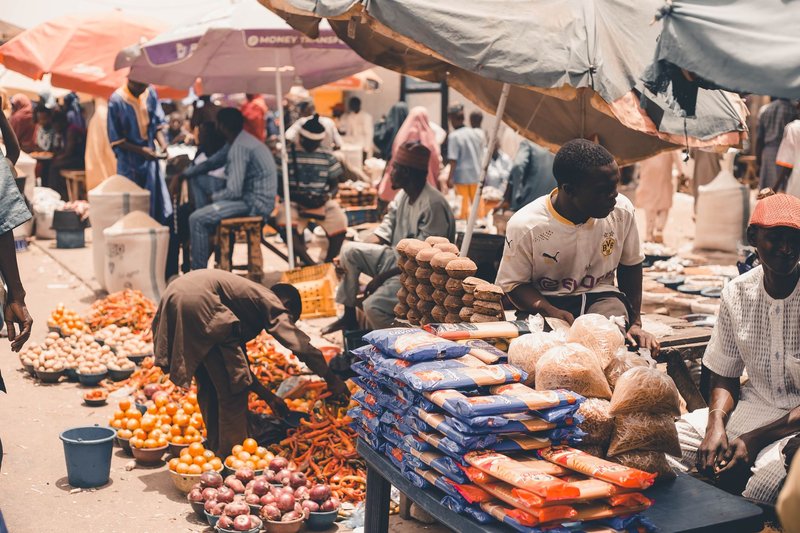
Guinea splits into four natural regions, and the language map follows them closely.
Maritime Guinea (Basse-Guinée). Susu is the dominant language here, and it carries well beyond the coast because Conakry sits in this region. Around 37% of Conakry residents speak it as their main language. In Kindia region the figure is about 55%. Baga, Nalu and other smaller coastal languages survive in villages along the shore.
Middle Guinea (Moyenne-Guinée). This is the Fouta Djallon plateau, and it’s Pular country. In Labé region about 94.5% speak it, and in Mamou about 92.4%. If you’re hiking to waterfalls near Dalaba or Pita, greeting people in Pular goes further than French.
Upper Guinea (Haute-Guinée). Maninka dominates, with Kankan region at about 87%. Kankan is the main Maninka city and a center of Manding learning. The language is closely related to Bambara in Mali and Dioula in Côte d’Ivoire, so a Maninka speaker can talk across several borders.
Forest Guinea (Guinée Forestière). The most mixed region. Kissi is spoken around Guéckédou and Kissidougou, Kpelle around Nzérékoré and Yomou, and Loma, Koniaka and Kono in nearby areas. Many of these languages continue across the borders into Liberia and Sierra Leone, which means one language can have communities in three countries.
Official Language vs. National Languages
The two terms get mixed up constantly, and the answer depends on which year you check.
Official language. Under the 2010 constitution, French was the only official language. Guinea’s September 2025 constitution changes that: its supporters, including the president of the transitional council, said the national languages now have the same standing as French. Some reference sources still list French as the sole official language, so you’ll find conflicting statements online. In practice, French remains the language of the civil service, courts and classrooms.
National languages. Since independence in 1958, Guinea has recognized a set of indigenous languages as national languages. Sources disagree on whether that’s six or seven, mostly because Fula and Pular get listed as separate entries when they’re the same language. The standard list is Pular, Maninka, Susu, Kissi, Kpelle and Loma. Koniaka isn’t on the core list even though the census counts more Koniaka speakers than Kissi or Kpelle speakers.
French came with colonial rule and stayed. According to the CIA World Factbook, French is the official language, and it works as the shared language between ethnic groups who don’t speak each other’s mother tongue. Estimates put French speakers at roughly 28% of the population as of 2024, mostly as a second language.
What People Actually Use Day to Day
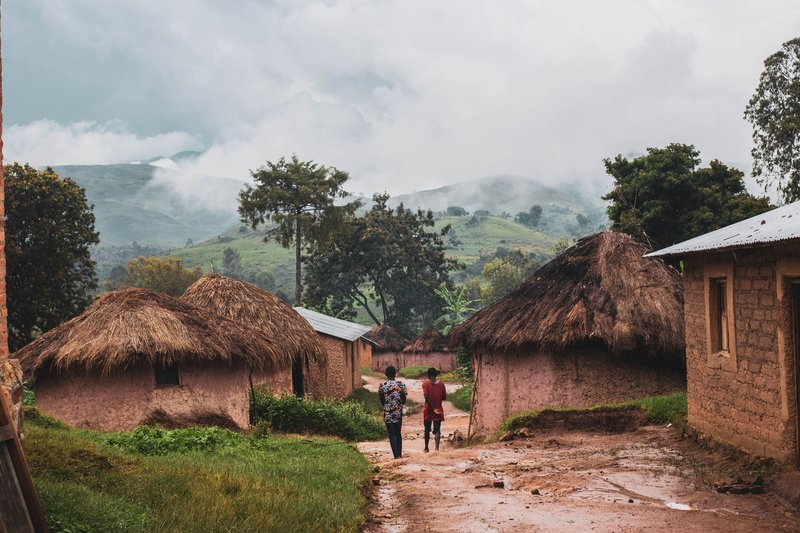
The legal picture and the street picture don’t line up.
French is the language of school, official paperwork, banks, and most signs. A hotel clerk, a police officer, a customs agent and a university student will all use it. Outside the cities, plenty of adults never had French lessons and rely on Pular, Maninka or Susu.
Susu is the working language of Conakry. It’s the language of the market, the taxi rank and street trade, even among people whose families come from the interior. Pular is the second voice of the capital because so many traders and shop owners come from Fouta Djallon. Maninka is the language of commerce along the Niger River and in the northeast.
Radio does a lot of the heavy lifting. Broadcasts run in French, Pular, Maninka, Susu and several Forest languages, which is how news reaches towns where reading isn’t common. If you pick up a local station while traveling, you’ll often hear the same bulletin repeated in four or five languages one after another.
N’Ko and Adlam: Two Home-Grown Alphabets
Guinea is unusual in having produced two writing systems for its own languages in the twentieth century.
N’Ko was created in 1949 by Solomana Kanté, a Guinean scholar from the Kankan area, for the Manding languages including Maninka. It’s written right to left, and its name means “I say” in Manding languages. Kankan has a long N’Ko publishing tradition, with schools, newspapers and translations.
Adlam was created in the late 1980s by two teenage brothers from Guinea, Ibrahima and Abdoulaye Barry, to write Fula. The name is an acronym meaning “the alphabet that will protect the people from vanishing.” It entered Unicode in 2016, which put it on phones and computers. Pular is also written in the Latin alphabet in many settings, but Adlam is common among younger Fula speakers.
Both scripts are now being promoted through language-policy measures, so expect to see them on more public materials over the coming years.
Traveler FAQ and Useful Phrases
Do I need French to travel in Guinea? Yes, at least a basic level. French covers hotels, transport, offices and most dealings with officials. English is rare outside tourism and NGOs.
Which local language should I learn? Pick by route. For Conakry and the coast, Susu. For Fouta Djallon hikes, Pular. For Kankan and the east, Maninka. If you’re moving around the whole country, Pular and Maninka cover the largest areas.
Will I get by in only one language? In cities, mostly. Outside them, expect to need a local contact or driver who can switch between French and the regional language. Check the UK government travel advice for Guinea before you go, because security conditions affect which regions are open to visitors.
Do people appreciate it if I try? Yes. A greeting in the local language gets noticed far more than a perfect French sentence.
A few starters:
- French: Bonjour (hello), Merci (thank you), C’est combien ? (how much?)
- Pular: Jaaraama (thank you). The standard reply to a greeting is “Jam tun,” roughly “peace only.”
- Maninka: I ni ce (hello, and also thanks), I ni sogoma (good morning)
Greetings in Guinea are longer than a quick hello. People ask after your health, your family and your night before getting to the point, so a few extra seconds of back-and-forth is part of the exchange, in any language.


