TLDR
- Serious danger in Algeria is concentrated in the Sahara and the border zones, not in the big northern cities.
- Tamanrasset, Djanet and Bechar top this list because of kidnapping, terrorism and military-zone restrictions, not because of crime rates.
- Algiers, Oran, Annaba, Sidi Bel Abbes and Constantine are mostly a pickpocketing, phone-snatching and bag-grabbing problem. Violent crime against visitors is uncommon.
- Official advisories treat “crime” and “security” as separate risks. Most online rankings blur them together.
Contents
- How this ranking works
- 1. Tamanrasset
- 2. Djanet
- 3. Bechar
- 4. Tizi Ouzou
- 5. Blida
- 6. Sidi Bel Abbes
- 7. Annaba
- 8. Oran
- 9. Algiers
- 10. Constantine
- Summary table
- Checkpoints, desert permits and advisory levels
The most dangerous cities in Algeria are not the ones you’d guess from a crime index. A handful of unsourced scores circulate online (Sidi Bel Abbes around 71, Annaba around 60, Oran around 58, Algiers just under 52), and they get repeated as if they were measurements. They aren’t. The risk that governments actually warn about sits in the far south and along the borders with Libya, Mali, Niger and Mauritania, and it has little to do with whether someone lifts your wallet in a market.
So this list separates the two. Some entries are dangerous because of street crime. Others are dangerous because of kidnapping, terrorism or access rules that make going without a guide a bad idea.
How this ranking works
There’s no official city-by-city danger score for Algeria, so this is a judgment ranking. It weighs the severity of the worst realistic outcome for a foreign visitor, then how often trouble happens, using the US State Department advisory, the UK government’s foreign travel advice and Canada’s Algeria travel page as the backbone. Where a claim comes from reporting rather than an advisory, it says so.
Two caveats. Advisories change, and every one of them carries a “last updated” date at the top, so read that before you trust anything here, this post included. And “dangerous” is relative: millions of Algerians live in every city below, and most visitors who follow basic precautions leave with nothing worse than a story about the traffic.
1. Tamanrasset
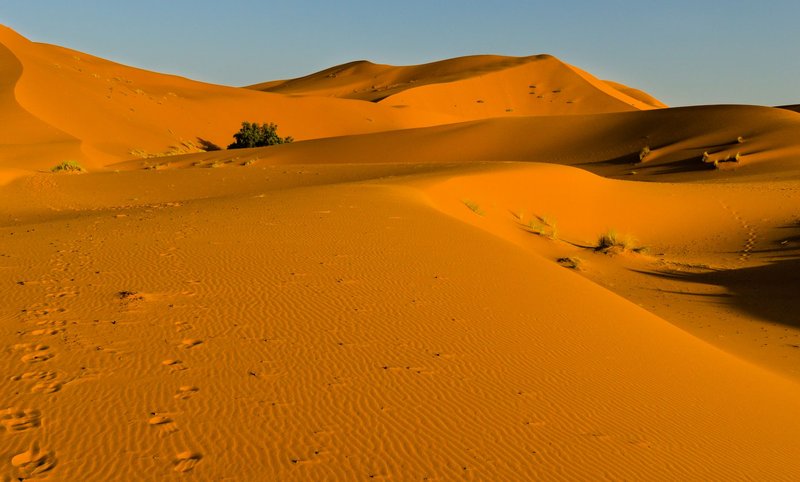
Tamanrasset is the capital of the Hoggar region, roughly 1,900 km south of Algiers, and the main base for treks to the Assekrem plateau. It’s also several hundred kilometers from the Mali and Niger borders, which is the reason it leads this list.
The threat here is kidnapping and armed groups operating across the Sahel. Algeria has a precedent: in 2003, around 30 European tourists were seized in the Sahara in southern Algeria, and the Sahel has produced kidnappings of foreigners on and off ever since. The State Department advises against travel to the areas near the southern borders, and Tamanrasset sits uncomfortably close to that line.
In the city itself, day-to-day crime is low-key. The more practical risk is leaving town: roads toward the borders are militarized, and moving around the Hoggar without a registered local guide isn’t realistic or advisable.
What to do: book through a licensed Algerian agency, stay on routes your guide has cleared, and don’t improvise detours toward the border.
2. Djanet
Djanet is the gateway to the Tassili n’Ajjer, a plateau of rock art and sandstone formations that is the main reason foreigners fly this far south. It’s quiet, small and generally welcoming. It’s also near the Libyan border, in a region where the January 2013 attack on the In Amenas gas plant killed dozens of foreign workers and showed that remote sites in the southeast are not immune.
Most trips here are organized, with the agency handling permits, escorts and the flight in. That structure is the safety measure. The risk rises sharply for anyone who tries to get around it.
What to do: treat the agency’s itinerary as fixed. Don’t drive toward the Libyan frontier, and expect military checks on the roads out of town.
3. Bechar
Bechar is a garrison city in the west, in the northern Sahara, with a significant military presence. The land border with Morocco has been closed since 1994, and diplomatic relations between the two countries were cut in August 2021, so the frontier zone is tightly controlled.
Crime against visitors is rarely the story. The story is access: this is a region with restricted areas, frequent checkpoints, and very few foreign tourists, which means you stand out and officials will ask what you’re doing. Taking photos of anything that looks military is a real way to lose an afternoon.
What to do: carry your passport and visa at all times, skip photography near barracks and borders, and keep your itinerary simple.
4. Tizi Ouzou
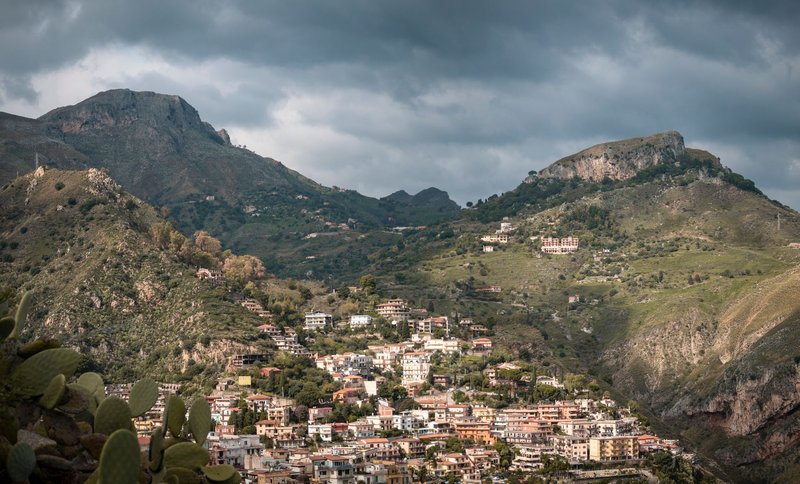
Tizi Ouzou is the main city of Kabylie, a mountainous Berber-speaking region east of Algiers. Kabylie was hit hard by militant violence in the 1990s and 2000s, and past State Department advisories have singled out parts of the region for extra caution.
In practice the city is lively and the countryside is beautiful. The risks are more specific: road accidents on winding mountain routes, occasional protests, and wildfires in summer. The August 2021 fires killed dozens of people across Kabylie, and the same week a man was lynched in Larbaa Nath Irathen after being falsely accused of arson, a grim reminder that panic travels fast here.
What to do: avoid demonstrations, check fire and weather conditions in summer, and avoid driving mountain roads at night.
5. Blida
Blida sits at the foot of the Atlas Mountains about 45 km southwest of Algiers. In the 1990s the surrounding Mitidja plain was one of the most violent areas of the civil war, sometimes called the “triangle of death.” That history is why Blida appears on lists like this one.
Today it’s a known garden city with an old town and a strong local identity, and it’s usually visited as a day trip from the capital. The residual risk is lower than the reputation. The main problems are traffic, petty theft in busy markets, and the mountains above the city, which are the kind of terrain where security forces still conduct operations.
What to do: day-trip rather than overnight if you’re nervous, stay in town, and don’t hike the Chrea hills without local advice.
6. Sidi Bel Abbes
Sidi Bel Abbes, in the northwest, was the headquarters of the French Foreign Legion until 1962. It’s a large, grid-planned city that almost no foreign tourist visits, which is part of why it tops some crime-index lists: the number comes from residents’ reported experience, and there’s no visitor baseline to compare with.
The complaints there are familiar from any mid-sized city in the region: bag snatching, phone theft, break-ins, and drug-related crime on the outskirts. Violence against foreigners is rare, mostly because there are so few foreigners.
What to do: don’t carry your phone loose on the street, stay in the center after dark, and use a registered taxi rather than flagging whatever stops.
7. Annaba
Annaba is the main port in the northeast, close to the Tunisian border and near the Roman ruins of Hippo Regius. It’s a better-run city than its crime-index score of around 60 suggests, but ports bring the usual mix: pickpockets, scams around the harbor, and aggressive touts.
The border region west and south of the city is a different matter. Parts of the Algerian-Tunisian frontier, including mountain areas around Chaambi on the Tunisian side, have long been flagged for militant activity, and the State Department has listed border areas in its higher-risk warnings.
What to do: keep valuables out of sight around the harbor and the Cours de la Révolution, and don’t wander toward the Tunisian border by road.
8. Oran
Oran is Algeria’s second city, a port with Spanish and French layers, a famous music scene (it’s the home of raï), and a reputation for late nights. Its crime-index score hovers near 58, and the reports behind it are dominated by theft: bag snatching along the corniche, pickpocketing in crowded areas, and car break-ins.
Areas that deserve more care after dark include the streets around the main station and port and the poorly lit corners of the old Sidi El Houari district. Most visitors stay near the Place du 1er Novembre and the seafront and have no trouble.
What to do: take taxis at night, keep phones and cameras off the table at cafe terraces, and don’t leave anything visible in a parked car.
9. Algiers
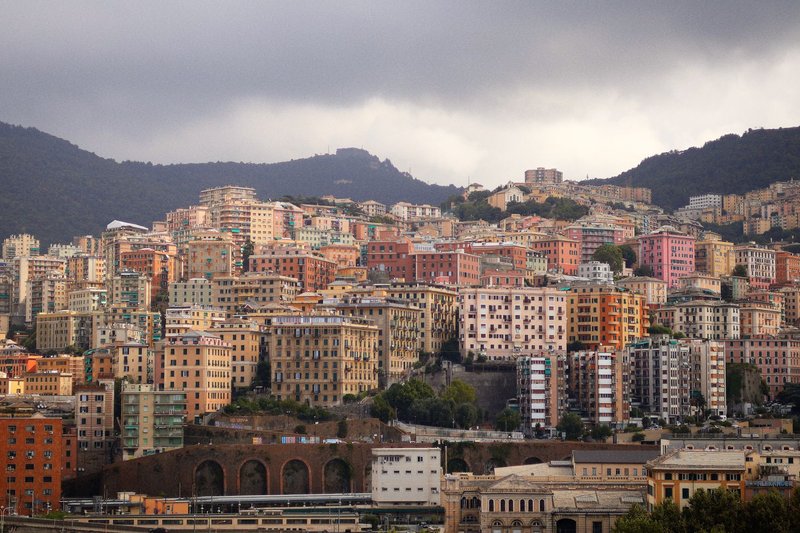
Algiers scores just under 52 on the crime index that gets quoted most, which is lower than Oran or Annaba. It ranks here because it’s the city where foreigners spend the most time, so most incidents involving them happen here.
The usual concerns apply. Pickpocketing and bag snatching are common around the Tafourah transport hub, the Casbah’s narrow alleys and the Bab El Oued district. Protests are another factor: the Hirak movement filled central Algiers every Friday from February 2019, and while those marches have faded, sudden gatherings can still close roads and draw police.
For crime in Algiers, the best defense is boring. Don’t flash a phone near the road edge, use hotel-booked taxis or ride-hailing apps, and be deliberate about where you walk after dark.
What to do: stick to Didouche Mourad, the Grande Poste area and Hydra for evenings, and go into the Casbah in daylight, ideally with a local guide.
10. Constantine
Constantine, the “city of bridges” on a limestone gorge in the northeast, closes the list as the safest of the ten. The main practical risks are pickpocketing in the Souika market and around the bridges, hustlers at the railway station, and traffic on very steep, narrow streets.
Constantine has had episodes of unrest and an attack on a police target in 2017, but nothing that changes the picture for visitors. It earns a place on the list because it’s a large city with a real, if modest, level of street crime, not because of any specific threat to tourists.
What to do: walk the old town and the Sidi M’Cid bridge in daylight and keep bags zipped in the Souika crowds.
Summary table
| # | City | Main risk | Risk level for visitors |
|---|---|---|---|
| 1 | Tamanrasset | Kidnapping, Sahel border security | High (outside the city especially) |
| 2 | Djanet | Border security, remote-area attacks | High if unescorted, moderate with agency |
| 3 | Bechar | Military zones, border restrictions | Moderate |
| 4 | Tizi Ouzou | Protests, wildfire, mountain roads | Moderate |
| 5 | Blida | Legacy security risk, petty theft | Moderate |
| 6 | Sidi Bel Abbes | Bag snatching, property crime | Moderate |
| 7 | Annaba | Port theft, scams, nearby border | Moderate |
| 8 | Oran | Bag snatching, car break-ins | Moderate |
| 9 | Algiers | Pickpocketing, protests | Moderate |
| 10 | Constantine | Pickpocketing, traffic | Low to moderate |
Checkpoints, desert permits and advisory levels
Checkpoints. Expect police and gendarmerie checkpoints on the main roads, especially at the edge of cities and in the south. Slow down, roll the window down, hand over your passport and a visa copy if asked, and answer plainly. They’re routine, not a sign something is wrong. Keep photocopies of your passport, because officers may keep or inspect documents for a few minutes.
Desert and solo travel. In the Sahara, independent travel is heavily restricted. Visits to areas like the Hoggar and Tassili are expected to go through licensed agencies, and permits and escorts are normally part of the package. Driving yourself into the deep south, even in a capable 4×4, isn’t a loophole the authorities accept.
Advisory levels. The US State Department has recently placed Algeria at “Reconsider travel” overall, with “Do not travel” language for the border areas with Libya, Mali, Niger and Mauritania. The UK and Canadian governments advise against all travel to border zones and parts of the south, while allowing travel to the main northern cities. Check the “last updated” date on all three before you book, and register with your embassy’s traveler program if it has one.
Women travelers. Street harassment in the big cities is the most commonly reported problem. Dressing modestly, avoiding empty streets at night and using hotel-arranged transport cuts most of it. Violence against foreign women is uncommon, but being stared at and followed by comments is routine in some neighborhoods.
The safer-cities question. If you’re searching for the safest cities in Algeria, the pattern from this list holds: the big northern cities with tourist infrastructure, such as Algiers, Constantine and Oran, are manageable with ordinary urban precautions. The border and Saharan regions are where preparation, a guide and a current advisory decide whether the trip is sensible.