Zion Canyon sits at about 4,000 feet. The rim at Bryce Canyon, a two-hour drive away, runs from 8,000 to 9,115 feet. On the same October trip you can start a morning below freezing at Bryce and finish an afternoon in Zion at 78 F.
That spread is why deciding what to pack for Utah national parks is mostly about layers, water and feet. The Mighty 5 (Zion, Bryce Canyon, Capitol Reef, Canyonlands and Arches) share little shade on most trails, almost no water at trailheads and long drives between them. Pack for those three first.
What to pack for Utah national parks, sorted by bag
Most visitors fly into Las Vegas or Salt Lake City and drive. Here is a packing list for Utah national parks, split by bag, that works for a 5- to 10-day loop.
Carry-on (what you wear and can’t replace on the road)
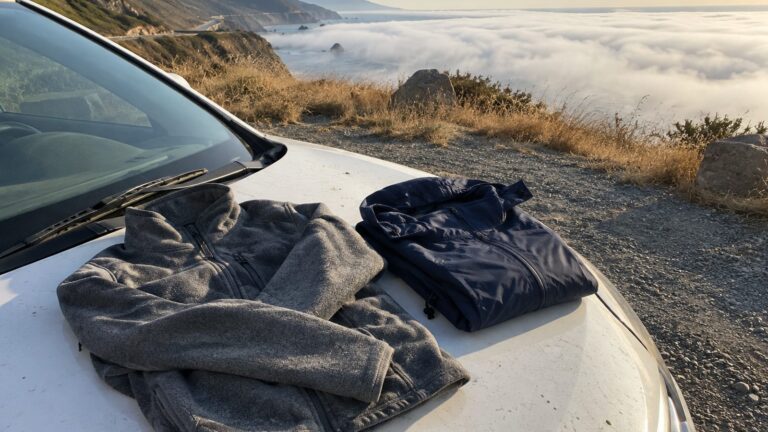
- One fleece and one packable puffer, worn on the plane
- 2-3 quick-dry tops and a UPF sun hoodie
- Hiking pants plus shorts from May to September
- Trail runners or light hikers on your feet
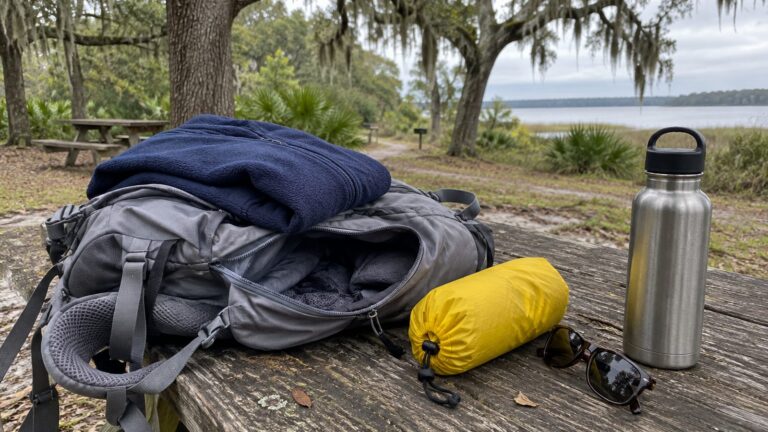
- Phone, power bank, sunglasses, any medication
Checked bag (anything pointed, bulky or for one hike)
- Trekking poles with sharp tips
- Traction cleats from November to April
- Neoprene socks and closed-toe water shoes for the Narrows
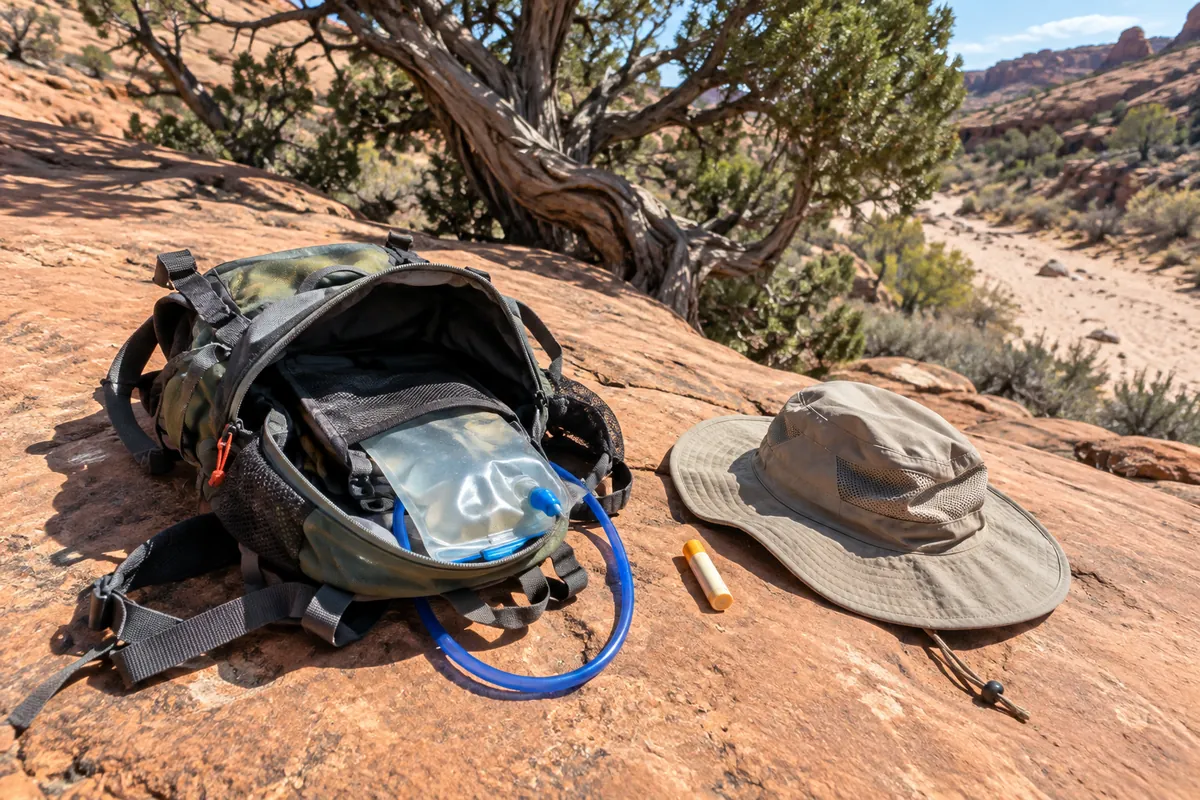
- Full-size sunscreen and a 3-liter water reservoir
Day pack (what rides on your back every morning)
- 3-4 liters of water per person, more in summer
- Wide-brim hat, sunscreen, lip balm
- Salty food and electrolyte packets
- A warm layer, even in July
- Rain shell from July to September
- Headlamp, paper map, small first aid kit
Which park and which month change the list
The parks sit at very different heights, so check two climates, not one. Zion and Arches are desert. Bryce is a mountain plateau with snow from October to May. Capitol Reef and Canyonlands fall between, and the Island in the Sky district of Canyonlands is noticeably windier and cooler than Moab below it.
| Month | Zion Canyon (about 4,000 ft) | Bryce Canyon (about 7,900 ft) | What changes in the bag |
|---|---|---|---|
| January | 54 F / 30 F | 37 F / 17 F | Puffer, thermals, traction cleats |
| April | 73 F / 44 F | 54 F / 29 F | Fleece and shell; Narrows often closed by snowmelt |
| July | 100 F / 70 F | 80 F / 52 F | Sun hoodie, extra water, rain shell for storms |
| October | 78 F / 49 F | 58 F / 32 F | Warm hat and gloves for Bryce mornings |
NPS puts the gap between the daily high and low at Bryce at up to 50 F. In April 2012 I stood at Sunrise Point at about 25 F in a cotton hoodie, with frost on the railing, and by early afternoon in Queen’s Garden it was tied around my waist.
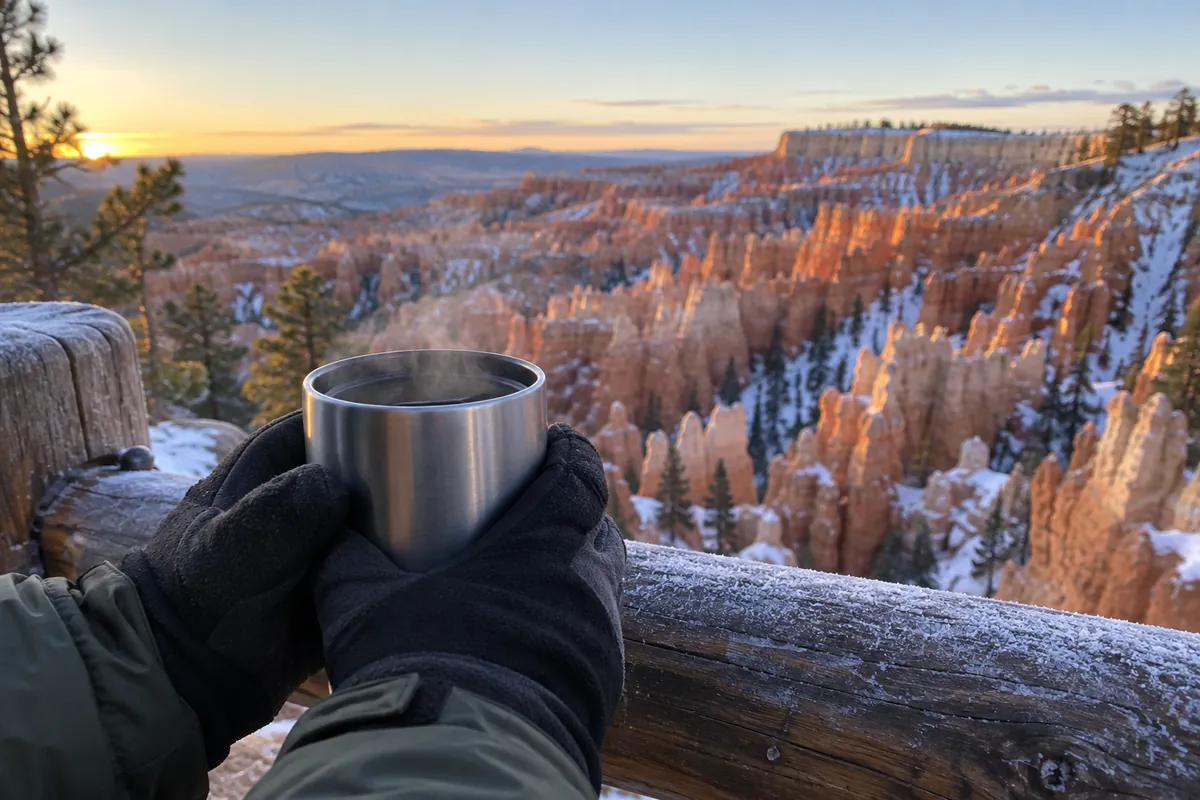
July through September is monsoon season. Storms build over the plateaus most afternoons, and a flash flood can come down a canyon under blue sky if it rained miles upstream. A shell is not optional in those months, and neither is an early start.
| Month | High °F / °C | Low °F / °C | Rain days | What to wear |
|---|---|---|---|---|
| Jan | 54 / 12 | 30 / -1 | 7 | Warm jacket and base layers; traction on shaded trails |
| Feb | 58 / 14 | 34 / 1 | 8 | Fleece and shell; big day-night swings |
| Mar | 66 / 19 | 39 / 4 | 7 | Layers and rain shell; Narrows high and cold |
| Apr | 73 / 23 | 44 / 7 | 6 | Light layers and shell; warm days, cold nights |
| May | 84 / 29 | 52 / 11 | 4 | Shorts by day, fleece at night; sun hat |
| Jun | 95 / 35 | 62 / 17 | 2 | Light long sleeves, wide hat; hike at dawn |
| Jul | 100 / 38 | 70 / 21 | 5 | Breathable sun shirt, hat; carry a storm shell |
| Aug | 98 / 37 | 69 / 20 | 6 | Sun shirt, hat; shell for monsoon storms |
| Sep | 91 / 33 | 61 / 16 | 4 | Sun layers; fleece for mornings; storm shell |
| Oct | 78 / 26 | 49 / 9 | 5 | Layers: shirt by day, jacket at dusk |
| Nov | 64 / 18 | 37 / 3 | 4 | Fleece, light puffy, long pants |
| Dec | 52 / 11 | 29 / -1 | 6 | Puffy, base layers, traction for icy shade |
Carry-on: the layers you’ll wear every day
What to wear in Utah national parks comes down to layers, because one day can cover three seasons. Think in layers you can peel off at the car and put back on at the next viewpoint.
A packable puffer for the high parks
A synthetic puffer covers Bryce mornings, Capitol Reef stargazing and the drop after sunset in Zion. Wear it on the plane so it costs you no space. It also packs into a day pack, which a heavy ski jacket won’t. Outside December to February, Zion and Arches only need a fleece.
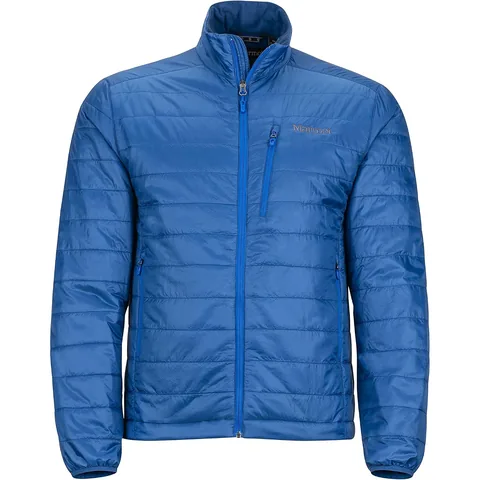
Marmot Calen PufferPremium
Desert nights drop 30 degrees or more from the afternoon high, and Bryce at 8,000-9,000 ft is cold in winter.
- Primaloft Black insulation made from 60% recycled content
- Highly packable; zippered hand and chest pockets
A sun hoodie instead of a T-shirt
Slickrock throws light back up at you, and trails like Delicate Arch (3 miles round trip, 480 feet of climbing) are fully exposed. A light hooded shirt with UPF 50 fabric covers your arms and neck and dries fast after a sweat. Plain cotton tees stay damp and cold once the sun drops.
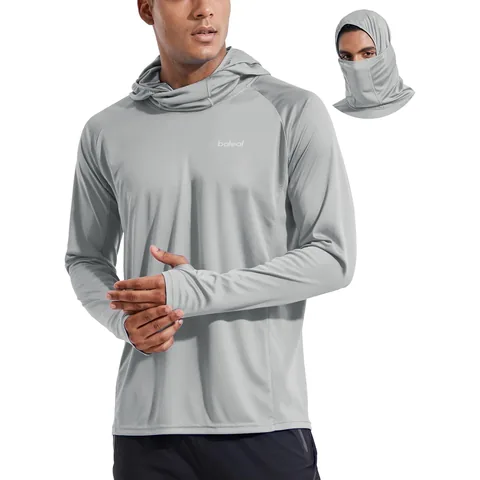
BALEAF UPF 50+ Sun HoodieBudget
Delicate Arch and most Arches and Canyonlands trails have no shade at 4,000-6,000 ft; a UPF hoodie covers arms and neck all day.
- UPF 50+ fabric that is breathable and quick-drying
- Built-in hood and neck gaiter, with thumbholes for hand coverage
For the rest of the clothes, two pairs of quick-dry pants or one pair of convertibles plus shorts covers a week. Pack wool or synthetic socks, one per hiking day. Restaurants in Springdale, Moab and Torrey are casual: hiking clothes are what everyone wears to dinner.
If you fly, keep in mind that TSA allows only blunt-tipped trekking poles in the cabin. Fuel canisters and bear spray are banned in both carry-on and checked bags, so buy stove fuel in St. George, Moab or Las Vegas after you land.
Checked bag: Narrows gear, traction and anything with a point
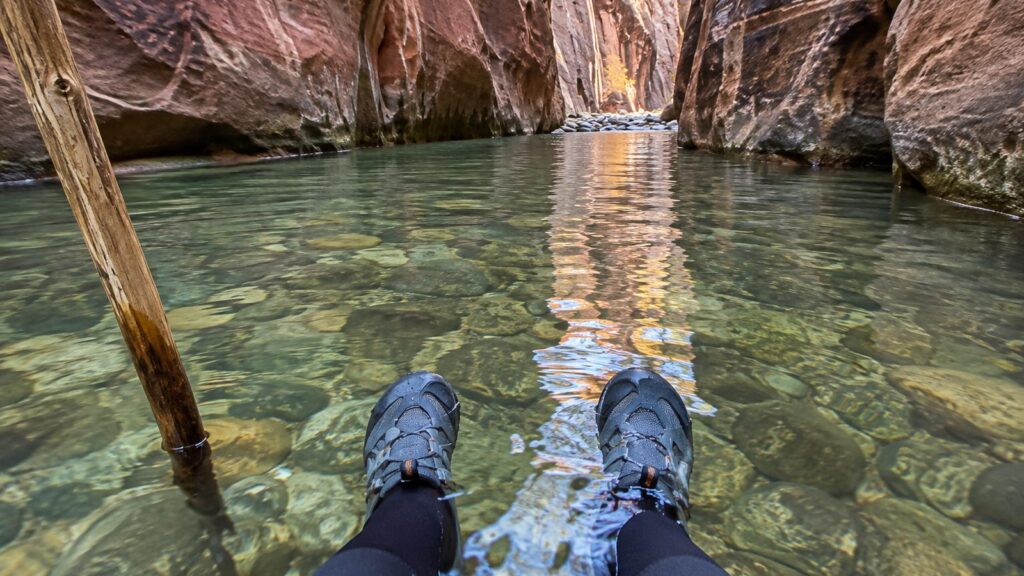
Neoprene socks for the Narrows
The Zion Narrows is a river hike: you wade the Virgin River upstream over round, slippery stones, often to your knees and sometimes deeper. NPS asks for closed-toe shoes with grip and a sturdy walking stick, and says sandals and bare feet are not appropriate. The water stays cold even in summer. If you bring your own shoes instead of renting a set, a neoprene sock under them keeps your toes working after the first hour.
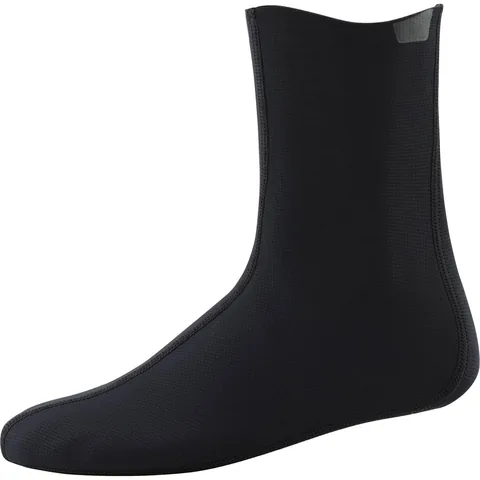
NRS HydroSkin WetsocksMid-range
The Zion Narrows is wading in cold river water for hours; a neoprene sock under your shoe keeps toes warmer.
- 0.5 mm neoprene core for low-profile warmth inside a shoe
- Nylon-spandex outer with DWR coating; snaps keep the pair together
You don’t need to fly with canyoneering shoes. Outfitters in Springdale rent the shoe, sock and stick as a set, and drysuits from late fall to spring. Check the river flow before you rent: the park closes the Narrows above 150 cubic feet per second and for at least two hours after a flash flood warning lifts. In September 2011 I had rented the full kit, then found a flash flood warning posted at the Temple of Sinawava shuttle stop; the shoes went back to the shop dry and I hiked the Watchman Trail instead.
Traction cleats from November to April
Shaded trails at Bryce, Zion’s upper trails and the slickrock of Canyonlands stay icy long after a storm. NPS recommends traction devices at Bryce throughout winter, and Bryce’s Wall Street section of the Navajo Loop closes for the season. The Navajo Loop and Queen’s Garden switchbacks below Sunset Point are where most visitors slip without them.
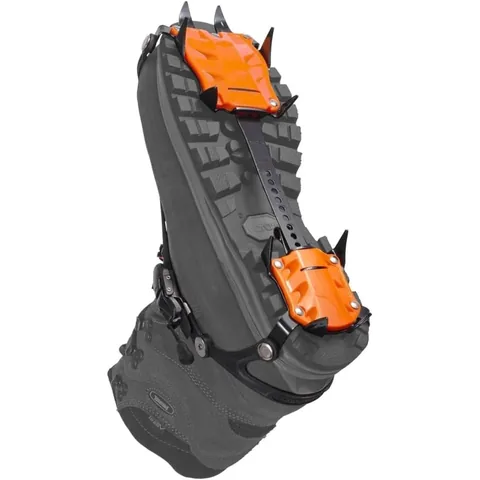
Hillsound Trail Crampon ProMid-range
Bryce sits at 8,000-9,000 ft and its shaded rim trails stay icy for much of winter; cleats stop slides.
- 10 carbon steel spikes for packed snow and ice on shaded trails
- Ratchet buckle and anti-snowballing pads; not for technical climbing
Trekking poles for sand and slickrock
Poles help most on the descent from Delicate Arch, the sandy stretches of Canyonlands’ Needles district and the steep switchbacks below Bryce’s rim. They double as the walking stick for the Narrows. Folding poles fit in a checked bag; pointed tips are not allowed in the cabin.
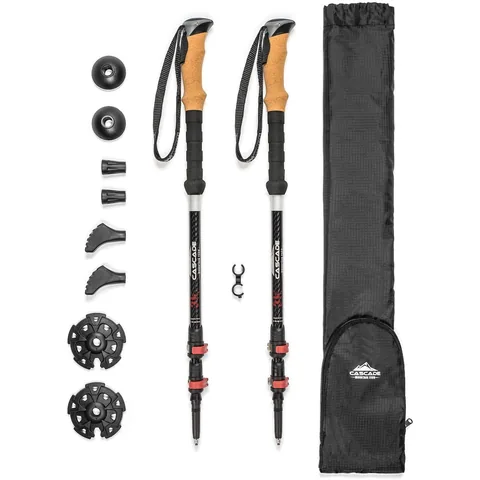
Cascade Mountain Tech Trekking PolesMid-range
Sand, loose gravel and steep slickrock in Arches, Canyonlands and Capitol Reef are easier on the knees with poles.
- 3K carbon fiber, about 8 oz per pole, adjustable 26 to 54 inches
- Cork grips with tungsten tips and sand/snow baskets included
For footwear in general, light hikers or trail runners with a sticky sole beat heavy boots on dry Utah sandstone. On Reddit’s r/hiking, Zion regulars say the trails are dry and grainy enough for trail runners, and point first-timers to the Springdale rental shops for Narrows shoes and poles.
Day pack: water first, then sun
Water decides the size of your pack. NPS asks for at least 1 gallon per person per day, and few trails in these parks have drinkable water past the trailhead. Canyonlands suggests 2-3 liters for a short front-country hike and 4 or more for anything longer.
A 3-liter reservoir you’ll actually drink from
A bladder with a hose gets sipped all day; a bottle in a side pocket gets forgotten until you’re thirsty. Three liters plus one spare bottle covers most day hikes for one person.
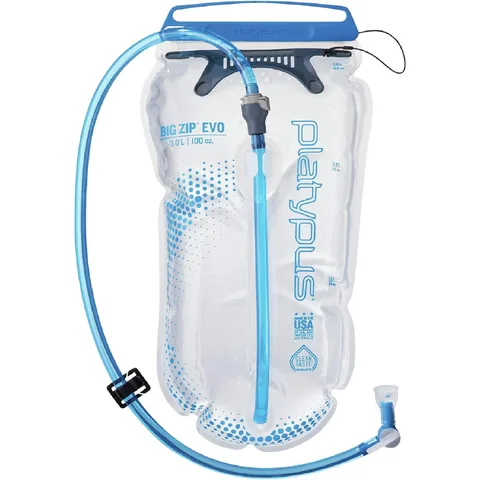
Platypus Big Zip EVO 3LMid-range
Plan on 1 gallon of water per person per day and no refills on most trails; a 3-liter reservoir carries it hands-free.
- 3-liter capacity with a wide SlideLock opening for easy filling
- Leak-proof shut-off valve; weighs 6.5 ounces
A pack big enough for water and a layer
Four liters of water weigh about 9 pounds before you add a puffer, lunch and a first aid kit. A ventilated pack around 22 liters carries that without a sweaty back, and has a sleeve for the reservoir.
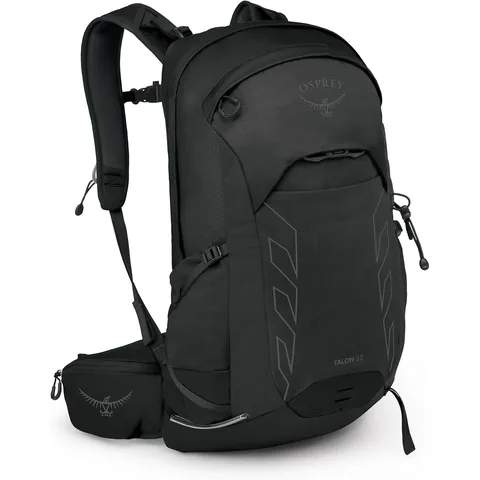
Osprey Talon 22Premium
Full-day Utah hikes need water, layers and food with no services on the trail; a ventilated 22L pack carries it all.
- AirScape back panel for airflow on hot, exposed trails
- Stow-on-the-Go pole attachment and dual hipbelt pockets
On a June afternoon in 2012 I walked up to Delicate Arch at 4 pm with one 1-liter bottle and it was empty at the arch. The rest of my water was in a gallon jug in the trunk at Wolfe Ranch.
Sun: hat, sunscreen and salt
UV is stronger at 8,000 feet than at sea level, and the dry air hides how much you sweat. A wide brim with a neck cape does more than a cap. Reapply sunscreen at every viewpoint.
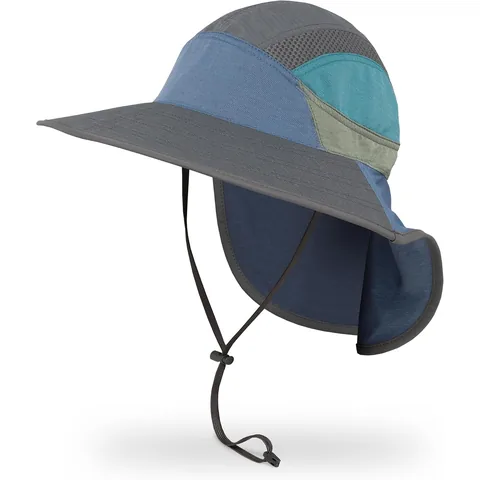 Sunday Afternoons Ultra Adventure HatMid-rangeCheck price on Amazon
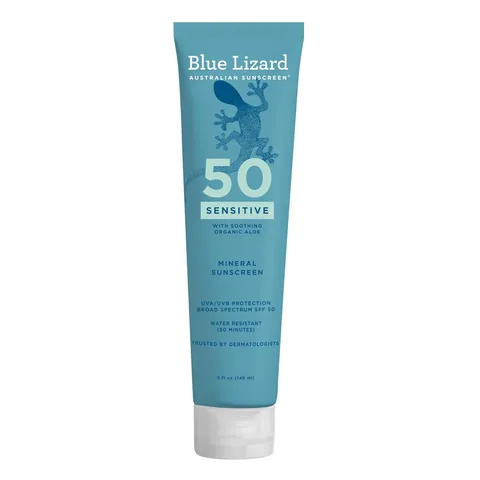 Blue Lizard Mineral SPF 50BudgetCheck price on Amazon
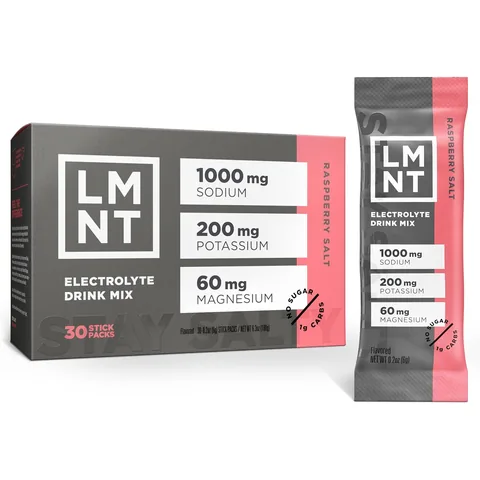 LMNT Electrolyte PacketsMid-rangeCheck price on Amazon
On a 4-liter day like the Fiery Furnace or Chesler Park, plain water alone flushes out salt. Add salty snacks or an electrolyte packet to the reservoir.
A headlamp for dark mornings and dark skies
Sunrise at Mesa Arch or Sunrise Point means walking in the dark. Bryce’s ranger astronomy programs and its Astronomy Festival in June ask for red light only, and NPS says festival nights in June run in the 40s F.
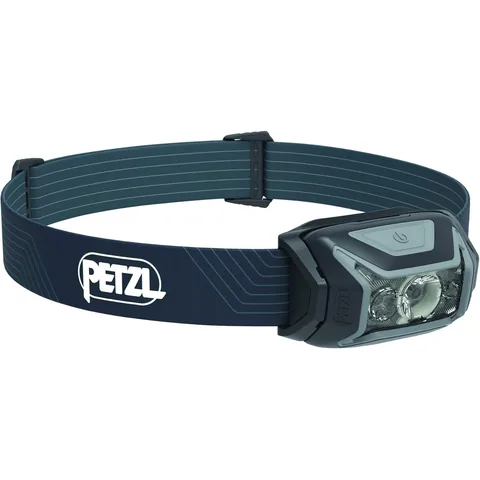
Petzl ACTIK HeadlampMid-range
Bryce and Capitol Reef ranger star programs allow red light only, and sunrise hikes start in the dark; the red mode keeps your night vision.
- 450 lumens with flood and mixed beams
- Continuous red light mode; runs on 3 AAA batteries (included)
The car is the fourth bag
On a Mighty 5 loop you’ll spend more hours driving than hiking: Zion to Bryce takes about 2 hours, Bryce to Capitol Reef about 2.5 and Capitol Reef to Moab about 2.5. Capitol Reef has no gas station, restaurant or lodging inside the park; the nearest fuel is in Torrey (11 miles) or Hanksville (37 miles). Island in the Sky has none either, and Moab is about 32 miles from its visitor center.
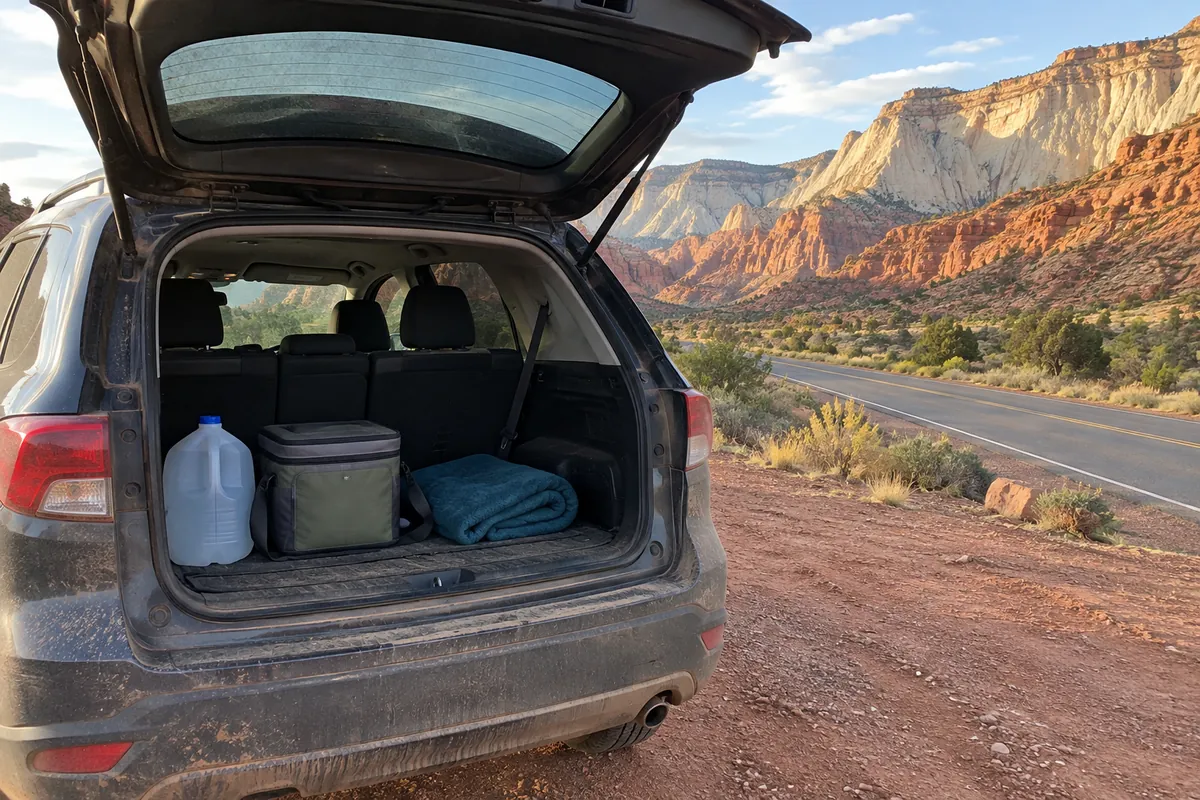
Water jugs in the trunk
Treat the car as your water supply. Fill jugs in town each morning and top up the reservoir at the trailhead. A pair of 7-gallon containers covers two people for several days on the road and in a campground.
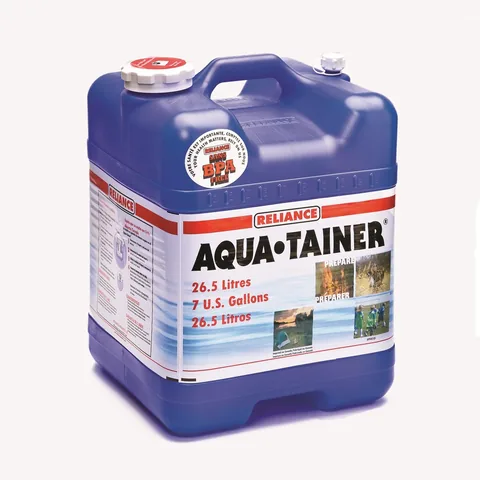
Reliance Aqua-Tainer 7 Gal (2)Mid-range
Utah parks are far apart and trailheads have no taps; keep jugs in the car to refill bottles between hikes.
- Rigid 7-gallon body with hideaway spigot and screw-on vent
- Stackable when empty; five-year manufacturer warranty
A power bank for offline maps
Phones drain fast when they hunt for a signal and run a map app at the same time. Download the park maps and offline driving maps before you leave Springdale or Moab, and keep a power bank in the day pack.
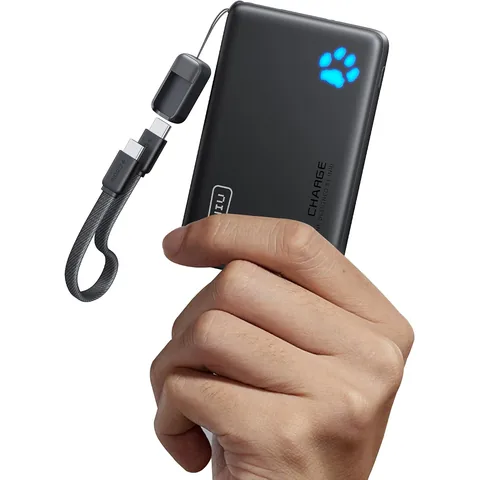
INIU 10,000mAh Power BankBudget
Cell coverage is spotty on long drives between parks and offline maps drain phones; keep a power bank in your day bag.
- 10,000mAh capacity in a compact body
- 45W fast charging output for phones and tablets
A small cooler for lunch matters on Capitol Reef and Canyonlands days. In late summer, bring a bag for Capitol Reef’s U-pick orchards, where you pay at a self-pay station.
Rules in the parks that change what you bring
- Water
- NPS asks for at least 1 gallon (about 4 liters) per person per day. Most trails have no drinkable water. Source
- Zion Narrows
- Closed above 150 CFS river flow and for at least two hours after a flash flood warning lifts. No permit to wade up from the bottom to Big Spring. Source
- Monsoon
- July to September: afternoon storms and flash floods, sometimes under a sunny sky upstream. Source
- Arches entry
- No timed-entry reservation was required in 2026. Fiery Furnace and Devils Garden Campground still need bookings. Check the park site before a 2027 trip. Source
- Off-trail walking
- Stay on trails, bare rock or dry washes. Stepping on the dark biological soil crust kills it, and it takes decades to centuries to recover. Source
- Services
- Capitol Reef and Island in the Sky have no gas station, restaurant or lodging. Many Torrey businesses close in winter and on Sundays. Source
- Plugs
- Type A and B, 120 V. Visitors from outside North America need an adapter. Source
One more: during shuttle season, private cars can’t drive Zion Canyon Scenic Drive (Zion Lodge guests excepted), so pack the whole day’s gear before you board.
The full Utah national parks packing list
Clothes
- 2-3 quick-dry or merino tops (no cotton for the Narrows)
- UPF sun hoodie
- Hiking pants or convertible pants
- Shorts for Zion and Arches May to September
- Fleece or wool midlayer
- Packable puffer Bryce nights, any month
- Rain shell monsoon July-Sept
- Warm hat and light gloves
Footwear
- Trail runners or light hikers with grippy soles
- Neoprene socks for the Narrows
- Closed-toe water or canyoneering shoes (or rent in Springdale)
- Traction cleats, November to April
- Camp sandals for the motel and car only
Day pack
- 22-liter daypack
- 3-liter hydration reservoir
- Extra 1-liter bottle
- Electrolyte packets
- Wide-brim hat
- Mineral sunscreen SPF 50
- Sunglasses and SPF lip balm
- Headlamp with red mode
- Trekking poles
- Salty snacks and lunch
- Small first aid kit with blister patches
- Printed Angels Landing permit, if you won one
Car
- Water jugs for refills
- Power bank
- Car charger and cable
- Paper park maps and downloaded offline maps
- Cooler with lunch for Capitol Reef and Island in the Sky days
- Park pass or entrance receipt
What to leave at home
- Cotton for hiking days. It stays wet in the Narrows and chills you once the sun drops.
- Flip-flops as hiking shoes. Keep them for the motel. NPS calls sandals inappropriate for the Narrows, and slickrock needs a real sole.
- A heavy parka from April to October. A puffer and fleece cover every park in those months. Bring the parka for Bryce from November to March.
- A drone. Launching one is banned in all five parks.
- Stove fuel and bear spray in your luggage. TSA bans both, and you won’t need bear spray here.
Utah national parks packing FAQ
Do I need a permit for Angels Landing?
Yes, for the chains section past Scout Lookout. Apply in the seasonal lottery on recreation.gov months ahead or in the day-before lottery between 12:01 am and 3 pm Mountain Time. Download or print the confirmation, since cell service on the trail is unreliable. Scout Lookout itself needs no permit.
Can I bring my dog to Utah's national parks?
Only to a few places. Zion allows leashed dogs on the Pa'rus Trail, roads and campgrounds. Bryce allows them on paved surfaces, including the Rim Trail between Sunrise and Sunset Points. Arches and Capitol Reef keep pets off hiking trails. Leashes must be 6 feet or shorter, and dogs can't be left in a hot car.
What is the easiest month to pack for a Utah national parks trip?
Late April to May or late September to October. Zion highs sit in the 70s and 80s F, Bryce is above freezing by day, and the monsoon is over or not yet started. A fleece, a light puffer, a shell, a warm hat and a sun hat cover all five parks. Book early: these are also the busiest months.
Is there cell service in Utah's national parks?
Patchy. Zion Canyon and Bryce's main road get a signal in places. Capitol Reef has none inside the park, the nearest being Torrey. Arches, Canyonlands and most slot canyons are hit or miss. Download offline maps, carry the free paper park map and tell someone your route before a long hike.