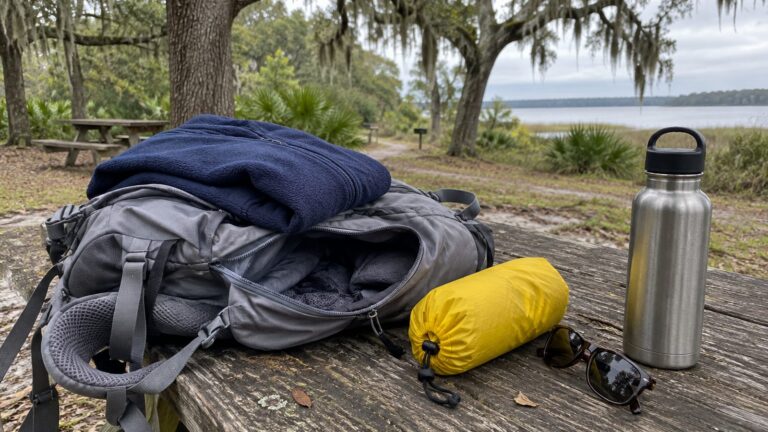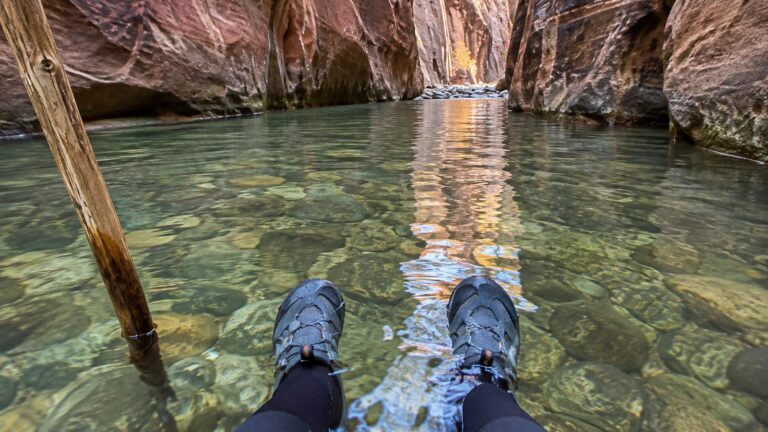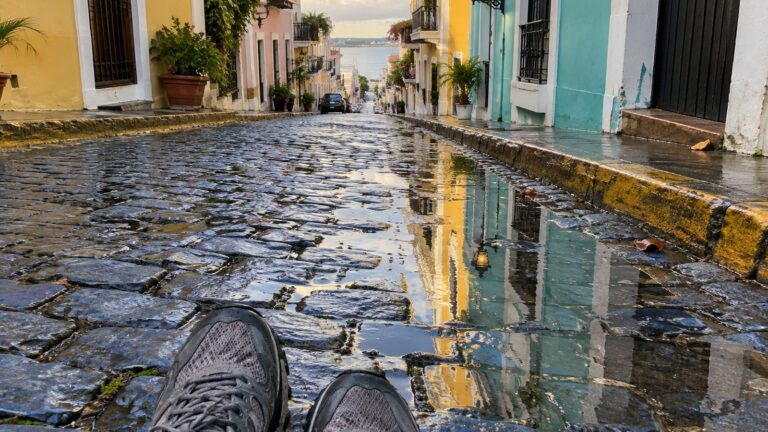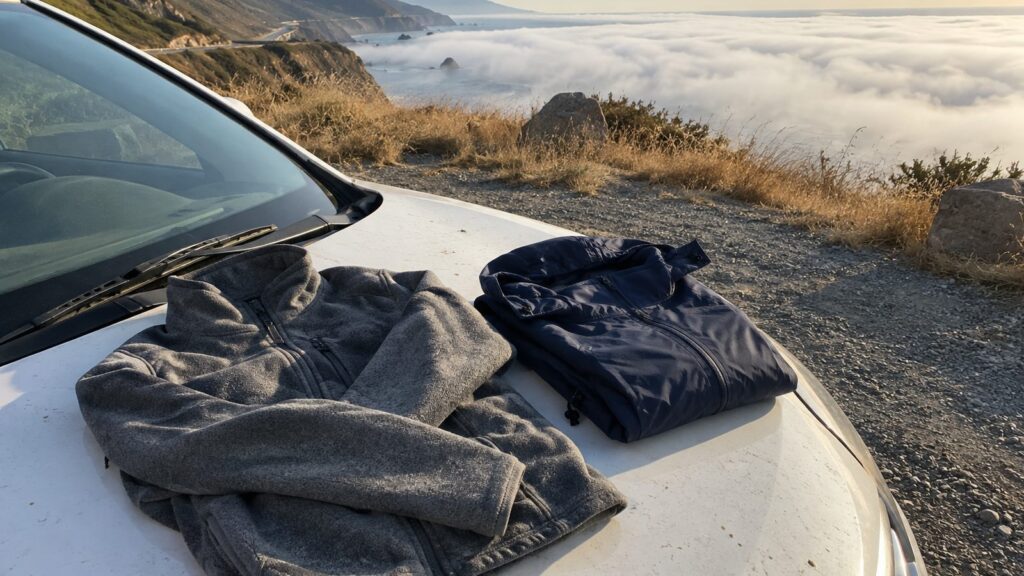
On a July afternoon, downtown San Francisco averages a high of 66°F. Furnace Creek in Death Valley averages 117°F on the same day. Working out what to pack for California starts with which of those two places, plus the beaches, the Sierra and the deserts in between, are on your route. Then comes the month.
Below are NOAA climate normals for six regions, a section for each month and the rules that change your bag: Sierra chain controls, Yosemite food storage and the paper-bag charge at checkout.
What to pack for California: the short answer
California has two seasons that matter for packing. From November to March, rain falls on the coast and snow closes the high Sierra roads. From April to October, the coast stays dry and mild under morning cloud while the deserts and the Central Valley get hot. The item that changes most between them is the outer layer: a hooded rain shell in winter, and a fleece for coastal fog in summer.
If you only remember five things:
- A warm mid-layer, in every month, for San Francisco and every beach after sunset.
- A hooded rain shell from November to March. LA averages 6 rain days in January, and San Francisco 11.
- A sun hat and long sleeves for any desert stop. Palm Springs passes 100°F from June to September.
- Snow chains or traction for any Sierra drive from November to March. Rental contracts often ban installing chains, so read yours.
- A reusable tote. Stores charge at least 10 cents per paper bag.
The easiest months for one bag that covers coast, city and mountains are May, September and October. Southern California gets 0 to 2 rain days in those months and San Francisco 1 to 4, and Tioga and Glacier Point roads are usually open from late May or June until the first snow. The desert is the exception: Palm Springs averages 95°F in May and 102°F in September.
California weather by month, region by region
The first table is downtown Los Angeles, the usual starting point. The beaches run cooler than these figures: at LAX, by the ocean, the August high is 77°F against 84°F downtown.
| Month | High °F / °C | Low °F / °C | Rain days | What to wear |
|---|---|---|---|---|
| Jan | 68 / 20 | 49 / 9 | 6 | Jeans, light jacket; pack a compact rain shell |
| Feb | 68 / 20 | 50 / 10 | 6 | Light layers and a rain shell; evenings cool |
| Mar | 70 / 21 | 52 / 11 | 5 | Tee plus light jacket; showers possible |
| Apr | 72 / 22 | 55 / 13 | 3 | Short sleeves by day; light layer after dark |
| May | 74 / 23 | 58 / 14 | 2 | May Gray: sweater early; sun by afternoon |
| Jun | 77 / 25 | 61 / 16 | 1 | June Gloom mornings; shorts by afternoon |
| Jul | 82 / 28 | 65 / 18 | 0 | Shorts, tees, sun hat; beaches run cooler |
| Aug | 84 / 29 | 65 / 18 | 0 | Lightest clothes, sunscreen; warm nights |
| Sep | 83 / 28 | 64 / 18 | 0 | Hot days, shorts; hottest month downtown |
| Oct | 79 / 26 | 60 / 16 | 2 | Shorts by day, light jacket at night |
| Nov | 73 / 23 | 53 / 12 | 3 | Jeans and a light jacket; first rains |
| Dec | 67 / 19 | 48 / 9 | 6 | Sweater or fleece at night; rain shell |
The second table gives each region’s average low and high in °F, from the same 1991-2020 NOAA normals.
| Month | San Francisco | San Diego | Palm Springs | Yosemite Valley | South Lake Tahoe |
|---|---|---|---|---|---|
| Jan | 47-58 | 50-66 | 48-71 | 29-48 | 18-43 |
| Feb | 48-60 | 52-66 | 50-74 | 30-51 | 19-43 |
| Mar | 49-62 | 55-67 | 54-81 | 34-57 | 24-48 |
| Apr | 50-63 | 57-69 | 59-87 | 38-63 | 28-53 |
| May | 51-64 | 60-70 | 66-95 | 45-71 | 33-62 |
| Jun | 53-67 | 63-72 | 73-104 | 51-81 | 38-72 |
| Jul | 54-66 | 66-75 | 79-109 | 57-89 | 43-80 |
| Aug | 56-68 | 68-77 | 80-108 | 57-89 | 41-80 |
| Sep | 56-70 | 66-77 | 74-102 | 51-83 | 35-73 |
| Oct | 54-70 | 62-75 | 65-91 | 41-71 | 29-62 |
| Nov | 51-64 | 55-71 | 53-79 | 33-56 | 23-51 |
| Dec | 47-58 | 50-66 | 46-69 | 28-46 | 18-43 |
Sources: NOAA NCEI stations San Francisco Downtown, San Diego Lindbergh Field, Palm Springs Airport, Yosemite Park HQ at 4,018 ft and South Lake Tahoe Airport at 6,314 ft.
Two patterns stand out. San Francisco barely moves: its warmest month, September, is only 12°F warmer than its coldest. Daytime highs in Palm Springs and Yosemite swing nearly 40°F between January and July. San Francisco clothes stay the same all year apart from a rain shell in winter, while a desert or mountain bag has to follow the calendar.
Winter in California: December to February
Winter is the rainy season on the coast and snow season in the mountains, and gray whales pass the coast from December to May. Nights are the problem. Daytime in Los Angeles is often T-shirt weather, but the temperature drops fast after sunset because the air is dry.
What to pack for California in December
December averages 67°F and 48°F in downtown Los Angeles, with 6 rain days. San Francisco is 58°F and 47°F and has its wettest month, about 12 rain days. Santa Ana winds blow most often in December: hot, dry gusts out of the desert, sustained at 30 to 40 mph with gusts over 60 mph, that dry out lips and skin and raise the fire risk.
Pack jeans, a few long-sleeve tops, a sweater or fleece and a hooded rain jacket. Gray whales are heading south along the coast, and a whale-watching boat out of Dana Point, Monterey or San Diego is wet and windy, so bring a hat that stays on and keep the rain shell for the deck. Badger Pass, Yosemite’s small ski area, usually opens in mid-December.
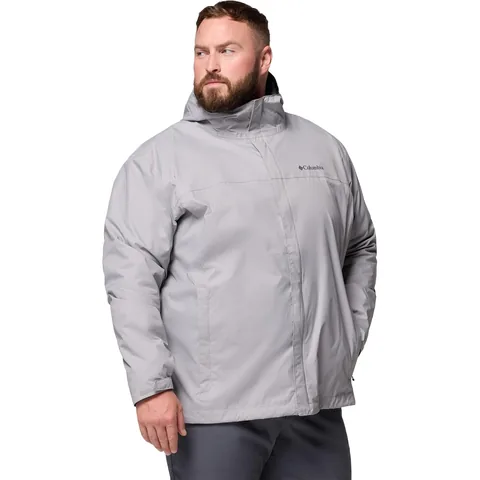
Columbia Watertight II Rain JacketMid-range
Rain falls mostly November-March; San Francisco logs about 11 wet days a month in winter, so a hooded shell works better than an umbrella.
- Hooded waterproof shell in a regular fit that goes over a fleece
- Light enough to stay in a daypack for the first rains of the season
What to pack for California in January
December and January have the coldest nights statewide. In January, Los Angeles averages 68°F and 49°F, San Diego 66°F and 50°F, and Palm Springs 71°F and 48°F. South Lake Tahoe drops to 18°F at night. Coastal rain comes in storms that last a day or two, with dry, clear days in between.
The Rose Parade runs on January 1 in Pasadena from 8 a.m. Spectators who claim curb space on Colorado Boulevard the night before need a sleeping bag or heavy blanket and a warm hat for a night outdoors in the 40s. For a ski trip to Tahoe or Mammoth, pack the full kit: an insulated jacket, snow pants, gloves, goggles, wool socks and a neck gaiter.
On Reddit, the r/travel advice for what to wear in California in winter is to pack for your elevation, not the state. The coast rarely freezes, but Yosemite Valley at 4,000 feet and Tahoe at 6,300 feet get snow and nights below freezing.
What to pack for California in February
February is as wet as January on the coast. Downtown LA averages 3.6 inches of rain, its wettest month. In the desert, Palm Springs averages 74°F with 3 rain days. Anza-Borrego’s wildflowers often start in mid-February after a wet winter, and the BNP Paribas Open in Indian Wells begins at the end of the month.
A split bag works best: rain gear and a warm layer for the coast, and for the desert a sun hat, sunglasses and a light long-sleeve shirt for the afternoon, plus a fleece because desert nights drop to 50°F. On r/AskSF, people mention that the Lands End trail in San Francisco gets slick after rain, so pack shoes you don’t mind getting dirty.
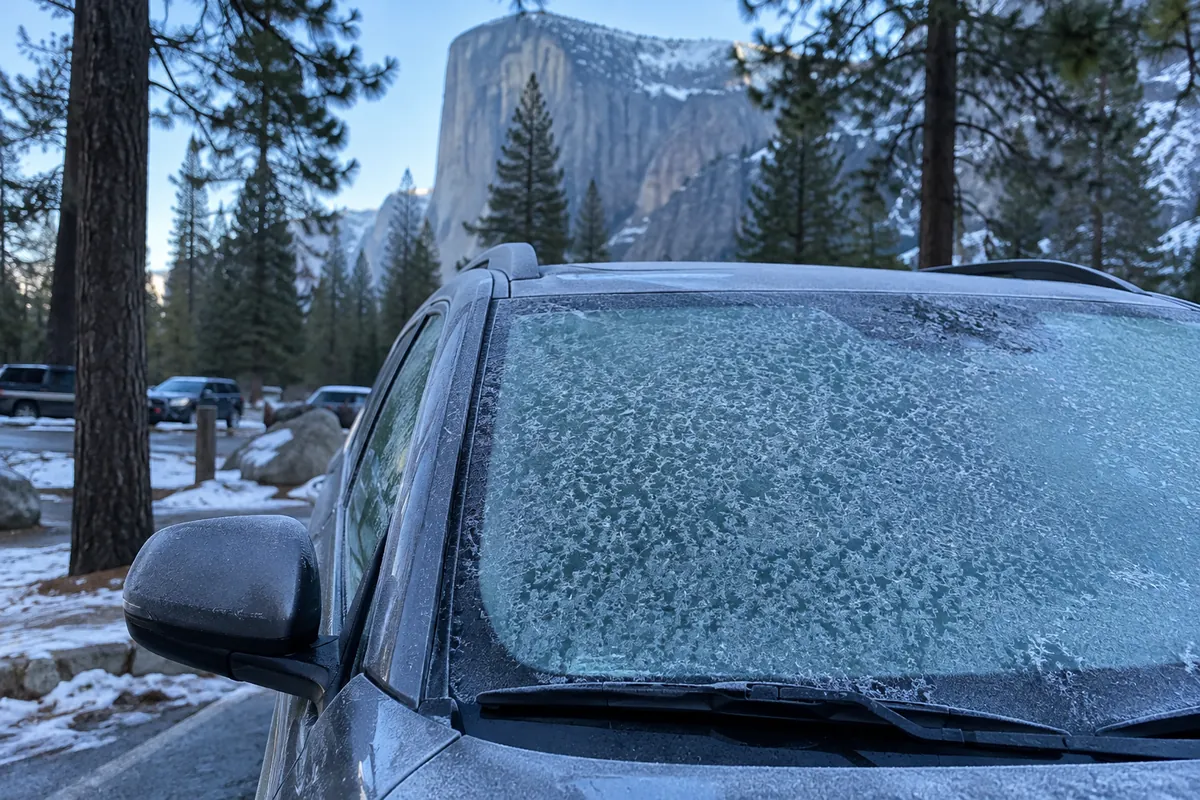
Spring in California: March to May
Rain fades from the coast by April, wildflowers come out in the deserts and foothills, and Yosemite’s waterfalls reach their peak flow. The coast has one surprise: May Gray, a low cloud layer that sits over the beaches until midday and keeps them cool.
What to pack for California in March
March still brings rain: about 5 days in Los Angeles and 11 in San Francisco. Palm Springs climbs to 81°F. Antelope Valley poppies usually bloom from mid-March into May, and northbound gray whales pass close to shore with their calves.
Pack for 50s to 70s on the coast, with a rain shell, and a sun hat and sunscreen for wildflower walks, which mean hours on open hillsides with no shade. If your trip includes Yosemite, chain controls can still apply in March, and the valley drops to 34°F at night.
What to pack for California in April
Rain is down to about 3 days in LA, San Francisco reaches 63°F and Palm Springs 87°F. Coachella takes over the Coachella Valley for two weekends in April. That means desert days in the high 80s and nights near 60°F, so festivalgoers need a hat, a refillable water bottle, sunscreen and a layer for after dark.
Tioga Road, the high route across Yosemite, is still closed in April. Plowing starts around April 15. If you’re driving between Yosemite and the Eastern Sierra, plan the long way round until it opens.
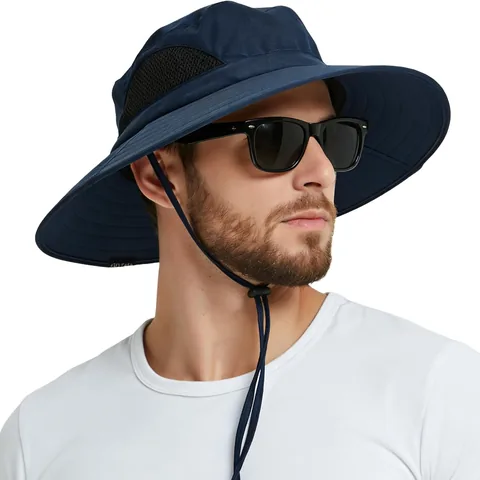 EINSKEY Wide Brim Sun HatBudgetCheck price on Amazon
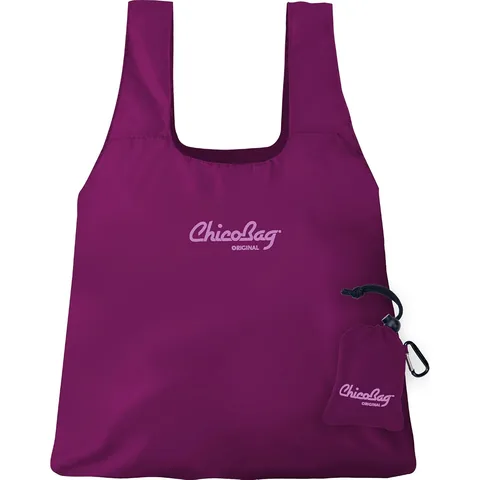 ChicoBag Original Compact ToteBudgetCheck price on Amazon
What to pack for California in May
May is the month of May Gray. Los Angeles averages 74°F downtown, but the beaches sit under low cloud until noon and average 70°F at LAX. The ocean is still cold, around 63°F at Santa Monica. Yosemite’s waterfalls peak in May, and the spray at Lower Yosemite Fall and on the Mist Trail soaks anyone without a rain jacket.
Bring shorts and a sweater, a light rain shell for Yosemite, and closed shoes with grip for wet granite steps. Tioga Road usually opens in late May or June. In 2026 it opened on May 15, the earliest in 16 years, and that date moves with the snowpack every year.
I waded into the water at Santa Monica one May morning in 2016, on a press trip from Milan, and was back on the sand within a minute. Every surfer around me was in a full wetsuit.
Summer in California: June to August
Summer splits California in two. The coast is cool and often gray, while everything inland is hot and dry. Death Valley averages 117°F in July and San Francisco 66°F, and one road trip can pass through both. Wildfires can start in any month, and Yosemite smoke is most common in August and September.
What to pack for California in June
June Gloom is May Gray’s second month. San Diego mornings are usually overcast, with highs of 72°F, and the sun breaks through in the afternoon. Inland is warm and dry: Palm Springs averages 104°F, Yosemite Valley 81°F, and Tioga and Glacier Point roads are usually open.
Pack shorts and tees, a light sweater for the coast, and sunscreen even under the clouds, because UV gets through the marine layer. At 8,600 feet, Tuolumne Meadows still drops to the 30s at night in summer, so a light insulated jacket earns its space if you cross Tioga Pass.
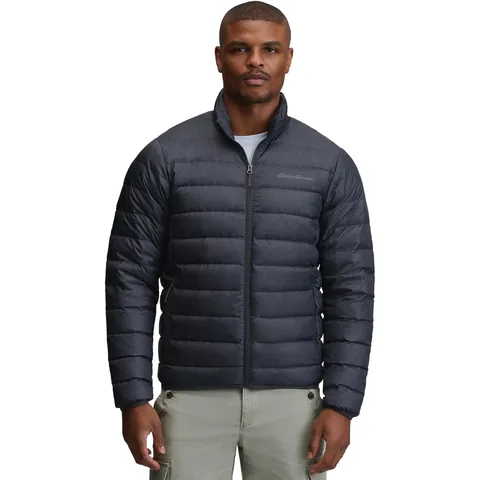
Eddie Bauer CirrusLite Down JacketMid-range
Mountain nights run cold even in summer; NPS lists Tuolumne Meadows at 8,600 ft with summer lows near 35F, so pack a warm insulated layer.
- Quilted down-fill jacket with a band collar that blocks wind
- Lightweight enough to carry in a daypack for Sierra evenings
What to pack for California in July
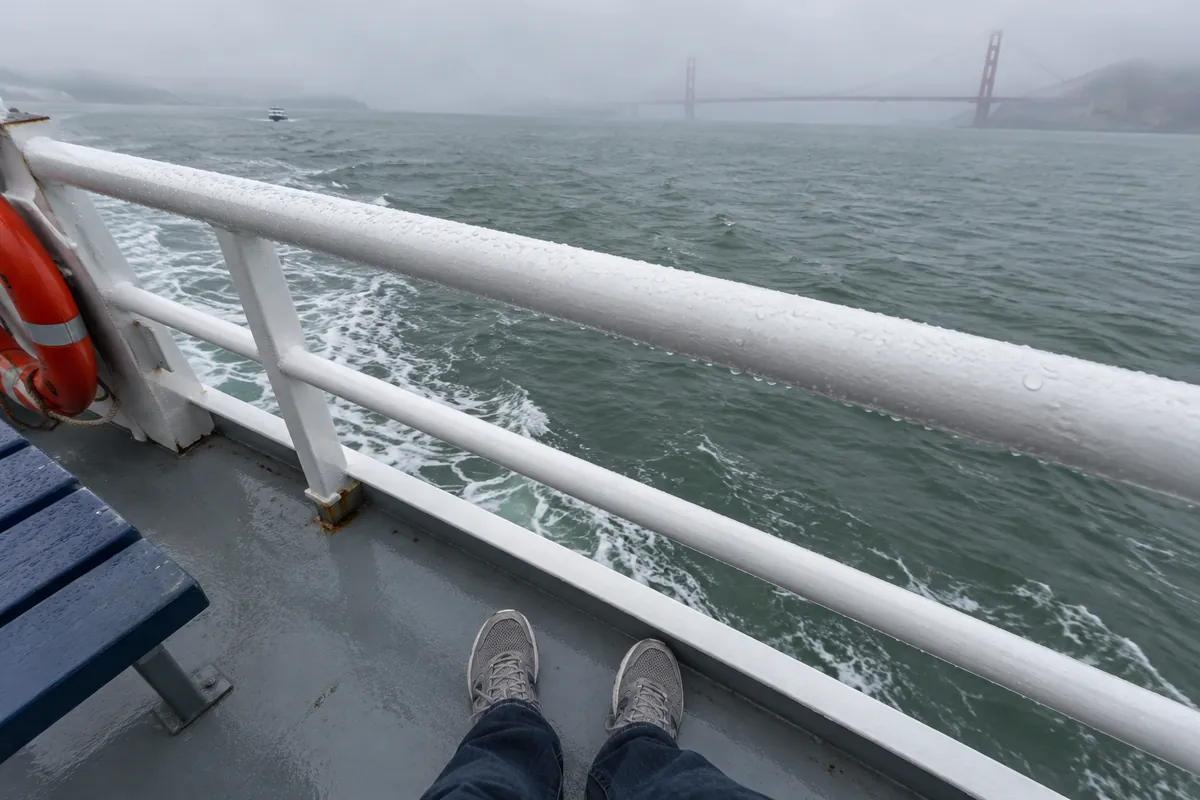
July is the month visitors pack wrong for San Francisco. Downtown highs average 66°F, and fog with a steady wind off the Pacific makes it feel colder near the Golden Gate. The National Park Service says Alcatraz is often colder than the mainland. Meanwhile downtown LA hits 82°F and San Diego 75°F.
For San Francisco, pack jeans, closed shoes and a fleece you will wear daily. Everywhere south and inland, it’s summer clothes and a sun hat.
I flew out from New York for a long weekend in June 2011 and took the Alcatraz ferry in a cotton T-shirt and a denim jacket. The fog dampened the denim on the crossing, and it stayed cold and clammy until I got back to the hotel that evening.
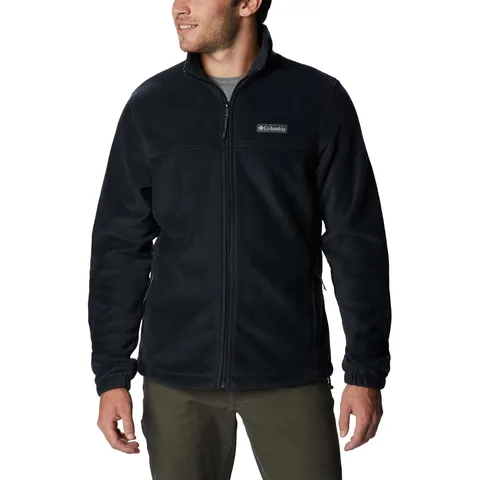
Columbia Steens Mountain FleeceMid-range
San Francisco highs are only 66-68F in July, with fog and wind off the cold ocean, so a fleece goes in the bag even for a summer trip.
- Full-zip polyester fleece with a round collar, easy to layer under a shell
- Straight cut leaves room for a tee and sweater beneath it
What to pack for California in August
August is the hottest month in Los Angeles, averaging 84°F downtown, and the warmest for the SoCal ocean at about 68°F. San Francisco is still foggy. Outside Lands, the music festival in Golden Gate Park, is known for cold nights, so festivalgoers there need a beanie and a puffer even in August. The National Park Service says Yosemite commonly has one to three weeks of unhealthy air from wildfire smoke in August and September.
Pack light clothes, a swimsuit and a thin wetsuit top if you plan to surf or paddle for long, plus a few N95 masks. Check AirNow before any outdoor day. Cloth masks do not filter smoke.
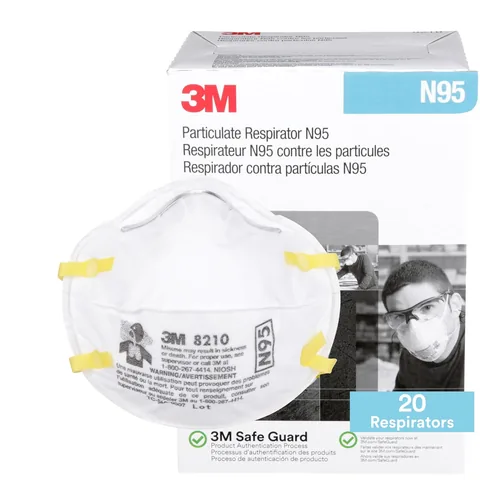 3M 8210 N95 RespiratorsBudgetCheck price on Amazon
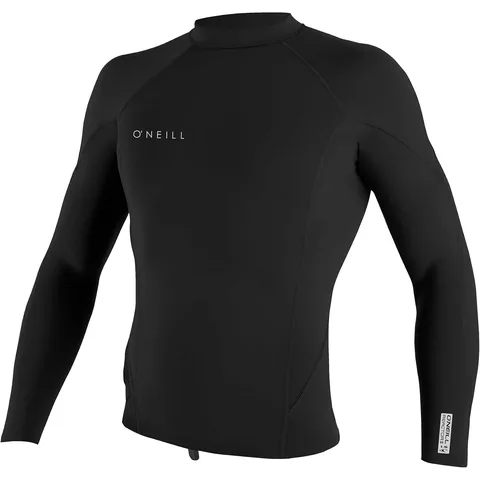 O'Neill Reactor-2 Wetsuit TopPremiumCheck price on Amazon
Fall in California: September to November
The National Park Service calls fall the favored time for many Golden Gate visitors. San Francisco has its warmest weather in September and October, the fog thins out, and the ocean stays warm into October. Inland, September is still hot, and fire risk peaks before the first rains.
What to pack for California in September
San Francisco reaches 70°F in September, its warmest month. Downtown LA averages 83°F and Palm Springs 102°F. The beaches run about 6°F cooler than downtown, which makes them the place to be on a hot afternoon.
Pack summer clothes with one light layer for San Francisco evenings. Smoke risk continues in the Sierra. If you’re hiking, take a hat and plenty of water, start early, and check AirNow before each trail day.
What to pack for California in October
October is warm and dry nearly everywhere. San Francisco is still at 70°F, LA averages 79°F and the Channel Islands have their calmest seas, the month for kayaking and snorkeling there. Fleet Week brings the Blue Angels over San Francisco Bay in early October; a hat and a windproof layer help on the waterfront, where you can stand for hours.
Yosemite cools fast, to 71°F days and 41°F nights, and the first snow can close Tioga Road before November. Pack shorts for the south, a fleece and long pants for the mountains, and a rain shell if your trip runs into November.
What to pack for California in November
November brings the first rains: about 3 days in LA and 8 in San Francisco. Days are mild, with LA at 73°F and San Diego at 71°F. Tioga Road and Glacier Point Road close for the season, and ski resorts start to open: Mammoth opened on November 5 in 2026.
Highway 1 through Big Sur is prone to slides after the first storms. Caltrans closed a stretch in November 2026 because of debris flows below burned slopes, so check Caltrans QuickMap before you plan the drive. Pack jeans, a sweater, a rain shell and shoes that dry overnight.
Packing for the Sierra: Yosemite, Tahoe and chain controls
Yosemite Valley sits at 4,000 feet and South Lake Tahoe at 6,300 feet. Both are cold enough for snow from November to March, and the rules on Sierra roads affect your packing more than the weather does.
Caltrans posts three levels of chain control. R1 means chains are required unless your car has snow tires on its drive wheels. R2 means chains or traction devices are required on everything except four-wheel or all-wheel drive with snow tires. R3 means chains on every vehicle. In Yosemite, every car entering a chain-control area must carry chains, including four-wheel drives and rentals. Sequoia and Kings Canyon add a 25 mph limit when chains are required. Their park pages also warn that many rental contracts forbid putting chains on, so check before you drive up.
Chain installers on the roadside can fit chains but can’t sell or rent them, so buy or rent before you climb. For Sequoia, Three Rivers is the last town with chain rentals before the park.
On foot, packed snow and ice at viewpoints and trailheads are slippery from December to March. Slip-on cleats fit over ordinary shoes and stow in a coat pocket.
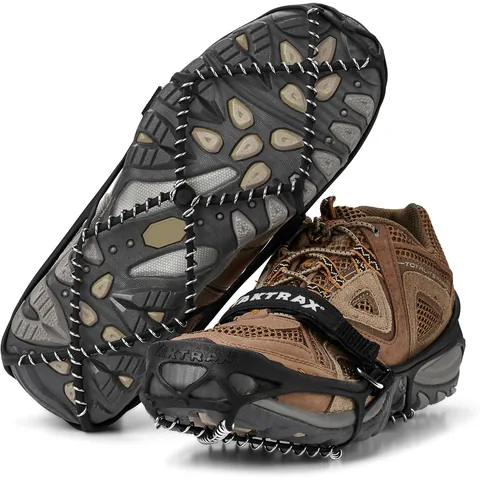
Yaktrax Pro Traction CleatsBudget
Snow in the Sierra runs roughly November-March; slip-on traction makes icy trailheads and viewpoints around Yosemite and Tahoe manageable.
- Stainless steel coils under the foot bite into packed snow and ice
- Rubber frame stretches over most boots and shoes
Yosemite has strict food storage rules. Food and anything scented, including toiletries, coolers and trash, may stay in a locked car only in daylight, out of sight. At night it goes in a bear locker. Fines reach the thousands, and hanging food in a tree is no longer allowed. Overnight wilderness trips require an approved bear-resistant canister.
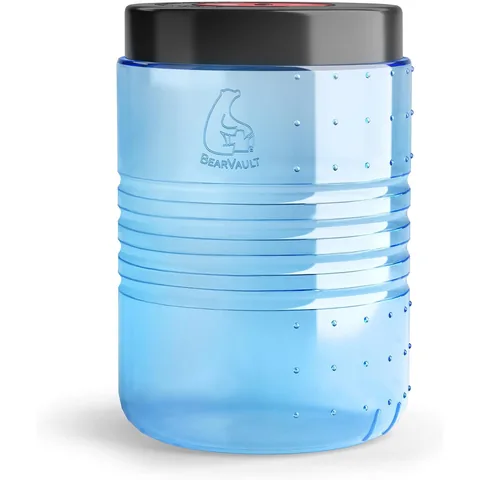
BearVault Bear CanisterMid-range
Yosemite requires bear canisters for overnight wilderness trips and no longer allows hanging food; the listing sizes run from BV425 to BV500.
- Clear polycarbonate body lets you see the food without opening it
- Wide opening, and the lid doubles as a seat at camp
Packing for the desert: Palm Springs, Joshua Tree and Death Valley
California’s deserts are the reason the summer and winter lists look so different. Death Valley averages 67°F in January and 117°F in July. Joshua Tree has no water, gas, food or lodging inside the park, and cell signal is limited in both parks.
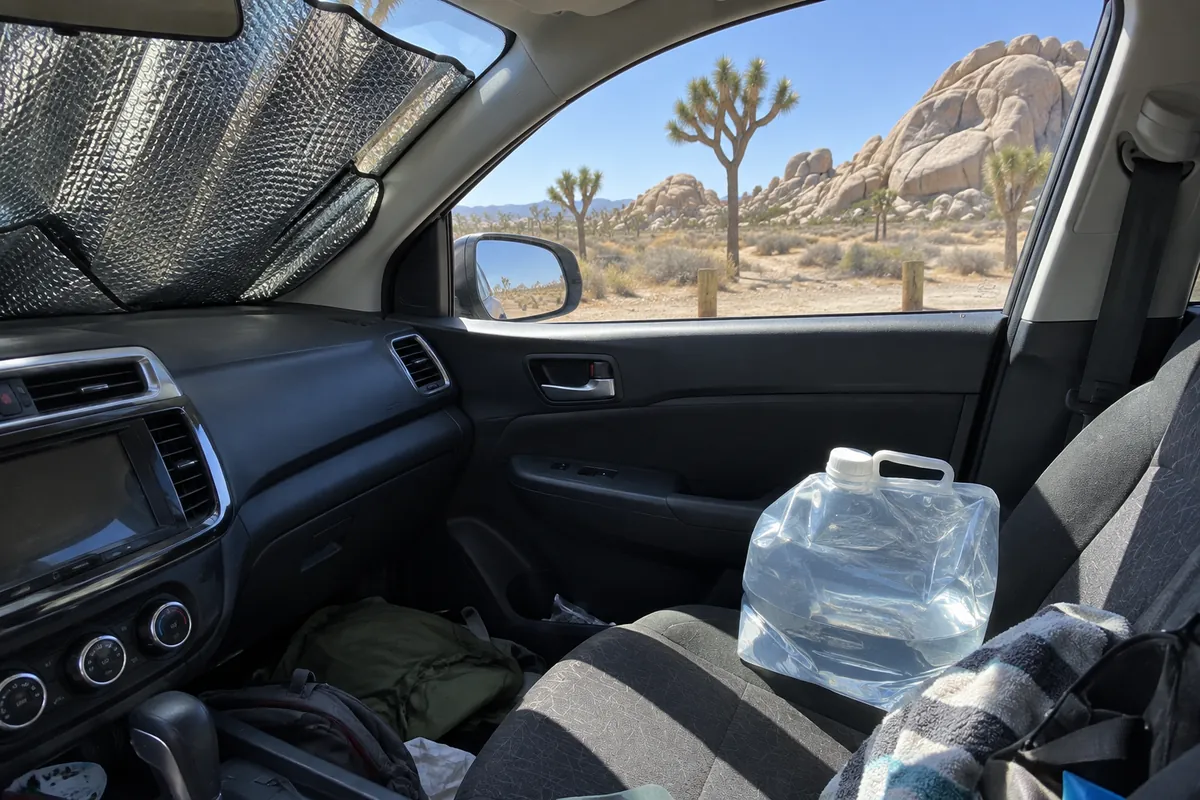
The National Park Service advises at least a gallon of water per person per day in Death Valley, and four liters a day in Joshua Tree in summer. A collapsible jug in the trunk covers that for a carload, and also covers a breakdown on a long empty road, when the advice is to stay with the car.
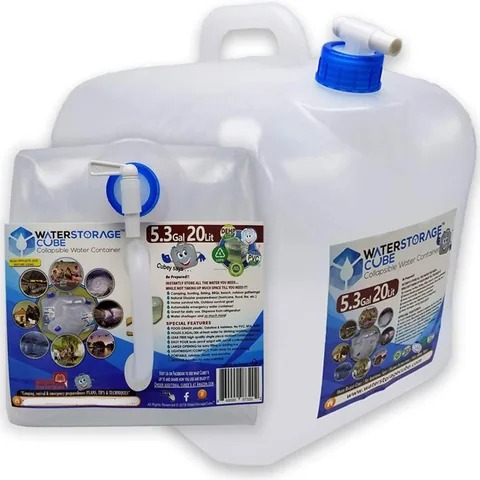
WaterStorageCube 5.3 Gal Water JugBudget
Death Valley advises at least a gallon of water per person per day, and Joshua Tree has no water inside the park, so carry a reserve in the car.
- Collapsible 5.3-gallon jug with a spigot and soft carry handles
- Folds flat in the trunk once it is empty
Clothing for the desert means covering up. The parks recommend loose long sleeves, a wide hat and sunglasses, because pale sand and rock reflect UV back at you. A hooded sun shirt does the job better than sunscreen alone on an all-day hike.

Willit UPF 50+ Sun HoodieBudget
NPS advises loose long sleeves, a hat and sunglasses in desert parks, where pale sand and rock raise UV; Death Valley averages 117F in July.
- Hooded long-sleeve shirt with a UPF 50+ rating covers neck and arms
- Loose cut moves air across the skin while blocking sun
A rental car parked in the sun at a trailhead heats up fast, and the steering wheel gets too hot to hold. A reflective windshield shade folds flat and keeps the cabin cooler. Cell signal drops out on most desert and Sierra roads, so download offline maps and mount the phone where you can see the route. Winter desert trips need the opposite: Death Valley nights drop to the low 40s in December and January, so pack a warm layer.
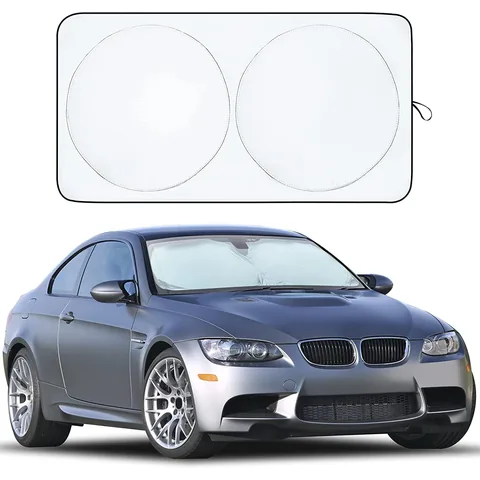 EcoNour Windshield Sun ShadeBudgetCheck price on Amazon
 VANMASS Car Phone MountBudgetCheck price on Amazon
Your California packing list
This California packing list covers a two-week trip that mixes coast, city and one mountain or desert stop. Take out the regions you won’t visit, and use the packing list generator for your own dates; it builds a printable packing list for California or anywhere else. Walking shoes matter more than people expect: Disneyland, Alcatraz and the San Francisco hills all mean long days on pavement, but none of them needs hiking boots.
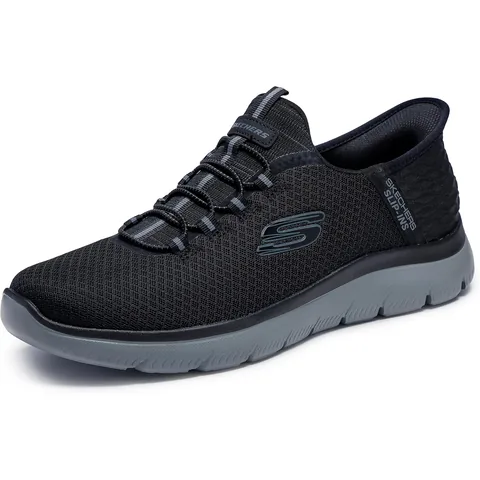
Skechers Summits High Range Slip-inMid-range
Alcatraz, Disneyland and city streets call for closed-toe walking shoes; heavy hiking boots are overkill for a coast-and-city trip.
- Slip-in heel design lets you put the shoes on without bending down
- Closed-toe casual sneaker built for long days on pavement
Clothes
- 5-7 T-shirts or light tops
- 2 long-sleeve shirts
- 2 pairs of jeans or long pants
- 2 pairs of shorts April to October
- 1 sweater or light knit
- Swimsuit
- Sleepwear and underwear for the trip length
Layers and rain
- Fleece jacket every month in San Francisco
- Hooded rain jacket November to March
- Light down jacket Sierra nights, winter desert
- Beanie and light gloves mountains, foggy nights
Shoes
- Closed walking shoes cities and theme parks
- Sandals or flip-flops
- Shoes with grip for wet granite and muddy trails
Sun and desert
- Wide-brim sun hat
- UPF sun hoodie desert parks
- Sunglasses
- Broad-spectrum sunscreen (NPS suggests mineral for ocean days)
- Refillable water bottle
Ocean
- Thin wetsuit top water 52-68°F
- Quick-dry towel
Mountains (November to March)
- Slip-on traction cleats
- Snow chains or a confirmed rental with chains check the rental contract
- Bear canister for overnight wilderness trips Yosemite rule
Car and road trip
- Phone mount and offline maps
- Collapsible water jug desert drives
- Windshield sun shade
- Car charger cable
Bags, health and documents
- Reusable tote paper bag charge
- N95 masks smoke season
- Daypack under Disneyland's size limit
- REAL ID or passport for domestic flights
- Toiletries in containers of 3.4 oz or less for carry-on
- Any prescription medicines
- Plugs
- Type A and B, 120 V, 60 Hz Source
- Checkout bags
- Stores give only recycled paper bags, at least 10 cents each, since January 1, 2026 Source
- Sierra roads
- Chains typically needed November to March; carry them in any chain-control area Source
- Yosemite entry
- No timed-entry reservation in 2026; 2027 policy not yet announced Source
- Wildfire smoke
- Check AirNow before outdoor days; N95 respirators filter smoke, cloth masks do not Source
- Alcatraz
- No food service on the island; food is allowed only on the dock Source
What to leave out of a California suitcase
- A heavy winter coat for LA, San Diego or Palm Springs. January nights drop to the high 40s, and a fleece with a rain shell covers that.
- Shorts-only outfits for a summer trip to San Francisco. You’ll end up buying a sweatshirt at Fisherman’s Wharf.
- An umbrella for a summer trip to the south. LA and San Diego average 0 or 1 rain day a month from June to September.
- Costumes for adults at Disneyland. Guests 14 and older can’t wear costumes or masks, and the park rejects any bag larger than 24 x 15 x 18 inches.
- Produce and plants when driving in from another state without checking first. California inspects vehicles for fruit, vegetables and plants at 16 agricultural stations on highways at the border.
California packing FAQ
Can I wear jeans in Los Angeles?
Yes, for most of the year. Jeans suit Los Angeles from November to April, when downtown highs sit at 67-73°F and nights drop to 48-55°F. From July to September, downtown averages 82-84°F, which is warm for denim in the afternoon. The beach towns run cooler, so jeans still work there after dark in summer.
Do I need a jacket in Los Angeles?
A light one, in every month but the hottest. January nights average 49°F downtown and beach evenings feel colder because of the ocean breeze. A fleece or denim jacket covers November to May. From July to September, downtown nights stay near 65°F, so a long-sleeve shirt is enough unless you're heading to the coast or the mountains.
Is the ocean warm enough to swim in California?
In Southern California, from July to October. Santa Monica and La Jolla reach about 67-68°F in August, bracing but fine for short dips. Near San Francisco and Monterey the water stays at 52-62°F all year, cold enough that surfers wear full wetsuits. San Diego Bay is the warmest, at about 72°F in August.
What should I pack for a California road trip?
Pack for long gaps between services. Keep the tank above half on desert and mountain routes, carry snacks and a car charger, and keep a printed or offline copy of your route. Death Valley's park advice is to stay with your car if it breaks down and to keep to paved roads, since rollovers cause most deaths in the park.