5 Pros and 5 Cons of Living in Ericeira
Ericeira was designated Europe’s first World Surfing Reserve in 2011, a recognition that turned a small fishing town into an international surf destination. That shift matters if you’re an expat, remote worker, surfer or retiree weighing a move: tourism has grown, housing demand has shifted, and the town—home to roughly 10,000 residents—now balances traditional Portuguese life with an increasingly international vibe. It’s also conveniently close to Lisbon: depending on traffic, the drive to Lisbon centre or Humberto Delgado Airport is about 35–45 minutes. This article lays out five clear advantages and five notable drawbacks of living in Ericeira so you can decide whether coastal life fits your priorities, with local examples (Ribeira d’Ilhas, Praia dos Pescadores), rough rent ranges, and practical tips like visiting in shoulder season before committing.
Lifestyle & Community
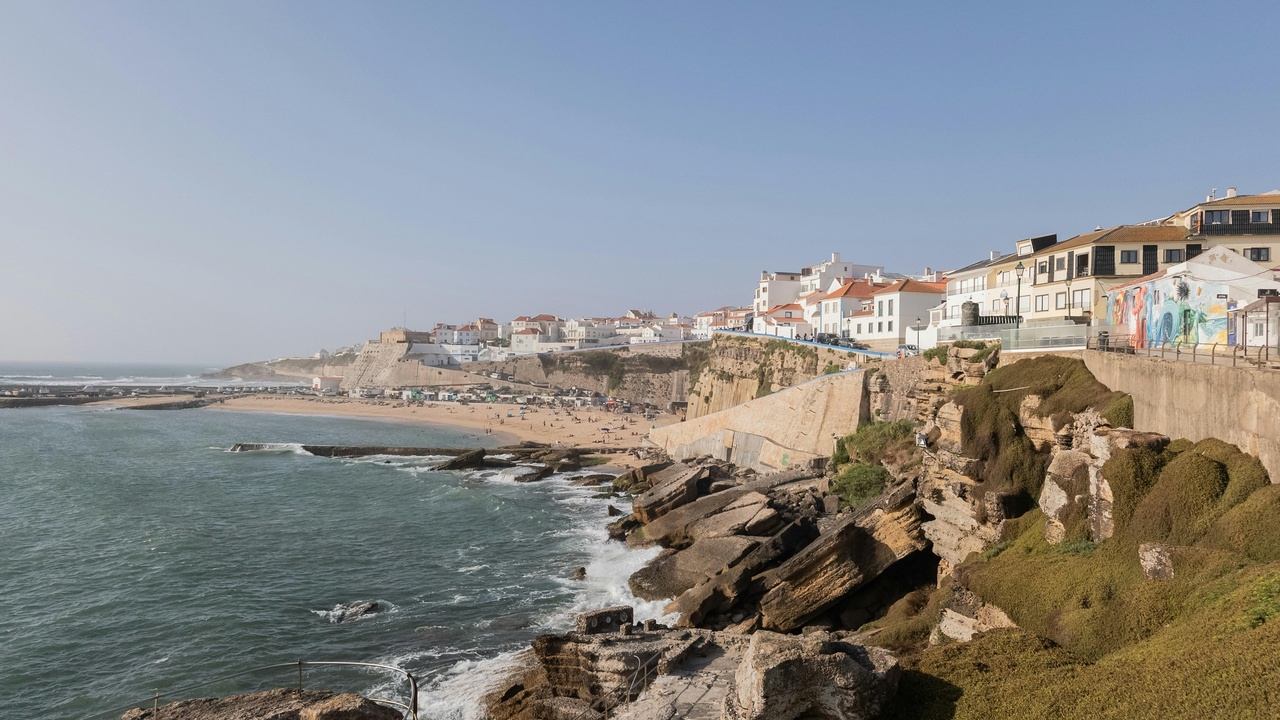
The Lifestyle & Community section captures what daily life feels like: a surf-centered culture, active outdoor living, and a small Portuguese town with market traditions and seasonal intensity. For anyone considering moving to Ericeira, social fabric and peak-season dynamics will shape your experience—how you meet people, where you shop, and how noisy summer evenings can be. Below are three local realities—two clear benefits and one downside—to help you picture life here.
1. Strong surf and outdoor culture (Pro)
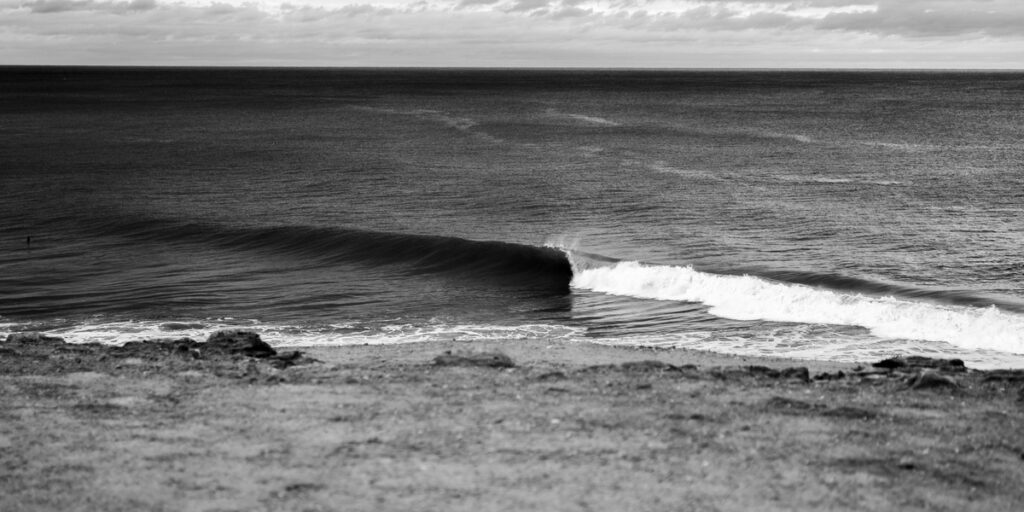
Ericeira’s surf culture is a defining pro. The town earned World Surfing Reserve status in 2011, and you’ll find many surf schools, board shops and surf-friendly cafés concentrated around the coast. Breaks such as Ribeira d’Ilhas draw regular national and international visitors and host competitions and clinics.
In practice that means easy beach access, daily group lessons, and a calendar of surf events that keep the community active. A World Surfing Reserves note on the designation underscores Ericeira’s environmental and sporting importance, and during peak months the town typically sees a large international surfing crowd visiting for events and swell windows.
2. Tight-knit local community and traditional culture (Pro)
The small population—around 10,000—creates a familiar, village-like feel. Local traditions persist: morning fish-market runs, weekly markets, and festas tied to the parish calendar remain important social anchors.
Newcomers often integrate by helping at markets, joining local clubs or community surf initiatives, and attending religious festas and summer events. Practical tip: learn basic Portuguese and make a habit of shopping at the fish market and neighbourhood cafés to build local ties more quickly.
3. Seasonal crowding and tourist pressure (Con)
Summer (June–September) brings a dramatic uptick in visitors, which is the clearest downside of life here. Popular spots like Praia dos Pescadores and nearby parking areas can feel packed on weekends and holiday weeks.
Real impacts include long restaurant waits, full parking lots, and a noticeable spike in short-term rental turnover—many streets feel several times busier than in the off-season. Mitigation: live a little outside the main centre, visit off-peak, or plan errands for weekdays.
Cost, Housing & Practicalities
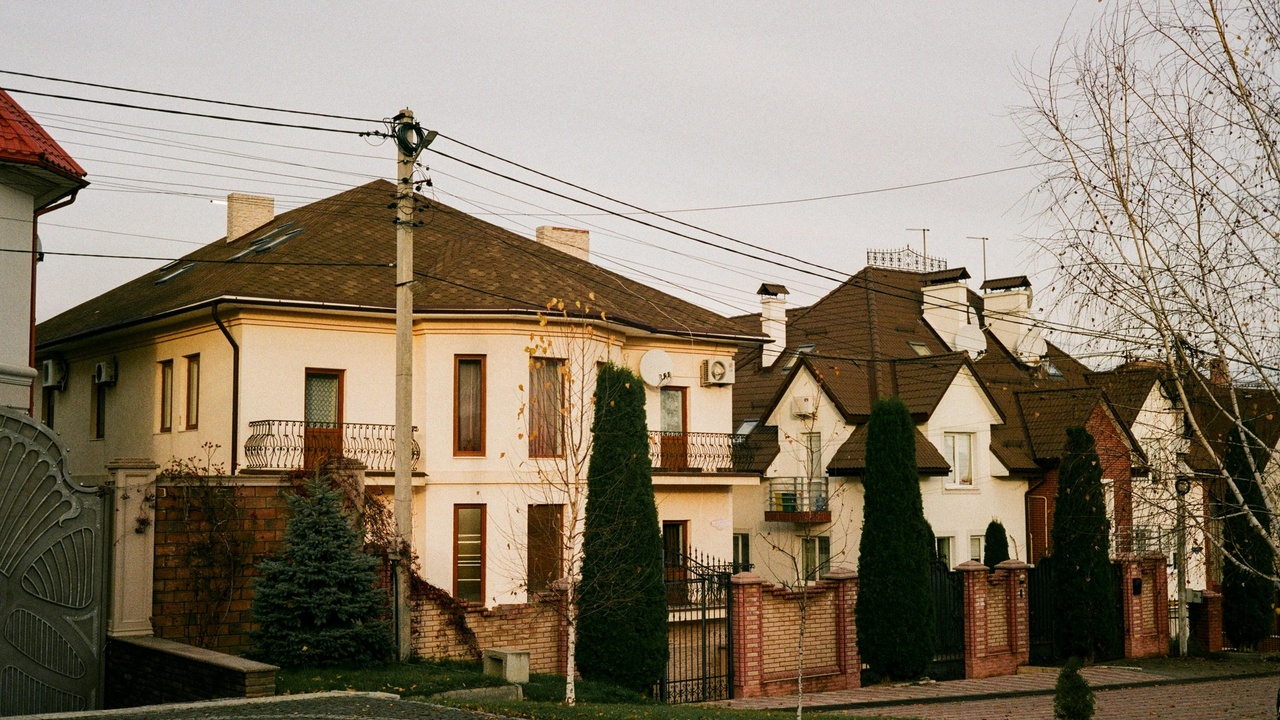
Ericeira offers a trade-off: many everyday costs can be lower than Lisbon’s centre, but rising tourism and remote-work demand have pushed rents and eaten into long-term rental stock. Below are two concrete realities—an affordability upside and a housing-supply downside—plus tips for finding a place to live.
4. Lower cost of living than central Lisbon (Pro)
For many items Ericeira is cheaper than central Lisbon. Local cafés, markets and neighbourhood groceries often sell fresh fish and produce at lower prices than tourist-heavy areas of the capital. A modest meal or coffee tends to cost less than in central Lisbon’s main tourist zones.
Typical long-term rents for a one-bedroom apartment in town can often fall in an approximate range of €600–€900/month, depending on location and condition. That makes Ericeira attractive to remote workers, retirees and small families seeking a coastal lifestyle without Lisbon-centre prices.
5. Rising housing prices and limited long-term rentals (Con)
In recent years short-term rentals and holiday lets have become common, shrinking the pool of year-round apartments. Landlords sometimes prefer higher nightly income from holiday bookings over longer, lower-paying leases.
The result: competition for long-term leases, higher asking rents and larger deposit requirements in some cases. Practical advice: arrive in shoulder season, work with local real estate agents, have references and proof of income ready, and consider networking locally to find unadvertised rentals.
Accessibility & Infrastructure
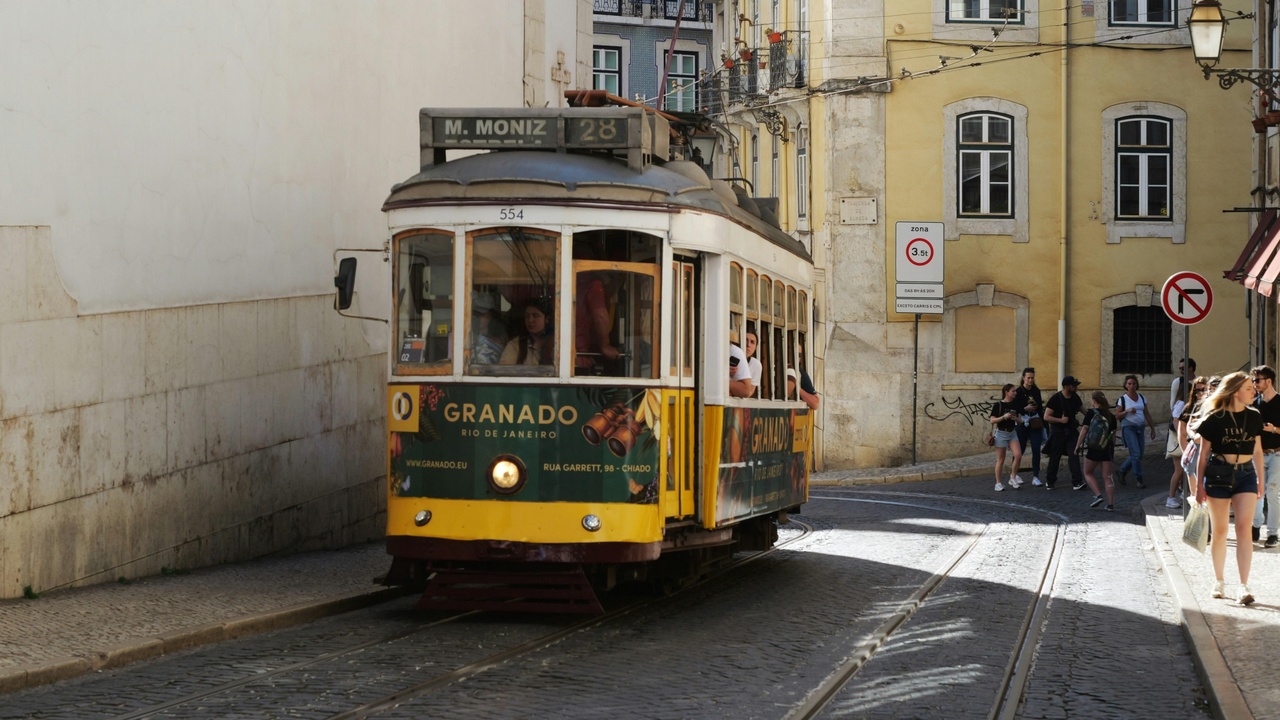
Transport and services shape how practical living in Ericeira is: you’re within driving distance of Lisbon and its airport, but public transport is limited and serious medical care typically requires a trip outside town. Here are the main pros and cons to weigh.
6. Close to Lisbon and Humberto Delgado Airport (Pro)
Ericeira sits within reasonable driving range of Lisbon and Humberto Delgado Airport—roughly a 35–45 minute drive depending on traffic via routes such as the A8/IC17 and coastal connectors. That makes international travel, city museums and specialised services quite accessible.
For remote workers or those who commute occasionally, the trip into Lisbon for meetings or cultural outings is feasible as a day trip. Day-to-day errands like shopping for specialist items or catching a flight are straightforward compared with more remote coastal towns.
7. Limited public transport and seasonal road congestion (Con)
Ericeira has no direct train station; the nearest rail options are in Mafra or Lisbon, so buses are the main public option. Bus lines exist but can be infrequent, especially outside peak hours and the summer tourist schedule.
In practice that means many residents rely on a car for shopping, medical appointments and beach runs. Road congestion increases on summer weekends—expect traffic near popular breaks like Ribeira d’Ilhas—so consider car-sharing, e-bikes or planning trips outside peak times.
Climate, Nature & Local Services

The Atlantic sets the tone here: mild, windy, and surfable. Local services cover daily needs, but for serious specialists you’ll likely travel to nearby hospitals in Mafra or Lisbon—around 30–45 km away. Below are the climate and services pros and cons that matter most to residents.
8. Mild Atlantic climate and easy beach access (Pro)
Ericeira enjoys a temperate maritime climate—mild winters and summers cooled by sea breezes. That moderation supports year-round walks, cycling and outdoor sports. Beaches like Praia dos Pescadores are within minutes from the centre, and breaks such as Ribeira d’Ilhas provide reliable surf conditions.
Surfing seasonality varies: autumn and winter usually bring bigger swells, while late spring and summer offer gentler conditions for learners. The climate and coastline make for an outdoors-focused lifestyle most months of the year.
9. Exposure to Atlantic storms, humidity, and limited specialist healthcare (Con)
Coastal exposure has downsides: winter storms and persistent humidity can accelerate salt-related wear on buildings, increasing maintenance costs for roofs, metalwork and exterior paint. Wet winters also mean more indoor days and damp-related issues in older houses.
Medical services in Ericeira cover primary care and urgent needs, but for specialist appointments or hospital stays most residents go to Mafra or Lisbon—roughly 30–45 km away. Many expats choose private health insurance for faster specialist access and fewer travel delays in emergencies.
10. Limited year-round employment opportunities beyond tourism (Con)
The local economy leans heavily on tourism, hospitality and surf-related businesses, which creates seasonal employment peaks. Outside high season, job openings for full-time, year-round roles in professional sectors can be scarce.
If you’re not remote-working or running a location-independent business, expect to look toward Lisbon for more diverse career options. Practical steps: secure remote work before moving, explore freelancing and seasonal roles, or plan for a commute into the capital when needed.
Summary
- Ericeira’s surf culture (World Surfing Reserve, 2011), beaches and mild Atlantic climate make it ideal for outdoorsy residents and remote workers.
- It’s more affordable than central Lisbon for many daily costs and offers quicker access to coastal lifestyle—typical one-bedroom rents often range roughly €600–€900/month.
- Major downsides include significant summer crowding (June–September), pressure from short-term rentals reducing long-term stock, and limited public transport—driving to Lisbon or hospitals (Mafra/Lisbon, ~30–45 km) is common.
- Practical next steps: visit in a shoulder season to experience everyday life, work with local real estate agents and get references ready, and consider private health insurance or planning for specialist trips to Lisbon.