The historic center of Querétaro was declared a UNESCO World Heritage site in 1996, and today its cobbled streets sit beside new industrial parks and an expanding aerospace cluster.
That contrast—colonial plazas and rapidly growing industry—frames the choices people weigh when considering a move. Pros and cons of living in Querétaro come up for expats, national movers, remote workers, and families because the metro area combines high livability scores with one of the fastest growth rates in central Mexico (metro population ~1.4 million, 2020 census; source: INEGI/state government).
This article lists five clear advantages and five practical drawbacks grouped into three categories: economy and careers, quality of life and environment, and practical tradeoffs like housing and services. Read on for concrete examples, local institutions to know, and quick tips to help you decide if a move makes sense.
Economic and Career Advantages
1. Growing aerospace and manufacturing jobs
Querétaro has developed a sizeable aerospace and advanced manufacturing cluster over the last two decades that creates specialized, higher‑paying jobs in engineering, machining, quality control, and maintenance.
The cluster includes a mix of domestic suppliers and international firms that support airframe, avionics, and component production. That translates into steady demand for technicians and engineers and local training programs that prepare graduates directly for those roles (local technical programs and university partnerships are common).
For residents, the effect is practical: more openings for skilled trades, a clearer career ladder in manufacturing and aerospace, and wages that tend to beat regional averages for comparable jobs. Check the state’s aerospace cluster site and recent INEGI employment reports for firm and employee counts before publishing specific figures.
2. Central location and logistics (airport and highways)
Querétaro sits roughly 200 km (about a 1.5–2 hour drive) northwest of Mexico City and is well connected by highways to the Bajío and central Mexico, making it a logical logistics hub for manufacturing and distribution.
Querétaro Intercontinental Airport (QRO) supports cargo operations in addition to passenger flights, which helps manufacturers move parts and finished goods quickly. For residents, that means easier domestic travel, quick weekend trips to Mexico City, and faster shipping windows for businesses.
Concrete data such as airport cargo metrics and average drive times are available from airport statistics and state transport reports and should be cited for accuracy when publishing.
3. Strong university–industry pipeline
Local universities and technical schools feed talent into the region’s industries. Notable institutions include the Universidad Autónoma de Querétaro (UAQ) and the Tecnológico de Monterrey campus in Querétaro, along with several technical institutes.
Those schools run engineering, manufacturing, and applied‑technology programs and often partner with local firms on internships, research projects, and hands‑on training. For residents, that creates accessible upskilling options and a steady pool of entry‑level hires for area employers.
If you’re moving for work or study, look up current partnership programs and internship placements at the universities’ websites to see which employers recruit locally.
4. Business-friendly infrastructure and investment
Querétaro’s state and municipal governments have actively courted foreign investment, developing industrial parks, offering land for factories, and promoting the region to global manufacturers.
The practical result for residents is a growing range of services—international schools, specialized medical clinics, and business services—that follow investment. For entrepreneurs, there are more co‑working spaces and supplier networks than a decade ago.
Before publishing, verify recent FDI figures and name specific industrial parks or projects from state investment reports or INEGI so readers have concrete references.
Quality of Life and Environment
5. UNESCO-recognized historic center and rich cultural life
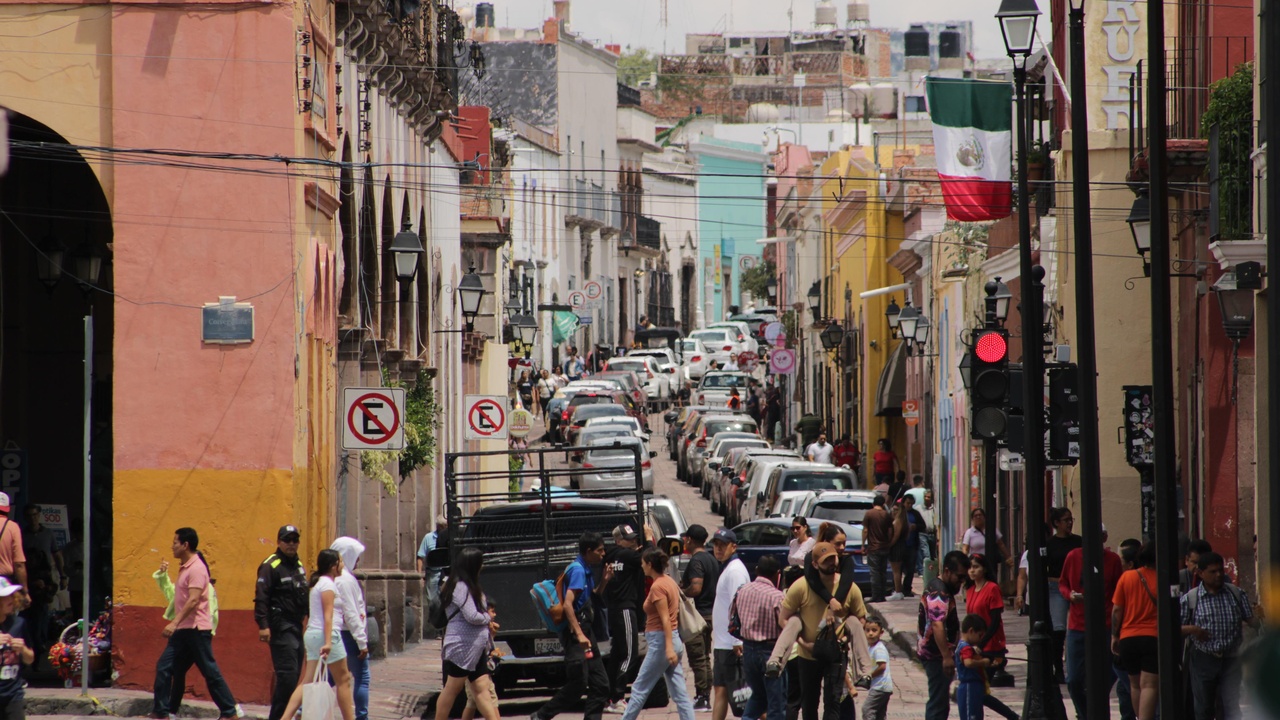
The Historic Monuments Zone of Querétaro received UNESCO World Heritage status in 1996, and the well‑preserved center remains a daily draw for residents and visitors.
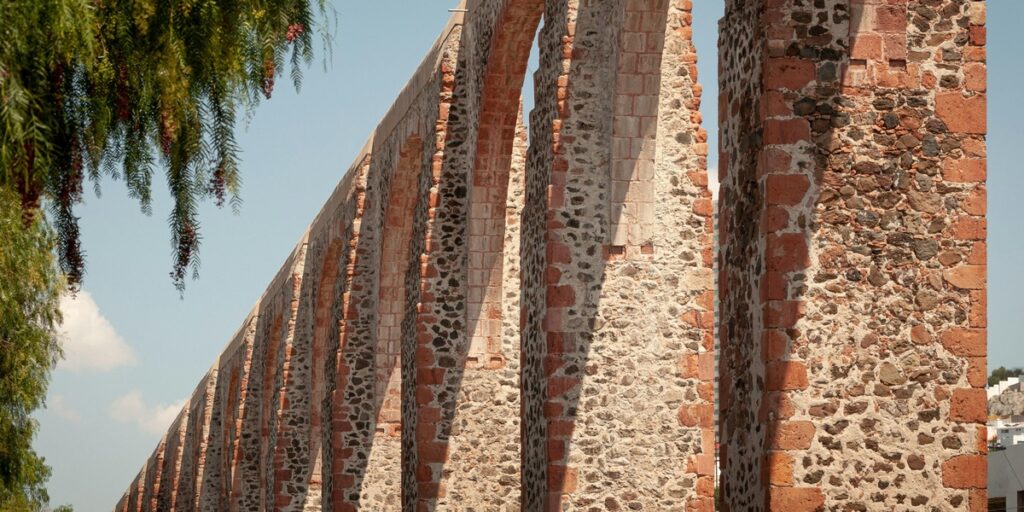
Landmarks such as the Plaza de Armas and the aqueduct sit amid museums, cafés, and theaters, creating a walkable quarter with frequent cultural programming. That means lots of weekend options close to home and an active street life for people who prefer to stroll to restaurants and events.
Look up current festival calendars and museum hours when planning a visit—popular events bring energy but also local crowds during peak dates.
6. Generally lower crime than larger metros — but watch trends
Querétaro has historically reported lower rates of violent crime than some larger Mexican metros, which is part of its appeal for families and retirees. Official datasets like SESNSP offer homicide and crime‑rate figures you should cite for the latest year.
Neighborhoods vary: the historic center and many residential areas feel safe for evening walks, while some industrial outskirts can have different safety profiles. Check neighborhood‑level data and recent municipal security reports before choosing where to live.
Practical tip: visit neighborhoods at different times of day and ask local residents about recent trends to build a current picture of safety.
7. Mild climate and easy access to nature
Querétaro enjoys a generally mild, semi‑dry climate with pleasant average temperatures; climate normals from Mexico’s meteorological institute will give exact averages (typically in the high teens to low twenties °C annually).
Outdoor options are strong: the nearby Sierra Gorda Biosphere Reserve (for hiking and ecotourism) and local winery routes (for example, regional vineyards) make weekend escapes easy. Parks and plazas inside the city also support everyday outdoor living.
Seasonal notes: expect a distinct rainy season and drier months when air quality can worsen slightly; check local weather and air‑quality monitoring sites for specifics.
Practical Tradeoffs: Cost, Growth, and Services
8. Rising housing prices and competitive rental market
Strong job growth and inward migration have pushed property values and rents upward, especially in the historic center and popular suburbs close to industrial parks.
The practical consequence is longer searches for affordable units and more competition for well‑located apartments. Expect a tradeoff: shorter commutes cost more, while cheaper suburbs usually mean longer drives.
Mitigation tips: decide which matters more—walkability or price—research current listings on local real estate sites and Numbeo for ballpark rents, and work with a trusted broker. For families, suburbs with schools may command a premium but offer more space.
9. Traffic, air quality, and water stress in a growing city
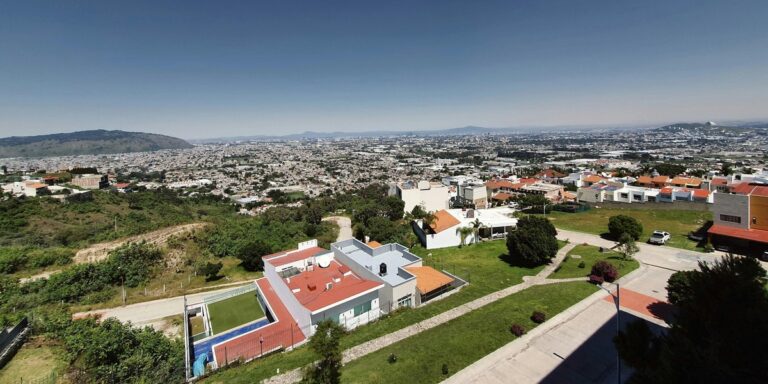
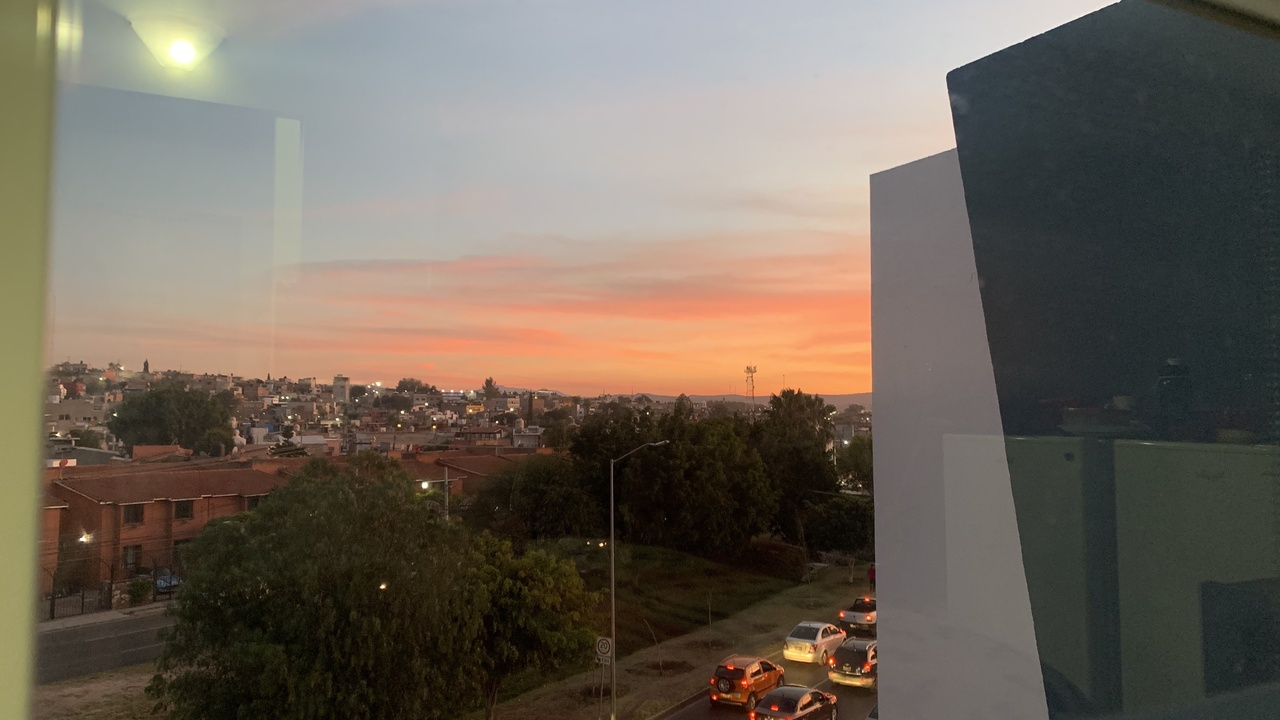
Rapid growth strains roads and municipal services. Commute times have lengthened for many suburban workers, and peak‑season AQI spikes and occasional water‑supply pressure occur in some neighborhoods.
Everyday effects include longer door‑to‑door times for commuters, periodic smog advisories in the dry season, and the possibility of water rationing in older distribution zones. For accurate figures, consult municipal transport studies, air‑quality monitoring stations, and the water authority.
Practical advice: live near work when possible, consider flexible work hours to avoid rush periods, and verify water and service reliability for any property before signing a lease.
10. Cultural tradeoffs: tourism, limited nightlife in some areas, and suburban sprawl
While the city has a lively cultural core, tourism peaks can crowd the historic center on weekends and holidays, and nightlife options are more concentrated than in larger metros.
Suburban expansion has also changed some neighborhood characters: new developments can be less walkable than the old center and connect primarily by car. That matters if you value evening entertainment or a short stroll to cafés and shops.
Tip: choose neighborhoods that match your lifestyle—historic Centro for walkability and cafés, or select suburbs for family space but expect to drive for nightlife and some services.
Summary
- Pros and cons of living in Querétaro center on a strong job market—notably aerospace and manufacturing—paired with a very walkable, UNESCO‑listed historic center.
- Local universities and the QRO airport reinforce career and logistics advantages, but neighborhood choice determines daily commute and service access.
- Expect rising rents, longer commutes in some suburbs, and occasional strains on air and water infrastructure; verify current housing and municipal data before deciding.
- Practical next step: take a 48–72 hour exploratory visit focused on neighborhoods, commute times, and schools; consult INEGI, SESNSP, local real estate reports, and airport or cluster statistics to inform your move.