Search for the richest cities in Cameroon and you mostly get population tables with the word “economic” stapled on. Population isn’t wealth. Cameroon has no official city-level GDP, so any honest ranking has to build its own yardstick, and this one does.
TLDR
- Douala is the richest city in Cameroon by a wide margin: the country’s main port, its banking district, and most of its big private companies.
- Yaoundé is second. The money there is government, embassies, and institutions rather than trade.
- Kribi is the rising third, thanks to a deep-sea port and gas and industrial projects.
- Bafoussam, Limbe, Buea, Garoua, Maroua, Edéa, and Bamenda fill out the list, each rich in one specific way.
- Wealth is concentrated. A city can top this list and still have large poor neighborhoods.
Contents
- How we ranked the richest cities in Cameroon
- 1. Douala
- 2. Yaoundé
- 3. Kribi
- 4. Bafoussam
- 5. Limbe
- 6. Buea
- 7. Garoua
- 8. Edéa
- 9. Maroua
- 10. Bamenda
- The comparison table
- Wealth is not evenly shared
How we ranked the richest cities in Cameroon
No ministry publishes GDP by city, and the population lists that dominate search results (WorldAtlas, GeoNames, Worldometers) measure headcount, not money. They also disagree with each other, because some count city limits and others count the wider urban area.
So this ranking uses proxies you can actually observe:
- Trade infrastructure: port and airport throughput.
- Finance: bank head offices, the stock exchange, and the central institutions.
- Industry and commodities: refineries, smelters, cotton, coffee, gas.
- Property: where the expensive neighborhoods and embassy districts are.
- Cost of living: a city where a decent flat costs real money usually has real money in it.
Treat the order as informed judgment, not a statistic. Cameroon’s economy as a whole is a lower-middle-income one, which the World Bank’s country overview describes in terms of oil, agriculture, and an informal sector that employs most workers. City wealth sits on top of that base.
1. Douala
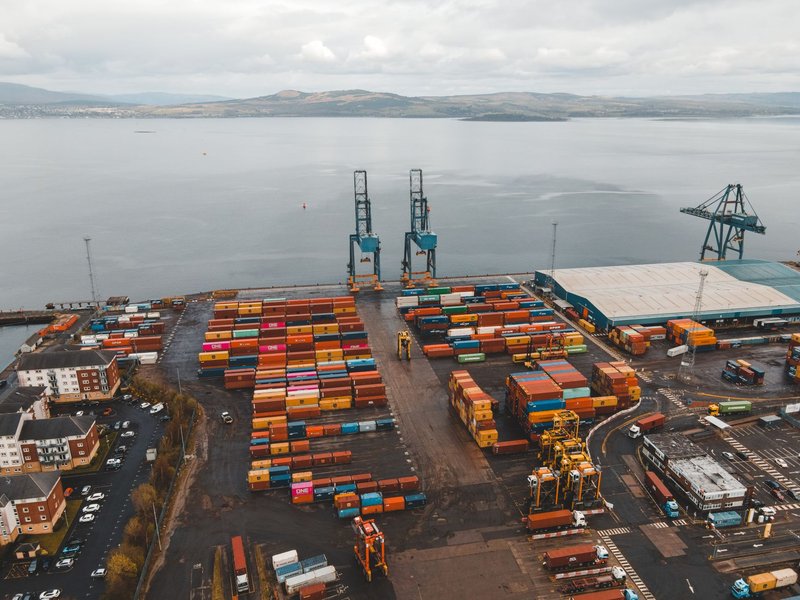
Douala is the answer to “what is the economic capital of Cameroon,” and the label is earned. Its port on the Wouri estuary handles the large majority of the country’s maritime trade, and it also moves goods for landlocked Chad and the Central African Republic. Anything you buy in a Cameroonian supermarket probably came through here first.
The money shows up in three places. Bonanjo is the banking and corporate district, where regional bank headquarters and the Douala Stock Exchange sit. Akwa is the commercial strip of hotels, shops, and offices. Bonapriso is where the executives and expats live, with walled villas and the city’s priciest rents.
- Key sectors: shipping, banking, brewing and manufacturing, logistics, retail.
- The caveat: the port sits in a river estuary that needs constant dredging, and large ships struggle there. Floods in the rainy season and gridlocked traffic cost the city every year. More on its new rival in a moment.
2. Yaoundé
Yaoundé is Cameroon’s political capital, and it makes its money differently. It has no big port. It has ministries, embassies, international organizations, and the headquarters of the BEAC, the central bank for the six-country CEMAC region. A government salary, a diplomatic posting, or a consulting contract for one of those institutions is the engine here.
That produces a quieter, more residential kind of wealth. Bastos is the diplomatic quarter, full of embassies and the homes of staff who work in them. Hilly neighborhoods like Santa Barbara and Nlongkak have the newer apartment blocks and the restaurants that serve them. The Yaoundé vs Douala economy debate comes down to this: Douala earns, Yaoundé spends and regulates.
- Key sectors: public administration, diplomacy, education, services, construction.
- The caveat: the city leans on public budgets. When state spending tightens, Yaoundé feels it faster than Douala does.
3. Kribi
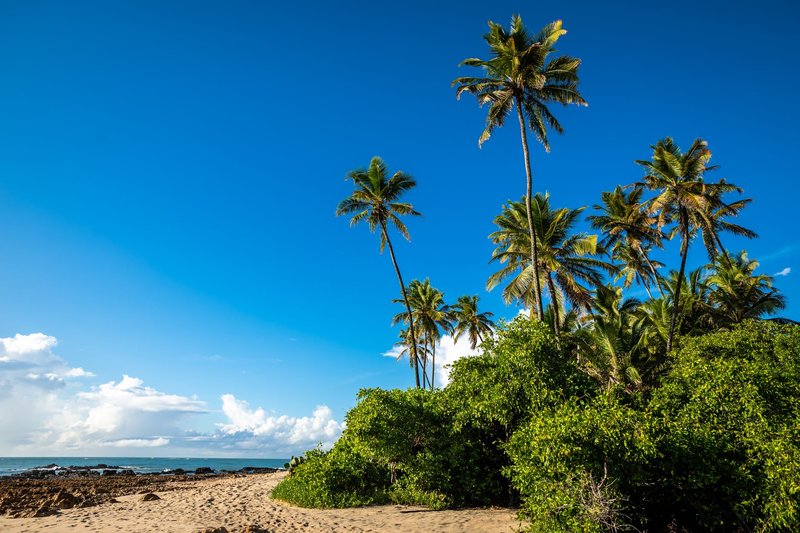
Kribi is a beach town that turned into an industrial site. Its deep-sea port opened in 2018 and can take container ships that Douala’s channel cannot, which makes it the first real competitor to Douala’s trade monopoly. The oil from the Chad-Cameroon pipeline also ends its 1,000-plus kilometer journey here, loaded onto tankers offshore.
Add a gas power plant and a floating liquefied natural gas vessel anchored offshore, and you get a small city with outsized investment. Hotels along the coast sell to oil and port executives during the week and to weekenders from Douala at the end of it.
- Key sectors: port services, gas, energy, tourism, planned industrial zone.
- The caveat: the infrastructure arrived faster than the surrounding city. Much of the investment is capital-intensive and employs relatively few locals, so the wealth is more visible in the port data than in the town itself.
4. Bafoussam
Bafoussam is the capital of the West Region and the commercial center of the Grassfields highlands. Coffee grows on the surrounding hills, and the city sits at the middle of a trading network linking farms to Douala’s port. The West is known across Cameroon for its entrepreneurial business families, and Bafoussam’s markets, wholesalers, and banks reflect that.
It’s a prosperous mid-sized city rather than a glamorous one. Wealth here is made in trade and reinvested in property and transport.
- Key sectors: coffee, agricultural trade, wholesale, banking, transport.
- The caveat: it’s exposed to commodity prices and to the condition of the roads that connect it to Douala.
5. Limbe
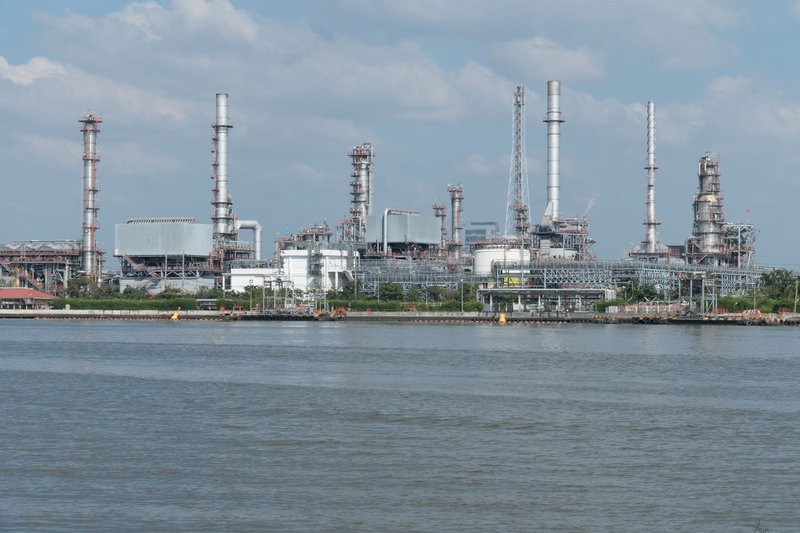
Limbe sits at the foot of Mount Cameroon on the Atlantic coast and hosts SONARA, the country’s only oil refinery. A fire in 2019 hit the refinery hard and disrupted fuel supply nationwide, which says something about how much depends on this one site. When it runs, it anchors the local economy.
Black volcanic sand beaches and a seafront lined with grilled-fish stalls give the city a second income from domestic tourists and visitors from across the region.
- Key sectors: oil refining, fishing, tourism, port activity.
- The caveat: Limbe belongs to the Anglophone Southwest, where the conflict that began in 2016 has hurt investment, travel, and normal business.
6. Buea
Buea climbs the lower slopes of Mount Cameroon and is the capital of the Southwest Region. Its wealth is of the knowledge kind. The University of Buea is one of the country’s best-known English-language universities, and the town earned the nickname “Silicon Mountain” for a small but real cluster of tech start-ups and developer communities. The cooler climate and the mountain also draw hikers who come for the Mount Cameroon trails.
It’s not rich in the way Douala is. It ranks here because education and tech produce a steady, skilled, urban middle class.
- Key sectors: higher education, technology, tourism, administration.
- The caveat: the Anglophone crisis has disrupted schooling and caused many residents and businesses to relocate. The tech scene has proved resilient but smaller than its early promise.
7. Garoua
Garoua is the largest city in the north and the capital of the North Region. It is the headquarters of SODECOTON, the cotton company that dominates northern agriculture, and cotton is one of Cameroon’s main non-oil exports. The city sits on the Benue River, which is navigable for part of the year, and upstream the Lagdo dam supplies hydropower and irrigation.
Garoua also works as a trade gateway toward Nigeria and Chad. Its wealth looks like a regional hub: ginneries, traders, transport firms, and a busy airport.
- Key sectors: cotton, cattle and grain trade, river and road transport, hydropower.
- The caveat: it’s hot, remote from the coast, and dependent on one cash crop whose price depends on world markets.
8. Edéa
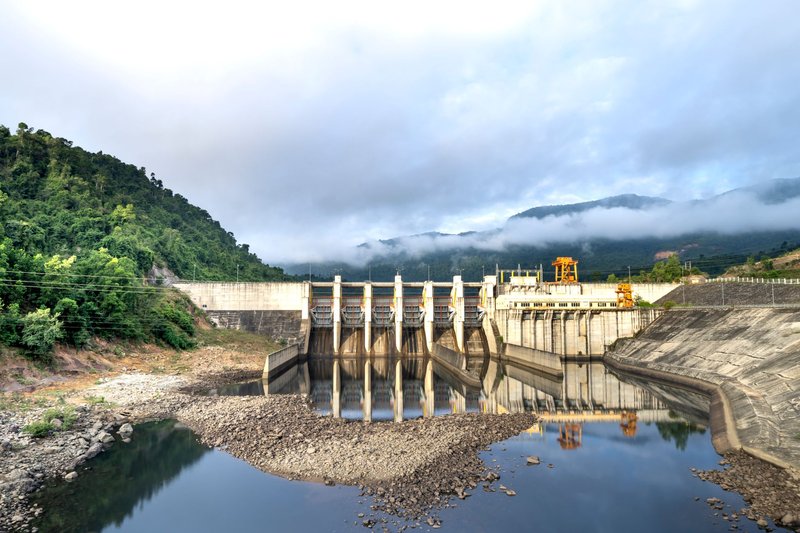
Edéa is the least famous name on this list and has one of the most productive economic footprints. The Sanaga River runs through it, and the hydropower on that river feeds an aluminium smelter in town, one of the largest industrial energy users in Cameroon. The city also lies on the road and rail corridor between Douala and Yaoundé.
It doesn’t have the polish of the bigger cities. It has factories, power, and a location between the two biggest markets in the country.
- Key sectors: hydropower, aluminium, manufacturing, transport.
- The caveat: the economy hangs on a small number of large industrial employers.
9. Maroua
Maroua is the capital of the Far North Region, a market city known for leather goods, crafts, and trade in livestock and cotton. Its markets pull in traders from across the Sahel border zone.
Wealth here is modest, and the Far North has faced years of insecurity linked to Boko Haram and the displacement it caused. Maroua makes the list because it remains the main commercial center for a region of millions of people.
- Key sectors: trade, leather and crafts, livestock, cotton.
- The caveat: conflict, extreme heat, and some of the lowest development indicators in the country.
10. Bamenda
Bamenda is the capital of the Northwest Region and was, before 2016, one of the most dynamic highland cities in Cameroon, with a strong trade in food crops and a lively commercial center. Many of its businesses were tied to agriculture and commerce with the rest of the Grassfields.
It sits last because the Anglophone crisis has disrupted this economy more than anywhere else. Lockdowns, “ghost town” days, and insecurity have driven away businesses and displaced residents. Its potential is high; its current rank reflects current conditions.
- Key sectors: agriculture, food-crop trade, commerce, education.
- The caveat: conflict has sharply reduced economic activity, and the data on recovery is thin.
The comparison table
| Rank | City | Region | Main wealth drivers | Biggest caveat |
|---|---|---|---|---|
| 1 | Douala | Littoral | Port, banking, manufacturing | Congestion, floods, dredging |
| 2 | Yaoundé | Centre | Government, embassies, CEMAC institutions | Dependence on public spending |
| 3 | Kribi | South | Deep-sea port, gas, pipeline terminal | Few local jobs per dollar invested |
| 4 | Bafoussam | West | Coffee, wholesale trade, banking | Road links, commodity prices |
| 5 | Limbe | Southwest | Oil refinery, fishing, tourism | Refinery fragility, conflict |
| 6 | Buea | Southwest | University, tech, tourism | Conflict disruption |
| 7 | Garoua | North | Cotton, river and road trade | One-crop exposure |
| 8 | Edéa | Littoral | Hydropower, aluminium | Few large employers |
| 9 | Maroua | Far North | Markets, leather, livestock | Insecurity, poverty |
| 10 | Bamenda | Northwest | Food-crop trade, commerce | Conflict |
Wealth is not evenly shared
A city’s ranking tells you where money is made, not who keeps it. Even Douala, the richest of the lot, has a poverty rate near 30 percent by commonly cited estimates, and many residents live in informal settlements a short drive from the glass towers of Bonanjo. Nationally, the World Bank reports poverty well above that, concentrated in the northern regions and rural areas. Gabon, one of the region’s richer countries on paper, shows the same split between national income and city life, as its poorest cities make clear.
For visitors, this matters in practical ways. Prices in Douala and Yaoundé are noticeably higher than elsewhere, and the gap between a hotel in Bonapriso and a street in a poor district is one you’ll see in a single afternoon. For the latest travel conditions, particularly in the Northwest, Southwest, and Far North, check the BBC’s Cameroon country profile and your own government’s travel advice before planning a route.
The shape of the list may shift. Kribi’s port is already pulling container traffic away from Douala, and if the surrounding industrial zone fills in, it could climb. If the Anglophone crisis ends, Bamenda, Buea, and Limbe have the most room to rise. For anyone tracking the most developed cities in Cameroon, those are the places to watch, with the IMF’s Cameroon page a good place to follow national economic updates.