Belize sits at the crossroads of the Caribbean and Central America, and its language map reflects centuries of Indigenous, colonial and immigrant influences. Towns, coastal settlements and inland villages each carry distinct linguistic traditions tied to history, trade and community life.
There are 17 Languages Spoken in Belize, ranging from Arabic (Lebanese dialects) to Yucatec Maya. For each entry you’ll find below the organized data columns Speakers (est.),Regions,Status so you can quickly see estimated numbers, geographic concentration and whether a language is official, heritage or immigrant — you’ll find below.
Which languages are most widely used day-to-day in Belize?
English is the official language and appears in government and schools, while Belizean Creole serves as the common lingua franca in many urban and mixed communities; Spanish is widespread near the northern and western borders and among Mestizo groups; Garifuna, several Maya languages (including Yucatec Maya), Plautdietsch among Mennonites and pockets of Arabic (Lebanese dialects) reflect other strong community uses.
How should I read the Speakers (est.),Regions,Status columns?
Speakers (est.) gives approximate population figures from censuses and surveys, Regions shows where a language is concentrated (coastal, northern, southern, etc.), and Status indicates official recognition or community/immigrant status; treat numbers as best estimates that can shift with migration and new surveys.
Languages Spoken in Belize
| Language | Speakers (est.) | Regions | Status |
|---|---|---|---|
| English | 300,000 (approx. 75%) | Nationwide; government, schools, Belize City | Official |
| Belizean Kriol | 200,000 (approx. 50%) | Nationwide; Belize District, Cayo, Corozal | Lingua franca and national |
| Spanish | 150,000 (approx. 38%) | Northern and western districts; Corozal, Orange Walk, Cayo | Regional and immigrant |
| Garifuna | 25,000 (approx. 6%) | Stann Creek, Toledo, Dangriga, Punta Gorda | Regional and endangered |
| Qʼeqchiʼ (Kekchi) | 13,000 (approx. 3.3%) | Toledo and southern Cayo | Regional and endangered |
| Mopan Maya | 10,000 (approx. 2.5%) | Cayo, Stann Creek, Toledo | Regional and endangered |
| Yucatec Maya | 10,000 (approx. 2.5%) | Corozal, Orange Walk, northern Cayo | Regional and endangered |
| Plautdietsch (Mennonite Low German) | 12,000 (approx. 3%) | Cayo, Orange Walk, Belize District | Regional and immigrant |
| Standard German | 2,000 (approx. 0.5%) | Mennonite communities countrywide | Regional and immigrant |
| Belizean Sign Language | 1,500 (approx. 0.4%) | Nationwide deaf communities; Belize City | Regional and national |
| Haitian Creole | 2,000 (approx. 0.5%) | Belize City and migrant communities | Immigrant and regional |
| Mandarin Chinese | 2,500 (approx. 0.6%) | Belize City and business areas | Immigrant |
| Cantonese | 1,000 (approx. 0.25%) | Belize City; Chinese communities | Immigrant |
| Haitian French? (Haitian French-based) | — | — | — |
| Arabic (Lebanese dialects) | 800 (approx. 0.2%) | Belize City and towns | Immigrant |
| Portuguese (Brazilian) | 500 (approx. 0.1%) | Belize City and select communities | Immigrant |
| Spanish Creole (Garifuna-influenced varieties) | — | — | — |
Images and Descriptions

English
Belize’s official language from colonial British rule; an English-based standard used in government, education, and media. Widely spoken as a first or second language and coexists with many Creole and indigenous languages.

Belizean Kriol
An English-based Creole that developed during colonial times; it serves as the everyday lingua franca linking ethnic groups. Kriol influences Belizean culture, music, and informal speech though many speakers are bilingual with English or Spanish.

Spanish
Spanish is widely spoken by Mestizo communities, immigrants from Central America, and urban populations. It functions as a common regional language for trade and family life and has grown through migration and cross-border ties.
Garifuna
An Arawakan language with Carib and African influences, spoken by the Garifuna (Garinagu) community on the southern coast. Rich in oral tradition, music, and rituals, it faces pressures from Spanish and English but remains culturally vital.
Qʼeqchiʼ (Kekchi)
A Mayan language brought by migrants from Guatemala, Qʼeqchiʼ is spoken in Toledo and nearby villages. It retains traditional practices, faces language shift pressures, and is used in community life and some bilingual education efforts.
Mopan Maya
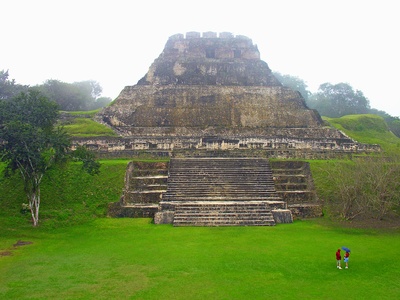
Mopan is a Yucatecan Maya language spoken by indigenous communities in southern and central Belize. It carries ancestral knowledge and ceremonies but sees declining use among younger generations in favor of Spanish or English.
Yucatec Maya
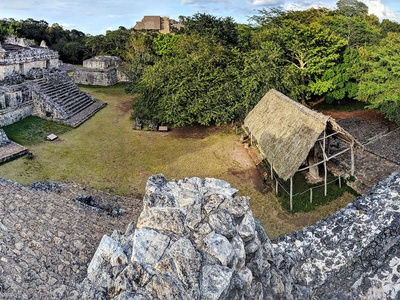
Yucatec Maya (Yukatek) is spoken by Maya communities in northern Belize; historically linked to the wider Yucatán region. It remains active in rural communities with cultural revitalization efforts and bilingual schooling in some areas.
Plautdietsch (Mennonite Low German)
Plautdietsch is the Low German dialect of conservative Mennonite settlements. Used daily within communities for family, farming, and commerce, it coexists with Spanish and English and supports a distinct cultural and economic presence.
Standard German
Standard German is used in some Mennonite churches, schools, and printed materials. It complements Plautdietsch in religious and formal education contexts and maintains ties to German-language literacy and tradition.
Belizean Sign Language
Belizean Sign Language is used by the local deaf community; it draws influence from American Sign Language and unique local sign practices. It is central to deaf education and community identity, though access varies across regions.
Haitian Creole
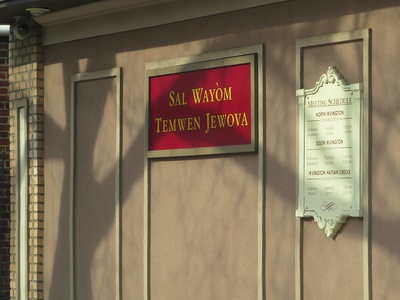
Haitian Creole is spoken by Haitian migrants and seasonal workers in Belize. It supports community cohesion and retains distinct cultural expression, but many speakers also use Spanish, Kriol, or English in public life.
Mandarin Chinese
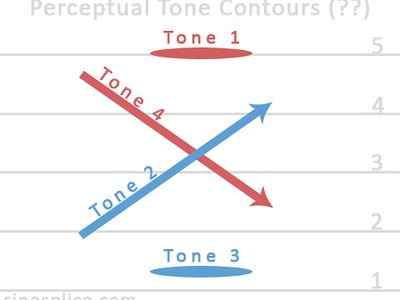
Mandarin is spoken by parts of the Chinese-Belizean business community and recent immigrants. Used in commerce and community networks, it coexists with Cantonese and English, with cultural organizations maintaining language ties.

Cantonese
Cantonese is spoken by older generations of Chinese-Belizeans and some merchants. Its usage has declined relative to Mandarin and English but remains part of family life and heritage for some households.
Haitian French? (Haitian French-based)
—
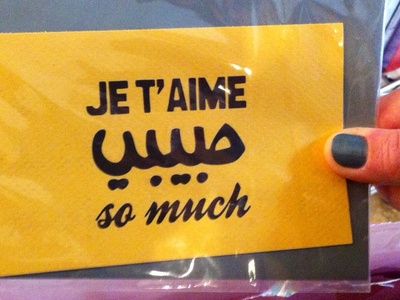
Arabic (Lebanese dialects)
Arabic is spoken by small Lebanese-descended merchant families and recent immigrants. Mostly used in family, business, and community religious settings, it maintains cultural ties while many speakers are bilingual in English or Spanish.
Portuguese (Brazilian)
Brazilian Portuguese is present among a small number of recent migrants and businesspeople. It is used in family and community contexts and is one of several minor immigrant languages adding to Belize’s linguistic diversity.
Spanish Creole (Garifuna-influenced varieties)
—