Honduras is known for the Bay Islands and their reef, the Maya city of Copán, coffee, bananas, Garifuna culture, and a reputation for crime that is more complicated than the headlines suggest. That’s the short answer. The longer one is below, ten items long, with a safety section and a quick-facts box at the end.
Contents
- Quick facts
- 1. The Bay Islands
- 2. The Mesoamerican Barrier Reef
- 3. Copán and its Maya ruins
- 4. Some of the cheapest diving on earth
- 5. Baleadas and the food
- 6. Garifuna culture
- 7. The Lenca and the highlands
- 8. Coffee
- 9. Bananas and the “banana republic”
- 10. Cloud forests and Pico Bonito
- Honduras’s reputation: crime and instability
- FAQ
Quick facts
| Capital | Tegucigalpa |
| Population | About 10 million |
| Language | Spanish (plus Garifuna, Miskito and English Creole on the coast and islands) |
| Currency | Honduran lempira (US dollars are widely accepted on Roatán) |
| Coastlines | Caribbean (north), a short Pacific stretch on the Gulf of Fonseca (south) |
1. The Bay Islands
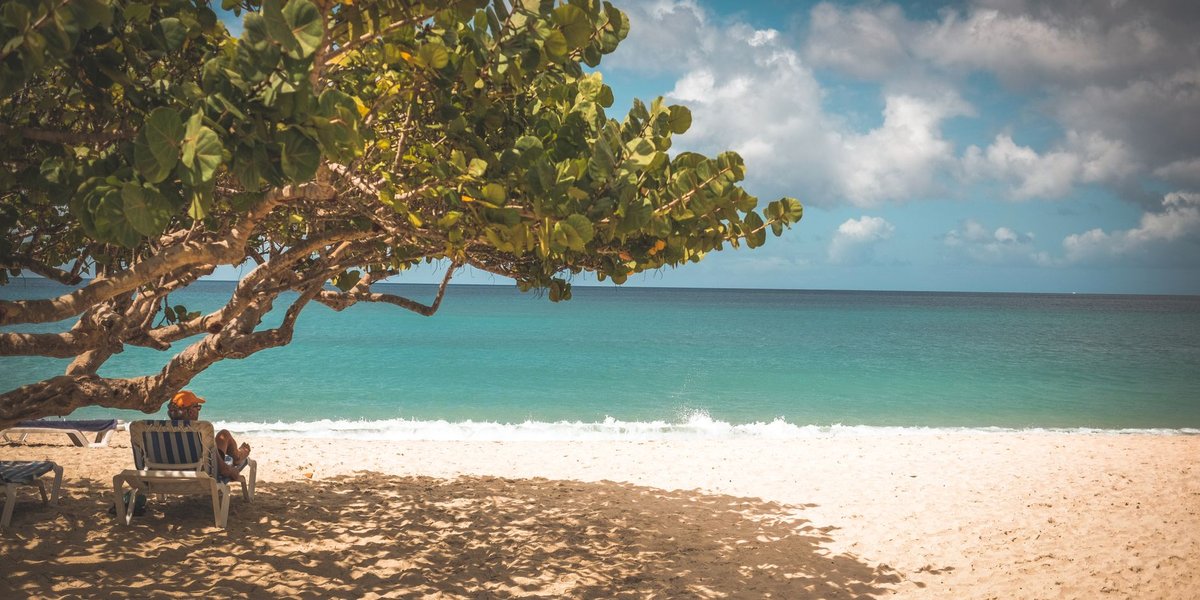
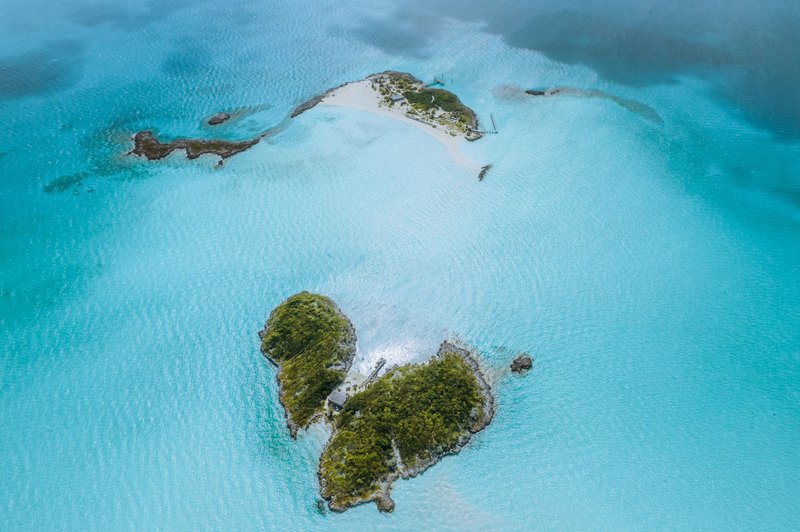
Roatán, Utila and Guanaja, off the north coast, are the reason most visitors come.
Roatán is the big one: about 40 miles long, with a cruise port, a backpacker strip at West End, and quieter stretches like Sandy Bay and Punta Gorda. Utila is smaller and scruffier in the best way, a place where golf carts and bicycles outnumber cars and half the island seems to have a dive instructor’s tan. Guanaja, the farthest east, is the least developed of the three.
The islands have their own history, too. Many residents speak an English Creole at home because of settlers and British influence in the 1800s, so you’ll hear English on the streets before you hear Spanish.
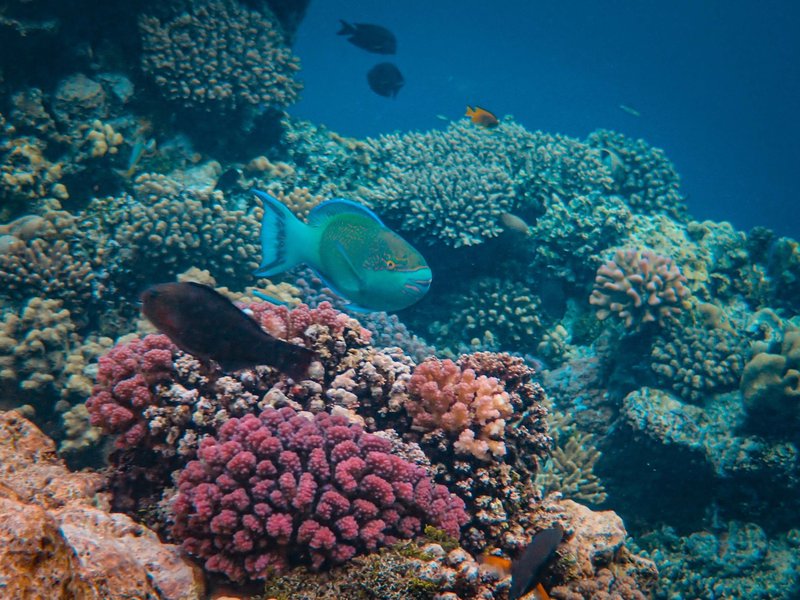
2. The Mesoamerican Barrier Reef
Honduras sits on the second-largest barrier reef system in the world.
The Mesoamerican Reef runs roughly 1,000 km from Mexico’s Yucatán down past Belize and Guatemala to the Bay Islands. Only Australia’s Great Barrier Reef is bigger. The Honduran stretch is unusually accessible: on Roatán, the reef wall starts a few minutes by boat from shore, and in places you can snorkel from the beach.
What you’ll see: elkhorn and brain coral, eagle rays, turtles, and nurse sharks. Utila adds a bonus. Whale sharks are spotted around the island throughout the year, and that’s rare for a spot you can reach on a short flight.
3. Copán and its Maya ruins
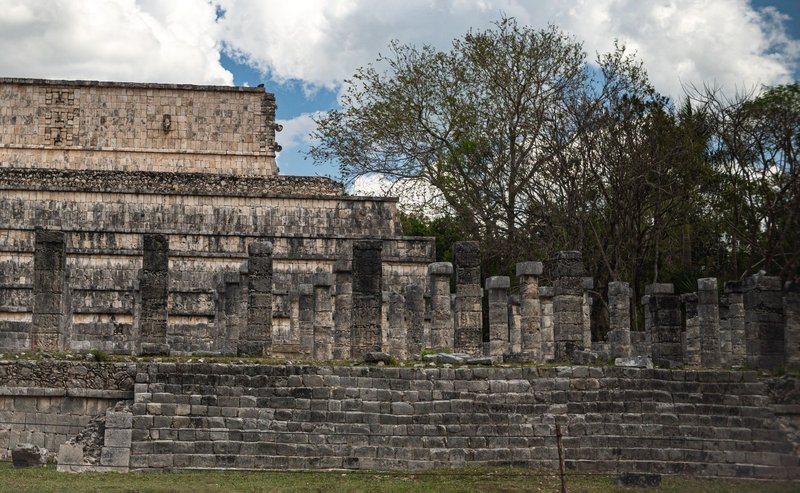
Copán is the country’s main archaeological site, and one of the most important Maya cities ever excavated.
Near the Guatemalan border, the UNESCO-listed Copán site was a Maya capital from the 5th to the 9th century. Its signature is the Hieroglyphic Stairway: 63 steps carrying roughly 2,200 glyphs, the longest known Maya text. Copán’s stelae are carved in near-round relief, so the kings look like they’re stepping out of the stone. Other Maya cities carved flatter. While Copán is the most impressive site, Honduras has several other archaeological ruins worth exploring if you want to dive deeper into the country’s ancient history.
There’s also a practical bonus. Scarlet macaws, once nearly wiped out in the area, fly around the ruins, and the town of Copán Ruinas is compact, cobbled and easy to base yourself in for two nights.
4. Some of the cheapest diving on earth
Utila and Roatán are among the cheapest places in the world to get scuba certified.
An Open Water course on Utila has long cost far less than in the Caribbean at large, and many shops bundle in accommodation. That’s why the island became a backpacker rite of passage. Roatán costs more but offers higher-end resorts, wrecks like the Mary Ann and El Aguila, and good wall dives.
Prices shift every season, so check current rates, but the pattern holds: if you’ve always wanted to learn to dive, Honduras is one of the first places to look.
5. Baleadas and the food
The baleada is the national snack: a folded flour tortilla filled with refried beans, crumbled cheese and cream.
Add scrambled eggs, avocado or grilled meat and you’ve got a baleada especial, the standard breakfast and the standard cheap dinner. It costs very little and it’s good everywhere, from highway stands to Tegucigalpa’s markets.
Look past it and the menu opens up. Sopa de caracol, a coconut-conch soup, is the signature dish of the north coast and islands. Pollo chuco is fried chicken over tostadas with pickled cabbage. Plátanos fritos show up on nearly every plate. And anafres, small clay braziers of melted bean-and-cheese fondue, turn up on bar tables across the country.
6. Garifuna culture
The Garifuna are Afro-Indigenous communities along the Caribbean coast, and their music, language and food are among the country’s most distinctive.
The Garifuna descend from West African and Indigenous Carib and Arawak peoples, exiled by the British from St. Vincent to Roatán in 1797. UNESCO proclaimed Garifuna language, dance and music a Masterpiece of the Oral and Intangible Heritage of Humanity in 2001. Drums, called garaón, drive the punta dance, a hip-heavy rhythm you can catch in towns like Tela, Triunfo de la Cruz and Trujillo.
Food is part of the culture, too. Tapado, a seafood stew simmered in coconut milk with green plantains, is the dish to order. Cassava bread (ereba) is baked in big flat rounds.
7. The Lenca and the highlands
The Lenca are the country’s largest Indigenous group, and their heartland in the western mountains is a different Honduras from the beaches.
Think pine forests, cool mornings and small colonial towns. Gracias, the old Spanish capital of Central America’s first audiencia, sits near thermal springs and Celaque National Park. The Lenca village of La Campa is known for black-and-red pottery, made without a wheel.
The national currency is named after a Lenca leader: Lempira, who led resistance against the Spanish in the 1530s.
8. Coffee
Honduras is the largest coffee producer in Central America and one of the biggest exporters of Arabica worldwide.
Coffee is the country’s top agricultural export. Specialty regions include Copán, Montecillos, Opalaca, Comayagua, Agalta and El Paraíso, each with its own altitude and flavor profile, from brown sugar sweetness to citrus. Most of it comes from small family farms, which is why a good cup in a highland town can taste better than anything labeled “single origin” at home.
If you’re visiting, farm tours near Santa Bárbara and Copán are the easiest way to see the process, from picking to drying beds.
9. Bananas and the “banana republic”
The phrase “banana republic” was coined with Honduras in mind.
Writer O. Henry used it in his 1904 book Cabbages and Kings, based on time he spent in Honduras. The term stuck to describe small countries controlled by foreign fruit companies. In the early 20th century, firms such as United Fruit, Standard Fruit and Cuyamel owned the plantations, built the railways, and shaped politics, to the point that governments rose and fell on their interests.
Bananas are still a major export, and the north coast around La Ceiba and San Pedro Sula still has banana plantations and ports. The history explains a lot about why the country’s economy and politics look the way they do.
10. Cloud forests and Pico Bonito
Honduras has some of Central America’s biggest remaining tracts of tropical forest.
Pico Bonito National Park, near La Ceiba, climbs from the Caribbean lowlands to a roughly 2,400 m peak, so a single day can take you from rainforest to cloud forest. The Cangrejal River on its edge is the country’s rafting hub. Further east, the Río Plátano Biosphere Reserve is a UNESCO World Heritage Site covering one of the largest intact rainforests north of the Amazon, though it’s remote and under real pressure from deforestation.
Bird-watchers get the best deal: toucans, motmots, and quetzals in the high cloud forests of Cusuco and Celaque.
Honduras’s reputation: crime and instability
Honduras is also known for violence, and you’ll see it in the search results whether you want to or not. For years the country had one of the highest homicide rates in the world, driven mostly by gang activity and drug trafficking in a few cities like San Pedro Sula and Tegucigalpa. It also has a history of coups and political crises, the most recent major one in 2009.
The reality for travelers is uneven. Most violent crime is concentrated in specific urban neighborhoods and between people involved in gangs or trafficking. The Bay Islands, Copán Ruinas and the main tourist areas have far fewer incidents, though petty theft and robberies still happen. The US State Department’s Honduras travel advisory lists specific areas to avoid and is worth reading before you book.
What to do about it:
- Fly or take reputable first-class buses between cities, and avoid traveling at night.
- Skip walking around San Pedro Sula and Tegucigalpa after dark; use registered taxis or ride apps.
- Leave flashy jewelry and extra cash in the hotel safe.
- On the islands, stick to licensed water taxis and dive shops with good reviews.
- Check your government’s current advisory close to departure, because conditions change.
FAQ
What is Honduras most famous for?
Its Caribbean islands and reef diving, the Maya ruins at Copán, coffee, and its history with the banana industry.
What food is Honduras known for?
The baleada, a flour tortilla with beans, cheese and cream, is the national favorite. Sopa de caracol and tapado are the dishes to try on the coast.
Is Honduras safe to visit?
It depends on where you go. Tourist areas like Roatán, Utila and Copán Ruinas see far fewer incidents than big cities, but you should read your government’s travel advisory and take standard precautions.
Why is Honduras called a banana republic?
Because in the early 1900s, American fruit companies controlled much of its land, railways and politics. O. Henry’s 1904 book popularized the term after he lived in Honduras.
What language and currency does Honduras use?
Spanish is the official language and the lempira is the currency, although US dollars are common on the Bay Islands.
When is the best time to visit?
The dry season, roughly February to May, is best for the islands and ruins. The Caribbean coast gets rain from October to January, and hurricane season runs June to November.