In 1972 Congress designated the Buffalo National River as the first national river in the contiguous United States, preserving 135 miles of free-flowing water and wild scenery.
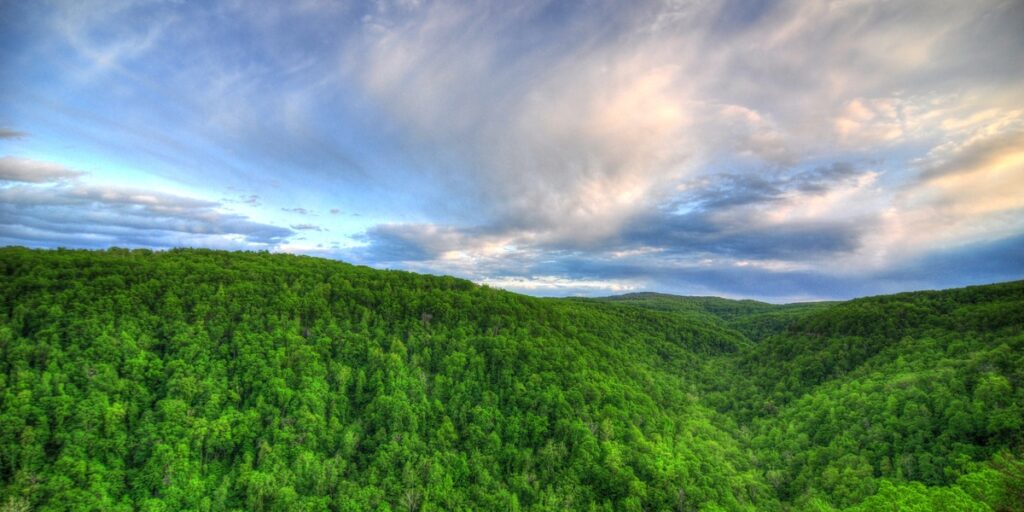
That protection helped make Arkansas an unusually concentrated place for active outdoor play, with the Ozarks and Ouachitas carving ridgelines and lowland rivers threading through pine and hardwood forests. Hot Springs received federal protection as a reservation in 1832, giving the state a mix of natural history and human stories that enrich time outdoors.
This guide highlights seven hand-picked adventurous things to do in Arkansas for active travelers, families with older kids, and weekend explorers who prefer movement over museums. The adventures are grouped into three buckets — water and river adventures, trails and two-wheeled pursuits, and distinct Arkansas experiences you won’t find elsewhere — so you can pick a trip by season, skill level, or novelty.
Water & River Adventures
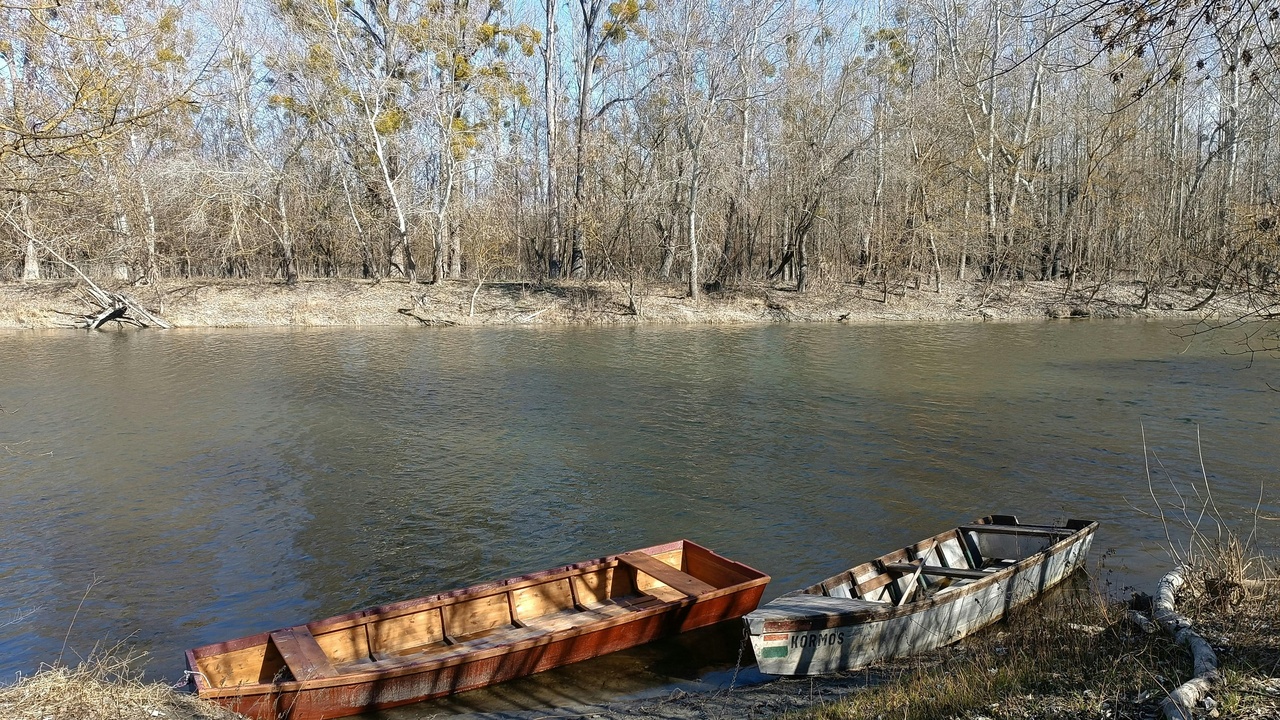
Arkansas earned the nickname the Natural State in part because its rivers cut dramatic canyons and make ideal paddling and fishing corridors. Options range from calm floats for families to technical runs that test stroke control and scouting skills.
The Buffalo National River’s protected 135-mile corridor offers classic Ozark scenery, while the White River below Bull Shoals and Norfork dams is a top trout fishery. Smaller Ouachita streams add seasonal whitewater for paddlers who chase spring runoff.
Expect spring and early summer for higher flows and better rapids, with late spring through fall most comfortable for floats and camping. Permits and camping rules vary by river; local outfitters handle shuttles, gear, and current water conditions.
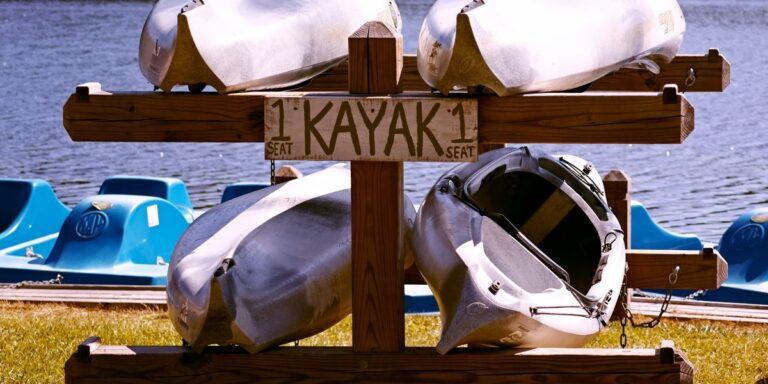
1. Buffalo National River: Canoe or kayak a 135-mile wilderness
The Buffalo National River offers multi-day floats and single-day paddles beneath limestone bluffs and beside remote campsites. The river runs roughly 135 miles from its headwaters near Boxley to where it joins the White River, and its 1972 designation keeps the corridor largely undeveloped.
Typical itineraries range from 1–3 day floats between popular put-ins like Buffalo Point, Steel Creek and Kyle’s Landing. Classic one-day runs include Ponca to Buffalo Point for scenic bluff views and short wildlife stops.
Local outfitters (for example, Buffalo Outdoor Center and Steel Creek Outfitters) offer shuttles, boat rentals, and guided trips; they’ll advise on water levels, campsite locations, and Leave No Trace camping. Watch for bald eagles, white-tailed deer and river otters, and carry a map, PFD, and a reliable means of communication.
2. Float or fish the White River — trophy trout and scenic banks
The White River below Bull Shoals and Norfork dams is one of the country’s premier trout fisheries, producing rainbows and brown trout that attract anglers from across the region. Tailwater conditions create steady cold water and consistent hatches.
Plan trips in cooler months and spring runoff for best trout activity, and consider hiring a guide based in Mountain Home or Bull Shoals to learn tactics. Typical setups include 5–6 weight rods with nymph rigs or streamers, depending on season and current.
Guides and fly shops in the Ozark hub towns provide maps, waders and personalized instruction. Trophy targets commonly noted by experienced guides range into the 4–10 pound realm on occasion, while most fish are smaller; realistic expectations make the day more enjoyable.
3. Paddle or whitewater on the Ouachitas and Little Missouri
The Ouachita region produces faster spring runoffs and technical stretches for paddlers who want more adrenaline than a lazy float. Sections of the Little Missouri River feature class II–III rapids during high water and attractive scenery at lower flows.
Choose a whitewater kayak or a river runner canoe for rapids, and consider guided trips for first-time swift-water paddlers. Essential safety gear includes a helmet, a reliable PFD and a throw rope; scouts and local outfitters can advise on put-in spots and seasonal conditions.
Trails, Ridges & Two-Wheeled Thrills
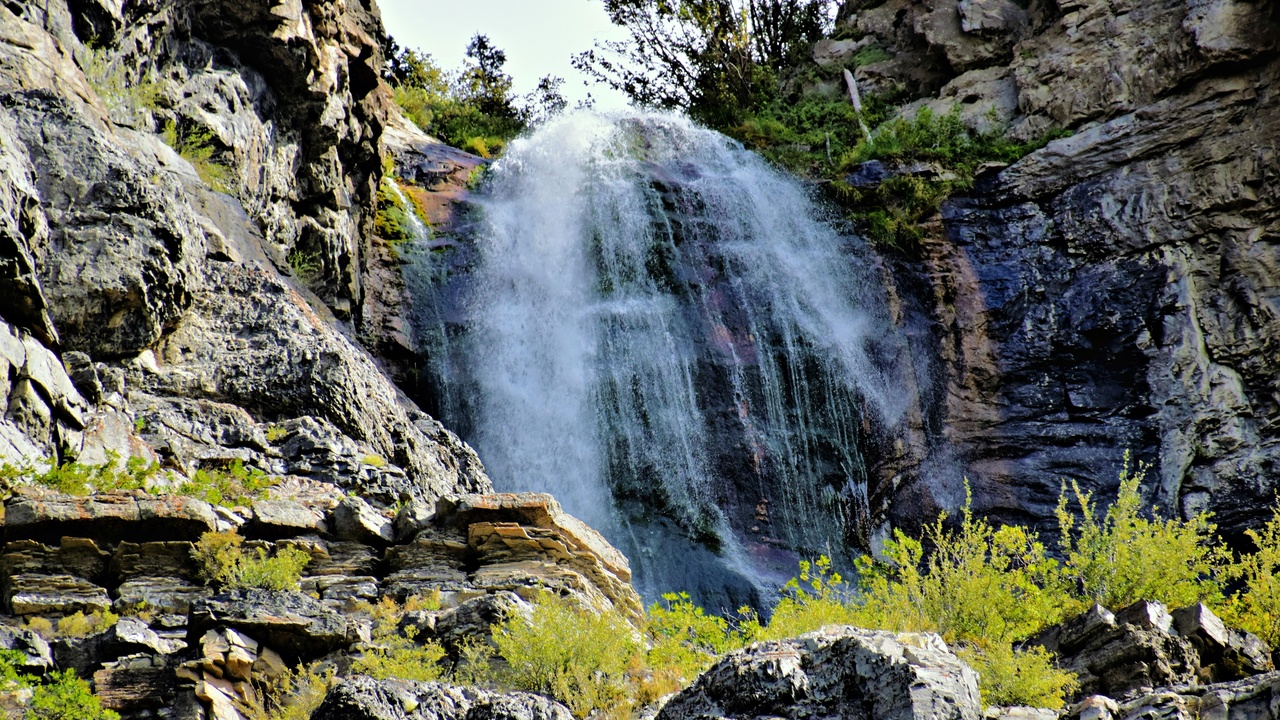
Arkansas’s trail network spans everything from easy boardwalk strolls to long Ozark ridge hikes and world-class mountain-bike singletrack. The state’s compact size means you can pair a morning bike ride with an afternoon waterfall hike.
Bentonville has emerged as a national mountain-biking hub with more than 100 miles of mapped trails, while the Ozark Highlands Trail and shorter routes like Lost Valley deliver classic ridgeline views and waterfall endpoints.
Trail etiquette is simple: yield appropriately, pack out what you bring, and check local regulations for pets and permits. Weather swings quickly in the hills, so layer and bring traction-appropriate footwear or tires.
4. Ride Bentonville’s trails — a mountain-biker’s playground
Bentonville evolved into a top U.S. mountain-biking destination with a vast and growing network of singletrack and skill areas. Conservatively, the mapped systems exceed 100 miles and include everything from flowy beginner loops to technical rock features.
Signature areas include Coler Mountain Bike Preserve and the Slaughter Pen trail complex. Local bike shops offer rentals, guided rides and shuttle options, making a day trip accessible even without bringing your own bike.
Attend one of the city’s annual events if you want a festival atmosphere, but weekdays and early mornings provide quieter trail access. Read trail signage for difficulty ratings and bring a basic repair kit and helmet.
5. Hike to Ozark overlooks and waterfalls like Hawksbill Crag
Hawksbill Crag (Whitaker Point) is an iconic Ozark viewpoint and a good example of dramatic, accessible hikes in the region. The out-and-back trail is short to moderate and rewards hikers with a photogenic sandstone ledge.
Timing a hike for fall color or sunrise gives memorable vistas, and nearby routes such as Lost Valley lead to a waterfall and a cave window for added variety. Richland Creek Wilderness offers longer ridge hikes for backpackers wanting more solitude.
Parking at popular trailheads can be limited on peak days; arrive early and bring sturdy footwear, water, and a map. Short hikes still demand respect for exposed ledges and quick weather changes.
Distinct Arkansas Experiences
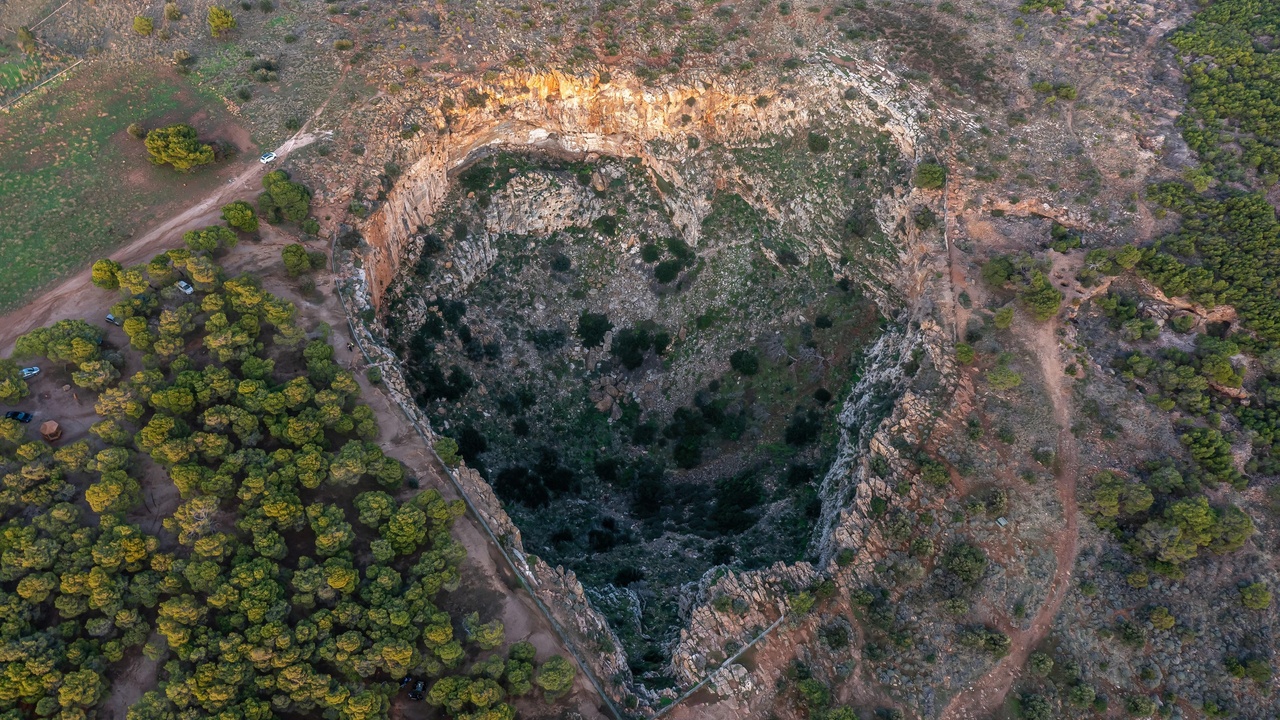
Arkansas offers a handful of adventures that feel singular: prospecting for gems in a public diamond field, soaking in historic thermal springs, and exploring limestone caverns beneath forested hills. Those experiences pair novelty with hands-on activity.
Crater of Diamonds is the only public diamond-bearing site where you can search and legally keep what you find. Hot Springs blends historic bathhouses with urban trails thanks to federal protection since 1832, while Blanchard Springs Caverns opens a subterranean world via guided tours.
These activities suit travelers who want a break from standard park loops — bring curiosity, patience, and basic field gear, and reserve special tours or parking on busy weekends.
6. Dig for gems at Crater of Diamonds State Park
Crater of Diamonds State Park is the only diamond-bearing site in the world open to the public to search for gems, and it’s a genuine find-your-own experience. One of the park’s most famous discoveries was the 40.23-carat “Uncle Sam” diamond found in 1924.
Most visitors find small diamonds or pockets of quartz, though occasionally larger stones surface. The park rents screening equipment and buckets, and the education center displays notable finds and offers identification tips.
For best conditions, visit in spring or fall when digging is comfortable. Arrive early on busy weekends, wear sun protection, bring water, and plan a half-day to a full-day visit depending on how deep you want to search.
7. Soak and explore Hot Springs and nearby caverns
Hot Springs National Park blends thermal spring history and short urban hikes around Bathhouse Row. The federal reservation dates to 1832, and many bathhouses from the late 19th and early 20th centuries remain as museums, spas or repurposed spaces.
A bathhouse tour or a modern spa soak makes a restful contrast to more active days on nearby trails such as the Hot Springs Mountain Tower loop. For an underground change of pace, Blanchard Springs Caverns offers guided cavern tours with impressive stalactite and flowstone formations.
Cave tour options range from easy walk-through routes to more involved wild-caving programs; book in advance during peak months and check accessibility notes for each tour. Combining a historic bathhouse visit with a short hike and a cave tour makes for a full but varied day.
Summary
- Pick a season for your chosen activity: late spring for Buffalo River flows, fall for Bentonville riding and fall color, and winter or spring for trout on the White River.
- Book guides, shuttles or specific tours in advance — outfitters, fly shops and cave operators fill up on weekends and during festivals.
- Pack the right essentials: PFD and helmet for whitewater, a repair kit and helmet for biking, screening tools and sun protection for Crater of Diamonds, and sturdy footwear for Ozark trails.
- Choose one of these seven adventures — from paddling the Buffalo to trying adventurous things to do in arkansas at Crater of Diamonds — and make a plan to go within the next 12 months.