The Central African Republic (CAR) won independence on August 13, 1960 — a milestone that opened a vast interior of rainforests, savannas, and river corridors few travelers have experienced. With an area of roughly 623,000 km², the country holds pockets of intact habitat and cultures that remain lightly visited by international tourism. For adventurous travelers this matters: smaller crowds mean more intimate wildlife encounters, access to rivers that still run deep through forested islands, and cultural exchanges where money goes directly to families and local guides.
From tracking western lowland gorillas to paddling the Ubangi, this guide lists eight substantive, practical adventures across three categories—wildlife expeditions, river and outdoor adventures, and cultural and community experiences—and gives concrete tips on best times to go, safety, and logistics. Read on for realistic itineraries, seasonal notes (the dry season eases movement), and advice on permits, guides, and ethical behaviors that make a trip both safe and conservation-minded.
Wildlife and Forest Expeditions
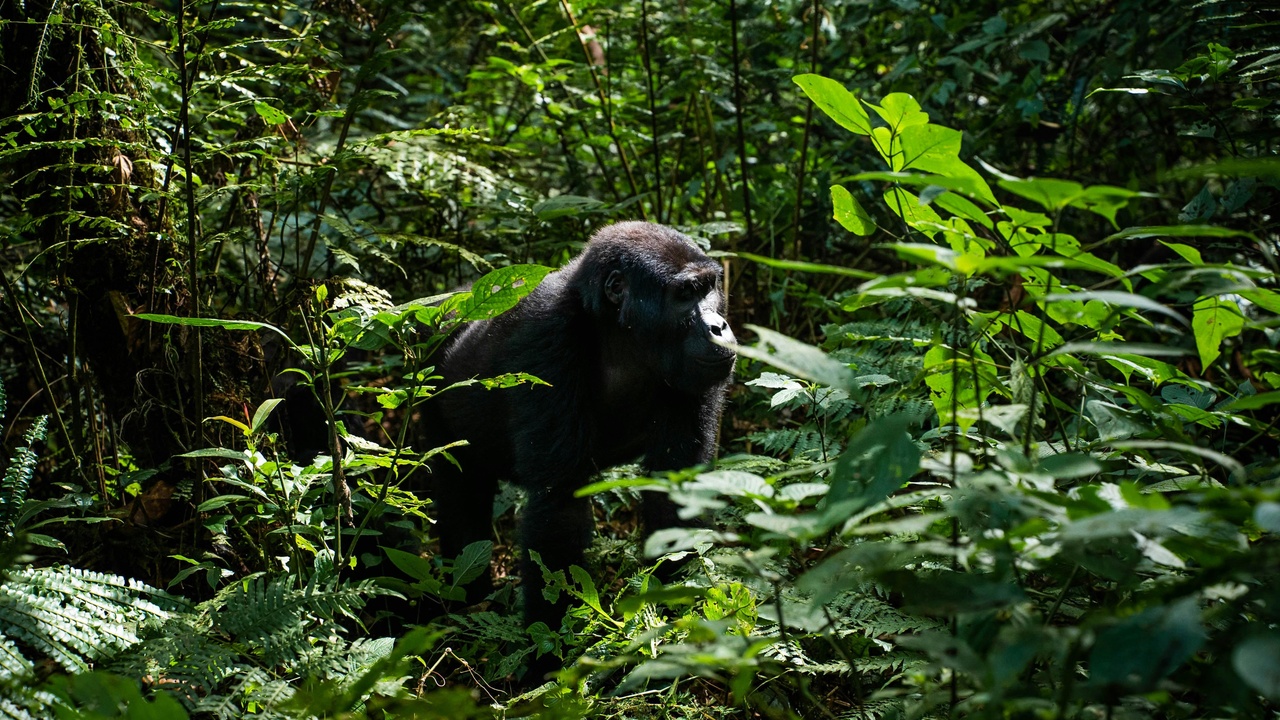
The rainforests of southwest CAR and the region’s bais (natural forest clearings) are among the best places in Central Africa for close wildlife encounters. The Sangha Trinational landscape and Dzanga-Ndoki National Park function as conservation strongholds (Sangha Trinational earned UNESCO recognition in 2012) and protect western lowland gorillas, forest elephants, and abundant understorey life.
Visitor numbers here are low, which means views of wildlife are often quiet and unhurried, but access is permit- and guide-dependent. Expect guided treks that require basic fitness, muddy paths in the wet season, and cooler, easier tracking during the dry months. Difficulty ranges from moderate (birding and bai viewing) to strenuous (multi-day gorilla treks).
Below are three concrete ways to experience CAR’s forest wildlife responsibly: gorilla tracking, Dzanga Bai elephant observation, and birding excursions that support community-run camps and trained eco-guides.
1. Gorilla tracking in Dzanga-Sangha
Gorilla tracking in Dzanga-Sangha is an intimate rainforest expedition focused on western lowland gorillas in mature lowland forest. Dzanga-Ndoki is part of the Sangha Trinational (UNESCO 2012), and protected populations allow guided, permit-based visits that fund conservation and local communities.
Typical treks start from Bayanga with local eco-guides trained in habituation and safety protocols. A common two-day itinerary includes an initial forest approach, an intensive tracking day with up to a few hours with a habituated group (following strict viewing distance and time limits), and an overnight at a community-run camp. The dry season makes trails firmer and sightings easier; expect moderate to hard physical demands depending on group location.
Permits and ethical guidelines are non-negotiable: travel with authorized guides, avoid direct contact, and follow ranger instructions to minimize disease risk and disturbance. These visits often support scientific monitoring and provide steady income for Bayanga-based communities.
2. Watching forest elephants at Dzanga Bai
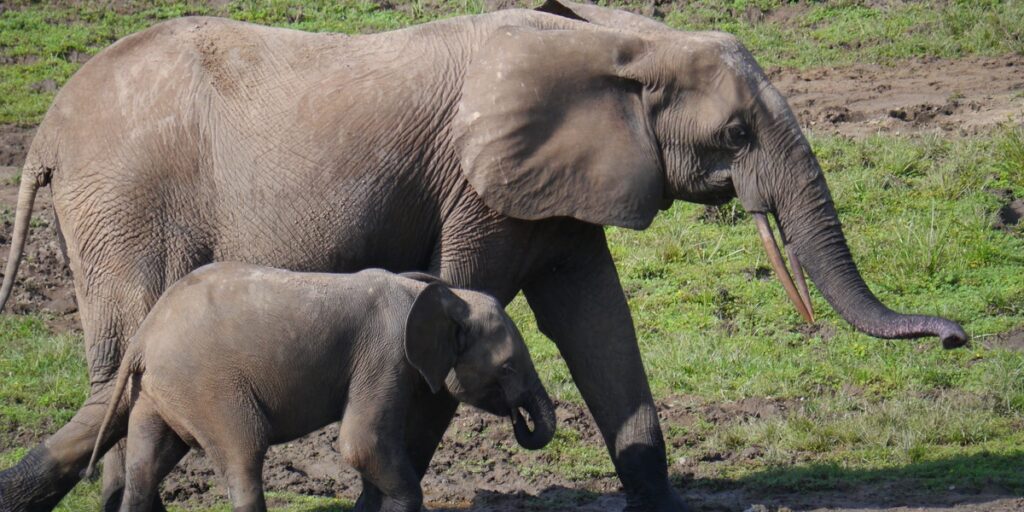
Dzanga Bai is one of the world’s most remarkable places to watch forest elephants gather in a natural clearing. Bais concentrate mineral-rich mud and salt, drawing elephants and other mammals into daylight observation windows that feel almost theatrical.
Visitors view animals from a raised platform that provides long, patient observation sessions—mornings and late afternoons are best for soft light and active behavior. Sessions often last one to three hours, sometimes longer if animals linger. Across seasons, tens to a few hundred elephants may visit a bai, though numbers vary.
Dzanga Bai visits are low-impact when guided through community programs; proceeds help pay local staff and rangers. Practical tips: bring insect protection, a long lens for photos, and remain quiet on the platform to avoid altering animal behavior.
3. Birdwatching and bai ecology excursions
Birdwatching in CAR is a lower-impact but richly rewarding activity across gallery forest, savanna-forest mosaic, and bai habitats. The mix produces high avian diversity, including Congo Basin specialists and seasonal migrants.
Guided dawn walks and boat surveys near Bayanga reveal kingfishers, hornbills, turacos, and secretive understorey species best heard at first light. Local guides keep checklists and teach calls; these services create steady income for communities and conservation efforts.
Pack binoculars, a compact field guide, and a light rain jacket. Dawn bird walks and short boat trips make this accessible to a wide range of travelers while delivering meaningful support to local conservation guides.
River, Savanna and Bush Adventures
CAR’s major rivers—the Ubangi and Sangha—and its northern savannas open up multi-day paddling, fishing, and remote camping options. Rivers are seasonal: the wet season expands channels and islands, while the dry season tightens navigable routes and concentrates wildlife along remaining channels.
Manovo-Gounda-Saint Floris National Park was inscribed as a UNESCO World Heritage site in 1980 and placed on the List of World Heritage in Danger in 1997; that history underscores both the park’s value and the need to travel responsibly in northern safaris. Expect long river days, guidance on hippo and crocodile safety, and a real sense of remoteness.
Below are three practical river and savanna adventures: multi-day canoe journeys, night safaris and fishing trips, and remote camping routes in northern parkland.
4. Canoe and boat expeditions on the Ubangi and Sangha Rivers
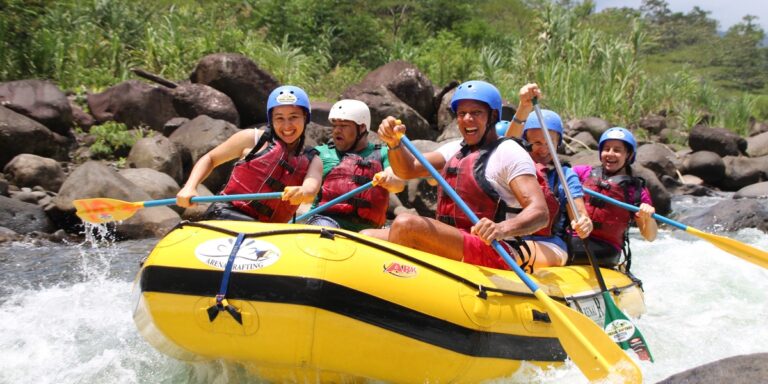
Long river journeys are among the most adventurous ways to see CAR—multi-day paddling or motor-boat travel links forest islands, fishing villages, and remote floodplain habitats. Trips may include island landings, village visits, and simple riverside camps.
Typical profiles run 3–6 days and start from Bangui or regional launch points near Bayanga, following river pilots who know seasonal shoals and rapids. Waterproof bags, local boat crews, and sturdy life jackets are essentials. Plan for changing water levels and bring spare fuel for outboard motors.
Safety: keep clear of hippo zones, follow pilot advice about crocodiles, and coordinate permits for cross-border stretches if you travel near international rivers. Hiring local river pilots and community boat operators ensures safe navigation and local economic benefit.
5. Fishing, night safaris, and spotlighting trips
Fishing and nocturnal wildlife outings are accessible, high-reward activities for small groups. Riverine fisheries supply local diets and provide relaxed opportunities to learn from community fishers.
Night-boat spotlighting trips at dusk and after dark reveal nocturnal primates, civets, hippos grazing at river edges, and owls. Guides use spotlights and quiet motors to minimize disturbance. Expect short boat rides, frequent stops, and close-up encounters when done responsibly.
Bring headlamps, life jackets, and robust insect protection. Book these trips with experienced local operators who follow safety protocols and share proceeds with river communities.
6. Remote savanna camping and big-country safaris
The northern parks and savannas offer raw, low-density safari experiences where roads fade and tented camps sit under wide skies. Logistics are straightforward but demanding: multi-day drives, reliable 4x4s, and ranger escorts.
Manovo-Gounda-Saint Floris (UNESCO 1980; on the danger list since 1997) exemplifies both ecological value and management challenges. A typical 4-day route uses ranger support, simple camps, and daytime game drives or guided walks. Expect Sahelian flora, scattered herds, and the possibility of seeing elusive species.
Permits, vaccinations, vehicle spares, and a local wildlife scout are essential. Travel here supports conservation when you hire ranger escorts and respect park rules and seasonal closures.
Cultural, Historical and Community Experiences
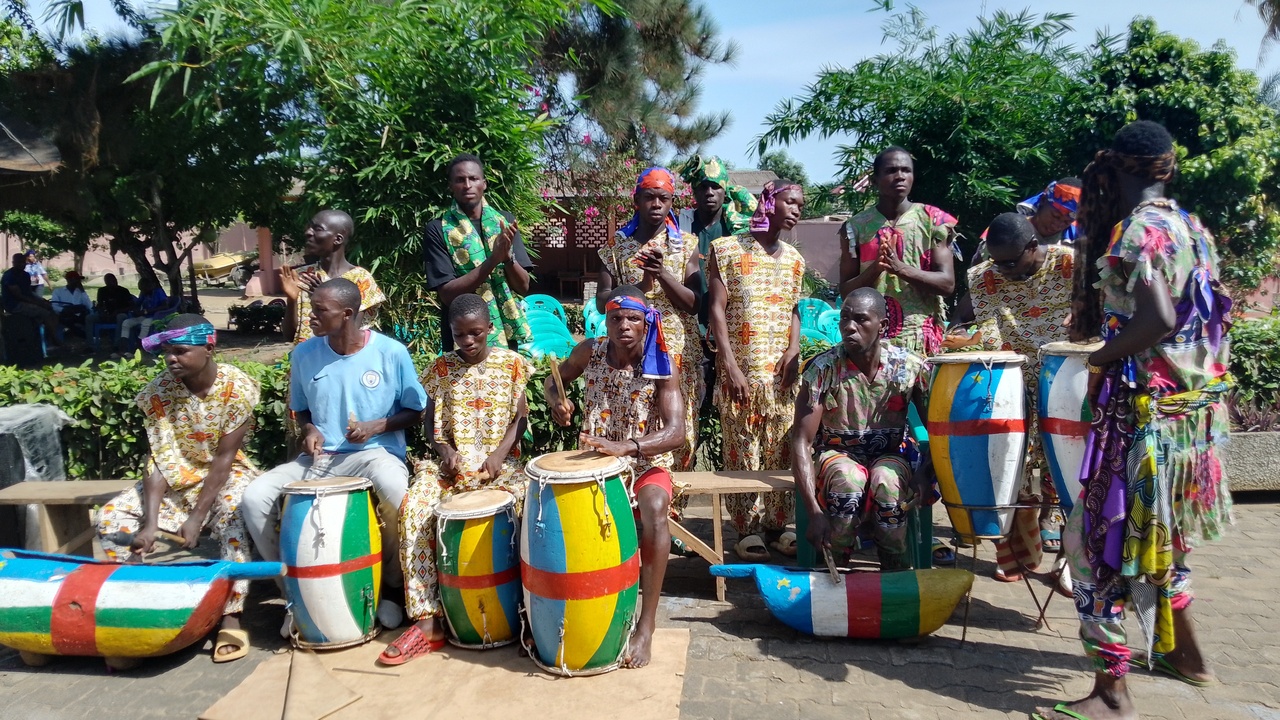
CAR’s cultural landscape—home to Banda, Gbaya, Yakoma and other groups—adds a meaningful layer to adventure travel. Colonial-era history, river-based trade routes, and strong musical traditions create immersive experiences when approached respectfully.
Bangui functions as the transport hub and the practical place to arrange homestays, market visits, and festival connections with community guides. Cultural immersion should be arranged through trusted local operators, with permissions, clear expectations, and modest gifts or fees that flow directly to hosts.
Below are two ways to connect: hands-on market and homestay programs that channel income to families, and seasonal music, dance, and festival opportunities organized with local leaders.
7. Market visits, village homestays, and craft workshops
Local markets and homestays provide immersive cultural adventures that pair well with wildlife treks. Markets are social centers for trade, storytelling, and crafts; homestays send income directly to families and foster cross-cultural exchange.
Concrete examples include bargaining in Bangui’s main markets, visiting craft cooperatives that teach carving or weaving, and arranging a one- to two-night homestay in an Mbaka or Banda village through a vetted operator. Purchase handwoven textiles or carved items to support artisans.
Practical tips: ask permission before photographing, keep gifts modest and useful, and learn a few phrases in Sango or a local language. Choose community programs that provide transparent payment to hosts.
8. Music, dance, and seasonal festivals
Music and dance are central to many Central African communities, and attending festivals yields energetic, memorable experiences. Performances range from communal market-day dances to ritual drumming and public ceremonies.
Festivals are seasonal and region-specific, so coordinate with guides and community leaders to time visits. Consider participatory drumming or dance workshops where hosts welcome teaching, and always request permission before recording or photographing rituals.
Practicalities: check local calendars in Bangui, offer small, respectful gifts when appropriate, and allow a flexible schedule so you can join spontaneous celebrations when they arise.
Summary
- Combine a Dzanga-Sangha gorilla trek with a Sangha river segment to maximize wildlife and river experiences in one trip.
- Book community-run camps and local guides to ensure income reaches villages and conservation programs.
- Plan seasonally: dry months ease trekking and tracking, wet months expand canoe routes but complicate overland travel.
- Prioritize safety—hire river pilots, respect hippo and crocodile zones, secure ranger escorts for northern safaris.
- For adventurous things to do in the Central African Republic, consult trusted local operators and conservation programs when booking to travel responsibly.