Quick answer
India is known for the Taj Mahal and a long list of UNESCO-listed heritage sites, spice-driven regional cuisines, yoga, Bollywood, cricket, and festivals like Holi and Diwali. It is also known for being the world’s most populous country and largest democracy, and increasingly for its space program, software industry, and instant digital payments.
This guide covers 15 of those things, grouped by theme, with the traditional icons next to the modern ones and a practical note wherever it helps.
Table of contents
- India at a glance
- What India is known for: heritage and landmarks
- Food and drink
- Spirituality and festivals
- Arts, film, and sport
- Science, technology, and democracy
- Nature and wildlife
- Stereotypes versus reality
India at a glance
| Fact | Detail |
|---|---|
| Population | About 1.4 billion; passed China as the most populous country in 2023 per UN estimates |
| Area | About 3.29 million sq km, the seventh-largest country by land |
| Capital | New Delhi |
| Independence | 15 August 1947 |
| Official languages | Hindi and English at the national level; 22 languages in the Constitution’s Eighth Schedule |
| UNESCO World Heritage Sites | 44 (as of 2025) |
| Currency | Indian rupee |
What India is known for: heritage and landmarks
1. The Taj Mahal
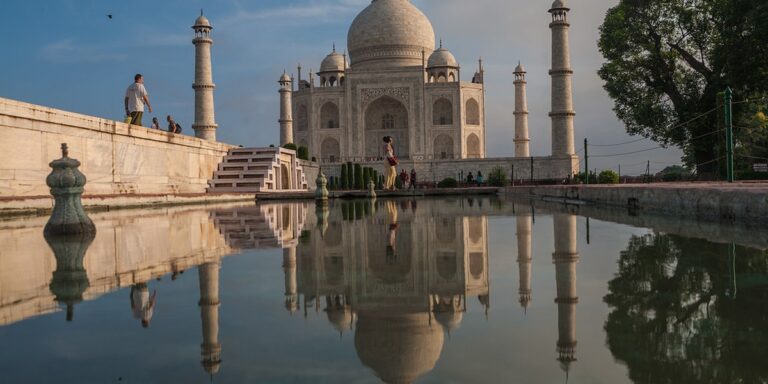
Shah Jahan commissioned the Taj Mahal in 1632 as a tomb for his wife Mumtaz Mahal, and the main mausoleum took roughly a decade to build, with the wider complex finished around 1653. It sits on the Yamuna River in Agra, about 200 km from Delhi, and it is the single image most people attach to India.
The white marble changes color through the day: pinkish at dawn, bright white at noon, amber near sunset. Arrive at opening time to beat both the heat and the tour buses. The monument is closed on Fridays, which catches out a lot of day-trippers. October through March is the comfortable window; Agra in May is brutal.
2. Rajasthan’s forts and palaces
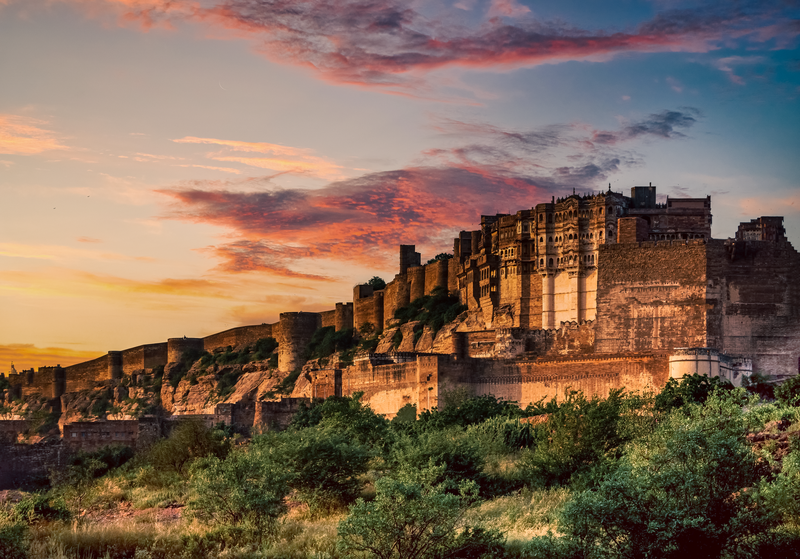
Six of Rajasthan’s hill forts, including Amber near Jaipur, Chittorgarh, Kumbhalgarh, and Jaisalmer, were inscribed together as a UNESCO World Heritage Site in 2013. Jaisalmer Fort is one of the few “living” forts left: families still reside inside its sandstone walls.
Jaipur, the “Pink City,” was added to the list separately in 2019. The Rajput kingdoms built for defense first and decoration second, which is why the ramparts here run for kilometers while the interiors are full of mirror work and painted ceilings. Plan the Jaipur-Jodhpur-Jaisalmer-Udaipur loop over at least ten days; the distances are bigger than the map suggests.
3. Ancient temples and rock-cut wonders
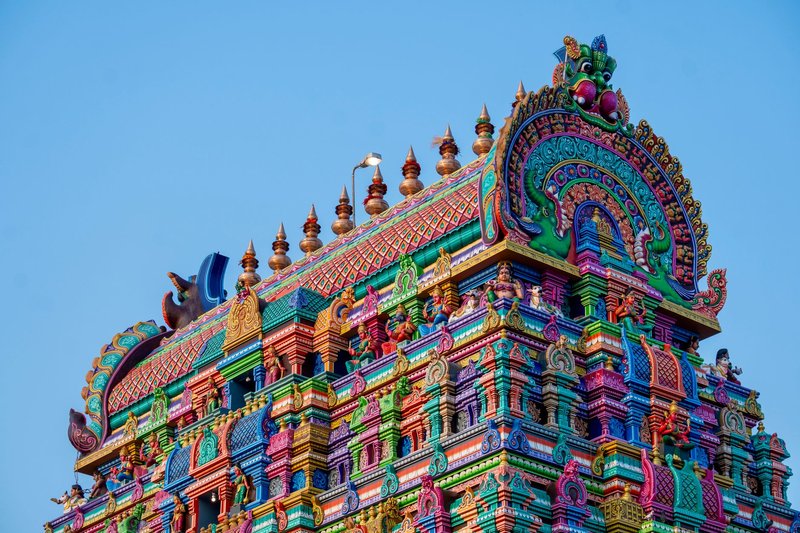
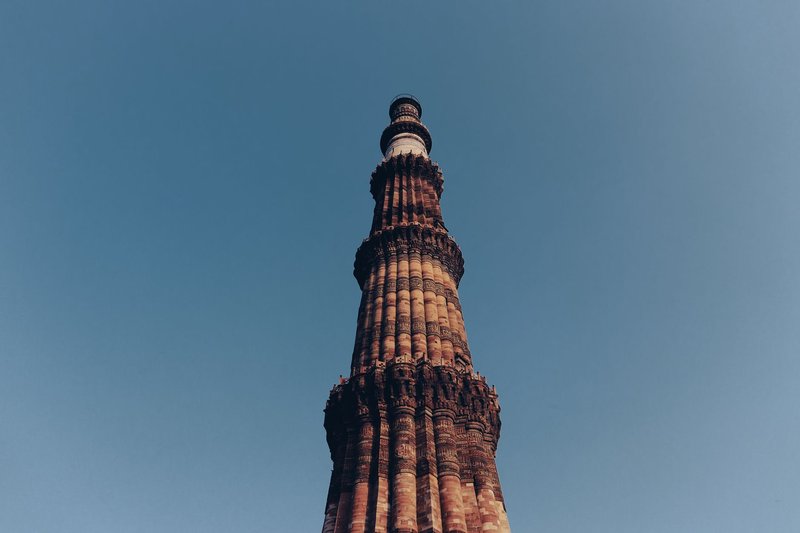
The Kailasa Temple at Ellora, in Maharashtra, was carved top-down out of a single basalt cliff in the 8th century. Khajuraho’s temples, built between roughly 950 and 1050 by the Chandela dynasty, are known for their intricate sculpture. Hampi in Karnataka holds the ruins of the Vijayanagara capital, scattered across boulder-strewn hills. The Sun Temple at Konark, in Odisha, was designed as a stone chariot with 24 carved wheels.
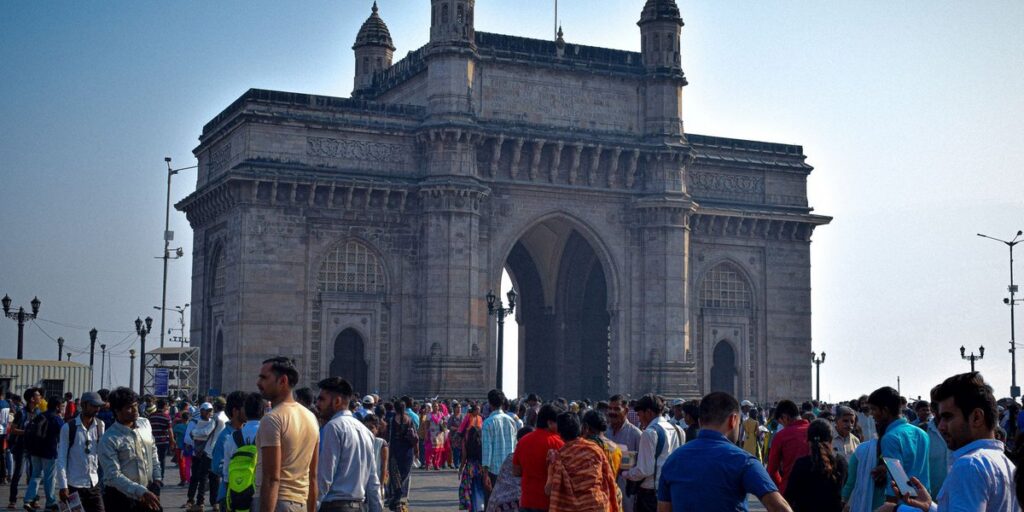
India’s World Heritage list had 44 entries as of 2025, from the Mountain Railways of India to Mumbai’s Victorian Gothic and Art Deco districts. Most visitors see two or three. Pick a region and go deep instead of crossing the country for a checklist.
Food and drink
4. Spices
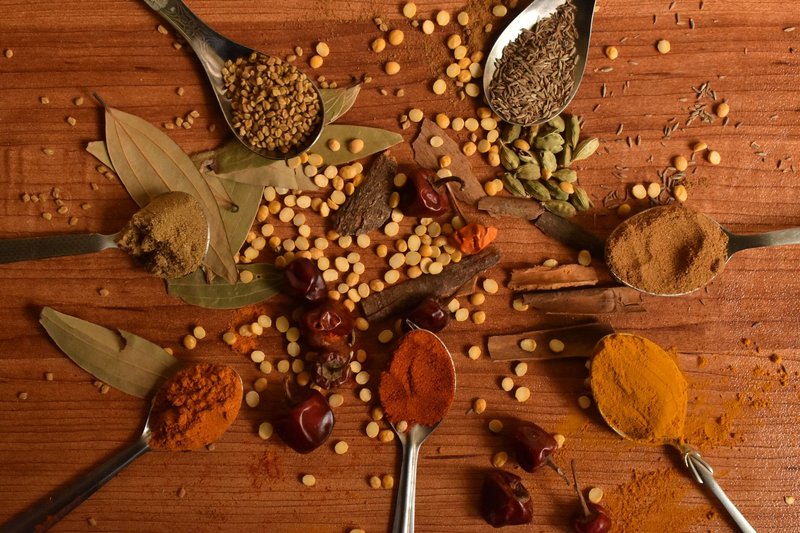
India is the world’s largest producer and consumer of spices, and the trade is why Europeans came looking for it. Vasco da Gama landed at Calicut, on the Kerala coast, in 1498, chasing black pepper. Kerala still grows pepper and cardamom in the Western Ghats, while Kashmir produces saffron and Rajasthan is a major source of chili.
Spice blends are personal. Garam masala in a Punjabi kitchen is not the garam masala in a Bengali one, and most households grind their own. If you want to bring some home, buy whole spices from a market in Kochi or Old Delhi’s Khari Baoli rather than pre-ground packets, which lose their punch within months.
5. Regional cuisine (and a lot of vegetarian food)
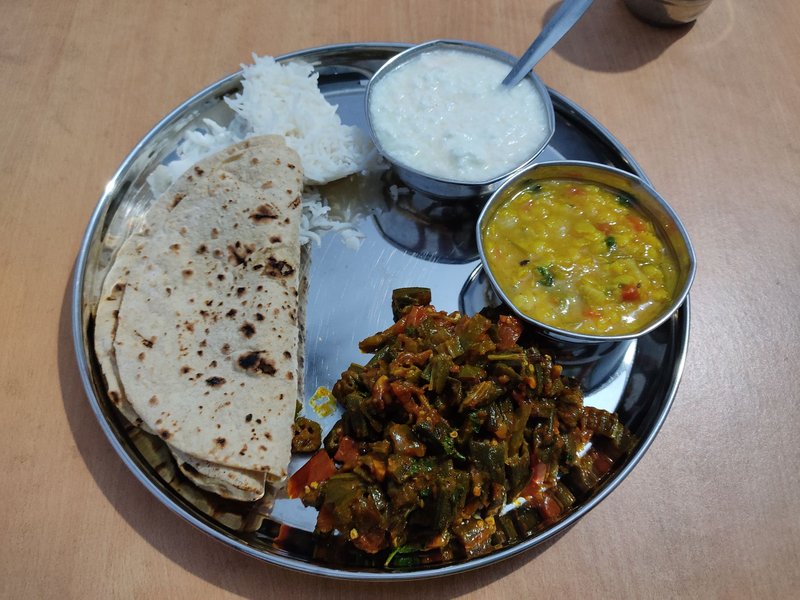
There is no single “Indian food.” The north leans on wheat, dairy, and the tandoor: naan, butter chicken, rajma. The south runs on rice and fermented batters: dosa, idli, sambar, and coconut-heavy curries. The east is known for river fish, mustard oil, and sweets like rasgulla and mishti doi. The west splits between Gujarat’s mostly vegetarian thali, Mumbai’s vada pav, and Goa’s Portuguese-influenced vindaloo.
India also has more vegetarians than any other country. A 2021 Pew Research Center survey found roughly four in ten Indians describe themselves as vegetarian, and a much larger share avoid meat on some days or in some settings. For a visitor, that means vegetarian food is not a fallback option. It is often the best thing on the menu.
6. Chai
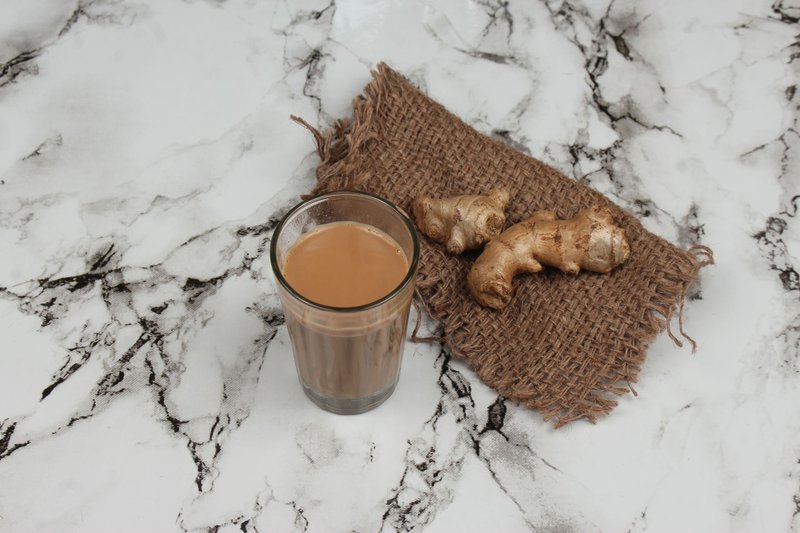
India is the world’s second-largest tea producer after China, with Assam and Darjeeling the best-known regions. But the tea most Indians drink is not the estate stuff. It is chai: leaves boiled directly with milk, sugar, and often ginger or cardamom, served in a small glass or a disposable clay cup called a kulhad.
Street chai costs a few rupees and is served by the thousand outside railway stations. In Mumbai, ask for “cutting chai” and you get a half glass, which is exactly the right amount at 7 a.m.
Spirituality and festivals
7. Yoga and Ayurveda

Yoga began in India, and the texts behind it, including the Yoga Sutras attributed to Patanjali, are ancient. UNESCO added yoga to its Intangible Cultural Heritage list in 2016, and the United Nations has marked 21 June as the International Day of Yoga since 2015.
Rishikesh, in Uttarakhand, is the best-known center for study, partly thanks to the Beatles’ 1968 visit to Maharishi Mahesh Yogi’s ashram there. Ayurveda, India’s traditional medical system, sits alongside it. Expect plenty of clinics and retreats, and a wide gap in quality between them. Look for programs with named teachers and a lineage you can verify, not just a pretty website.
8. Festivals
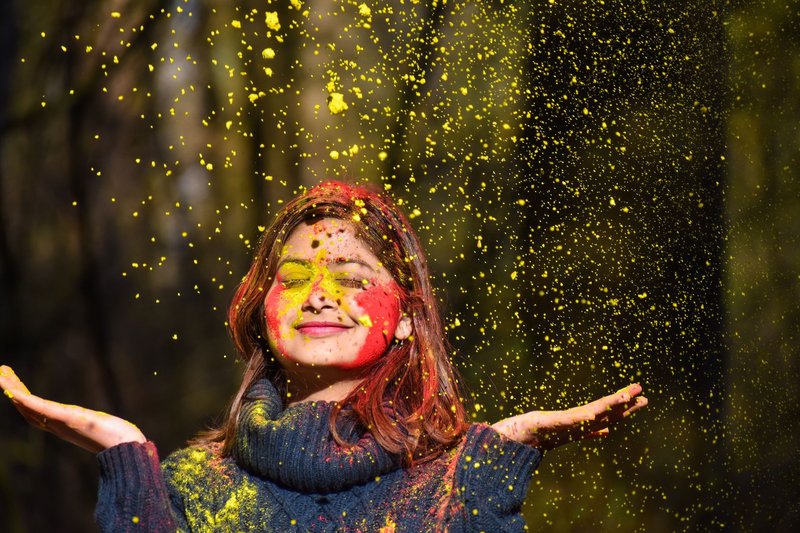
Holi, held around the March full moon, is the one with colored powder thrown in the streets. Diwali, the festival of lights, falls in October or November and turns entire cities into strings of oil lamps and fireworks. Durga Puja in Kolkata, Ganesh Chaturthi in Mumbai, and Onam in Kerala each dominate their home regions in the same way.
The largest gathering is the Kumbh Mela, which UNESCO recognized as intangible heritage in 2017. It rotates among Prayagraj, Haridwar, Ujjain, and Nashik, and the 2025 Maha Kumbh at Prayagraj drew hundreds of millions of visits by official count. For first-timers, Holi is easier to attend than Diwali, but book hotels months ahead for either.
9. Varanasi and the Ganges
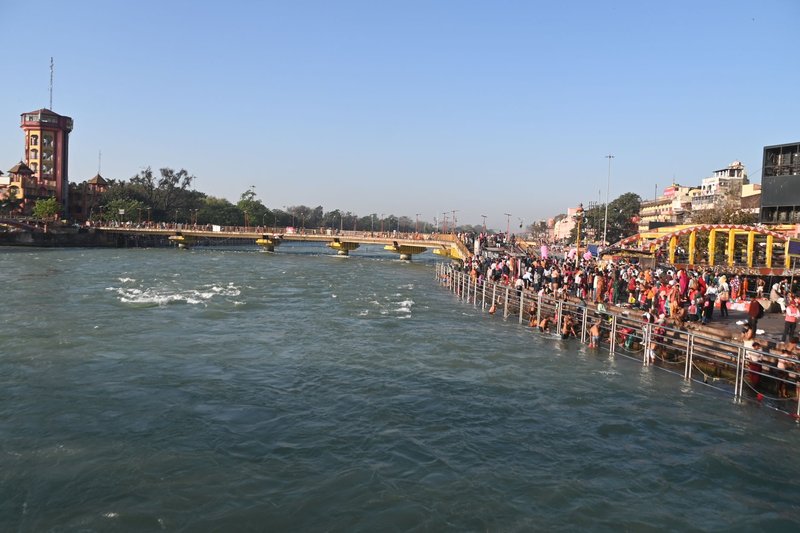
Varanasi sits on the Ganges in Uttar Pradesh and is among the oldest continuously inhabited cities in the world. Mark Twain wrote that it is “older than history, older than tradition, older even than legend.” Hindus come to bathe at the ghats, the stone steps down to the river, and to cremate their dead at Manikarnika Ghat.
Every evening at Dashashwamedh Ghat, priests perform the Ganga aarti, a choreographed fire ceremony with bells and brass lamps. Watch it from a boat on the river for the clearest view. Go at sunrise too, when the ghats are quieter and the bathing and prayer are in full swing.
Arts, film, and sport
10. Bollywood
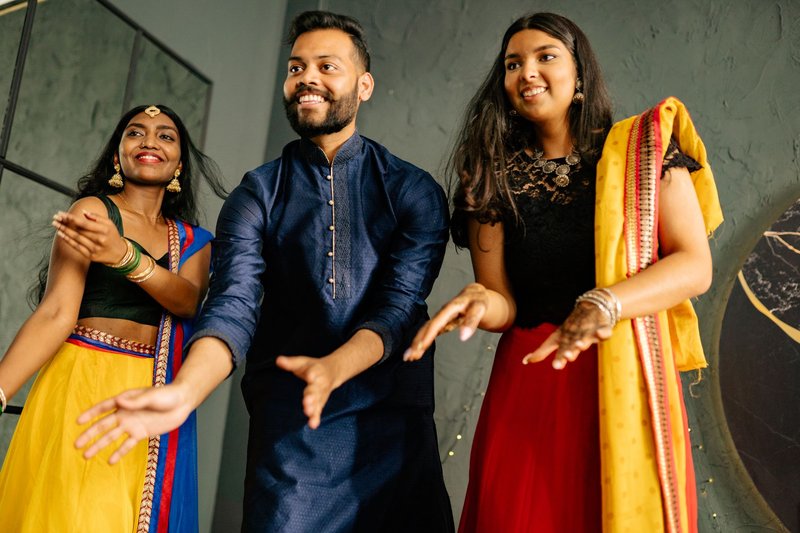
“Bollywood” is the Hindi-language film industry based in Mumbai, a mash-up of Bombay and Hollywood. It is known for long running times, song-and-dance numbers, and an intermission in the middle of the film. India makes well over a thousand feature films a year in dozens of languages, and Hindi is only one slice.
Regional cinema gets the global attention more often now. The Telugu-language film RRR won the Oscar for Best Original Song in 2023 with “Naatu Naatu.” The Bengali director Satyajit Ray, whose Apu Trilogy still tops many best-of lists, received an honorary Oscar in 1992. To watch a Bollywood film the way it’s meant to be seen, go to a cinema in Mumbai, not a laptop.
11. Cricket
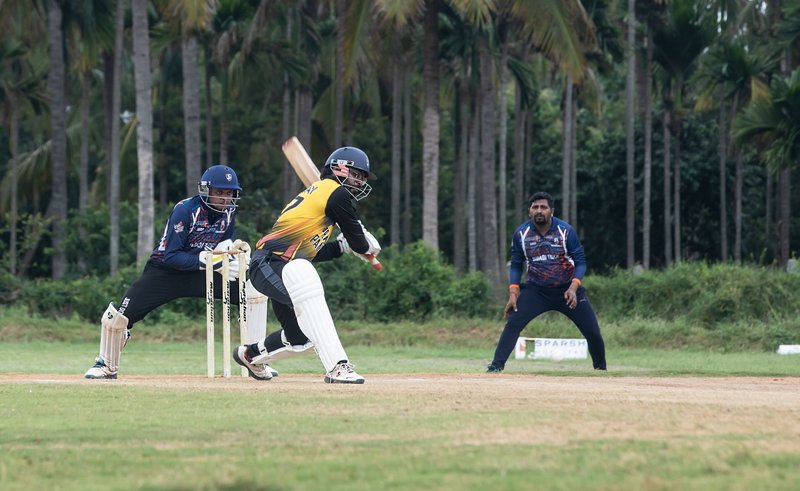
Cricket is closer to a shared religion than a sport. India won the World Cup in 1983 at Lord’s, again in 2011 at home in Mumbai, and the T20 World Cup in 2007 and 2024. The Indian Premier League, launched in 2008, is among the most lucrative leagues in world sport. The Narendra Modi Stadium in Ahmedabad holds about 132,000 people.
You don’t need tickets to see it. Look for any open ground at dusk and you will find a game with a tennis ball and a bat made from whatever’s available. India has also built a serious chess culture: in December 2024, D Gukesh became the youngest undisputed world champion at 18.
Science, technology, and democracy
12. Its space program
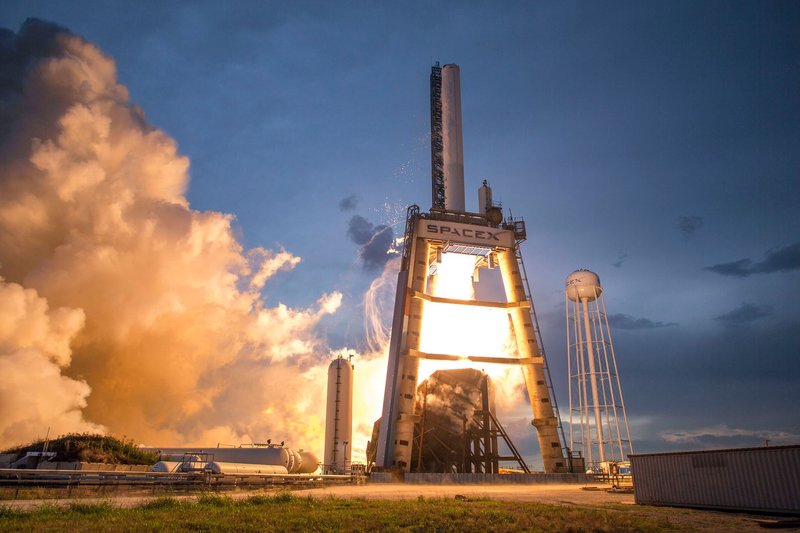
The Indian Space Research Organisation (ISRO) put a spacecraft into Mars orbit in September 2014, making India the first Asian country to do it and the first in the world to succeed on a first attempt. The Mangalyaan mission cost about $74 million, less than the budget of some Hollywood space films.
On 23 August 2023, Chandrayaan-3 landed near the Moon’s south pole. India became the fourth country to soft-land on the Moon, after the Soviet Union, the United States, and China, and the first to touch down that close to the pole. In 2017, a single ISRO rocket also released 104 satellites in one launch.
13. Software, Bengaluru, and UPI

Bengaluru is India’s tech capital, home to the headquarters of Infosys and Wipro and to the Indian offices of nearly every large global tech company. Tata Consultancy Services, Infosys, and Wipro made India the default destination for offshore IT work from the 1990s on. Many multinationals now run their global support and engineering centers from Indian cities.
The newer story is UPI, the Unified Payments Interface, launched by the National Payments Corporation of India in 2016. It lets anyone send money instantly by scanning a QR code, and it handles roughly 20 billion transactions a month as of 2025. You will see the QR codes taped to chai carts and vegetable stalls. Foreign visitors can use it too, with some apps now accepting international cards.
14. The world’s largest democracy
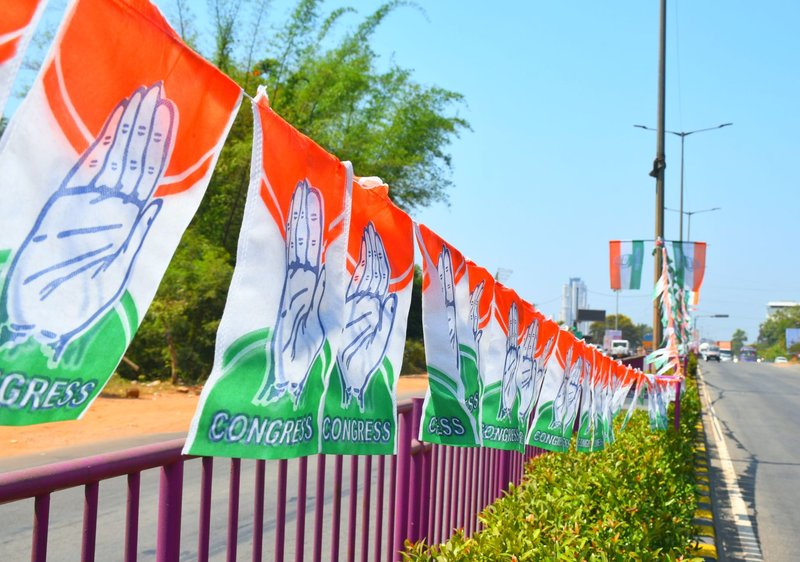
India held its first general election in 1951 and 1952, and it has run elections ever since. In the 2024 general election, the Election Commission reported about 642 million votes cast, a world record. The country has more than a billion people, 22 constitutionally recognized languages, and four major religions that began on its soil: Hinduism, Buddhism, Jainism, and Sikhism. Islam and Christianity have large communities too.
The 2011 census recorded 121 languages with at least 10,000 speakers. A traveler going from Delhi to Chennai crosses from Hindi to Tamil, a different language family and script. English works as a bridge in cities and hotels, and a few words of the local language go a long way.
Nature and wildlife
15. Tigers, lions, and the Himalayas
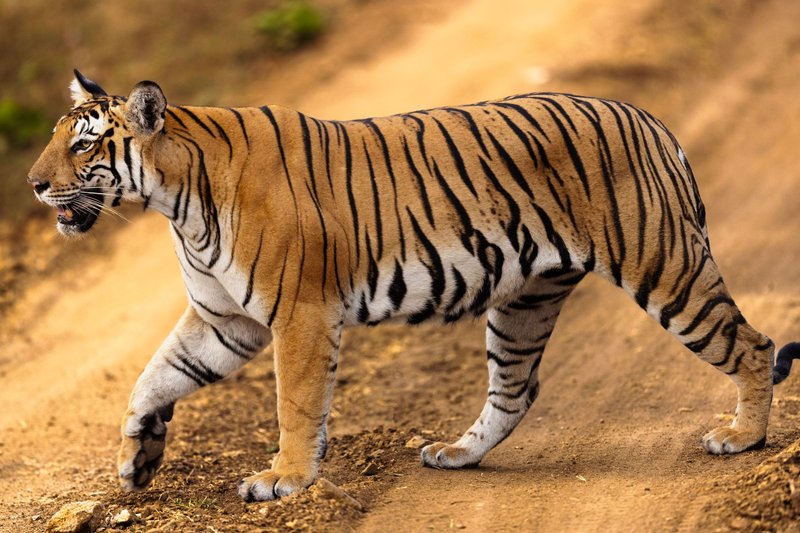
India holds about 70 percent of the world’s wild tigers. The national census published in 2023 counted 3,682, up from 3,167 in 2018, after a conservation push that began with Project Tiger in 1973. Ranthambore in Rajasthan, Bandhavgarh in Madhya Pradesh, and Jim Corbett in Uttarakhand are the best places to try your luck. Many parks close fully or partly for the monsoon, from roughly July to September, so check dates before booking.
Gir Forest in Gujarat is the only place on Earth with wild Asiatic lions. North of all of it, the Himalayas run along the border, with Kanchenjunga, the world’s third-highest peak, straddling Sikkim and Nepal.
Stereotypes versus reality
“Indian food is curry.” “Curry” is a catch-all word that has little use in India itself, where dishes are named individually: rogan josh, sambar, kadhi, vindaloo. Each region has its own.
“Everyone is vegetarian.” Many are, and many aren’t. Vegetarian is common in Gujarat and Rajasthan; fish is central in Bengal and Kerala; beef is eaten in some states and restricted in others.
“India is one culture.” India has a lot of them, with a different language, cuisine, and festival calendar every few hundred kilometers. The north, south, east, and west differ more than most visitors expect.
“India is only ancient.” The same country that carves temples out of cliffs also lands spacecraft near the Moon and pays for chai with a phone. Both are part of what India is known for, and the second list keeps growing.