
Nobody publishes an official crime ranking for Gambian cities. No national statistics office breaks incidents down by town, and the “danger scores” on travel-safety sites are unsourced estimates. What exists is government advice, expat experience and a consistent pattern of petty crime in a handful of places.
This guide ranks the most dangerous cities and areas in The Gambia on that basis, and says where the evidence is thin. The short version: violent crime is rare, theft and scams are the real issue, and the road is more likely to hurt you than any street corner.
Table of contents
- TLDR
- What the official advice says
- The areas ranked, from most to least caution
- Side-by-side comparison
- Safer vs. caution: a quick view
- Time of day and traveler type
- Why roads and the ferry are a bigger danger than crime
- Practical precautions
TLDR
- No Gambian city is a violent-crime hotspot. Serious assaults on tourists are uncommon.
- Serrekunda (especially Bundung, Tallinding and London Corner) and central Banjul after dark need the most caution.
- The Kololi “Senegambia strip” is mostly a hassle zone: touts, bag snatching, overcharging.
- Brikama is low-key, and the Casamance border area is a question of current advisories, not city crime.
- Traffic accidents and breakdowns on the roads and the Banjul ferry are the bigger statistical threat.
What the official advice says
The UK’s FCDO travel advice for The Gambia describes violent crime as rare but warns about petty theft, bag snatching, scams and harassment, particularly on beaches and in tourist areas. It also flags poor road conditions and police checkpoints, especially around Banjul. The US government’s security report on the country, published by the Overseas Security Advisory Council, repeats the same themes: opportunistic crime, scams aimed at foreigners, and road safety.
Neither document ranks towns. Everything below the advisory level, meaning the neighborhood names and risk levels, comes from traveler reports and local knowledge. Treat the rankings as informed judgment, not measured data.
The areas ranked, from most to least caution
1. Serrekunda
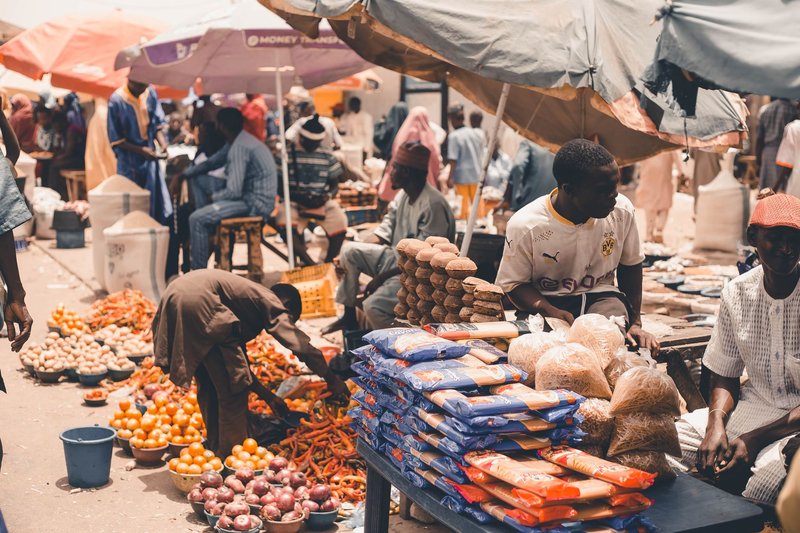
Serrekunda is the largest urban area in the country, a dense sprawl of markets, minibus stops and compounds just inland from the tourist coast. It’s where most petty crime in the country concentrates, simply because it’s where most people are.
Risk level: moderate.
The neighborhoods that come up most:
- Bundung and Tallinding: residential, mostly fine in daylight, poorly lit at night. Walking alone after dark is the main risk.
- London Corner: a busy junction and nightlife area. Expect pickpockets in the crowds and opportunistic theft from people leaving bars.
- Serrekunda Market: pickpocketing and bag slitting in the crush. Leave the phone in a front pocket or a zipped bag.
Risks: pickpocketing, phone snatching, overcharging, and theft from unattended vehicles. Precaution: do your Serrekunda errands in daylight, use a licensed taxi at night instead of walking, and carry only the cash you need.
2. Banjul
The capital sits on St Mary’s Island at the mouth of the Gambia River, and it feels quieter than its role suggests. By day it’s workable: government buildings, Albert Market, the waterfront. After dark the center empties out.
Risk level: moderate by day, higher at night.
- Albert Market: crowded, with pickpockets and persistent vendors. Fine with a bit of attention.
- Half Die: a neighborhood that gets named on avoid lists. Little reason for a visitor to be there at all.
- The ferry terminal: crowds, touts offering to “help” with tickets for a fee, and pickpockets during boarding. More on the ferry below.
Risks: theft in markets, scams at the terminal, and isolated streets after sunset. Precaution: visit in daylight, take a taxi rather than walking between districts, and ignore anyone who insists on guiding you to the ticket window.
3. The Kololi / Senegambia strip
This is the tourist hub on the Kombos coast: bars, restaurants, souvenir stalls and hotels along a few hundred meters of road. Violent crime is not the issue. Persistence is.
Risk level: low to moderate.
The strip is where you meet the “bumsters,” the informal touts and beach hustlers who offer tours, friendship, souvenirs or a guide to the market. Many are harmless and polite when you decline. Some run scams: a “friend” who later asks you to fund a school fee, a medical bill or a shopping trip. The advice that holds up is simple. A firm “no thank you” works, and handing over money to someone you met five minutes ago doesn’t.
Risks: bag snatching, overcharging, scam approaches, and drink-related problems late at night. Precaution: negotiate taxi fares before you get in, keep valuables at the hotel, and avoid walking the beach alone after dark.
4. Brikama
Brikama is the second-largest town, home to the famous woodcarving market and a long way from the tourist enclaves. Few visitors report problems here.
Risk level: low to moderate.
Risks: market pickpocketing and, as everywhere, scams aimed at obvious newcomers. Precaution: go by day, with a driver or a guide you’ve arranged through your hotel, and bargain politely at the carving stalls.
5. The Casamance border
This one isn’t a city, but it belongs on the list because travelers often cross it. The Gambia is almost entirely surrounded by Senegal, and the southern region of Casamance has a long history of separatist conflict and landmines in some rural areas. Check the current FCDO guidance and the equivalent Senegal advice before heading anywhere near the southern border.
Risk level: depends on location and current advisories.
Risks: banditry on remote roads, unmarked landmines in rural parts of Casamance, and checkpoints. Precaution: stay on main roads and cross at official posts. Don’t travel the border region at night.
Side-by-side comparison
| Area | Main risks | Risk level | Best precaution |
|---|---|---|---|
| Serrekunda (Bundung, Tallinding, London Corner) | Pickpocketing, phone snatching, night walking | Moderate | Daylight errands, taxis after dark |
| Banjul (Albert Market, Half Die, ferry terminal) | Market theft, terminal scams, empty streets at night | Moderate by day, higher at night | Visit by day, avoid Half Die |
| Kololi / Senegambia strip | Touts, bumster scams, bag snatching | Low to moderate | Decline firmly, fix taxi fares up front |
| Brikama | Market pickpocketing, newcomer scams | Low to moderate | Go by day, use a guide |
| Casamance border | Roadside banditry, landmines in rural areas | Varies with advisories | Main roads, official crossings, no night travel |
Safer vs. caution: a quick view
Generally safer
- Hotel and resort compounds along the coast
- Kololi and Kotu beaches in daylight, with a group
- Brikama and rural village stays arranged through a hotel or reputable guide
- Organized river and bird-watching trips
Take extra caution
- Any unlit street at night, in any town
- Crowded markets and bus stops
- Ferry terminals at boarding time
- Border roads and rural checkpoints after dark
Time of day and traveler type
Time of day changes the picture more than the city does. The same stretch of Senegambia strip that feels relaxed at lunch gets more aggressive after the bars fill. Banjul’s center is lively at noon and nearly deserted at 7 p.m. Is Banjul safe at night? Not for walking. Is Serrekunda safe? Yes in daylight and with a taxi home.
Solo women report more verbal harassment and persistent attention than theft. Dress conservatively away from the resort strip, avoid walking alone at night, and expect that a firm refusal is sometimes repeated before it lands.
Families have an easy time in resort areas. Most of the risk is traffic and sun, not crime.
Expats tend to know which neighborhoods to skip and which taxi drivers to trust. A good local contact is worth more than any guide or app.
Why roads and the ferry are a bigger danger than crime
If you want to know what is statistically more likely to hurt you in The Gambia, the answer is the road. The FCDO notes poor road conditions, and the combination of potholes, overloaded vehicles, livestock, unlit roads and mixed traffic means accidents are a real risk, especially at night. Many routes outside the Kombos have narrow paved sections that shift to potholes or sand without warning.
The Banjul to Barra ferry across the Gambia River is the main link between the capital and the north bank. It’s crowded, prone to delays and breakdowns, and boarding is chaotic. Plan for long waits, keep valuables close, and don’t count on it running on schedule if you have a flight to catch. The newer Senegambia Bridge at Farafenni is an alternative on the main north-south route, though it means a long detour.
Practical rules: avoid driving after dark, choose licensed taxis or a driver arranged by your hotel, wear a seat belt when one exists, and build slack into any trip that includes the ferry.
Practical precautions
- Carry a photocopy of your passport and leave the original in the hotel safe.
- Keep phones, cameras and cash out of sight on the beach and in markets.
- Agree on taxi fares before getting in. There are no meters.
- Stop for police checkpoints and be polite. Carry ID and keep your documents accessible.
- Don’t hand money to new acquaintances for school fees, medical bills or “business.”
- Register your trip with your embassy if it offers a service for travelers.
- Check the UK FCDO page before departure, because advisories change.
For the question behind the most dangerous cities in The Gambia, the answer is that no city is genuinely dangerous in the way major crime hubs elsewhere are. Serrekunda and central Banjul after dark deserve the most caution, the tourist strip needs patience, and the road needs the most respect of all.


