TLDR
What is Germany known for? Engineering and cars, beer and bread, Christmas markets, classical music and philosophy, fairy-tale castles, and a 20th-century history that the country has spent decades confronting in public. Most of the clichés hold up in some form. A few, like punctuality and efficiency, need an asterisk, and we get to those near the end.
Contents
- Food and drink
- Cars, engineering and inventions
- Music, ideas and traditions
- Castles, cities and landmarks
- History
- Everyday quirks
- Stereotypes versus reality
- Quick reference table
What Germany Is Known For in Food and Drink
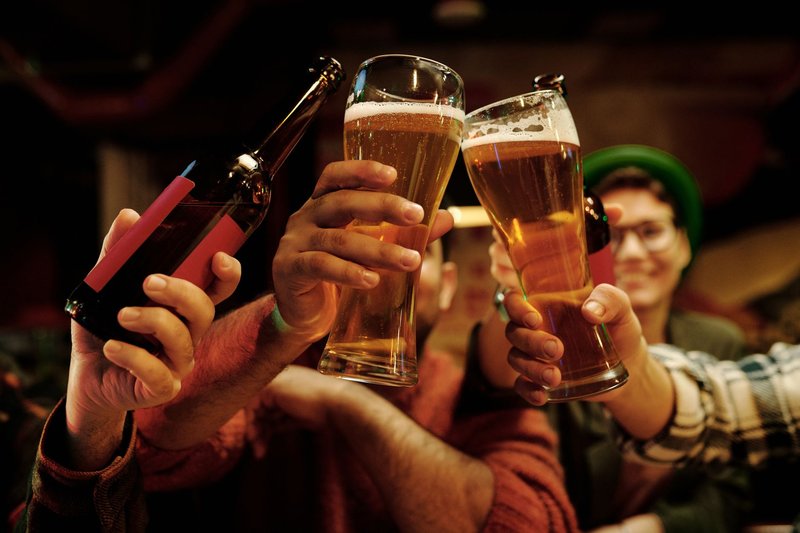
Beer, with a law attached. Bavaria’s Reinheitsgebot dates to 23 April 1516 and limited beer ingredients to water, barley and hops. Yeast wasn’t on the list because nobody understood it yet. The country still has well over 1,500 breweries, and each region defends its own style: Kölsch in Cologne, served in tiny 0.2-litre glasses; Altbier in Düsseldorf; wheat beer in Bavaria.
Oktoberfest. It started in October 1810 as a wedding party for Crown Prince Ludwig of Bavaria and Princess Therese, and it has outgrown the wedding by a few million people. Roughly six million visitors now pass through the Theresienwiese grounds in Munich each year. Despite the name, it begins in September, so the weather is better than the name suggests. Beer comes by the Maß, a one-litre mug, and it’s not cheap.
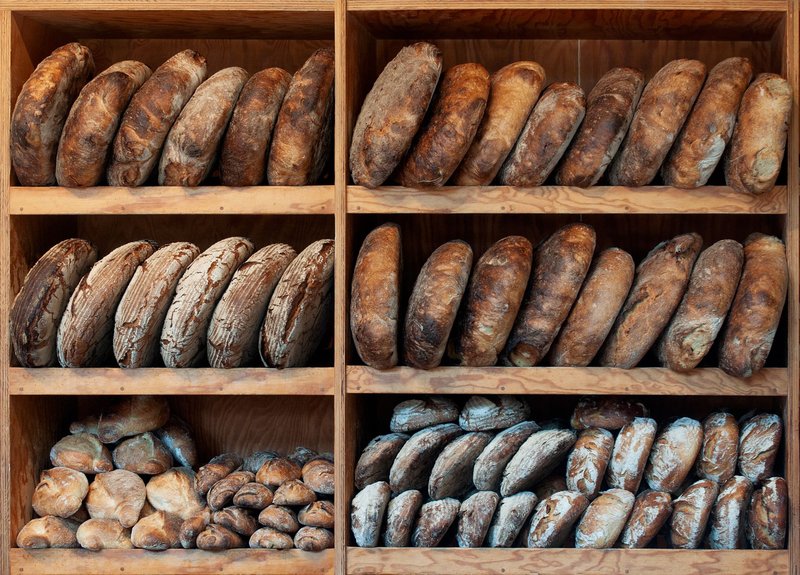
Bread. The German Bread Institute has registered more than 3,000 varieties, from dark, dense rye loaves to pretzels (Brezn in Bavaria). Dinner in a lot of homes is Abendbrot, literally “evening bread”: slices of bread with cold cuts, cheese and pickles. Expect a German bakery to look at your supermarket sandwich loaf with pity.
Sausage. Bratwurst, Weißwurst, Leberkäse, Currywurst. Weißwurst is the one with rules: the old Bavarian line says it shouldn’t hear the noon church bells. Currywurst is a Berlin invention from 1949, credited to Herta Heuwer, who mixed ketchup and curry powder from British soldiers’ supplies. These days, many Berliners will tell you the döner kebab, brought by Turkish immigrants, is the city’s real fast food.
Wine. It surprises people. Germany is the world’s biggest producer of Riesling, with roughly 40 percent of the global plantings, mostly along the Mosel, Rhine and Nahe rivers. The wines are far from the sugary stereotype; plenty are bone dry.
Christmas markets. Dresden’s Striezelmarkt has been documented since 1434, which makes it one of the oldest in the country. Nuremberg’s Christkindlesmarkt is the best known abroad. You’ll find Glühwein (hot spiced wine), Lebkuchen (gingerbread) and Stollen (a dense fruit loaf dusted in sugar) at nearly all of them. There are well over a thousand markets across the country, running from late November to Christmas Eve.
Cars, Engineering and Inventions
Cars. Karl Benz built the Patent-Motorwagen in Mannheim in 1886, and his wife Bertha drove one on the first long-distance trip in 1888, roughly 100 kilometers to Pforzheim, stopping at a pharmacy to buy solvent for fuel. Mercedes-Benz, BMW, Audi, Porsche and Volkswagen are all still German, and the car industry employs hundreds of thousands of people.
The Autobahn. The first stretch, Cologne to Bonn, opened in 1932. Today the network covers about 13,000 kilometers, and a large share of it has no permanent speed limit, though a recommended speed of 130 km/h applies. Construction zones, urban sections and dense-traffic stretches have limits, and traffic jams are very much a thing. The fast lane is for passing only; sit in it and you’ll learn the German word for headlight flashing.
The Mittelstand. Behind the car brands sits a less famous layer: thousands of mid-sized, often family-owned companies that dominate narrow industrial niches, such as machine tools, packaging equipment and sensors. The economist Hermann Simon called them “hidden champions.” Few consumers know their names. Exporters worldwide do.
Inventions. A short list of things that started in Germany:
- Movable-type printing, by Johannes Gutenberg in Mainz, around 1450.
- X-rays, discovered by Wilhelm Röntgen in Würzburg in 1895.
- Aspirin, developed at Bayer, with chemist Felix Hoffmann making the acetylsalicylic acid in 1897.
- The diesel engine, patented by Rudolf Diesel in the 1890s.
- The paper coffee filter, by Melitta Bentz in Dresden in 1908.
- Gummy bears, by Hans Riegel of Haribo in Bonn in 1922.
- The MP3 format, developed largely at the Fraunhofer Institute in Erlangen.
Renewable energy. The Energiewende (energy transition) is a national project that shut the last nuclear plants in April 2023. According to Fraunhofer ISE’s Energy-Charts, renewables now supply more than half of Germany’s public net electricity. Coal hasn’t gone away, and electricity prices are among the highest in Europe, but the shift is real and large.
Music, Ideas and Traditions
Composers. Bach was born in Eisenach in 1685. Beethoven was born in Bonn in 1770. Brahms came from Hamburg, Handel from Halle, and Wagner has his own festival in Bayreuth, held every summer since 1876. Germany still funds more publicly supported orchestras and opera houses than almost any other country, which is why even mid-sized cities have a serious concert hall.
Philosophy. Kant, Hegel, Schopenhauer, Nietzsche and Marx all wrote in German. Marx was born in Trier in 1818, and his birthplace is now a museum you can visit. The reputation for dense, serious thinking isn’t invented, and it explains why German has a word like Weltschmerz for feelings other languages leave vague.
Fairy tales and books. The Brothers Grimm published their first volume of tales in 1812, and Hansel and Gretel, Rapunzel and Snow White all trace to it. Goethe’s Faust is the country’s literary cornerstone. The word “kindergarten” is German too: Friedrich Fröbel opened the first one in 1840 in Bad Blankenburg.
Design. The Bauhaus school was founded in Weimar in 1919 by Walter Gropius. Its rule of function first, decoration second still shapes furniture, graphic design and architecture worldwide.
Football. The men’s national team has four World Cup titles (1954, 1974, 1990, 2014). The Bundesliga has some of the highest average stadium attendance anywhere. Fans own most clubs through the “50+1” rule, which keeps outside investors from taking majority control. In Dortmund, the south stand, known as the Yellow Wall, holds roughly 25,000 standing supporters.
Carnival. In Cologne, Düsseldorf and Mainz, Karneval officially starts at 11:11 a.m. on 11 November and peaks in the days before Lent, with parades, costumes and a great deal of beer. It’s a Catholic-region tradition, and the north largely ignores it.
Castles, Cities and Landmarks
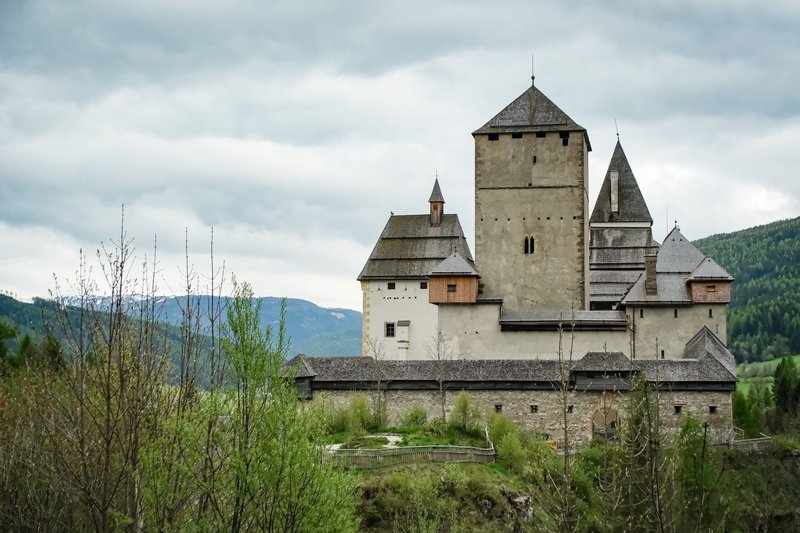
Neuschwanstein. King Ludwig II of Bavaria began building it in 1869 and never finished it. He died in 1886, and it opened to visitors within weeks. It’s often said to have inspired the Disney castle, and it draws more than a million visitors every year, so book tickets ahead.
The Rhine castles. The Upper Middle Rhine Valley, between Bingen and Koblenz, is a UNESCO World Heritage landscape with dozens of castles on the slopes above the river. A boat trip on this stretch is the easiest way to see them.
Cologne Cathedral. Construction began in 1248 and wasn’t finished until 1880. Its twin spires reach 157 meters, and it’s a UNESCO World Heritage Site that survived World War II bombing, with the city around it flattened.
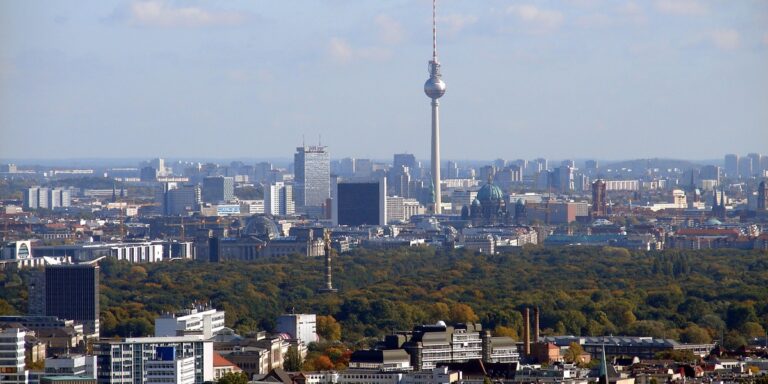
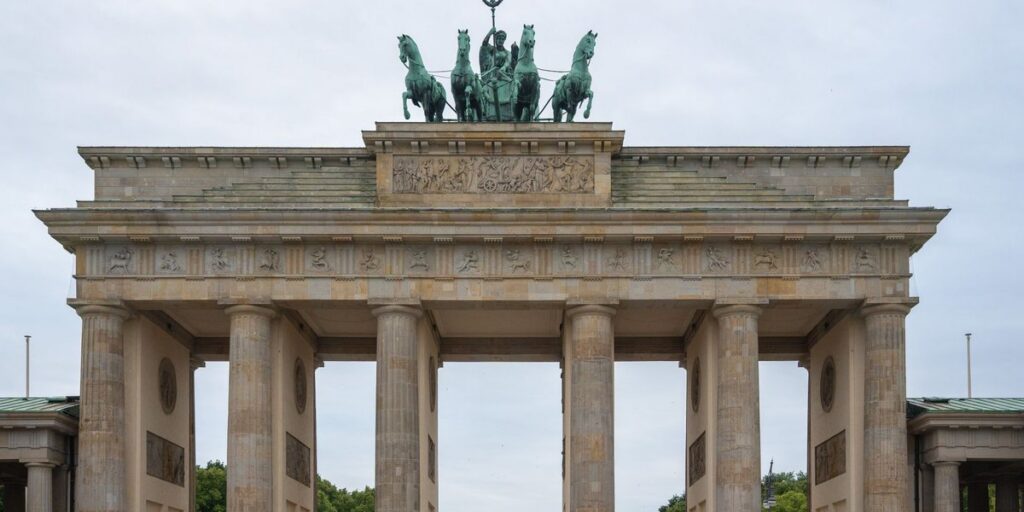
Berlin. The Brandenburg Gate, built in 1791, has become the symbol of reunification. The East Side Gallery keeps about 1.3 kilometers of the Berlin Wall as an open-air mural. Beyond the monuments, the city is known for techno clubs and cheap rents that aren’t so cheap anymore.
Hamburg and the north. One of Europe’s busiest ports and a city built on canals; it has more bridges than Venice. The Elbphilharmonie concert hall, opened in 2017 on top of an old warehouse, is the modern landmark.
The Black Forest. Cuckoo clocks and Black Forest cake (Schwarzwälder Kirschtorte) come from this region of dark pine hills in the southwest.
All told, Germany has more than 50 sites on UNESCO’s World Heritage list, ranging from medieval old towns to coal mines and factories.
History
The Reformation. Martin Luther posted his 95 theses in Wittenberg in 1517, one year after the Reinheitsgebot. His German translation of the Bible helped standardize the written language.
The Berlin Wall. East German authorities built it in August 1961. It fell on 9 November 1989, and Germany formally reunified on 3 October 1990, a date now celebrated as a national holiday. Visitors can still follow its route through the city by a double line of cobblestones.
World War II and the Holocaust. This is part of what Germany is known for, and it isn’t a footnote. Nazi Germany murdered six million Jews and millions of others between 1933 and 1945. The country’s approach since has been unusually public: concentration camp sites like Dachau and Sachsenhausen are open memorials, the Memorial to the Murdered Jews of Europe in central Berlin (opened 2005) covers a city block with 2,711 concrete slabs, and the Stolpersteine, small brass plaques set into pavements outside victims’ last homes, number in the tens of thousands across Europe. The United States Holocaust Memorial Museum is a good place to start if you want the background before you visit.
Everyday Quirks
Sundays are quiet. Shops are legally closed on Sundays in nearly all of the country. Supermarkets, department stores and most boutiques shut, and the exceptions are mostly train station shops and petrol stations. Plan Saturday shopping on Saturday.
Pfand. Single-use plastic bottles and cans carry a 25-cent deposit, and returnable glass is cheaper, at 8 to 15 cents. You return them at machines in supermarkets. People who collect bottles leave a lot of the city cleaner than it would otherwise be.
Recycling. Residents sort waste into several bins: paper, organic, packaging, glass by color, and residual. Landlords sometimes leave notes. Some are polite.
Paperwork. New residents must register their address (Anmeldung) at the local office within two weeks of moving in. Fax machines survive in some offices. Appointments book out weeks ahead.
Red lights. Pedestrians commonly wait at a red signal even when the street is empty, in part because children might be watching. East Germany’s Ampelmännchen walk signals were so loved that they survived reunification and now show up on souvenirs.
Cash. Card payment is far more common than a few years ago, but plenty of bakeries, small restaurants and market stalls still prefer coins and notes. Carry some.
Stereotypes Versus Reality
“Germans are always punctual.” People are. If a meeting starts at 10:00, being on time means 9:55. Trains are another story. In recent years only around 60 to 65 percent of Deutsche Bahn’s long-distance trains arrived within six minutes of schedule, which German travelers find as irritating as foreign ones do.
“Everything is efficient.” Engineering, yes. Administration, not always. Fax machines, paper forms and slow digitization of public services are a constant complaint inside the country.
“Everyone wears lederhosen and drinks beer.” Lederhosen and dirndls are Bavarian, worn mostly at festivals, and a dirndl in Hamburg would turn heads. Beer consumption per person has fallen for decades, and the country has a growing vegetarian and vegan scene, with Berlin leading it.
“Germans have no sense of humor.” The country has a thriving comedy and cabaret scene, a culture of political satire, and a very dry sense of humor you’ll miss if you expect punchlines.
“Germany is one place.” It isn’t. Bavaria is Catholic, rural-feeling and traditional, with its own dialect, food and flag. Berlin is a former divided city that runs on small rents, big clubs and sarcasm. The north is reserved, maritime and tends to say Moin at any hour. The Rhineland is the loose, carnival-loving west. The east, once the GDR, still differs from the west in wages, politics and local memory.
Quick Reference Table
| Category | What it’s known for | A detail worth remembering |
|---|---|---|
| Beer | Reinheitsgebot, Oktoberfest | Law dates from 1516; over 1,500 breweries |
| Bread | Rye, pretzels, Abendbrot | More than 3,000 registered varieties |
| Sausage | Bratwurst, Weißwurst, Currywurst | Currywurst invented in Berlin in 1949 |
| Cars | Mercedes-Benz, BMW, Audi, Porsche, VW | First automobile: Benz, 1886 |
| Roads | The Autobahn | About 13,000 km; first stretch opened in 1932 |
| Inventions | Printing press, aspirin, MP3, X-rays | Gutenberg, c. 1450; Hoffmann, 1897 |
| Music | Bach, Beethoven, Brahms, Wagner | Bayreuth Festival since 1876 |
| Ideas | Kant, Hegel, Nietzsche, Marx | Marx was born in Trier in 1818 |
| Landmarks | Neuschwanstein, Cologne Cathedral | Cathedral took 632 years to complete |
| History | Reformation, Berlin Wall, reunification | Wall fell 9 Nov 1989; reunification 3 Oct 1990 |
| Football | Four men’s World Cups | Bundesliga ranks among the best-attended leagues |
| Quirks | Closed Sundays, Pfand, recycling | Deposit is 25 cents on single-use bottles |