TLDR
- Largest natural lake in England: Windermere, Cumbria, about 14.7 km² and 10.5 miles long.
- Deepest lake in England: Wast Water, Cumbria, about 79 m.
- Largest reservoir by surface area: Rutland Water. By volume of water: Kielder Water.
- Only official “lake” in the Lake District: Bassenthwaite Lake. The others are waters, meres or tarns.
- Lakes outside Cumbria worth the trip: Malham Tarn, Kielder Water, Rutland Water, Hickling Broad, Slapton Ley and Chew Valley Lake.
Table of contents
- Quick facts: the biggest lakes in England
- Lake, mere, water or tarn?
- Natural lakes vs reservoirs
- Lakes in the Lake District
- Lakes in Yorkshire and the North East
- Lakes in the Peak District, Midlands and East
- Lakes in the South and South West
- Wild swimming in English lakes
- Easy-access lakes
- Why the number of lakes in England depends on who counts
- FAQ
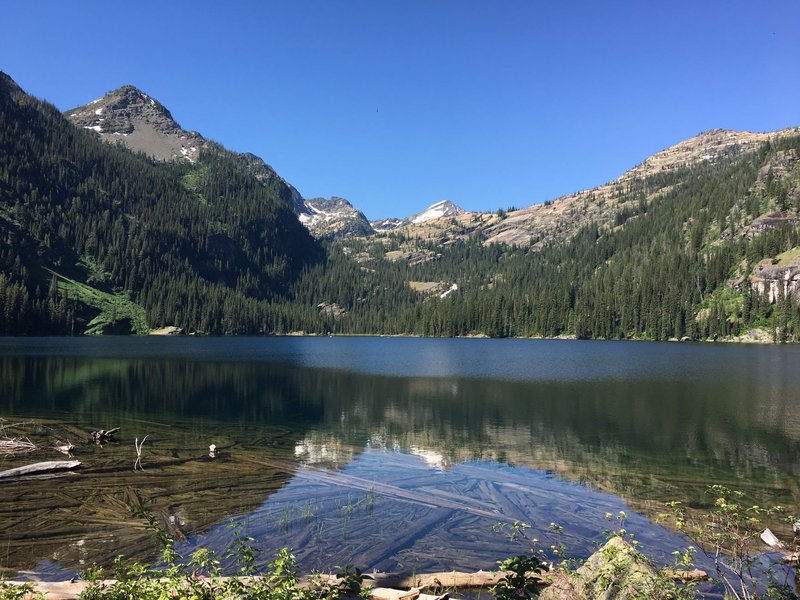
Windermere is the largest natural lake in England and Wast Water is the deepest. That settles the quiz question. The more useful question is which lakes in England are worth a day of your time, and the answer isn’t “all of Cumbria”. Most lists stop at the Lake District. England also has good water in Yorkshire, Northumberland, Derbyshire, Norfolk and Devon, and some of it is far quieter than Bowness on an August Saturday.
This guide covers 20 lakes, grouped by region, with what to do at each, how to get there and when to go. The ranking table comes first, then the vocabulary (why nobody here says “Lake Windermere”), then the lakes.
Quick facts: the biggest lakes in England
Figures are rounded. Area and depth vary slightly between sources, and reservoir levels move with the weather.
| Lake | County | Type | Area | Max depth | Best for |
|---|---|---|---|---|---|
| Windermere | Cumbria | Natural | 14.7 km² | 63 m | Boat trips, Bowness and Ambleside |
| Rutland Water | Rutland | Reservoir | 12.6 km² | 34 m | Cycling, ospreys, sailing |
| Kielder Water | Northumberland | Reservoir | 10.9 km² | 52 m | Stargazing, shoreline trail |
| Ullswater | Cumbria | Natural | 8.9 km² | 63 m | Steamers, shoreline walking |
| Derwentwater | Cumbria | Natural | 5.5 km² | 22 m | Keswick, islands, easy walks |
| Bassenthwaite Lake | Cumbria | Natural | 5.3 km² | 19 m | Quiet shores, ospreys |
| Coniston Water | Cumbria | Natural | 4.9 km² | 56 m | Steam yacht, Brantwood |
| Haweswater | Cumbria | Natural lake, raised by a dam | 3.9 km² | 57 m | Remote walking, red squirrels |
| Wast Water | Cumbria | Natural | 2.9 km² | 79 m | Scenery, Scafell Pike |
| Buttermere | Cumbria | Natural | 0.9 km² | 28 m | Flat circuit walk, swimming |
Windermere is big by English standards and modest by any other. It’s 10.5 miles end to end and about a mile across at its widest.
Lake, mere, water or tarn?
The Lake District has one official lake: Bassenthwaite Lake. Every other major body of water there carries a different word, and the words come from the languages of the people who named them.
- Mere is Old English for lake. That makes “Lake Windermere” technically “Lake Lake”, which locals will point out. Say Windermere.
- Water is the standard Cumbrian suffix: Ullswater, Derwentwater, Coniston Water, Wast Water.
- Tarn comes from Old Norse and means a small mountain pool, usually in a hollow carved by ice. Tarn Hows is the best known.
- Ley and pool turn up in the south west (Slapton Ley, Dozmary Pool). Broad is a Norfolk word, covered below.
Natural lakes vs reservoirs
A natural lake formed without a dam. Most Lake District lakes are glacial: ice gouged out the valleys and meltwater filled them at the end of the last ice age. Reservoirs were built to store water, and many look natural from the shore.
Two well-known Lake District lakes sit in between. Thirlmere was a pair of small lakes until Manchester Corporation dammed the valley in the 1890s. Haweswater was a natural lake that a dam raised in the 1930s, flooding the village of Mardale Green. In dry summers the old field walls reappear.
Elsewhere the difference is clear. Rutland Water, Kielder Water, Carsington Water, Ladybower and Chew Valley Lake are all reservoirs. Rutland Water has the largest surface area of any reservoir in England. Kielder holds the most water.
The rules differ too. Water-company reservoirs often restrict swimming and some boating, while natural lakes are governed by whoever owns the shore. More on that in the swimming section.
Lakes in the Lake District
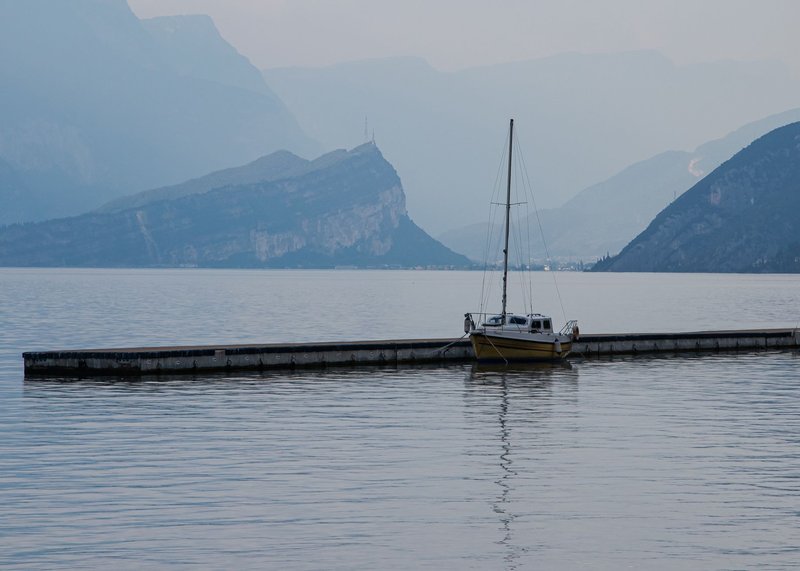
Most of what you’ll want to see in the Lake District sits in a few valleys around Windermere, Ullswater, Keswick and Coniston. The national park is free to enter, but car parks fill early in summer. Arrive before 9:30 am, or take the train to Windermere and a bus from there. The park’s official visitor site lists current transport and parking advice.
1. Windermere
England’s largest lake has the most infrastructure. Bowness on the east shore and Ambleside at the north end are full of cafes, boat hire and cruise piers, and lake cruises run between Lakeside, Bowness and Ambleside. A 10 mph speed limit applies on the water, which keeps it calmer than you’d expect. Windermere station is on a branch line from Oxenholme, so you can arrive by train and reach the water in a short walk or bus ride. Late spring and early autumn are the best times, when the crowds ease and the light is good for the lake’s 18 islands.
2. Wast Water
Wast Water is the deepest lake in England at about 79 m, and it looks it: the screes on the south-east side drop straight into the water at a steep angle. A 2007 poll named the view up the lake to Great Gable “Britain’s favourite view”. Wasdale is remote. The road in is long and narrow in places, so allow plenty of time. There’s roadside parking at the foot of the lake and at Wasdale Head, where walkers start for Scafell Pike. Go in autumn for colour and fewer cars.
3. Ullswater
Ullswater is long and narrow with a dog-leg bend, and it’s the best lake for combining a boat with a walk. The Ullswater Steamers run between Glenridding, Howtown and Pooley Bridge, so you can walk a section of the 20-mile Ullswater Way and ride back. Aira Force waterfall is on the western shore, and Wordsworth saw the daffodils that inspired his poem at Gowbarrow Park nearby in 1802. Glenridding has a pay car park. Visit in April for the daffodils.
4. Derwentwater
Derwentwater sits at the edge of Keswick, so it’s the easiest large lake to visit without a car. A flat path from the town leads to Friar’s Crag in about 15 minutes, a rocky point with a clear view over the islands to Catbells. The Keswick Launch circles the lake and stops at jetties along the shore. Hire a rowing boat for an hour if the weather is calm. May and early June are quieter than July and August.
5. Bassenthwaite Lake
The only official “lake” in the Lake District is also the least developed of the big ones. It sits to the north-west, away from the central valleys, and has few facilities on the water. Ospreys have nested in nearby Dodd Wood, where there’s a viewing point in the breeding season, usually April to August. A pay car park at Dodd Wood is the standard start. Bring binoculars and go in early summer.
6. Coniston Water
Coniston Water is five miles long and straight enough that Donald Campbell used it for his water speed record attempts. He died here in 1967 when Bluebird K7 crashed, and the wreck was recovered in 2001. The Steam Yacht Gondola, a Victorian vessel run by the National Trust, still sails on the lake. John Ruskin’s house, Brantwood, sits on the eastern shore. Coniston village has a pay car park a short walk from the jetty. September is quiet and clear.
7. Buttermere
Buttermere is small enough to walk around in two or three hours, on a mostly flat path of about 4.5 miles. It’s one of the few Lake District lakes with a circuit that suits almost everyone, and the pub in Buttermere village is a reliable halfway stop. The village car park fills by mid-morning in summer, and the roads in are steep. It’s also a popular wild swimming spot (see below). Visit in October when the larches turn.
8. Haweswater
Haweswater is the quiet one. A dead-end road runs along the eastern shore to a car park at the head of the lake, and the walk up to High Street starts there. It’s a managed landscape that supplies water to the north west, with an RSPB reserve and red squirrels in the woods. It was once home to England’s only golden eagle. Walk the shore on a weekday and you may see nobody else. Late spring and autumn work best.
9. Tarn Hows
Tarn Hows is a landscaped tarn near Coniston, formed when a Victorian landowner dammed a stream and joined three smaller tarns into one. It’s now owned by the National Trust, which maintains a surfaced path around the shore. The circuit is under two miles, and it’s one of the most accessible lakes in England for pushchairs and many wheelchairs. There’s a pay car park above the tarn. Autumn gives the best colour.
Lakes in Yorkshire and the North East
10. Malham Tarn
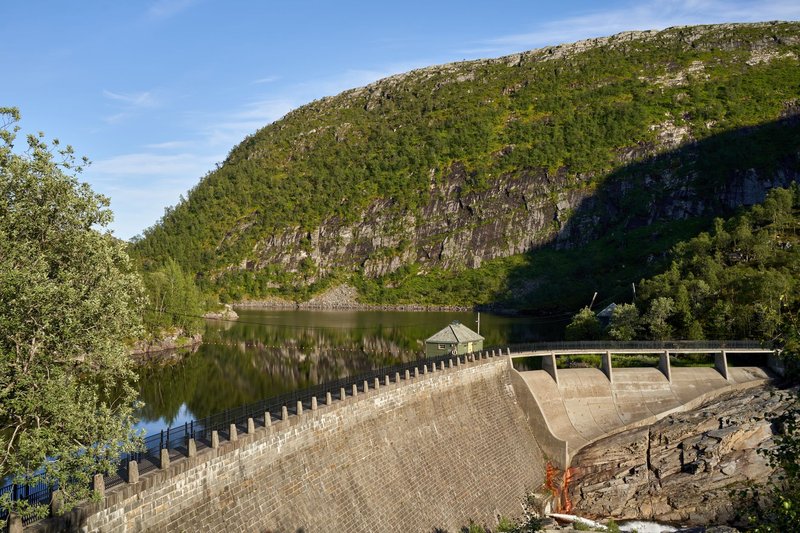
Malham Tarn sits at 377 m above sea level in the Yorkshire Dales, and it’s one of only two natural lakes in the Dales. The limestone around it keeps the water clear and alkaline. Charles Kingsley visited in the 1850s, and the tarn is often cited as an influence on The Water-Babies. It’s owned by the National Trust, and the estate houses a field studies centre. Walk up from Malham village via the cove, or park near the tarn and take the flat path. Go in late spring when the limestone flowers are out.
11. Semer Water
Semer Water in Wensleydale is the Dales’ other natural lake. Local legend says a village lies drowned beneath it. The lake is quiet and shallow, a small road leads to the shore, and parking is limited. It’s good for paddling, birdwatching and a picnic, and it’s a long way from the Lakes crowds. Choose a clear day in May or September.
12. Hornsea Mere
Hornsea Mere is the largest natural freshwater lake in the historic county of Yorkshire. It sits just inland from the East Yorkshire coast, and you can hire rowing boats in summer. The reed beds attract migrating birds, and the lakeside cafe is more relaxed than anything in the Lake District. It combines well with an afternoon on the beach at Hornsea. Visit between April and September when the boats are running.
13. Kielder Water
Kielder Water holds more water than any other reservoir in England. It sits in Northumberland, close to the Scottish border, inside England’s largest forest. The Lakeside Way, a shoreline trail of about 26 miles, works for walkers and cyclists, and you can do it in sections. The Kielder Observatory runs stargazing events under one of the darkest skies in England, and sessions sell out, so book ahead. Parking is at Leaplish Waterside Park or Tower Knowe. Autumn and winter are the best seasons for the night sky.
Lakes in the Peak District, Midlands and East
14. Ladybower Reservoir
Ladybower is the largest of three reservoirs in the Upper Derwent Valley in Derbyshire. The neighbouring Derwent Dam was used by 617 Squadron to rehearse for the Dambusters raid in 1943. Fairholmes visitor centre has the main car park, bike hire and a flat track up the west side of the reservoirs. In dry years the remains of the drowned village of Derwent emerge from the water. Go on a weekday in autumn.
15. Carsington Water
Carsington Water, opened in 1992 in the Derbyshire Dales, is built for outdoor activity. An easy loop of about eight miles runs around the shore, and you can hire bikes at the visitor centre. Sailing, windsurfing and kayaking are offered on site, and birdwatching hides are dotted along the shore. The visitor centre car park has a charge. Best from May to September.
16. Rutland Water
Rutland Water has the largest surface area of any reservoir in England, and the 23-mile path around it is one of the best flat bike rides in the Midlands. Ospreys were reintroduced here in 1996, and the Rutland Osprey Project runs hides and a webcam. The church at Normanton sits on a promontory at the water’s edge. The main car parks charge. Visit between April and August for the ospreys.
17. Hickling Broad
Hickling Broad is the largest of the Norfolk Broads. The Broads look like natural lakes, but they’re flooded medieval peat diggings, a fact established only in the 1960s. Hickling is a National Nature Reserve run by Norfolk Wildlife Trust, with electric boat trips and a water trail. Marsh harriers, bitterns and cranes live in the reeds. Late spring is best for breeding birds.
Lakes in the South and South West
18. Chew Valley Lake
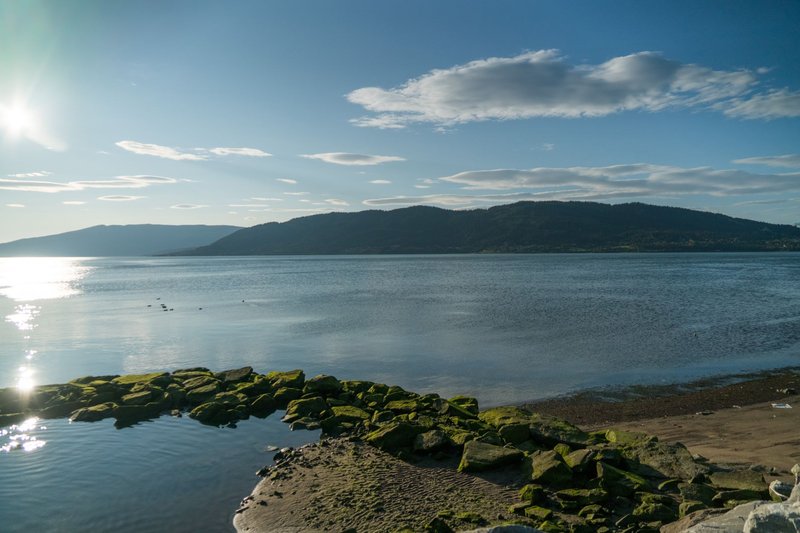
Chew Valley Lake in Somerset is the largest artificial lake in the South West, opened in 1956. It’s a nature reserve of national importance for wildfowl, and the fly fishing is well regarded. Birdwatchers go in autumn and winter for the duck. Several car parks give access to the shore, with a cafe at Woodford Lodge. It’s close enough to Bristol and Bath for a half-day trip.
19. Slapton Ley
Slapton Ley is the largest natural freshwater lake in the South West, separated from the sea by a shingle bank on the Devon coast. You can walk along the bank on the Slapton Line with the sea on one side and the Ley on the other. A Sherman tank at Torcross commemorates Exercise Tiger, a 1944 D-Day rehearsal held on this coast. Parking is at Torcross or Slapton Bridge. Go in spring for the reed warblers.
20. Dozmary Pool
Dozmary Pool sits on Bodmin Moor in Cornwall. Legend places it as the spot where Sir Bedivere returned Excalibur, and folklore says it’s bottomless, though it has dried out in droughts. A short walk from a small car park gets you to the shore. Visit on a misty autumn morning.
Wild swimming in English lakes
England has no general legal right to swim in lakes. Access depends on who owns the shore and the water, and owners range from the National Trust (generally tolerant) to water companies (often not). Check signs at each lake.
- Cold water is a real hazard. Even in July, deep lakes stay cold enough to cause cold water shock. Get in slowly and don’t swim alone.
- Reservoirs are riskier than lakes. Water companies often prohibit swimming because of sudden depth changes, hidden structures and cold water.
- Check water quality. The Environment Agency publishes bathing water quality data for designated sites. Many lakes have no designation and no lifeguards.
- Stay clear of boats. Windermere and Ullswater have busy boat traffic. Tow a bright float.
The usual picks in Cumbria are Buttermere, Derwentwater, Coniston Water and Wast Water. Semer Water is a good choice in the Dales.
Easy-access lakes
Several lakes on this list have surfaced or flat paths:
- Tarn Hows, a surfaced circuit of under two miles.
- Derwentwater, a flat path from Keswick to Friar’s Crag, and launches that stop at jetties.
- Rutland Water and Carsington Water, with long cycle loops and bike hire.
- Kielder Water, where the Lakeside Way can be done in short sections.
- Hornsea Mere, where boat hire and the cafe sit at the shore.
Why the number of lakes in England depends on who counts
Sources give different totals because they use different cut-offs. Count only water bodies over 5 hectares and you get a few hundred. Drop the threshold to 1 hectare and you reach several thousand. The totals also depend on whether reservoirs, ponds and flooded gravel pits count as lakes. There’s no single official list, so a figure only means something alongside its size threshold. For a wider catalogue of notable UK lakes, sorted by region, type and area, see the complete list of lakes in the United Kingdom.
FAQ
What is the largest lake in England?
Windermere is the largest natural lake in England, at about 14.7 km². Rutland Water has a smaller area (about 12.6 km²) but it’s a reservoir, so it doesn’t count as a natural lake.
What is the deepest lake in England?
Wast Water, in Wasdale, Cumbria. It reaches about 79 m.
Is Windermere natural or man-made?
Natural. Glacial ice carved the basin and meltwater filled it.
Which lake in England is officially called a lake?
Bassenthwaite Lake is the only one in the Lake District. The others are called waters, meres or tarns.
What is the largest reservoir in England?
Rutland Water has the largest surface area, and Kielder Water holds the most water.
Are there lakes in England outside the Lake District?
Yes. Malham Tarn and Semer Water in the Yorkshire Dales, Hornsea Mere in East Yorkshire and Slapton Ley in Devon are natural lakes. Hickling Broad in Norfolk is a flooded peat digging. Kielder Water, Rutland Water and Chew Valley Lake are reservoirs.
Can you swim in lakes in England?
In most cases, yes, if the owner allows it and no signs prohibit it. There’s no general legal right to swim, and reservoirs are often off limits.
What is the best lake in England for walking?
Buttermere has the easiest circuit at about 4.5 miles. Ullswater and Haweswater offer longer walks, and Tarn Hows is the shortest and most accessible.