Many of Pennsylvania’s safest municipalities—ranging from college towns to suburban townships—regularly rank near the top of national safety lists compiled from FBI crime data and local police reports. Safety matters whether you’re shopping for a family home, weighing a retirement move, or choosing a campus town for a student: lower violent-crime rates, predictable policing resources, and community engagement all shape daily life and long-term property values. This piece profiles twelve places often cited among the state’s safest, grouping them into three practical categories—small cities and boroughs, suburban communities, and college/planned towns—and pointing to the kinds of data (FBI/UCR, municipal reports, and the American Community Survey) you should check before deciding. Below are compact, evidence-focused snapshots that explain what makes each community stand out and what that means for residents.
Small Cities and Boroughs with Low Crime Rates

Smaller populations can mean lower violent-crime rates, tighter social networks, and more visible policing—factors that help explain why many low-crime boroughs cluster in Pennsylvania. Verify each claim with FBI/UCR figures, local police annual reports, and the ACS for population and income data; local rankings (Niche, U.S. News) help provide context. Below are four small municipalities whose service models, foot-patrolled downtowns, and civic programs consistently support public safety.
1. State College (Centre County) — University-town safety with active policing
State College regularly appears among the state’s safer boroughs thanks to relatively low violent-crime figures for its size and strong campus–community coordination. According to U.S. Census ACS estimates, the borough population is roughly 42,000 (including many Penn State students), and local policing partners report violent-crime rates below many similarly sized college towns (see latest FBI/UCR and Penn State Police annual reports for exact per‑100,000 figures).
Penn State’s public-safety resources—Penn State Police, campus dispatch, and coordinated event planning for football weekends—add capacity during high‑traffic periods. For families and students the result is a downtown that remains walkable at night and a borough where visible patrols and community outreach lower incident risks.
2. Doylestown (Bucks County) — Downtown charm and low incident rates
Doylestown pairs a compact, walkable historic downtown with consistently low reported crime. The borough’s population is under 10,000 by ACS estimates, and municipal and county reports show both violent and property crime figures below county averages (consult the Doylestown Borough Police annual report and FBI/UCR tables for the latest numbers).
Visible policing, a Main Street business-improvement partnership, and school-safe-corridor initiatives make Doylestown attractive to retirees and small-business owners who prize pedestrian safety and reliable municipal services.
3. Mechanicsburg (Cumberland County) — Suburban feel, small-city stats
Mechanicsburg often posts lower-than-average crime for its size, supported by active municipal services and community engagement. ACS estimates place the borough population around 9,000–10,000, and recent local police reports show property‑crime trends that are flat or declining year‑over‑year (see Mechanicsburg Police Department annual statistics and FBI/UCR summaries for exact rates).
The borough’s commuter proximity to Harrisburg, neighborhood-watch groups, and youth outreach programs contribute to stable residential neighborhoods favored by families seeking safe schools and predictable policing response times.
4. Emmaus (Lehigh County) — Strong local policing and community ties
Emmaus combines community‑focused policing with frequent civic events, producing lower crime metrics relative to the county average. With a population near 11,000 (ACS), Emmaus reports property‑crime rates that local police track closely and address with targeted programs (see Emmaus Borough Police annual data and ACS income figures for specifics).
For young families seeking affordable, safe neighborhoods within reach of Allentown and Bethlehem, Emmaus’s patrol presence at town festivals and school safety campaigns provides tangible reassurance.
Suburban Communities with Strong Policing & Services
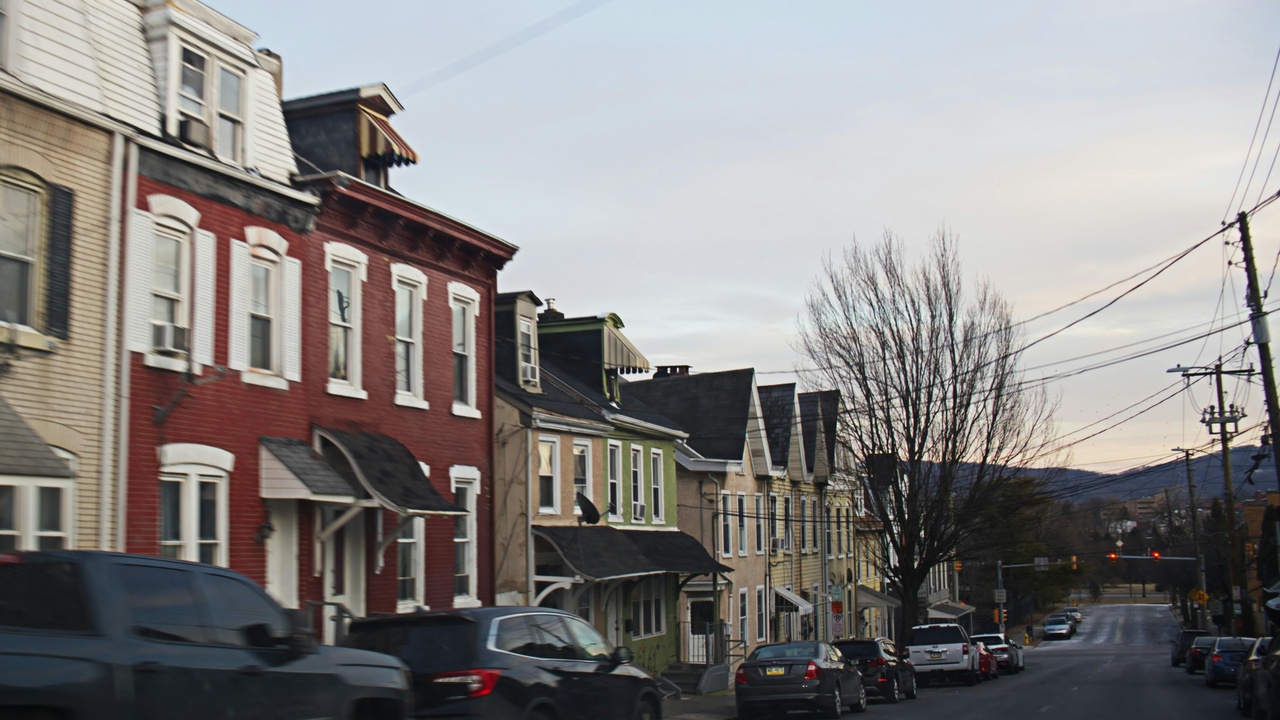
Suburban townships and boroughs near metro centers often show lower crime in part because of higher municipal budgets, more officers per resident, and invested public services. When evaluating suburbs look for police‑per‑capita figures, average response times, and school resource officer programs—data that typically appear in municipal budgets and police annual reports.
5. Lower Merion Township (Montgomery County) — Affluent suburb with low crime
Lower Merion’s higher median household income (ACS figures often place it well above state medians) supports well‑funded police services and school safety programs. The township’s population is roughly 55,000–60,000, and reported violent‑crime and property‑crime rates are lower than county averages (see Lower Merion Police and school district safety policy documents for exact statistics).
Families here benefit from top‑rated schools, active neighborhood associations, and police staffing levels that translate into short response times and dedicated school‑safety resources.
6. Radnor Township (Delaware County) — Strong public services near Philly
Radnor combines suburban neighborhoods with institutional anchors—universities and hospitals—that help maintain lower crime through partnership and private security coordination. ACS population estimates put Radnor in the 30,000–35,000 range, while local and federal crime reports show below‑average rates for the region (see Radnor Township and FBI/UCR data for exact per‑100,000 numbers).
Practical benefits include safe commute corridors, routine patrols near transit hubs, and collaborative safety programs tied to nearby institutions.
7. Upper St. Clair (Allegheny County) — Pittsburgh-area suburb known for safety
Upper St. Clair frequently ranks high for school quality and public safety, with violent‑crime figures that sit below the Allegheny County average. The township’s population is about 20,000 by ACS counts, and municipal reports highlight school resource officers and neighborhood‑watch networks as key prevention tools (consult Upper St. Clair Police annual reports for numeric details).
For families prioritizing top schools and low incident rates, Upper St. Clair’s coordinated school‑police programs and community events strengthen prevention and awareness.
8. Lower Makefield Township (Bucks County) — High safety rankings and suburban amenities
Lower Makefield often appears in local and national lists of safe suburbs, reflecting steady low crime rates alongside strong services. ACS estimates place the township’s population in the 30,000s, and Niche and U.S. News references echo municipal and FBI/UCR data showing lower-than‑average violent‑crime rates (see township reports for precise numbers and police budget figures).
Homebuyers here get the usual suburban advantages—parks, schools, and active neighborhood watches—backed by municipal safety investments that help hold property crime down.
College Towns and Planned Communities — Safety through design and investment

Colleges and planned neighborhoods often achieve low baseline crime through campus police, well‑lit public spaces, and homeowner‑association standards. Remember that event‑driven spikes (sporting events, festivals) can temporarily raise incident counts, so look at per‑capita rates and year‑over‑year trends when judging safety.
9. Hershey (Dauphin County) — Tourist-friendly with steady safety performance
Hershey handles a large visitor volume while keeping resident safety steady through seasonal policing and private security partnerships. The borough’s resident population is roughly 14,000 (ACS), and local reports show that baseline violent‑crime rates remain relatively low despite spikes tied to major events—check Hershey Borough Police seasonal statistics and Hersheypark security reports for exact figures.
Residents benefit from coordinated event security, predictable patrol patterns during peak tourism months, and municipal planning that separates visitor hotspots from quiet residential areas.
10. Camp Hill (Cumberland County) — Planned community character and safety
Camp Hill’s compact, well‑laid‑out commercial corridors and active borough services contribute to a lower crime footprint. ACS places the population near 8,000–9,000, and Camp Hill police annual statistics report low violent‑crime counts and targeted lighting and patrol investments (see borough data for per‑100,000 rates).
Its walkable downtown, well‑lit streets, and regular foot patrols make the borough appealing to commuters and families who value small‑town planning with modern safety features.
11. Hermitage (Mercer County) — Industrial suburb with low crime rates
Hermitage blends residential neighborhoods with light industry while maintaining crime figures that are moderate to low for the region. With a population around 16,000 (ACS), municipal policing and community programs aim to keep property and violent crime in check—see Hermitage Police Department annual reports for current numbers.
The city’s affordability and steady safety profile make it appealing for families and retirees seeking value without sacrificing basic public‑safety amenities.
12. Newtown Township (Bucks County) — Planned suburban safety and community programs
Newtown Township’s planning, parks, and active civic groups contribute to consistently low crime indicators. ACS population estimates place Newtown in the low tens of thousands, and township police statistics typically report violent‑crime figures below county averages (consult Newtown Township police and ACS data for exact numbers and recent response‑time metrics).
Residents experience the payoff of coordinated park safety policies, neighborhood watch programs, and regular police presence at community events—factors that help sustain peaceful neighborhoods.
Across these profiles you’ll see common threads: deliberate municipal investment, community engagement, and design elements that together help define some of the safest cities in Pennsylvania. For any city on this list, always confirm the most recent FBI/UCR tables and local police annual reports to get the latest per‑100,000 crime rates and trend data.
Summary
- Smaller populations and strong municipal services often coincide with lower violent‑crime rates; check ACS population and income data alongside FBI/UCR tables.
- Police staffing levels, school‑resource officers, and event planning make a measurable difference—review police annual reports and municipal budgets for concrete figures.
- Design and community programs (lighting, walkability, neighborhood watch) reduce vulnerability more than broad labels do; visit neighborhoods at different times to assess real conditions.
- Use authoritative sources before deciding: compare the latest FBI/UCR data, local police reports, and ACS estimates, and talk with residents or local business associations for on‑the‑ground insight.