On a clear morning, the smell of freshly baked burek drifts from a small bakery in Baščaršija while the Miljacka glints under footbridges — a setting where Ottoman alleys meet Austro-Hungarian façades and reminders of modern history sit within blocks of cafés. Sarajevo’s story runs from the assassination at the Latin Bridge on June 28, 1914 to the city hosting the 1984 Winter Olympics, and that surprising range is visible in a single stroll.
Sarajevo is compact and eminently walkable; authenticity, layered history, scenic viewpoints and lively food culture are all within easy reach. These seven picks capture the city’s best sides and make it easy to plan short, rewarding days exploring markets, memorials, mountain views and late-night music. If you’re looking for cool things to do in sarajevo that mix local life with tangible history, start here.
Historic and Cultural Experiences
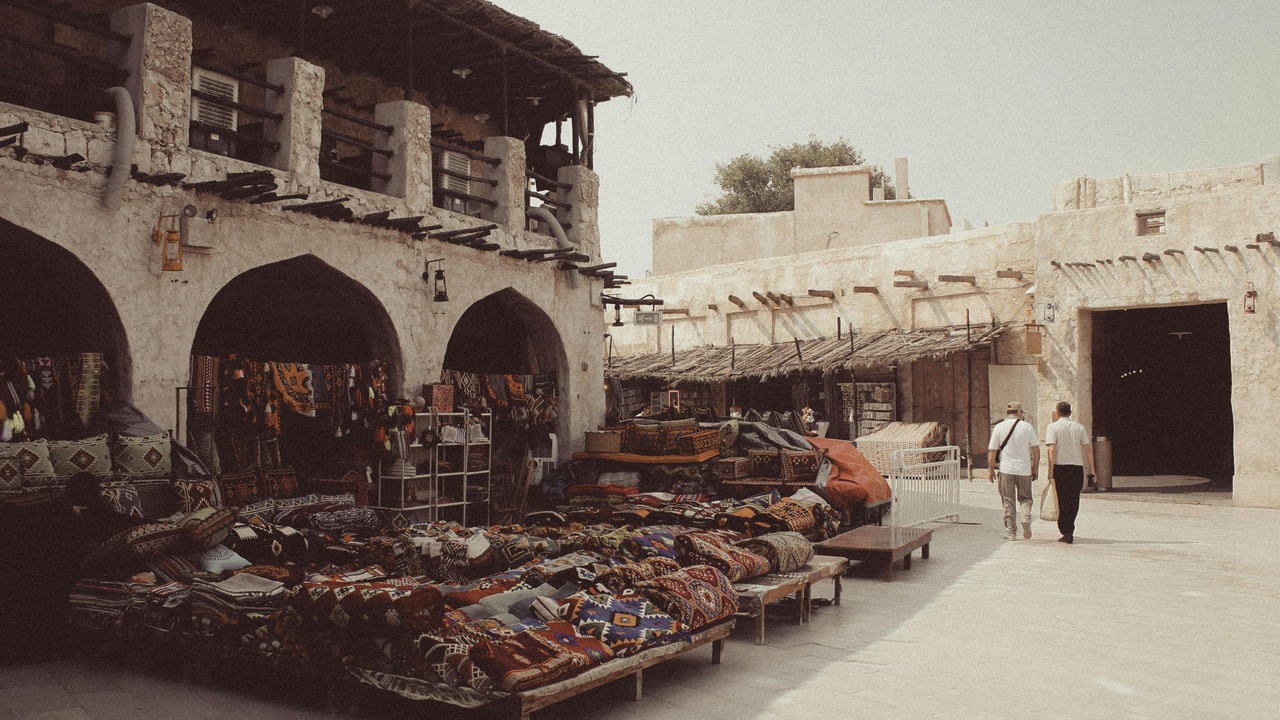
1. Explore Baščaršija and the Old Bazaar
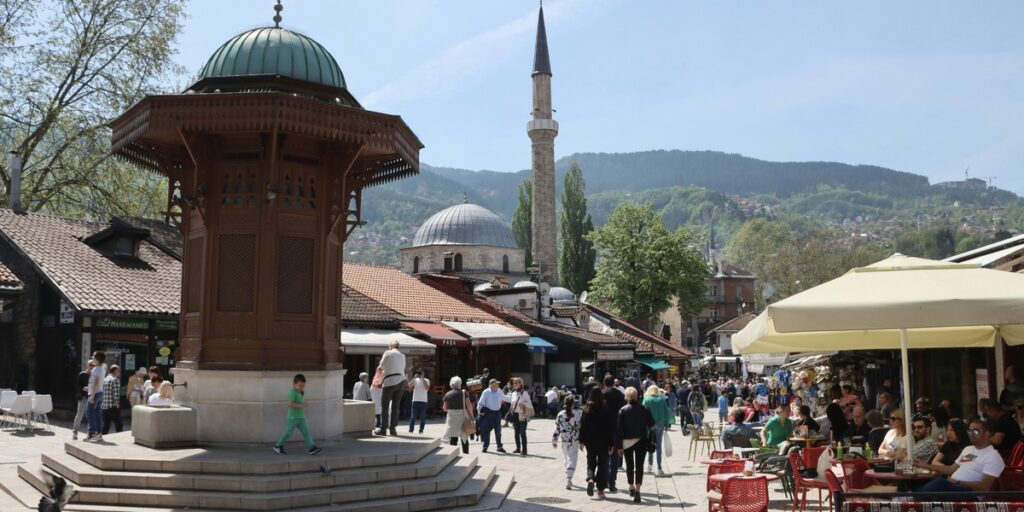
Baščaršija is Sarajevo’s Ottoman-era market and the city’s cultural heart, where narrow lanes funnel into a lively pedestrian square. The market dates back to the city’s Ottoman foundation (c. 1461) and still hosts artisans and coffeehouses selling copperware, filigree and hand-thrown ceramics.
Look for the Sebilj wooden fountain, coppersmith workshops hammering trays and small bakeries selling burek. Practical tip: visit in the morning to avoid crowds; handmade copper trays commonly run roughly €20–60, and a quick Bosnian coffee stop pairs well with wandering.
2. Visit the Latin Bridge and the Sarajevo assassination site
The Latin Bridge is a small stone crossing with outsized historical significance — here, on June 28, 1914, Gavrilo Princip shot Archduke Franz Ferdinand, an event that helped trigger World War I. The site is compact and easy to absorb in 15–30 minutes.
Nearby the corner house hosts the Museum of Sarajevo 1878–1918, with photographs, placards and a concise exhibition that puts the assassination into context. Practical tip: the bridge and exhibits are walking-distance from Baščaršija; expect small admission fees for the museum and quiet, respectful behavior at memorial plaques.
3. Tour the Gazi Husrev-beg Mosque and Ottoman architecture
The Gazi Husrev-beg Mosque, built around 1531, is a centerpiece of early 16th-century Ottoman architecture in Sarajevo and remains an active community hub. Its külliye complex includes a madrasa, clock tower and historic library that illustrate Ottoman urban life.
Visitors should dress modestly and remove shoes before entering; guided tours or local guides can point out Islamic calligraphy and tilework. Opening hours vary with prayer times and a small donation is customary for non-worshipper visits.
Outdoor and Scenic Activities
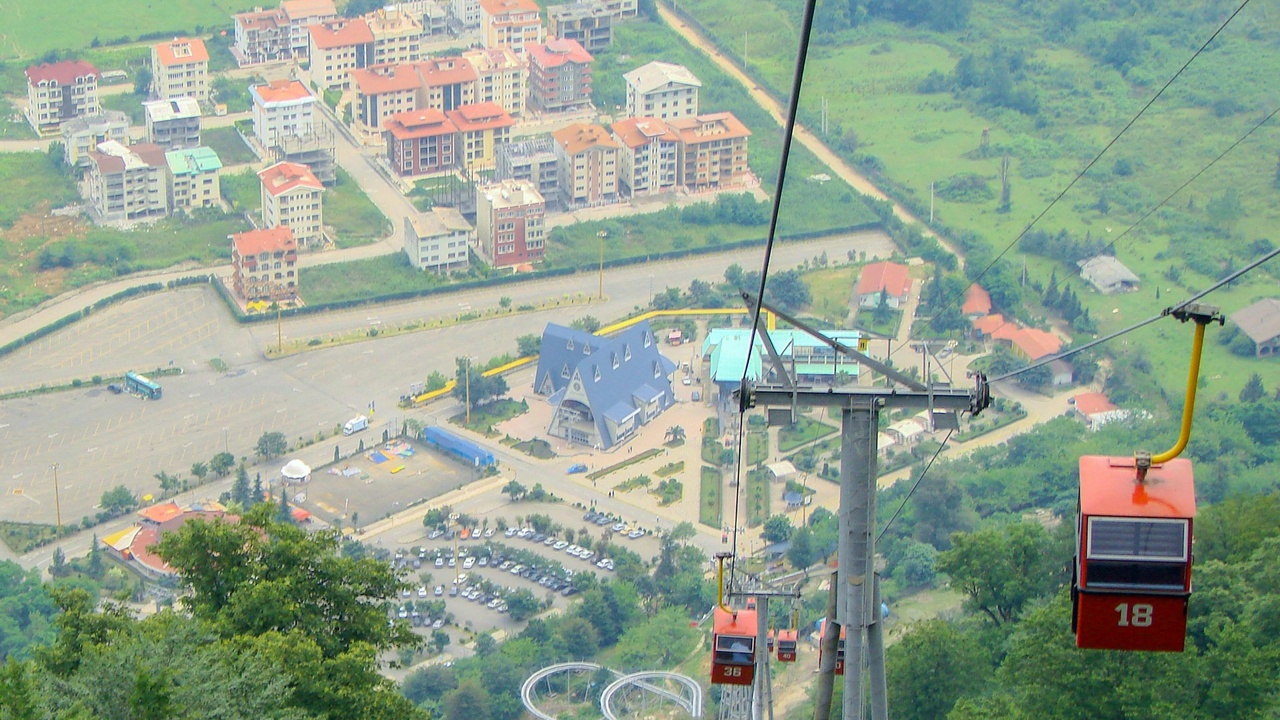
4. Ride the Trebević cable car and hike the Olympic trails
A short cable-car ascent to Trebević delivers panoramic views of the city in under 10 minutes (the line was restored in 2018) and puts you beside visible remnants of Sarajevo’s 1984 Winter Olympics, like the abandoned bobsled track. It’s a quick way to see the skyline and surrounding Dinaric peaks.
From the summit, follow marked trails for short hikes and photo stops; a café near the top serves simple bites. Seasonal tip: summer offers clear hiking routes, while winter brings snow and limited trail access; the bobsled track is photogenic but not safe to descend.
5. Stroll the Miljacka river and relax at riverside cafés
The Miljacka River threads through Sarajevo and makes a calm, scenic spine for walking between districts. Bridges reveal rapid shifts in architecture so you can pass Ottoman courtyards, Austro-Hungarian façades and modern storefronts within a few blocks.
Plan a coffee near Baščaršija, an afternoon pastry stop and an evening terrace for local beer while watching light on the water; coffee prices typically range around €1.50–3.00. Seasonal activities include kayakers in warmer months and occasional riverside festivals.
Food, Nightlife and Local Culture
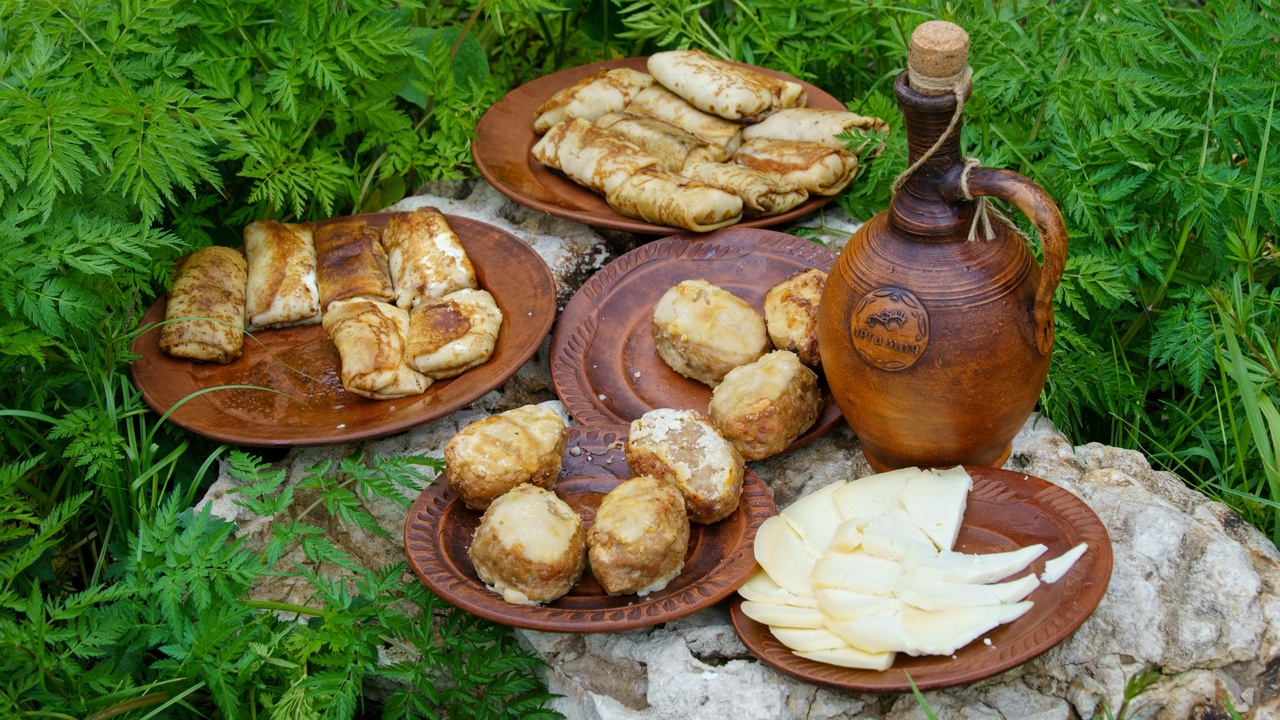
6. Try Bosnian cuisine: ćevapi, burek and Bosnian coffee
Sarajevo’s food scene is a major draw: try ćevapi (grilled minced meat), burek (flaky filled pastry) and the slow ritual of Bosnian coffee served in a džezva. These dishes reflect Ottoman and Balkan influences and are widely available across the old town.
Good stops include Inat Kuća for a memorable riverside meal and Ćevabdžinica Željo for classic ćevapi. Expect a plate of ćevapi around €3–6 and burek near €1–2; order for sharing and savor coffee served with a glass of cold water.
7. Experience nightlife and cultural events — festivals, film, and live music
Sarajevo livens up after dark with small live-music venues, sevdah performances and summer festivals. The Sarajevo Film Festival (founded 1995) is a major cultural anchor, drawing crowds for screenings and outdoor events each July and August.
Practical advice: book ahead for festival screenings, explore evening neighborhoods like Ferhadija and Baščaršija, and use late-night taxis or stick to well-lit streets when walking. Small bars often host local bands and intimate sevdah sets.
Summary
- Sarajevo fits big stories into a small map: Ottoman bazaars, a World War I landmark and 1984 Olympic remnants are all walkable.
- A one-day plan: morning in Baščaršija, a midday riverside stroll along the Miljacka and dinner of ćevapi at a classic joint.
- Combine a 15–30 minute history stop at the Latin Bridge with an early-evening ride up Trebević for sunset views.
- Festival season (notably the Sarajevo Film Festival, est. 1995) makes summer evenings especially lively — reserve ahead.
- For a short trip, mix one historic site, one outdoor activity and one food experience to taste the city; these are the best cool things to do in sarajevo to start with.