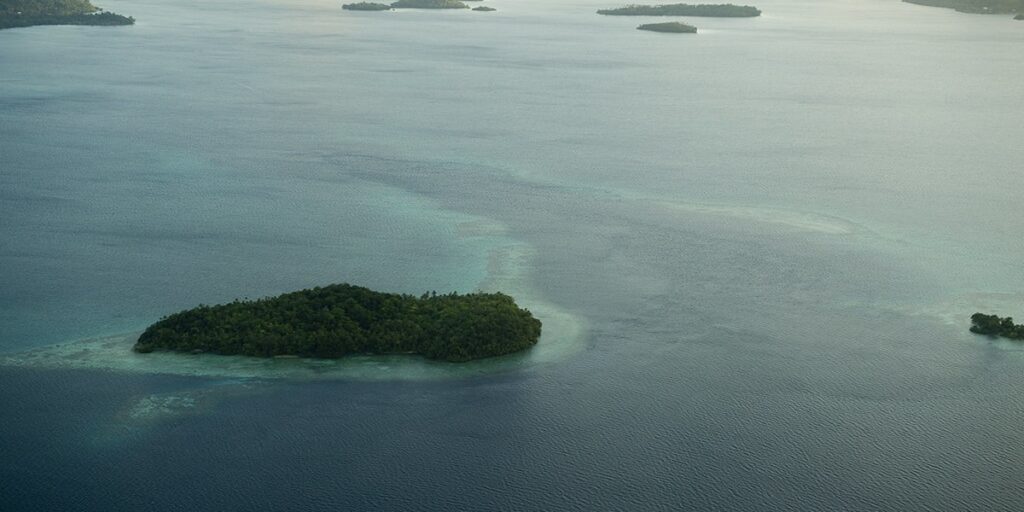
Kiribati sits across the central Pacific as a string of atolls and reef islands where ocean life, migration and tight-knit communities shape daily life and identity. Knowing the island group’s ethnic makeup helps explain language patterns, settlement and local history across its scattered atolls.
There are 9 Kiribati Ethnic Groups, ranging from Banaban to Tuvaluan. For each group the table lists Population (%),Main locations,Language(s) — you’ll find below.
Which ethnic group forms the majority in Kiribati and where are they found?
The majority are the Gilbertese (I-Kiribati), who live on most of the inhabited atolls and make up the largest share of the population; other groups like Banaban are concentrated on specific islands (or diasporas), and Tuvaluan communities appear in particular locations — see the table for exact shares and places.
How reliable are the Population (%) and language details in the list?
Percentages and language notes are typically based on national censuses and ethnographic sources but can shift with migration, remittances and island resettlement; treat figures as current estimates and consult the latest census or local reports for precise updates.
Kiribati Ethnic Groups
| Name | Population (%) | Main locations | Language(s) |
|---|---|---|---|
| I-Kiribati (Gilbertese) | 96% | Gilbert Islands (including Tarawa), Line Islands (Kiritimati), Phoenix Islands | Gilbertese, English |
| Banaban | 0.5% | Banaba (Ocean Island), small communities on South Tarawa | Banaban, Gilbertese, English |
| Tuvaluan | 0.4% | South Tarawa, some outer islands | Tuvaluan, Gilbertese, English |
| Fijian | 0.5% | South Tarawa and urban centers | Fijian (iTaukei), Hindi, English |
| Chinese | 0.6% | Betio, South Tarawa, some outer islands | Mandarin/Cantonese, English, Gilbertese |
| Filipino | 0.5% | South Tarawa and service sectors across islands | Tagalog, English |
| European/Other Western | 0.2% | South Tarawa (administration, NGOs), Kiritimati | English |
| Solomon Islander | 0.3% | Urban centers, South Tarawa | Melanesian languages, English, Gilbertese |
| Mixed I-Kiribati heritage | 1.0% | Primarily South Tarawa and growing urban areas | Gilbertese, English, other languages |
Images and Descriptions

I-Kiribati (Gilbertese)
The indigenous majority of Kiribati, also called Gilbertese, concentrated on the Gilbert and Line Islands. They speak Gilbertese (Kiribati) and English, trace Austronesian roots, practice lagoon fishing, communal land tenure, and distinctive dances and weaving traditions.
Banaban
Original inhabitants of Banaba (Ocean Island) with historical ties to Rabi in Fiji; a small community in Kiribati today. Banabans speak Banaban and often Gilbertese, maintain unique customs and a strong attachment to their displaced island homeland.
Tuvaluan
Small migrant community from neighboring Tuvalu, often living in South Tarawa and outer islands. They speak Tuvaluan and Gilbertese, share Polynesian cultural traits, and often work in fishing, trade, and inter-island family networks.
Fijian
Fijian residents include indigenous Fijians and Indo-Fijians working in government, plantations and services. Concentrated in Tarawa; they bring Fijian languages, Christian traditions, and culinary and musical influences to Kiribati’s multicultural life.
Chinese
Small Chinese business community concentrated in urban centers like Betio and South Tarawa. They run shops and trade networks, speak Chinese dialects and English, and have integrated into local society while keeping cultural festivals and family enterprises.
Filipino
Filipino migrant workers and their families are present in health, education, and service sectors. They speak Tagalog and English, contribute professional skills, and participate in local Catholic and community life.
European/Other Western
Small community of European expatriates and descendants, often in government, NGOs and business on South Tarawa. English-speaking, they have historical ties from colonial periods and add to a multicultural urban presence.
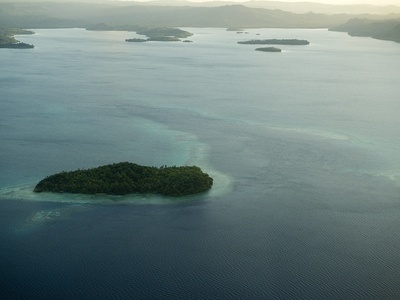
Solomon Islander
Residents from the Solomon Islands work seasonally or permanently in fisheries and trade. They live mainly in urban centers, speak Melanesian languages and English, and contribute Pacific Islander cultural diversity to Kiribati.
Mixed I-Kiribati heritage
People of mixed I-Kiribati and non‑Kiribati ancestry are common in urban areas. They often speak Gilbertese and English, blending cultural practices, and play bridging roles in family ties, business, and community life.