
TLDR
- Estonian is the only official language and the mother tongue of about two-thirds of residents.
- Russian is the largest minority language, concentrated in Tallinn and the northeast around Narva.
- English is widely spoken, especially by people under 40. Tourists get by without any Estonian.
- Smaller languages include Ukrainian, Finnish, and the South Estonian varieties Võro and Seto.
Contents
- The short answer
- Languages in Estonia by numbers
- Why Russian is so common
- Language by region
- Võro, Seto, and Mulgi
- Does English work for travelers?
- Phrases worth learning
- FAQ
The short answer
Estonian is the official language of Estonia. Russian is the biggest minority language, and English is the language most visitors end up using. The country of about 1.3 million people counted 243 mother tongues in its 2021 census, up from 109 in 2000, according to Statistics Estonia’s census team.
That number sounds dramatic, but most of those 243 languages have a handful of speakers each. In daily life you’ll run into three: Estonian, Russian, and English.
Languages in Estonia by numbers
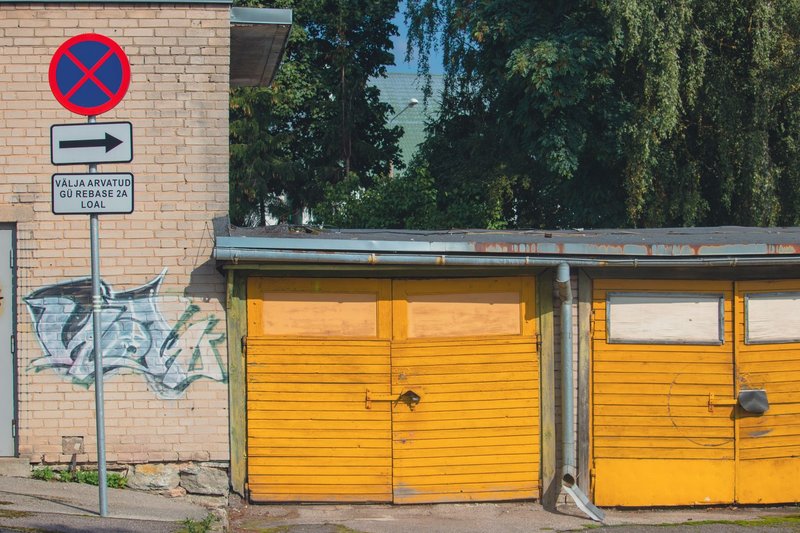
The figures below come from the 2021 census for mother tongue, plus survey estimates for English. Treat the smaller numbers as rounded.
| Language | Role | Rough share of residents |
|---|---|---|
| Estonian | Official language | About 67% mother tongue |
| Russian | Largest minority language | Close to 30% mother tongue |
| Ukrainian | Grew after 2022 | About 1% |
| Finnish | Related, small community | Under 1% |
| German | Mostly second-language learners | Under 1% |
| Swedish | Historic coastal minority | Under 1% |
| English | Main foreign language | Spoken by a majority of adults, far more among the young |
Estonian belongs to the Finnic branch of the Uralic family. It’s closely related to Finnish and nothing like Russian, Latvian, or Swedish. Germans and Swedes ruled the territory for centuries, which is why you’ll still hear their loanwords in everyday Estonian.
Why Russian is so common
Estonia was part of the Soviet Union from 1944 to 1991. Moscow moved workers into industrial towns, especially in the northeast, and Russian became the language of administration and the factory floor. Many of those workers and their descendants stayed after independence. For the wider picture of how ethnic communities sit across the region, see Ethnic Groups in Northern Europe: A Complete Guide.
The result is a country with two parallel language communities. Many Russian speakers learned Estonian after 1991, but a large share still use Russian at home and at work. That’s changing. Estonia is phasing out Russian-language instruction so that schools teach in Estonian, a reform the government has pushed since 2022.
Ukrainian has also grown since 2022, as refugees arrived in a country that already had Slavic-language services in its larger cities.
Language by region
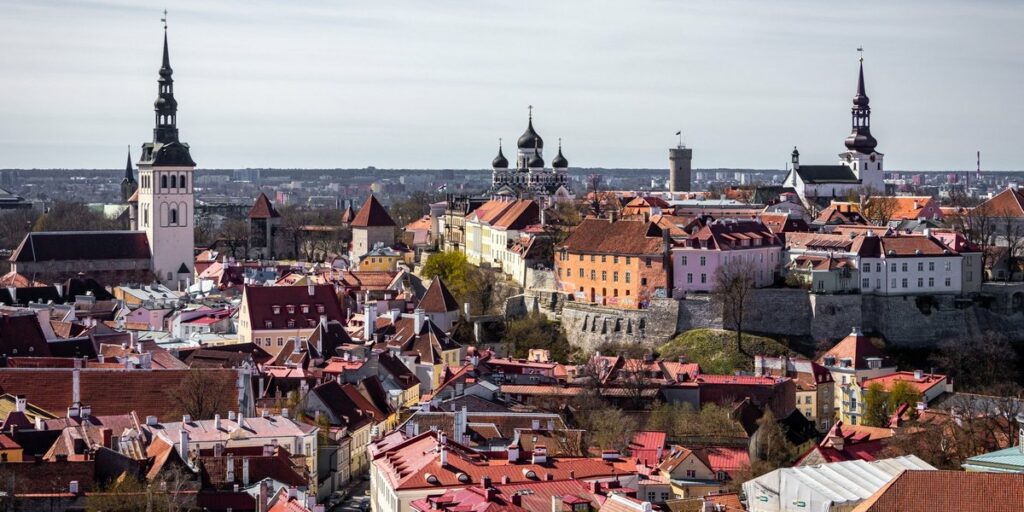
Tallinn. The capital is where all three languages meet. Estonian dominates the old town’s shops and signage, but a large Russian-speaking community lives in districts like Lasnamäe. Waiters and hotel staff switch to English without being asked.
Ida-Viru County. This is the northeast, and it’s where Russian is the everyday language. Narva, on the Russian border, is majority Russian-speaking. Estonian is the language of official paperwork, but you’ll hear Russian in cafés and on the street.
Tartu. The university town runs on Estonian and English. Students and academics speak English fluently, and it’s the easiest big town to function in without Russian.
The islands. Saaremaa and Hiiumaa are overwhelmingly Estonian-speaking, with distinct island accents. English works in guesthouses and restaurants aimed at tourists, less so in village shops.
Võro, Seto, and Mulgi
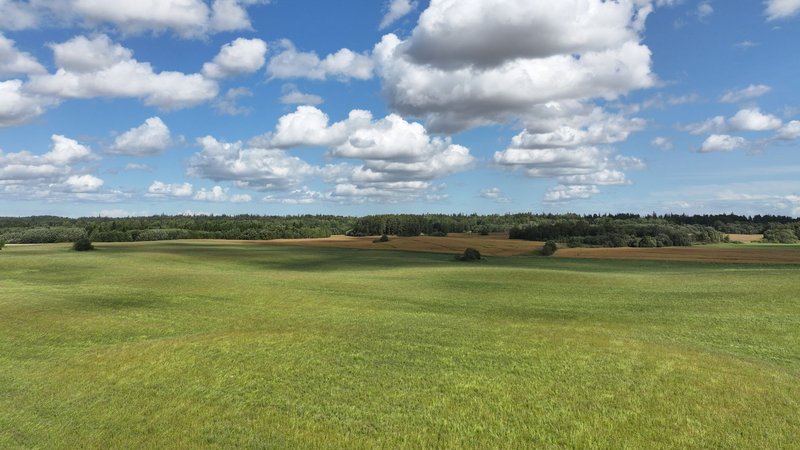
In the south, people speak varieties grouped as South Estonian. Võro is the best known, with a few thousand speakers in the Võrumaa area, and it has a language institute, a Wikipedia edition, and school classes. Seto is spoken by the Setos near the Russian border, a community with its own singing tradition (leelo) listed by UNESCO. Mulgi is the dialect of the Mulgimaa region around Abja-Paluoja.
Linguists argue about whether these count as languages or dialects of Estonian. Speakers of Võro and Seto generally say language, and mutual understanding with standard Estonian is limited. For a closer look at how these regional forms differ from the standard, see Dialects in Estonia: A Guide to the Real Estonian.
Estonian Sign Language is also recognized and used by a small deaf community.
Does English work for travelers?
Yes, with a few caveats. Estonia is one of the most digitally connected countries in Europe, and younger Estonians learn English from primary school onward. Menus, museum signs, ticket machines, and public transport apps all come in English.
Where it gets thinner:
- Villages and rural shops, especially on the islands and in the south.
- Older people. Many learned Russian or German as their foreign language, not English.
- Narva and the northeast, where Russian is the better fallback.
In Tallinn and Tartu you can go a week without speaking a word of Estonian. In the countryside, a smile and a translation app will carry you.
Phrases worth learning
You don’t need Estonian, but a few words land well:
- Tere (TEH-reh): hello
- Aitäh (EYE-tah): thank you
- Palun: please, or you’re welcome
- Jah / Ei: yes / no
- Nägemist: goodbye
Estonian isn’t easy. It has 14 grammatical cases and no future tense, which trips up learners. The good news is that spelling is phonetic, so once you learn the sounds, you can read nearly anything aloud.
FAQ
What is the official language of Estonia? Estonian. It’s the only official language, and the constitution names it as the state language.
Do Estonians speak English? Most do, particularly under 40. Fluency is lower among older generations.
How many people speak Russian in Estonia? Close to 30% of residents list it as their mother tongue, and many more understand it.
Is Estonian similar to Finnish? Yes. They share a Finnic root and a lot of vocabulary, but speakers can’t understand each other without study. Finns pick up Estonian more easily than the reverse because of exposure to Finnish TV.
Is Estonian hard to learn? For English speakers, yes. The case system is the main obstacle, but pronunciation is regular.


