Estonia’s history is visible in small towns, manor houses, coastal forts and island strongholds; a short drive can take you from medieval walls to 19th‑century estates. Walking the streets and ruins here reveals layers of trade, warfare and rural life tied to the Baltic and Northern Europe.
There are 47 Historical Places in Estonia, ranging from Alatskivi Castle to Viljandi Castle ruins. Each entry is listed with Location,Era (year/century),Significance so you can quickly see where it is, when it dates to, and why it matters — you’ll find below.
How can I visit several sites efficiently in one trip?
Group sites by region (Tallinn, Saaremaa, southern Estonia, etc.), pick a manageable number per day, and check distances and transport options in advance; many smaller sites are easiest by car, while town clusters work well by walking and public transit, saving time for key interiors or guided tours.
Are these places generally open to the public and do they require tickets?
Access varies: open-air ruins and exteriors are usually free year-round, while castles, manors and museums often have seasonal hours and admission fees; check official sites for opening times, book guided tours for interiors, and expect some sites to be closed or limited in winter.
Historical Places in Estonia
| Name | Location | Era (year/century) | Significance |
|---|---|---|---|
| Tallinn Old Town | Tallinn, Harju County | 13th century | Well-preserved medieval Hanseatic town, UNESCO World Heritage |
| Toompea Castle | Tallinn, Harju County | 13th century | Historic seat of Estonia’s parliament, dominant hilltop fortress |
| St. Mary’s Cathedral (Dome Church) | Tallinn, Harju County | 13th century | Medieval cathedral with burial chapels of Baltic nobility |
| Alexander Nevsky Cathedral | Tallinn, Harju County | late 19th century | Prominent Russian Orthodox cathedral with ornate onion domes |
| St. Olaf’s Church | Tallinn, Harju County | 12th–14th centuries | Medieval church once famed for extremely tall spire |
| St. Nicholas’ Church (Niguliste) | Tallinn, Harju County | 13th century | Medieval church housing art museum and Danse Macabre painting |
| Kiek in de Kök | Tallinn, Harju County | 15th century | Artillery tower museum integrated into medieval fortifications |
| Tallinn City Wall | Tallinn, Harju County | 13th–16th centuries | Extensive medieval fortifications with towers and preserved segments |
| Tallinn Town Hall | Tallinn, Harju County | 15th century | Gothic town hall, Europe’s best-preserved medieval town hall |
| Kuressaare Castle | Kuressaare, Saare County | 14th century | Well-preserved bishop’s castle on Saaremaa, medieval museum |
| Narva Castle | Narva, Ida-Viru County | 13th century | Border fortress overlooking Narva River with layered military history |
| Rakvere Castle | Rakvere, Lääne-Viru County | 13th century | Crusader-era hill castle with reconstructed medieval exhibits |
| Paide Castle | Paide, Järva County | 13th century | Tall medieval tower of Teutonic Order, town stronghold |
| Viljandi Castle ruins | Viljandi, Viljandi County | 13th century | Ruins of Livonian Order castle, cultural events venue |
| Haapsalu Castle | Haapsalu, Lääne County | 13th century | Bishop’s castle with cloister and cathedral, famous local legends |
| Tartu Old Town | Tartu, Tartu County | 13th century | Historic university city with medieval core and Gothic architecture |
| Tartu Cathedral (Toome Hill) | Tartu, Tartu County | 13th century | Ruined cathedral overlooking Tartu, notable medieval ruins |
| University of Tartu | Tartu, Tartu County | Founded 1632 | Estonia’s historic university, central to national culture and scholarship |
| Otepää Stronghold | Otepää, Valga County | Prehistoric–13th century | Ancient hillfort with archaeological remains, regional cultural site |
| Varbola Stronghold | Rapla County | 10th–12th centuries | Largest preserved Estonian hillfort remains, Viking Age defensive site |
| Iru Stronghold | Jõelähtme, Harju County | 6th–7th centuries | Early medieval hillfort and archaeological site near Tallinn |
| Kunda archaeological site | Kunda, Lääne-Viru County | Mesolithic (c.7,000 BCE) | Type-site for Kunda culture, early Stone Age finds |
| Pirita Convent | Pirita, Harju County | 15th century | Ruins of Bridgettine monastery, former pilgrimage and coastal site |
| Padise Monastery | Padise, Harju County | 14th century | Cistercian monastery ruins with notable Gothic architecture |
| Palmse Manor | Palmse, Lääne-Viru County | 18th century | Large baroque manor complex, preserved interiors and estate museums |
| Sagadi Manor | Sagadi, Lääne-Viru County | 18th century | Manor house turned forestry museum with preserved servants’ quarters |
| Vihula Manor | Vihula, Lääne-Viru County | 19th century | Historic manor within Lahemaa, restored estate and museum |
| Alatskivi Castle | Alatskivi, Tartu County | 19th century | Romantic castle inspired by Balmoral, restored interiors and park |
| Angla Windmills | Angla (Muhu), Saare County | 19th century | Traditional windmills complex representing Saaremaa rural heritage |
| Estonian Open Air Museum | Rocca al Mare, Harju County | 17th–20th centuries | Extensive rural architecture collection showcasing traditional Estonian buildings |
| Kreenholm Manufacturing Combine | Narva, Ida-Viru County | 19th century | Large 19th-century textile mill complex, industrial heritage landmark |
| Maarjamäe Memorial | Tallinn, Harju County | 1950s–1960s | Soviet-era memorial complex commemorating WWII and Soviet soldiers |
| Paldiski Soviet Naval Base | Paldiski, Lääne County | Soviet era (20th century) | Cold War naval training base with coastal fortifications |
| Kõpu Lighthouse | Hiiumaa, Hiiu County | 16th century origin | One of Europe’s oldest lighthouses still in use, island landmark |
| Muhu St. Catherine’s Church | Muhu, Saare County | 13th century | Medieval rural church known for fortress-like architecture and murals |
| St. John’s Church (Tartu) | Tartu, Tartu County | 14th century | Gothic church with medieval murals and historic cemetery |
| Koluvere Castle | Koluvere, Lääne County | 13th century | Medieval fortress with later alterations, regional historic site |
| Lihula Castle | Lihula, Lääne County | 13th century | Ruined medieval stronghold with reconstructed tower and local museum |
| Song Festival Grounds | Tallinn, Harju County | Started 1869 | Historic site of Estonian song festivals central to national identity |
| Struve Geodetic Arc point (Tartu) | Tartu, Tartu County | 19th century | Triangulation station, part of UNESCO-listed Struve Geodetic Arc |
| Toila-Oru Park (former Oru Palace) | Toila, Ida-Viru County | 1898–1900 | Landscape park and former imperial-style palace site on the coast |
| Karja Church | Kaarma (Saaremaa), Saare County | 13th century | Medieval stone church famed for well-preserved wall paintings |
| Patarei Prison (Sea Fortress) | Tallinn, Harju County | 19th century | 19th-century sea fortress turned notorious Soviet-era prison, preserved complex |
| Rummu Quarry and Prison | Rummu (Vasalemma), Harju County | Soviet era (20th century) | Former Soviet prison and quarry, submerged ruins popular heritage site |
| Sillamäe Town Center | Sillamäe, Ida-Viru County | Post‑WWII Soviet era | Planned Soviet-era industrial town with Stalinist and modernist architecture |
| Põltsamaa Castle | Põltsamaa, Jõgeva County | 13th century | Bishop’s castle turned manor, historic site with park and ruins |
| Kuremaa Manor | Kuremaa (Mustvee area), Jõgeva County | 19th century | Neoclassical manor house with park, historic estate complex |
Images and Descriptions
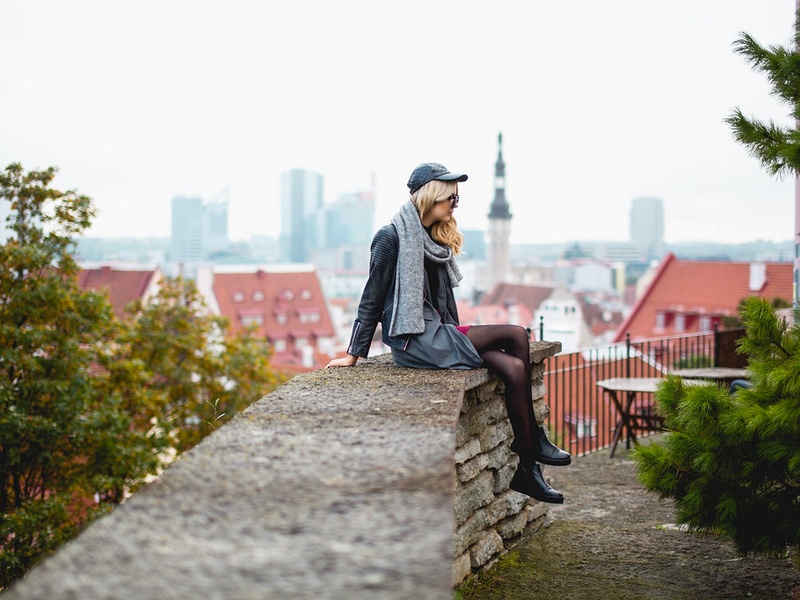
Tallinn Old Town
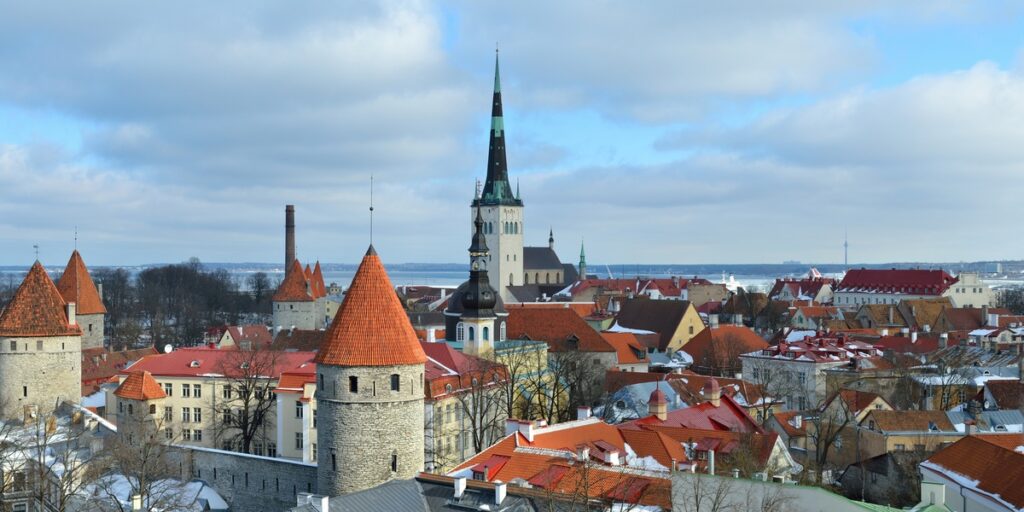
Tallinn Old Town is a well-preserved medieval city center with winding streets, merchant houses, and guild halls. It stands as Estonia’s prime example of Hanseatic urban heritage and explains the country’s medieval trade and urban life.
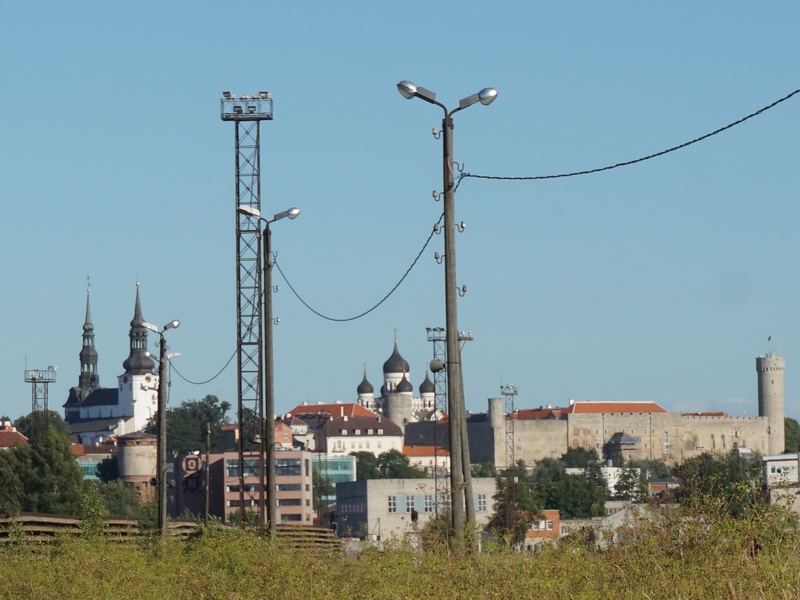
Toompea Castle
Toompea Castle sits on a limestone hill in central Tallinn and houses Estonia’s parliament. It represents centuries of political power and control over the capital from medieval times to the present.
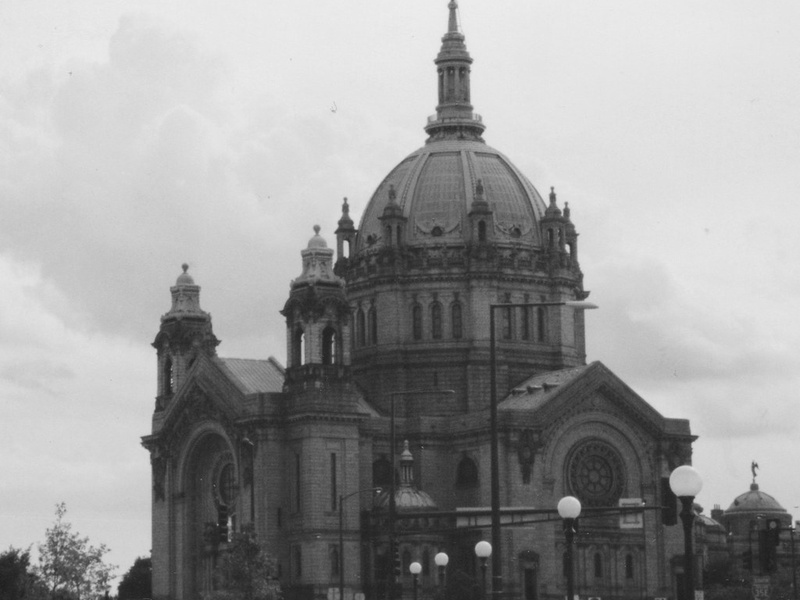
St. Mary’s Cathedral (Dome Church)
St. Mary’s Cathedral on Toompea Hill is a medieval church with noble family graves and Baroque and Gothic features. It shows Estonia’s long church tradition and links to local noble history.
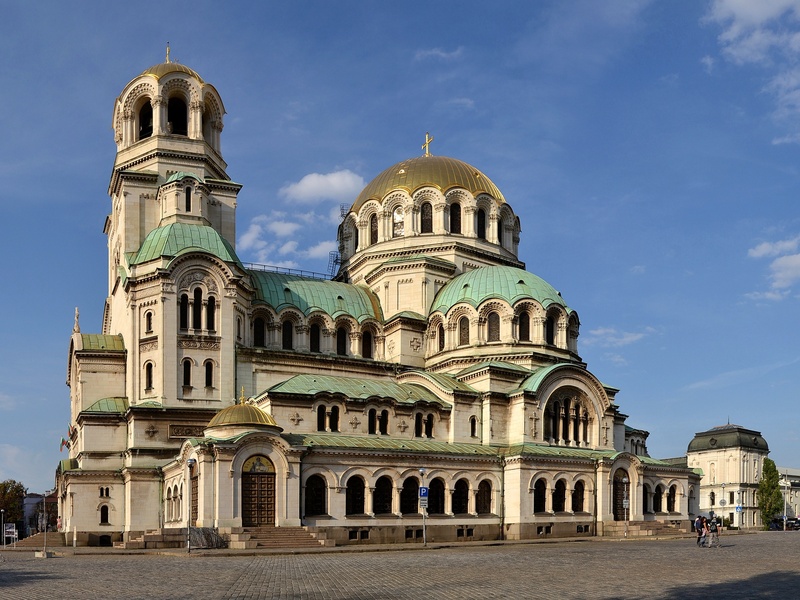
Alexander Nevsky Cathedral
Alexander Nevsky Cathedral is a large Russian Orthodox church built in the late 19th century. It illustrates the Russian imperial era and the Orthodox faith in Estonia’s capital.
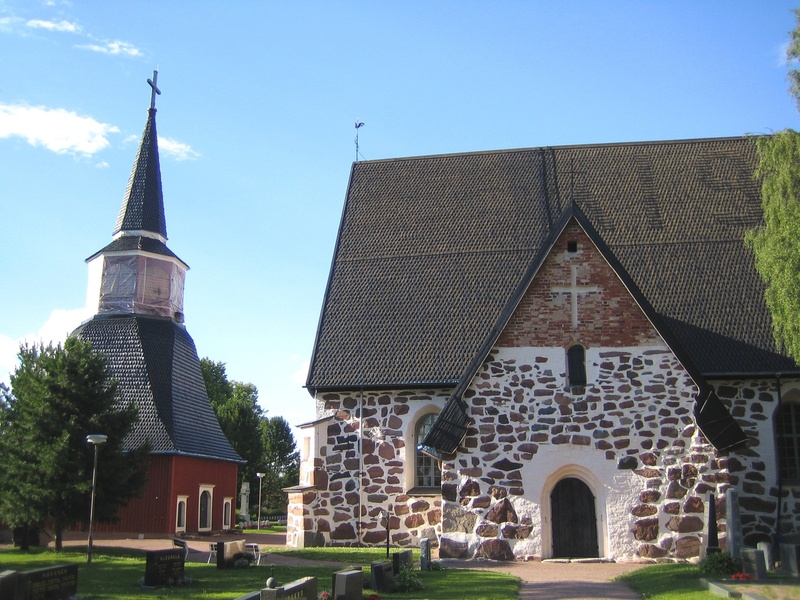
St. Olaf’s Church
St. Olaf’s Church is a tall medieval church once claimed as the world’s tallest building. It serves as a landmark of Tallinn’s medieval skyline and maritime navigation.
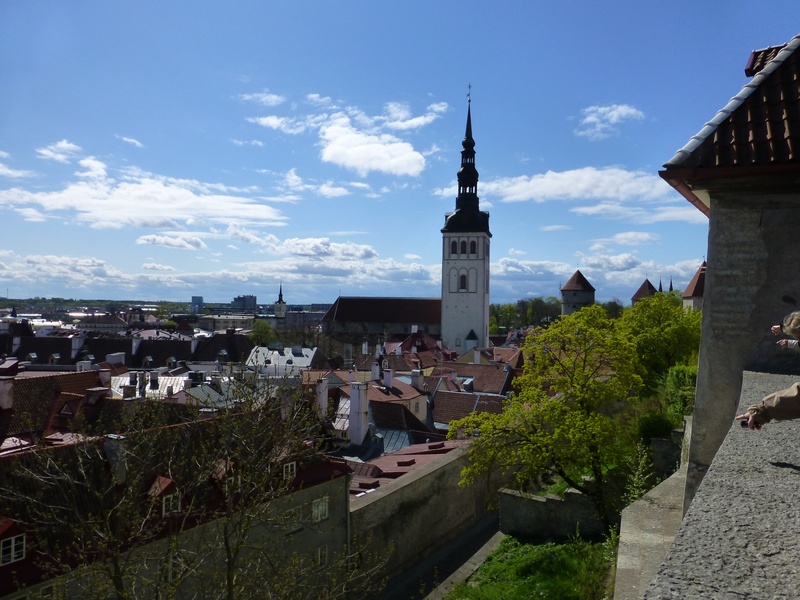
St. Nicholas’ Church (Niguliste)
St. Nicholas’ Church is a medieval parish church known for its art and a restored medieval interior. It highlights Hanseatic-era worship and now hosts concerts and a museum.
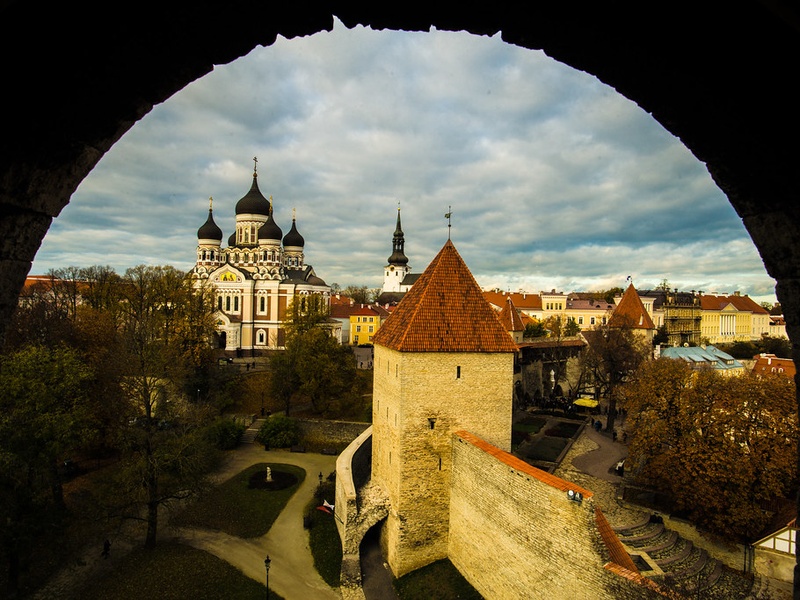
Kiek in de Kök
Kiek in de Kök is a thick artillery tower built in the 15th century as part of Tallinn’s defenses. It offers insight into medieval military architecture and the city’s fortification system.
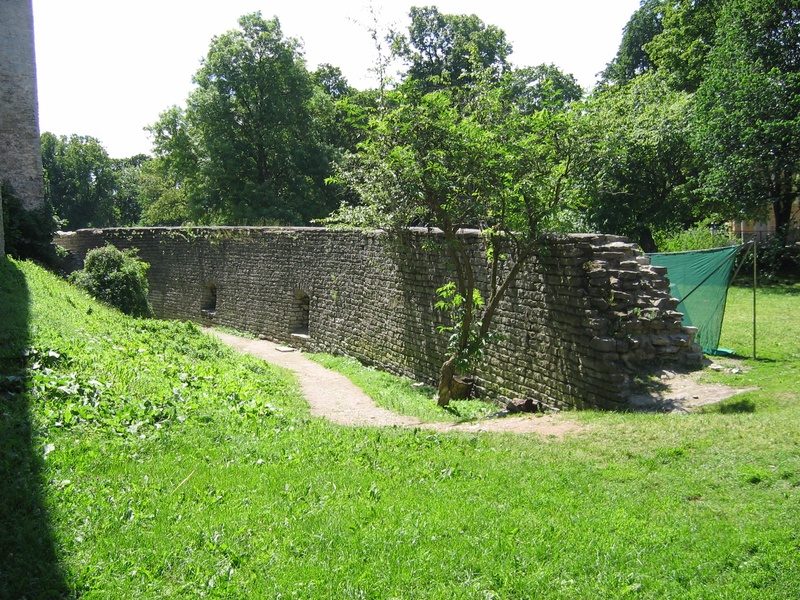
Tallinn City Wall
Tallinn City Wall is a nearly intact medieval fortification with towers and ramparts encircling Old Town. It illustrates urban defense methods and the strength of the Hanseatic city.
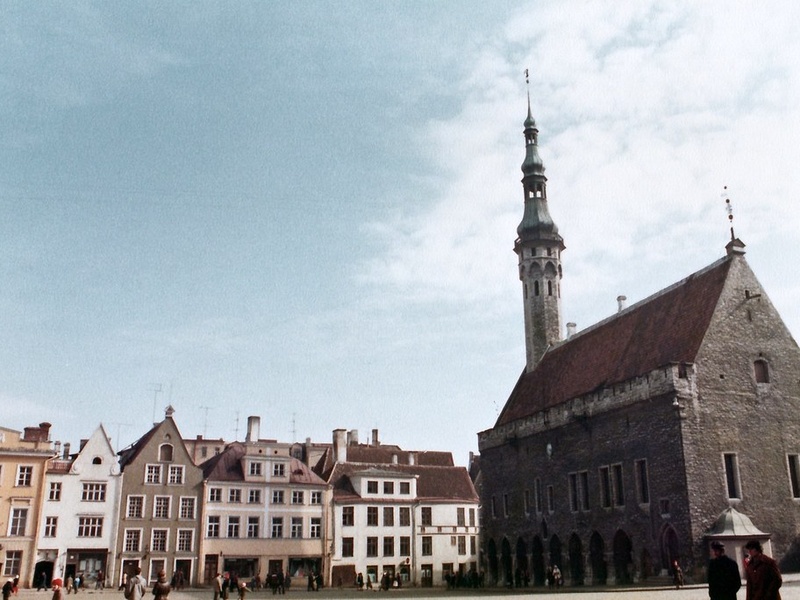
Tallinn Town Hall
Tallinn Town Hall is a Gothic building from the 14th century that stood at the heart of civic life. It represents the city’s self-government and merchant class power in medieval times.
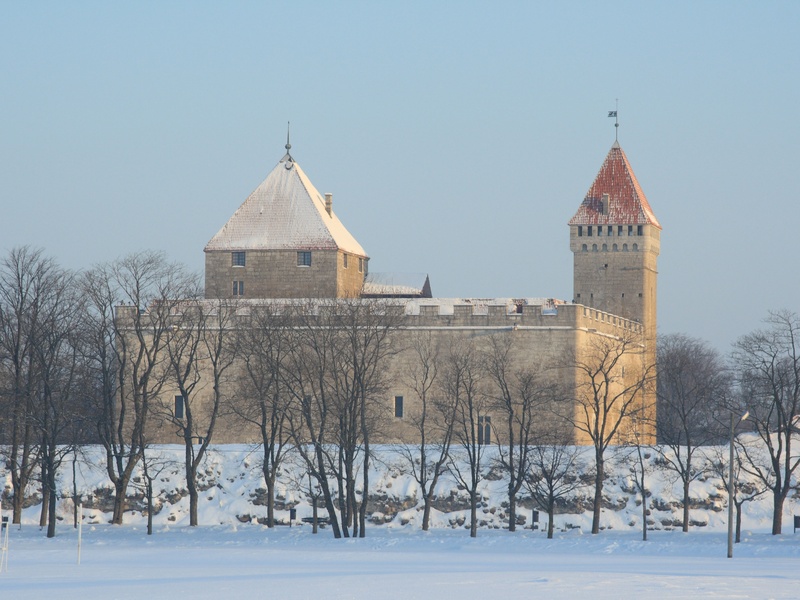
Kuressaare Castle
Kuressaare Castle is a well-preserved episcopal fortress on Saaremaa island that dates to the 14th century. It shows medieval bishopric rule and island defense in the Baltic Sea.
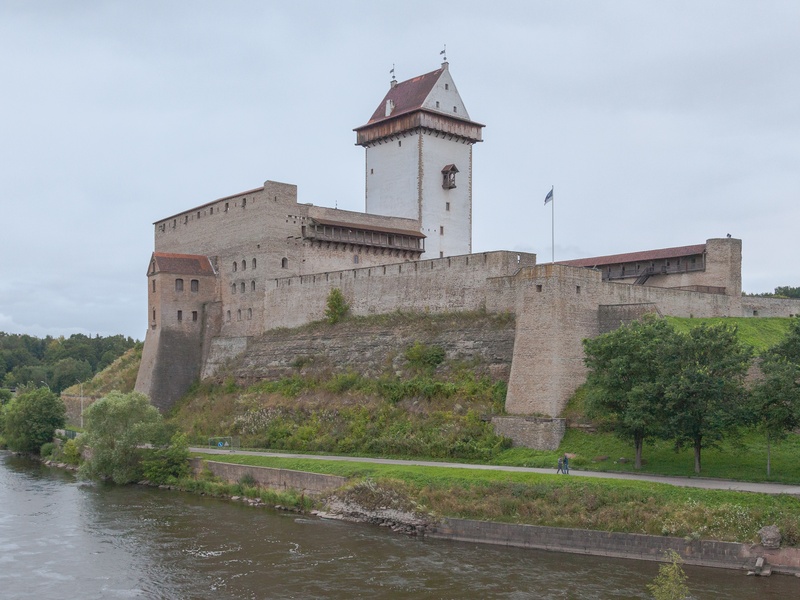
Narva Castle
Narva Castle stands on the border with Russia at the Narva River and retains medieval foundations and later fortifications. It symbolizes borderland conflicts and the strategic importance of eastern Estonia.
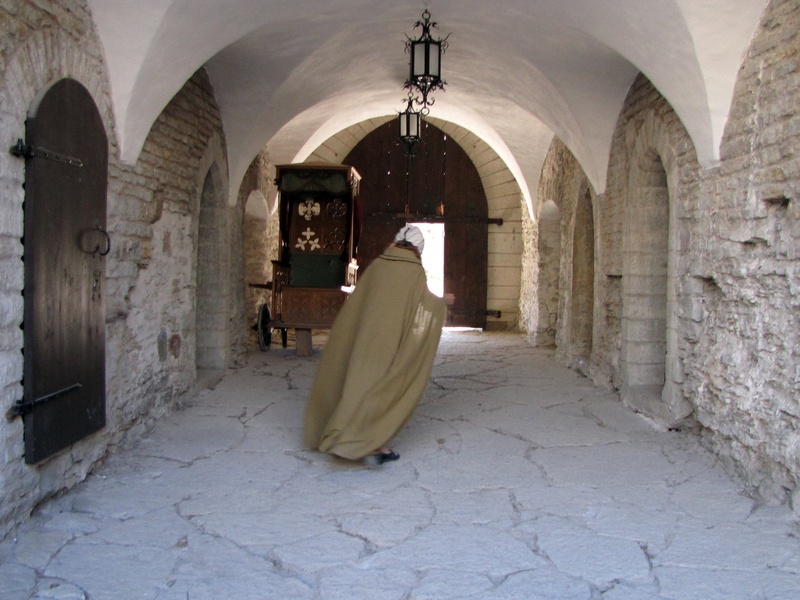
Rakvere Castle
Rakvere Castle is a reconstructed medieval stronghold with visible ruins and interactive exhibits. It demonstrates medieval life, siege warfare, and regional lordship in northern Estonia.
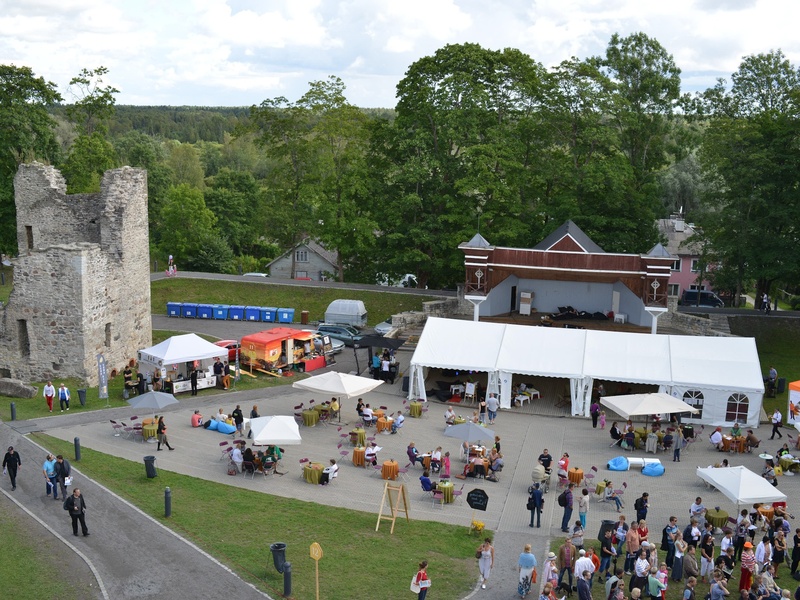
Paide Castle
Paide Castle is a 13th-century keep known for its tall tower and role as a county center. It marks medieval conquest and later administrative control in central Estonia.
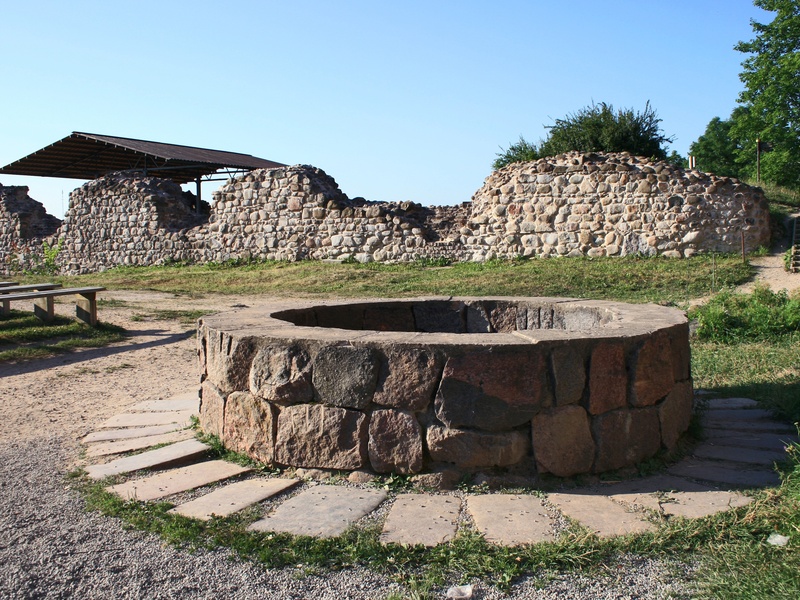
Viljandi Castle ruins
Viljandi Castle ruins sit on a hill above a lake and date to the Livonian Order period. They reveal medieval fortification patterns and the decline of military sites into scenic ruins.
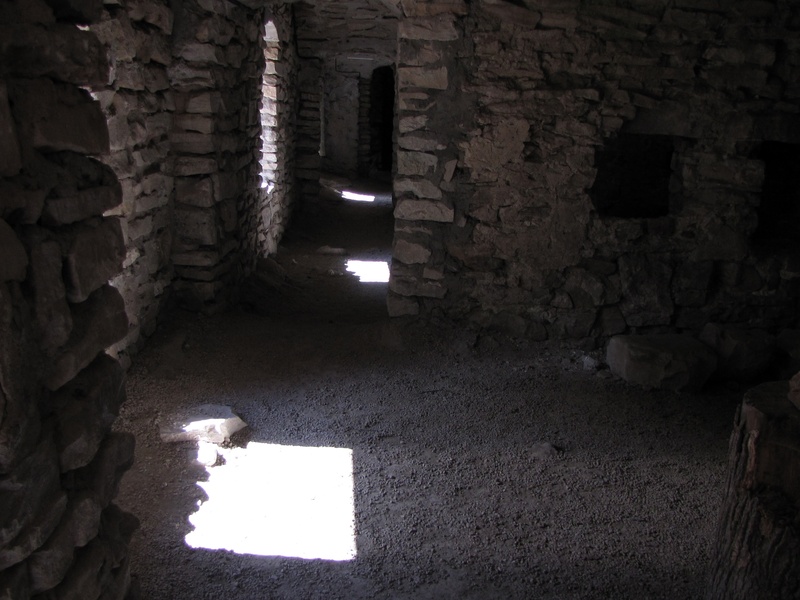
Haapsalu Castle
Haapsalu Castle is a bishop’s castle with a large cathedral and a town moat. It serves as a strong example of ecclesiastical power and coastal defense in western Estonia.
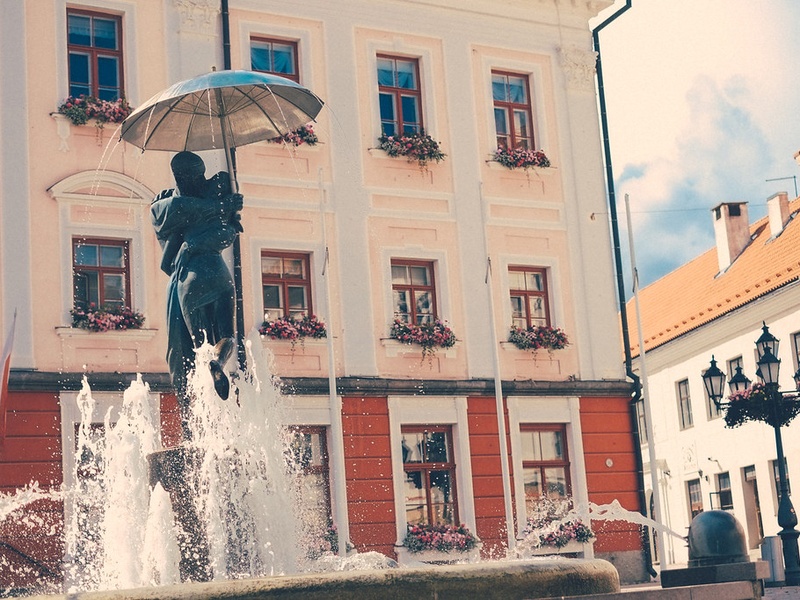
Tartu Old Town
Tartu Old Town is a compact university city center with historic streets and classical buildings. It reflects Estonia’s intellectual life and urban changes from medieval to modern times.
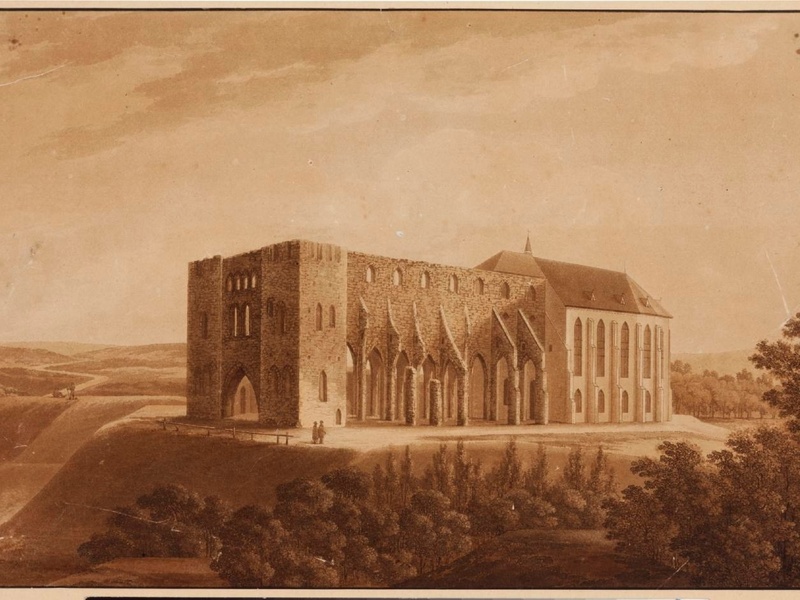
Tartu Cathedral (Toome Hill)
Tartu Cathedral on Toome Hill is a large Gothic ruin that once dominated the city skyline. It shows the medieval church’s role in the city and later cultural reuse of ruins.
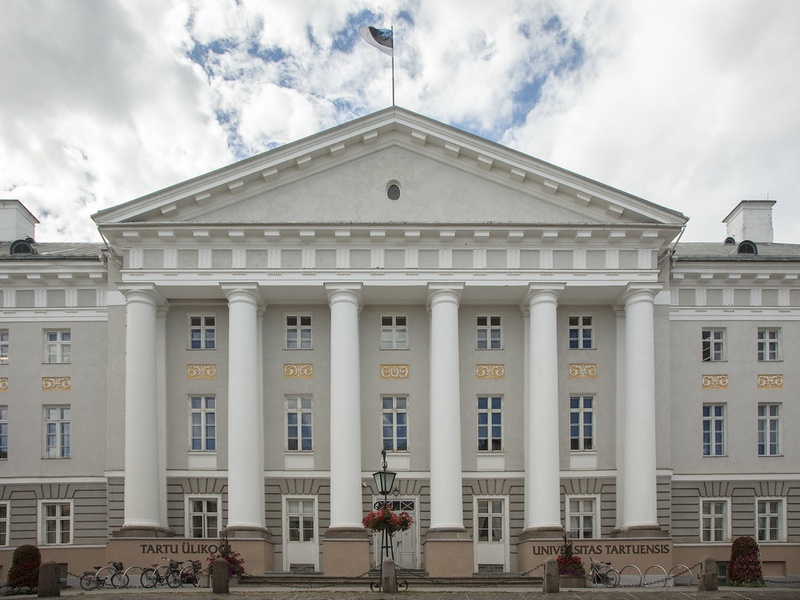
University of Tartu
University of Tartu is Estonia’s oldest university and a center of science and culture since the 17th century. It stands for national education, research, and intellectual revival.

Otepää Stronghold
Otepää Stronghold is an early medieval hill fort site in southern Estonia with earthworks and archaeological layers. It illustrates pre-state defense and early settlement patterns.
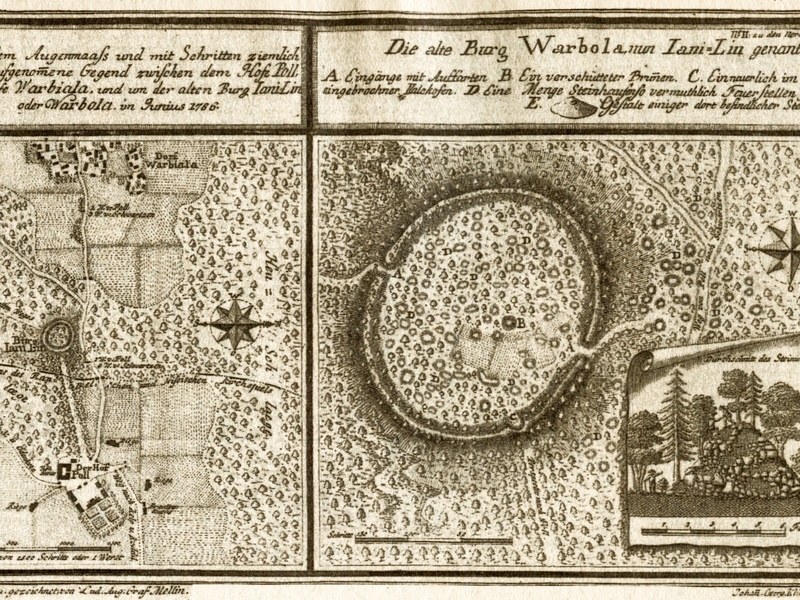
Varbola Stronghold
Varbola Stronghold is a large medieval ring fort that served as a local power center and trade hub. It provides evidence of Estonian fortified settlements before full foreign conquest.
Iru Stronghold
Iru Stronghold is an ancient settlement site with fortified layers from late prehistoric times. It shows early residents’ defensive strategies near the Tallinn area.
Kunda archaeological site
Kunda archaeological site is a Mesolithic and Neolithic location named for ancient bone and stone finds. It documents very early human activity and prehistoric economy in Estonia.
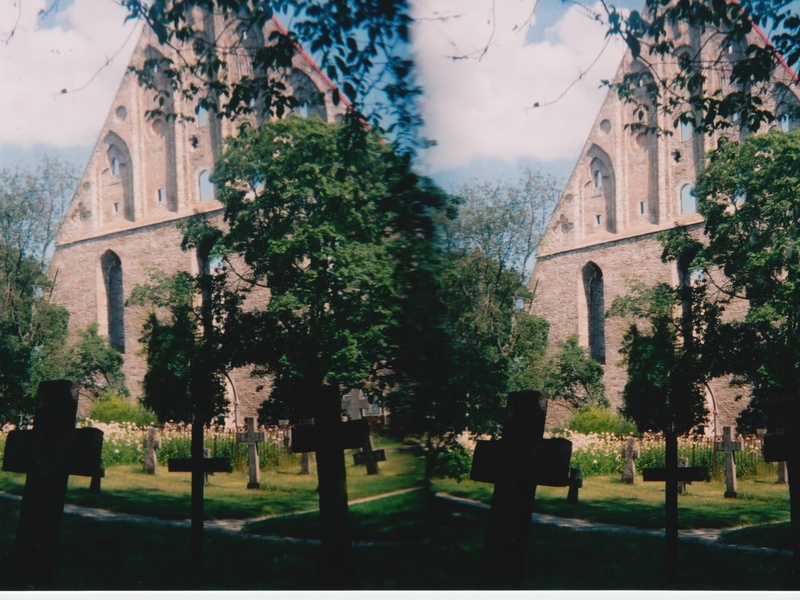
Pirita Convent
Pirita Convent is a 15th-century Dominican monastery ruin near Tallinn that once served clergy and pilgrims. It illustrates medieval monastic life and coastal religious networks.
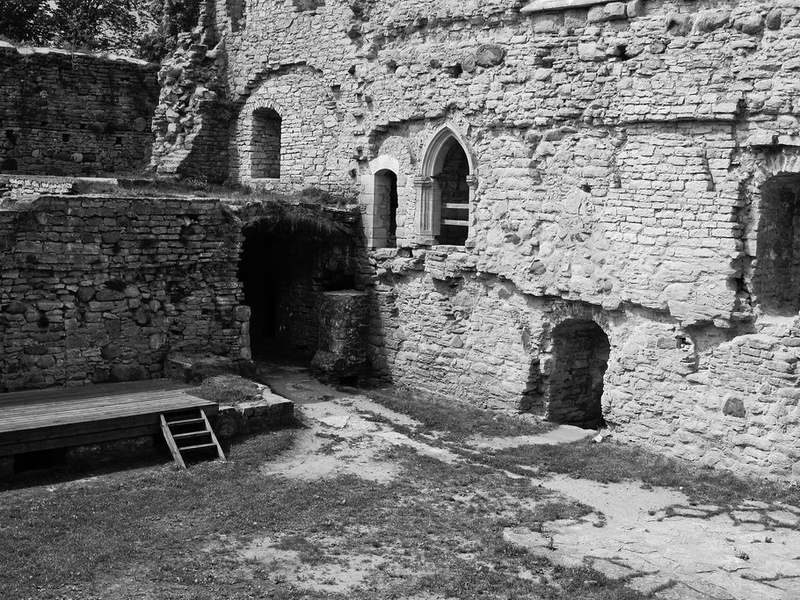
Padise Monastery
Padise Monastery is a large medieval Cistercian complex with Gothic elements and later manorial use. It shows monastic architecture and the changes after the Reformation.
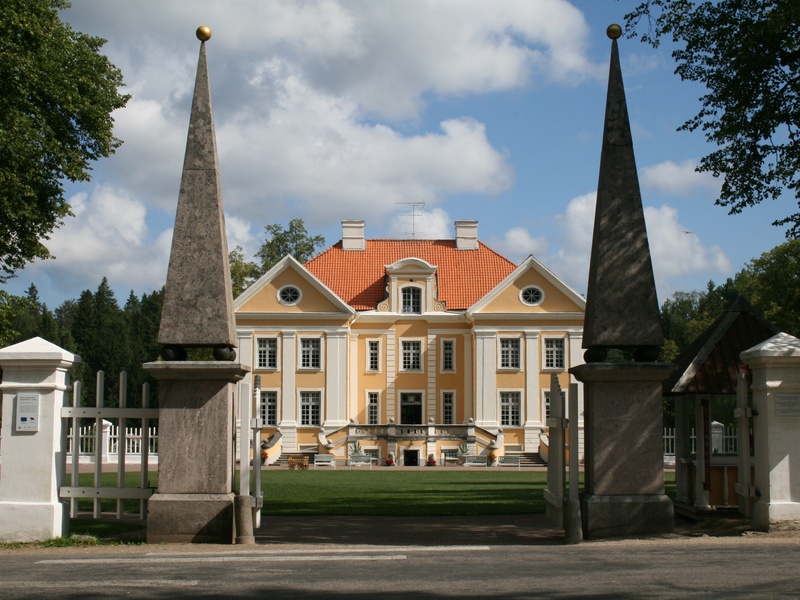
Palmse Manor
Palmse Manor is an 18th-century noble manor in Lahemaa National Park restored to show estate life. It represents manor economy, Baltic German culture, and rural aristocratic history.
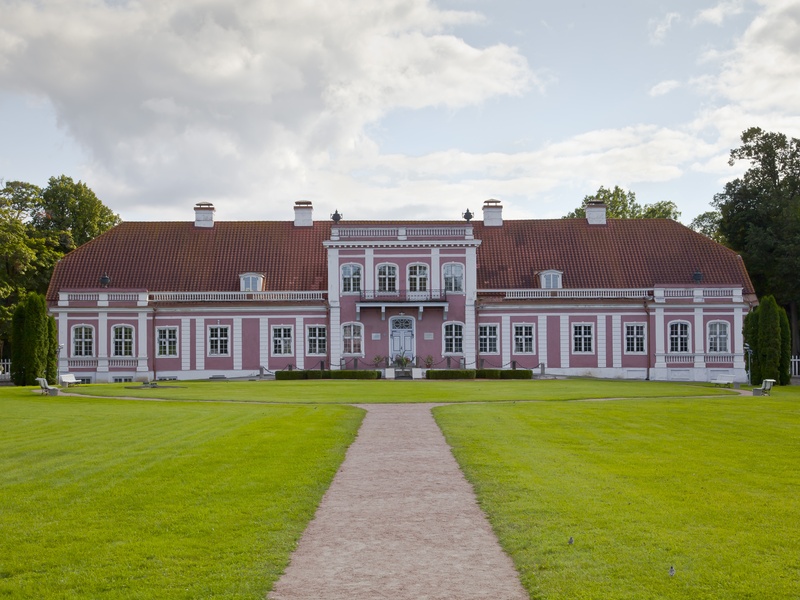
Sagadi Manor
Sagadi Manor is a historic estate turned museum focused on forestry and manor life. It explains rural industry, estate management, and cultural landscapes in northern Estonia.
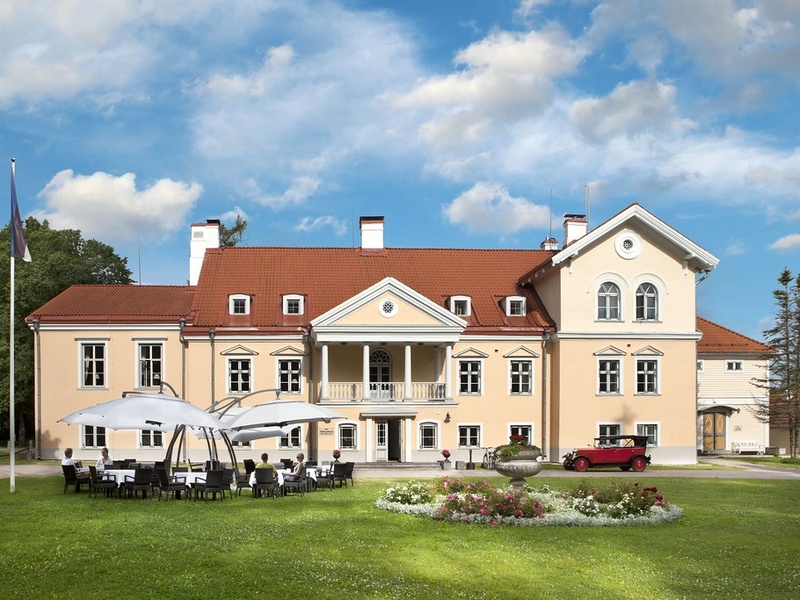
Vihula Manor
Vihula Manor is a restored manor house with parkland, showing manor architecture and estate culture. It helps explain the role of manors in Estonia’s social and economic history.
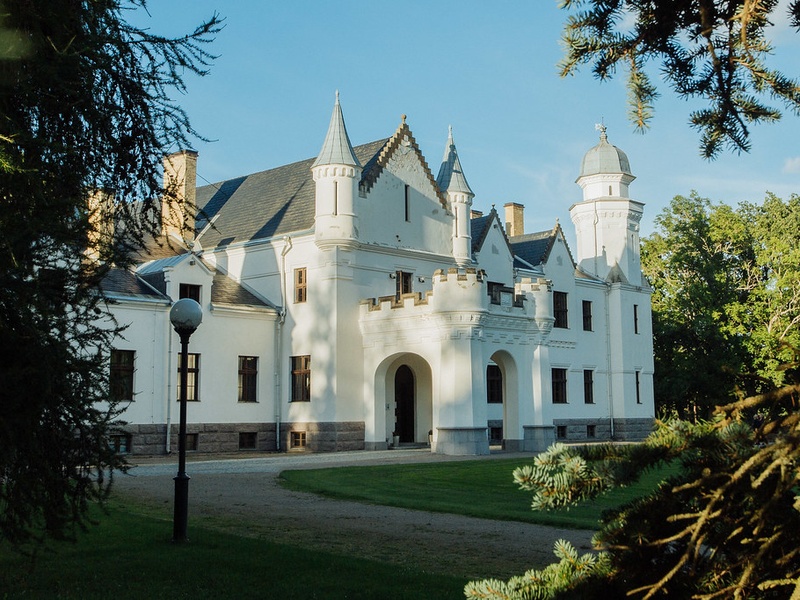
Alatskivi Castle
Alatskivi Castle is a neo-Gothic manor with a romantic style modeled on Scottish castles. It demonstrates 19th-century manor revival and changing tastes among Baltic nobles.
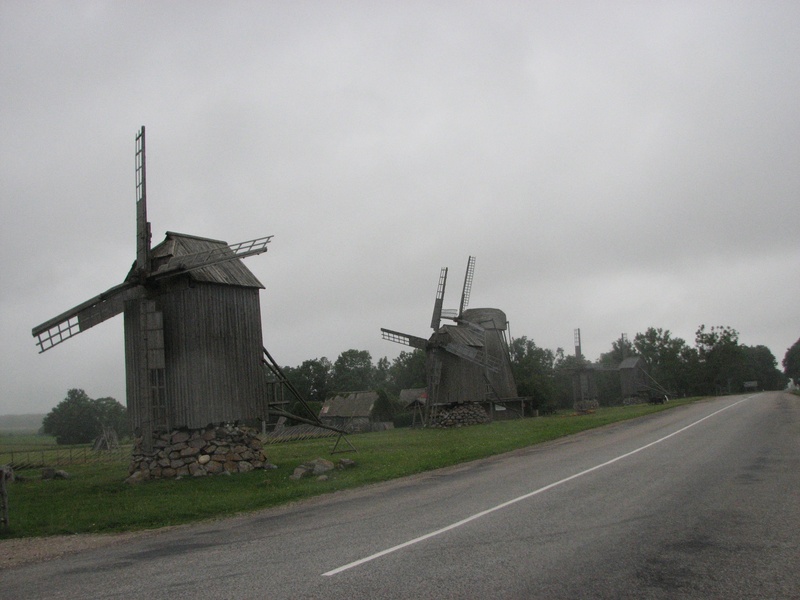
Angla Windmills
Angla Windmills are a group of traditional wooden windmills on Muhu island. They show rural technology, island life, and the preservation of vernacular farm buildings.
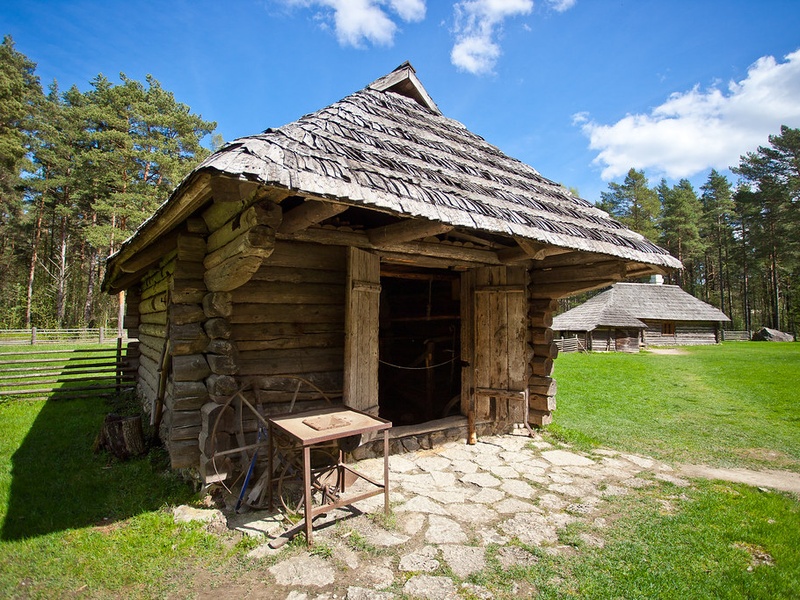
Estonian Open Air Museum
The Estonian Open Air Museum near Tallinn displays historic rural buildings from across the country. It documents peasant life, regional architecture, and traditional crafts.
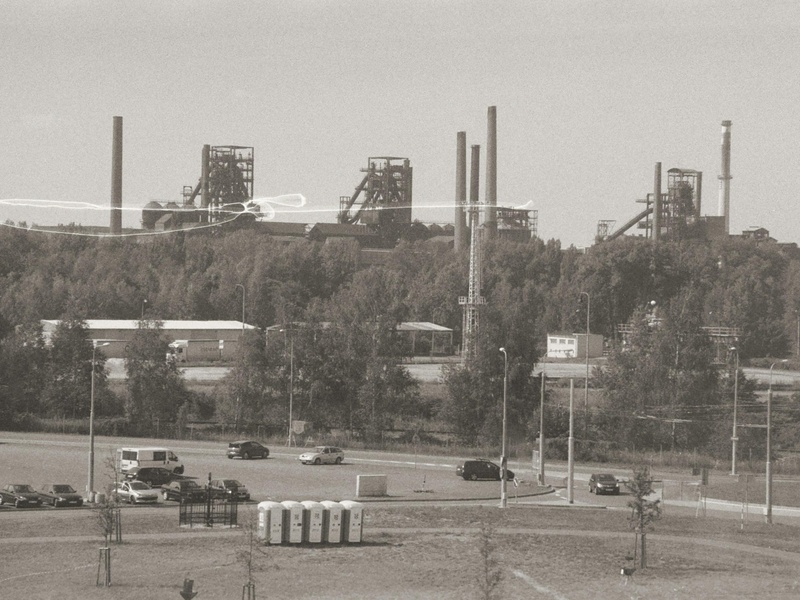
Kreenholm Manufacturing Combine
Kreenholm Manufacturing Combine is a 19th-century textile factory complex in Narva linked to industrial growth. It illustrates industrialization, worker life, and borderland industry.
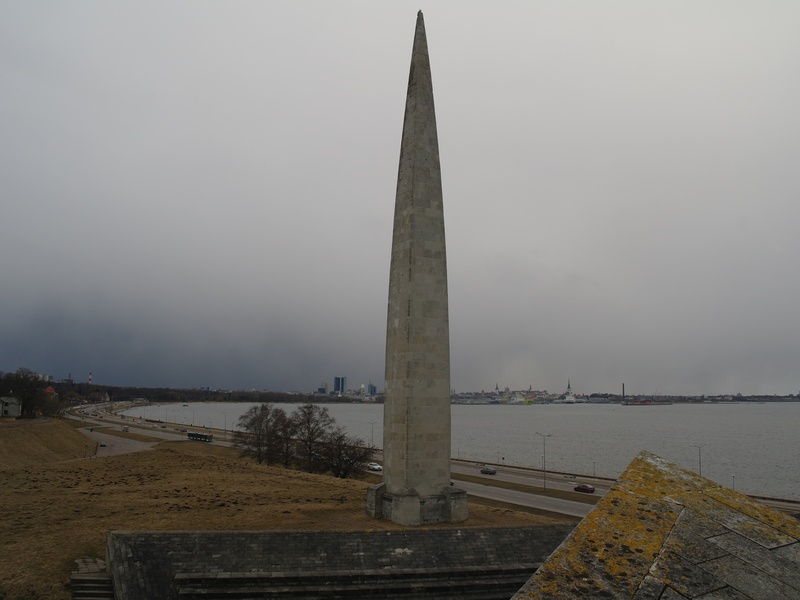
Maarjamäe Memorial
Maarjamäe Memorial is a Soviet-era monument complex on a Tallinn hill with later reinterpretations. It reflects 20th-century memory politics and the island’s layered history.
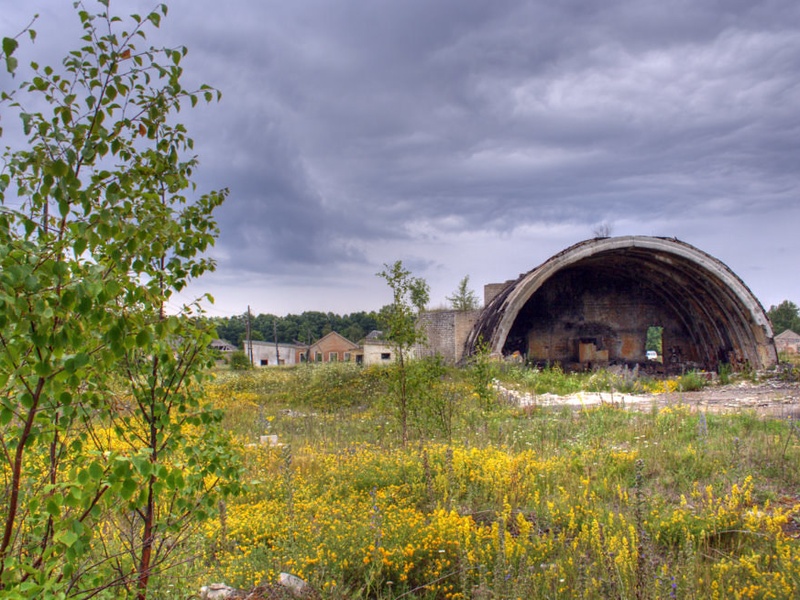
Paldiski Soviet Naval Base
Paldiski Soviet Naval Base consists of Cold War-era concrete bunkers and military ruins on the west coast. It documents Soviet strategic planning and military presence in Estonia.
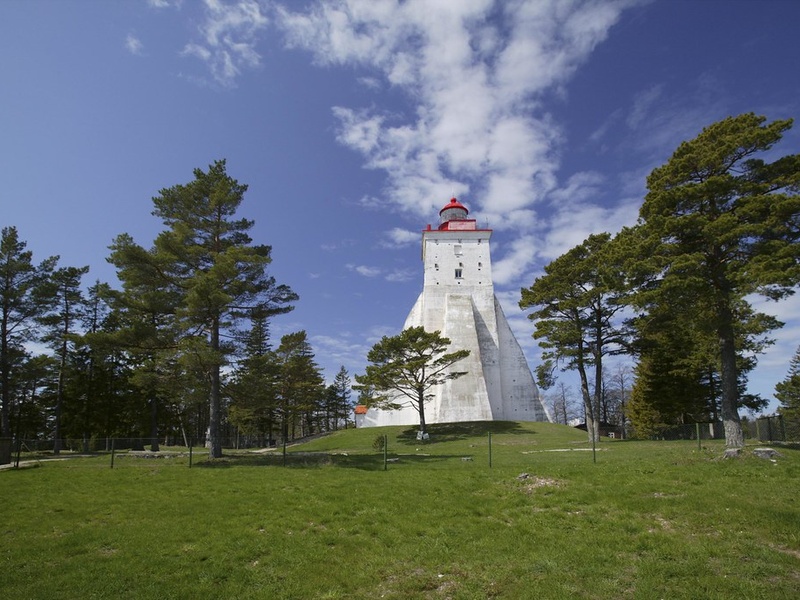
Kõpu Lighthouse
Kõpu Lighthouse on Hiiumaa island is one of the oldest functioning lighthouses in the Baltic Sea. It demonstrates maritime navigation history and island seafaring traditions.
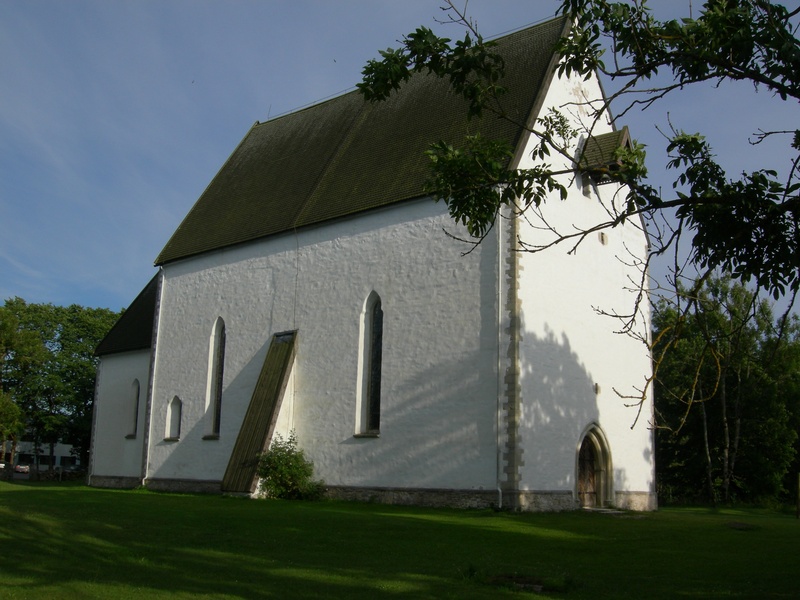
Muhu St. Catherine’s Church
Muhu St. Catherine’s Church is a fortified medieval island church with defensive features and old murals. It shows how churches served both worship and local defense on islands.
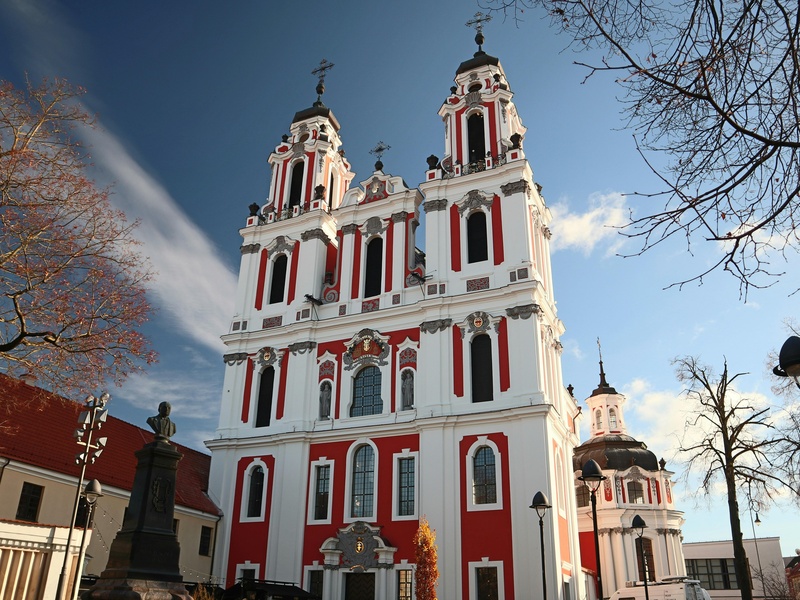
St. John’s Church (Tartu)
St. John’s Church in Tartu is a well-preserved late medieval church with historic murals. It serves as an example of parish life and religious art in the university town.
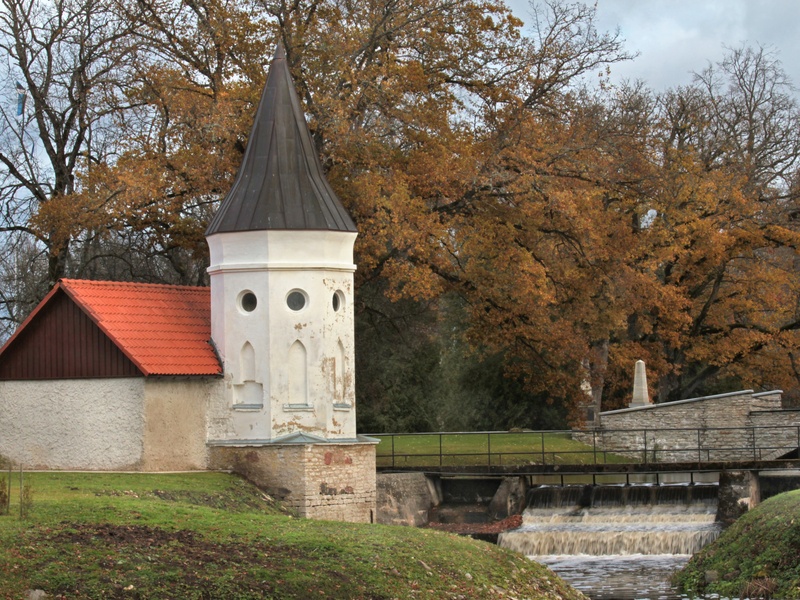
Koluvere Castle
Koluvere Castle is a medieval fortress with later manor alterations located by a river. It displays long-term occupation from medieval defense to noble residence.
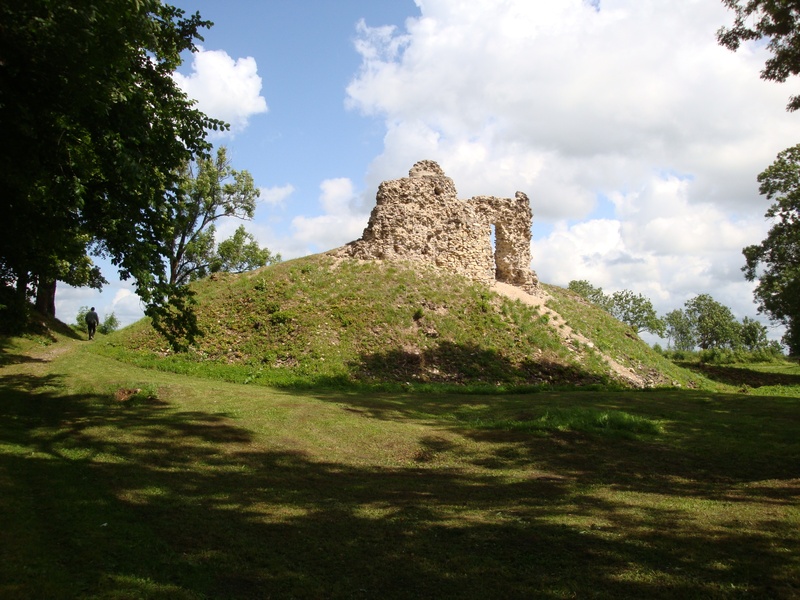
Lihula Castle
Lihula Castle is a castle site with medieval origins and modern memorials that mark regional struggles. It highlights border conflicts and medieval fortification in western Estonia.
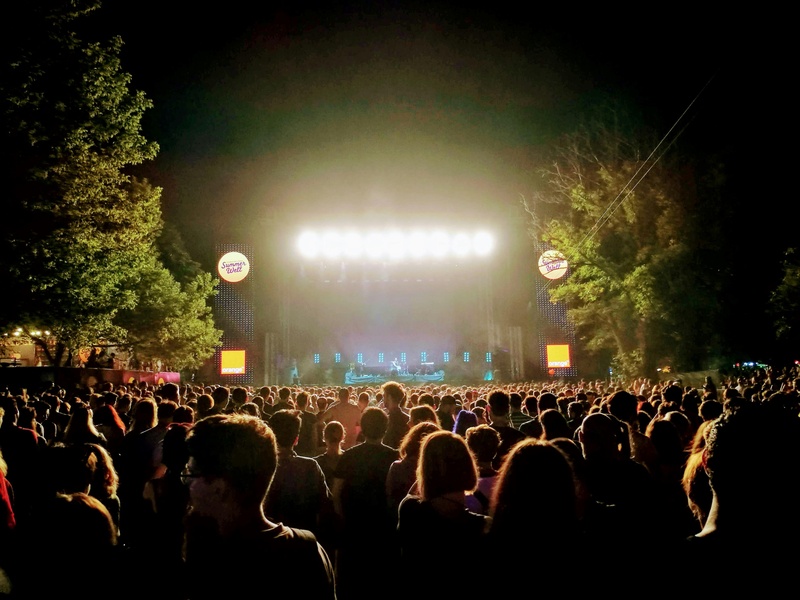
Song Festival Grounds
The Song Festival Grounds in Tallinn host Estonia’s massive choral festivals that shaped national identity. They represent intangible heritage and modern civic traditions tied to independence.
Struve Geodetic Arc point (Tartu)
The Struve Geodetic Arc point near Tartu is part of a 19th-century scientific survey measuring the earth. It represents international scientific cooperation and remains a UNESCO-linked heritage point.
Toila-Oru Park (former Oru Palace)
Toila-Oru Park surrounds the former Oru Palace and contains landscaped gardens and viewpoints. It shows early 20th-century estate taste and the coastal leisure culture of the elite.
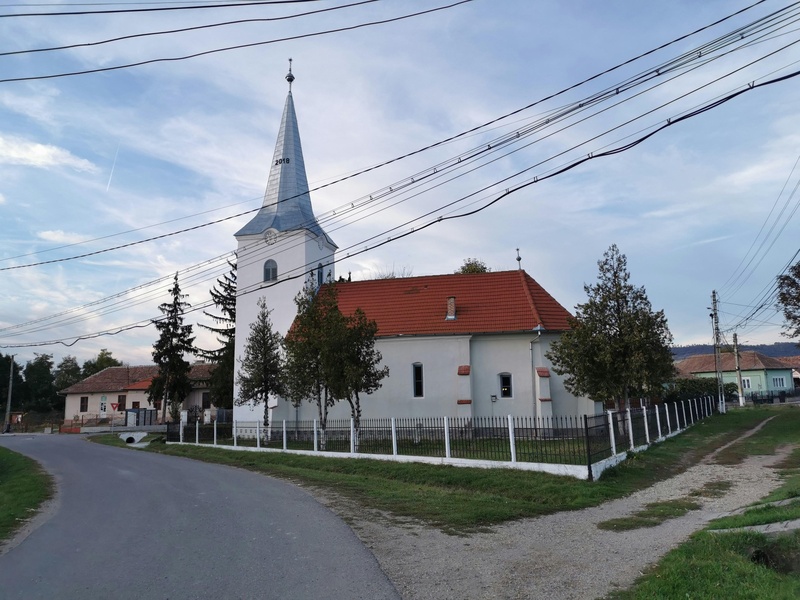
Karja Church
Karja Church on Saaremaa is a small medieval stone church with rich wall sculptures and carved details. It exemplifies island church art and medieval parish architecture.
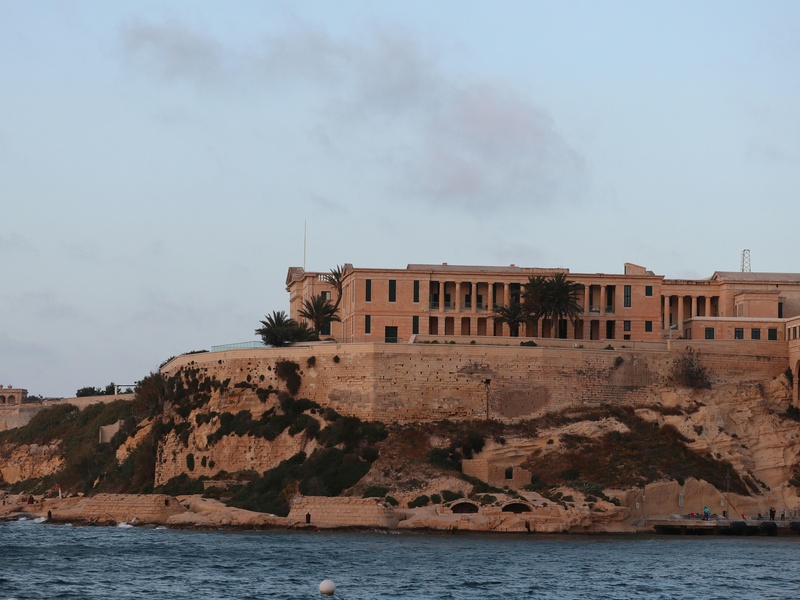
Patarei Prison (Sea Fortress)
Patarei Prison is a 19th-century sea fortress turned prison complex in Tallinn. It records military defense and harsh 20th-century penal history under multiple regimes.
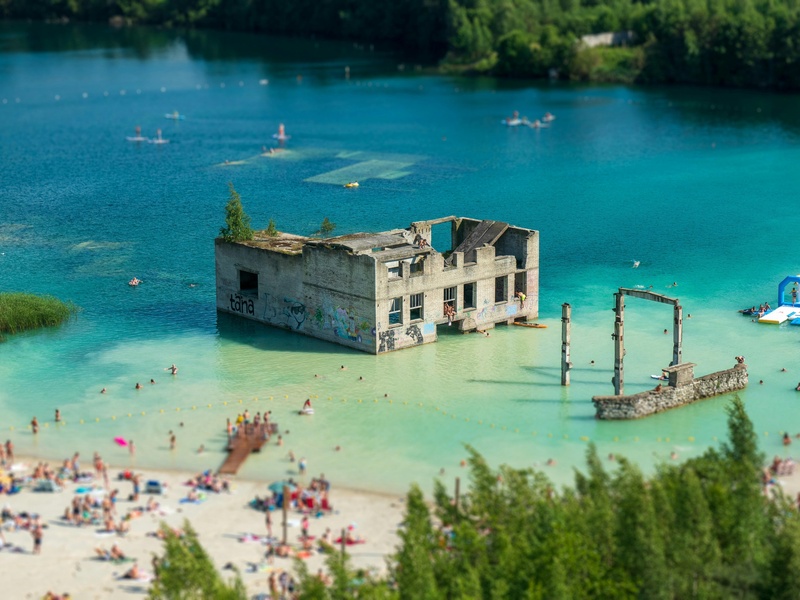
Rummu Quarry and Prison
Rummu Quarry and Prison is an abandoned Soviet-era limestone quarry with flooded basins and submerged structures. It shows forced labor history and rapid landscape change after closure.
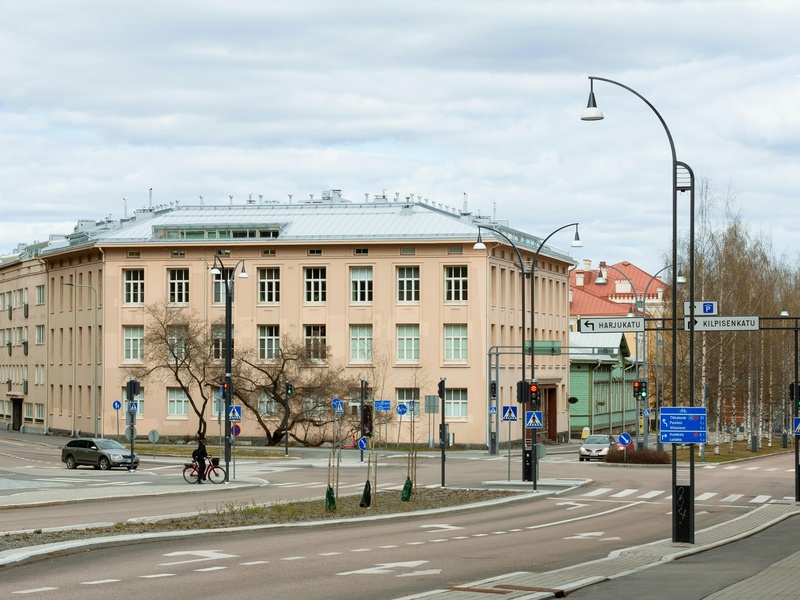
Sillamäe Town Center
Sillamäe Town Center retains Soviet-era architecture linked to nuclear and industrial projects. It illustrates 20th-century planned town building and the region’s industrial past.
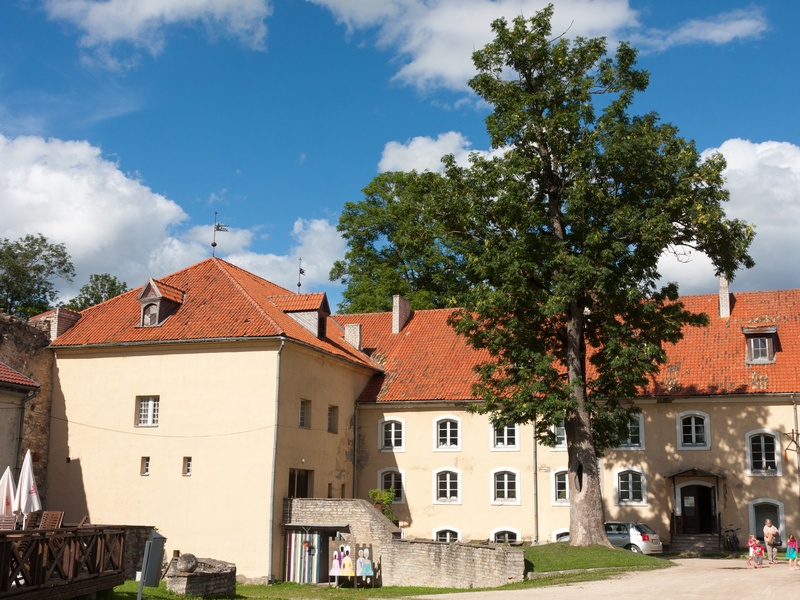
Põltsamaa Castle
Põltsamaa Castle is a medieval castle and later manor site with wine-making traditions around it. It demonstrates layered use from fortress to cultural and agricultural center.
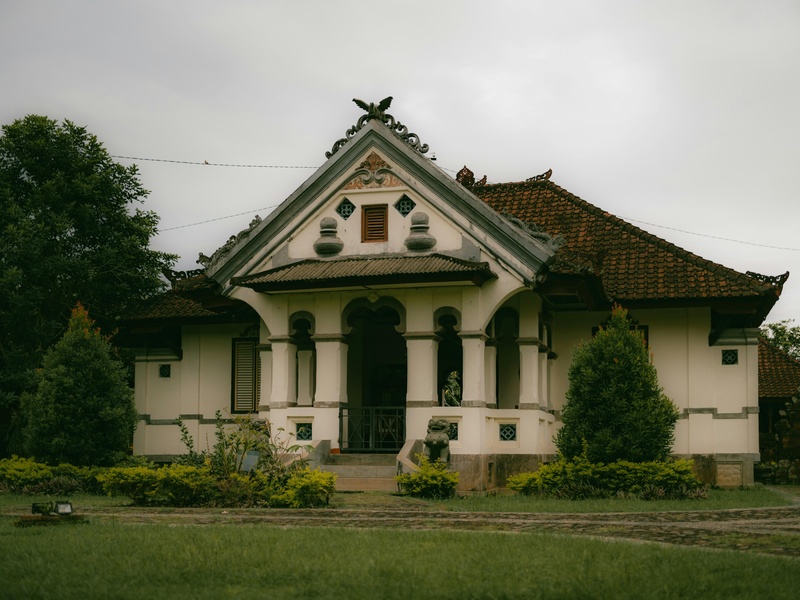
Kuremaa Manor
Kuremaa Manor is a lakeside 19th-century estate with parkland and a notable manor house. It represents manor culture, landscape design, and the leisure side of Estonia’s noble estates.