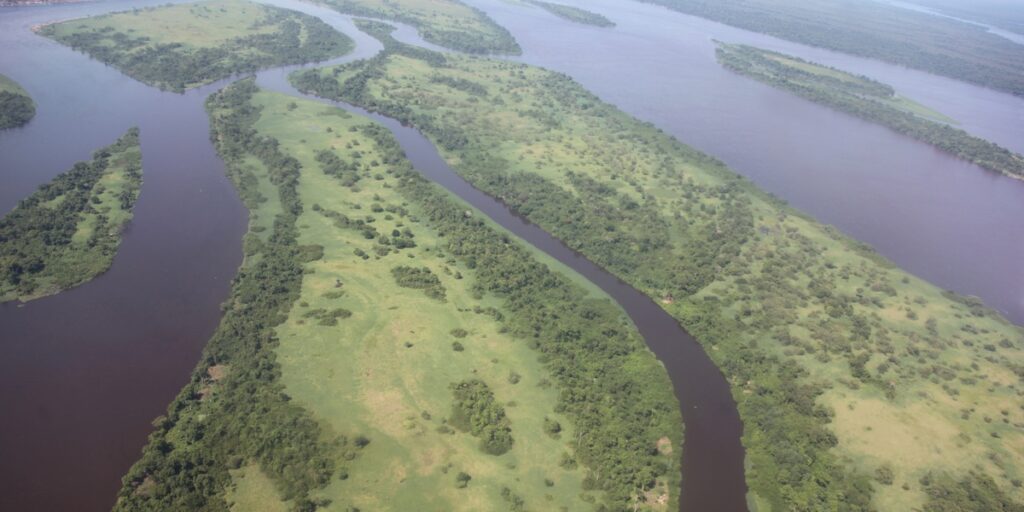
On June 30, 1960, the Belgian Congo gained independence and began a complex, often turbulent, path as the Democratic Republic of the Congo. Stretching across roughly 2.34 million km² and home to the second-largest tropical rainforest on Earth, the country also sits atop some of the world’s richest mineral reserves. The benefits of living in the Democratic Republic of the Congo are easy to miss behind headlines, but for many residents the country’s resources, ecosystems and urban culture deliver concrete advantages.
This piece looks past stereotypes to show ten tangible positives — grouped under economic opportunity, natural environment and biodiversity, culture and community, and practical living plus future potential — that make life here rewarding for millions. Specific examples and numbers appear throughout: from Tenke Fungurume’s supplier networks to Virunga National Park’s conservation jobs and Kasumbalesa’s cross-border trade. Read on with an open mind; the picture is complicated, but full of real opportunity.
Economic opportunities and resource wealth
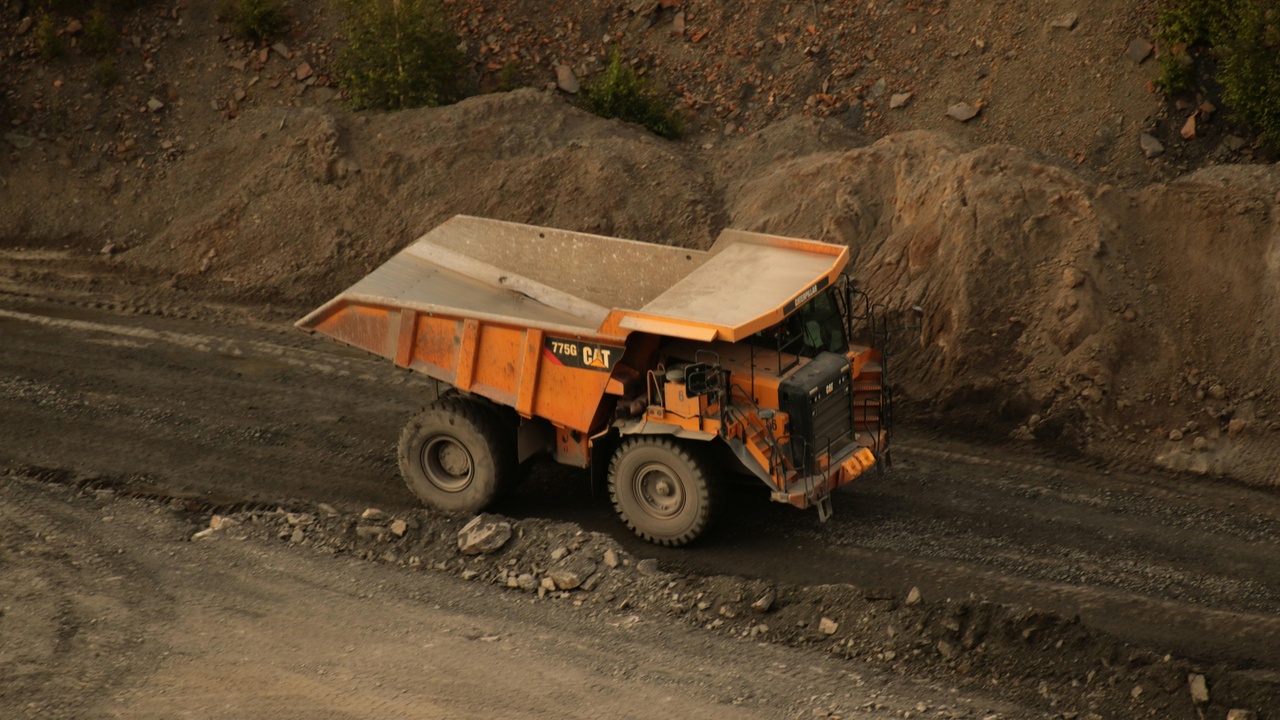
The DRC’s mineral endowment, fertile agricultural zones and strategic geography create multiple pathways to income for locals. Large-scale mines, artisanal sites, agribusiness and transit corridors all feed local economies, supporting jobs directly and through supply chains. While governance and security challenges remain, residents consistently find work in extraction-linked services, farming, and cross-border trade.
1. Job creation from mining and natural-resource industries
Mining and related industries are major employers in both cities and countryside. The DRC supplies roughly 70% of global cobalt, and copper-cobalt complexes like Tenke Fungurume support thousands of direct jobs plus scores of local contractors for transport, equipment maintenance and catering.
Beyond formal operations, regulated artisanal mining near hubs such as Kolwezi provides livelihoods for many who lack formal-sector options. Downstream demand sparks secondary businesses — truckers, welders, spare-parts sellers, restaurants and lodgings — creating a ripple of employment that reaches towns and villages across mining provinces.
2. Agricultural potential and food economies
Large tracts of arable land and diverse agro-ecological zones sustain millions of smallholder farms and vibrant local markets. Staple crops include cassava, maize, plantain and palm products; cassava is especially pervasive in household diets and local trade.
Many areas remain undercultivated, leaving room for growth in processing and value addition. Small cassava-processing cooperatives, for example, turn tubers into flour and starch for urban bakeries and informal food sellers. Private investors are also active in palm oil and specialty coffee in eastern provinces, creating seasonal work and buyer networks for farmers.
3. Cross-border trade and strategic location
Bordering nine countries, the DRC sits at the center of several regional corridors that benefit traders, transport workers and logistics firms. The Kasumbalesa crossing on the Zambia frontier is a major artery for copper and other minerals, moving tens of thousands of tonnes of freight monthly during peak periods.
Ports such as Matadi handle essential imports and exports, and inland river routes connect inland producers to coastal markets. Residents along these corridors supply food, vehicle services, warehousing and cross-border retail — small but steady sources of household income.
Natural environment and biodiversity
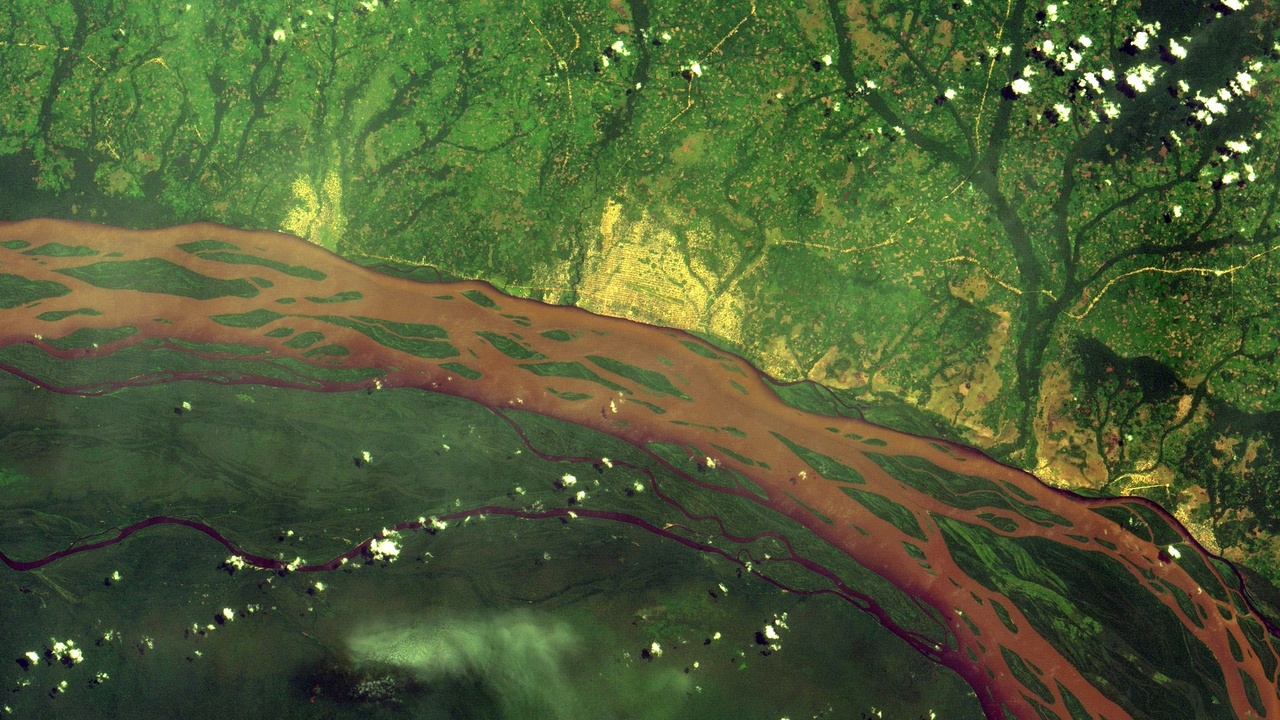
The DRC’s environmental riches — vast rainforests, the Congo River system and unique wildlife — supply food, fuel, transport and tourism jobs. About 1.5–1.7 million km² of the country is rainforest, forming the largest share of the Congo Basin and delivering ecosystem services that matter locally and globally.
4. Access to vast forests and ecosystem services
Forests provide non-timber products, medicinal plants, fuelwood and wild foods that households rely on. Many communities harvest fruits, honey and medicinal bark for household use and local sale, supporting diets and incomes year-round.
Community forestry projects and NGO-backed programs have begun to pay villagers for conservation actions, creating alternative livelihoods to logging. The forest’s role in carbon storage also places the DRC at the center of emerging carbon-finance initiatives that can transfer funds to local forest stewards.
5. Freshwater resources and the Congo River
The Congo River basin supplies massive freshwater resources and inland transport routes. The river system ranks second globally by discharge, and its waterways link Kinshasa and many upriver towns, cutting transport costs compared with overland alternatives.
Local fisheries are a critical protein source and a livelihood for riverine communities, while the river’s hydropower potential — exemplified by the longstanding Inga concept — offers prospects for large-scale electrification and local construction jobs as projects advance.
6. Wildlife and ecotourism opportunities
Endemic species such as the okapi, forest elephants and mountain gorillas attract conservation attention and visiting tourists. Virunga National Park, established in 1925, is a notable example: gorilla trekking, guided safaris and park ranger programs provide wage income and community-linked tourism projects.
Smaller community-run camps and guide cooperatives around Kahuzi-Biega and other reserves also create hospitality and transport jobs. When managed with local participation, ecotourism spreads benefits to villages that host visitors and steward habitats.
Culture, community, and quality of life
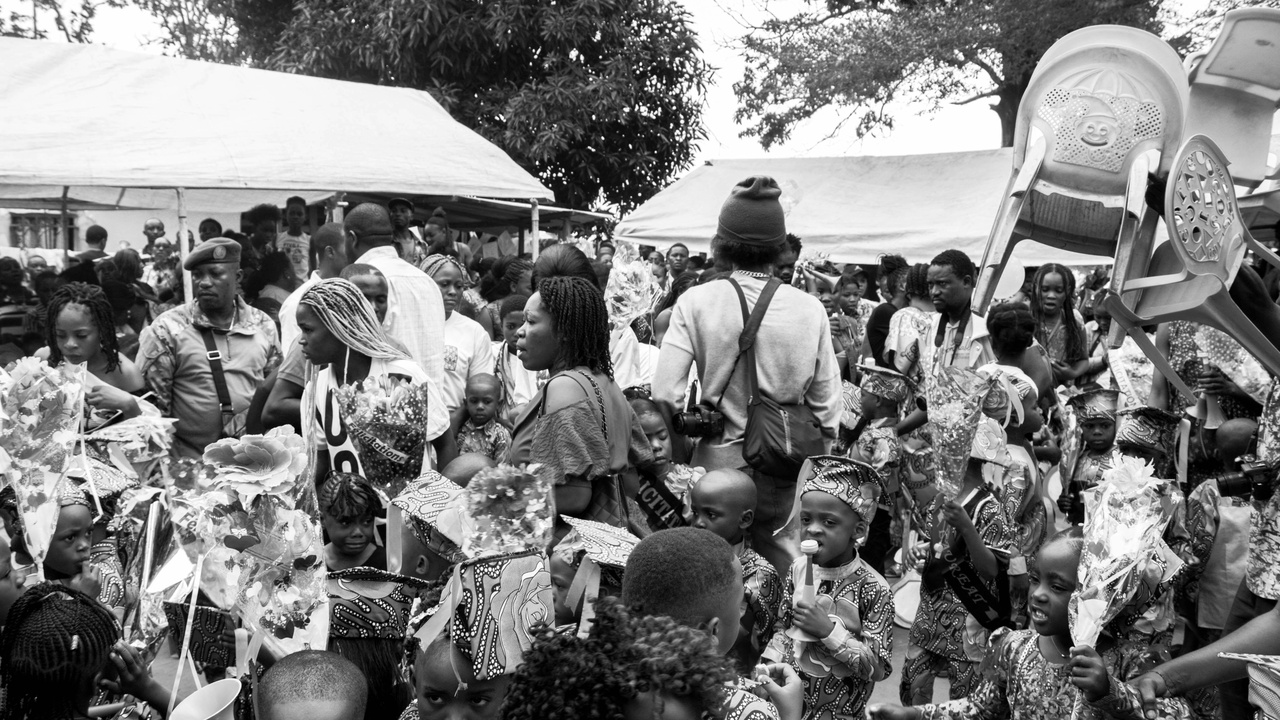
Lively social networks, internationally influential music and dynamic urban scenes give life in the DRC a distinct character. Kinshasa alone is home to roughly 12–15 million people, and its music, markets and neighborhoods shape daily life and livelihoods for millions more across the country.
7. Rich musical and artistic traditions
Congolese rumba and soukous have influenced African music worldwide, and artists from Kinshasa — from Franco and Papa Wemba to contemporary acts like Fally Ipupa — have created thriving creative economies. Musicians, instrument makers, sound technicians and venue owners all earn incomes tied to cultural production.
Street performers, local concert venues and informal music schools also feed small businesses: food vendors, taxi drivers and cloth sellers. Cultural events strengthen identity and draw regional audiences, creating revenue streams that sustain urban neighborhoods.
8. Strong community networks and daily resilience
Extended-family ties, rotating savings groups and neighborhood cooperatives form robust informal safety nets that smooth shocks and spread risk. Tontines and market cooperatives offer credit alternatives for small traders and artisans who lack formal banking access.
Church groups, mission-supported clinics and community associations provide child care, skills training and mutual aid. These networks make day-to-day life more manageable, especially where formal services are limited, and they foster resilience that outsiders often underestimate.
Practical living advantages and future potential
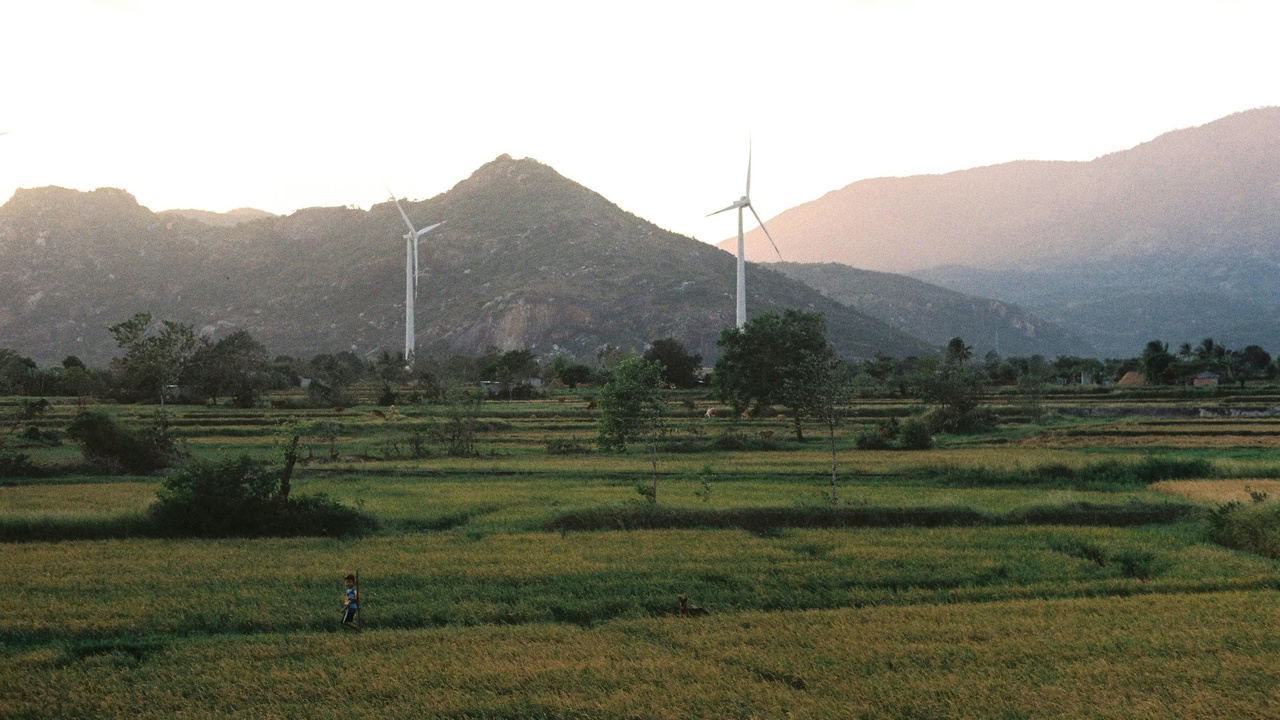
Everyday life in many Congolese towns is shaped by affordable markets, a young workforce and growing interest in renewable energy and startups. These practical advantages make it possible for households to experiment with small businesses and for young people to create new services.
9. Affordable living and accessible markets for daily needs
Outside the biggest capitals, housing and food costs tend to be lower than in major Western cities, allowing families to save and entrepreneurs to test ideas with limited capital. Neighborhood markets in places like Lubumbashi and Kisangani supply fresh produce and staples at local prices.
Affordable rentals in secondary cities and the availability of street-level retail space mean small shops, repair stalls and food kiosks can start with modest investment — a pathway into steady household income for many.
10. Young population, innovation, and renewable-energy potential
The DRC has a very young population — a median age around 17 years and a large share under 25 — which fuels entrepreneurial energy and a growing pool of tech-savvy workers. Youth-run hubs and NGO incubator programs in Kinshasa and Lubumbashi nurture startups tackling local problems.
Electricity access remains limited, with national electrification rates under 20% in many estimates, but that gap creates demand for small-scale solar suppliers and microgrid pilots. Meanwhile, large-scale hydropower concepts such as Inga hold long-term promise. For locals, that means jobs now in solar sales and installation and potential future employment in larger infrastructure projects.
Summary
- Resource-driven jobs from mining and agribusiness support both formal employment and wide-ranging informal livelihoods (see Tenke Fungurume and Kolwezi).
- Vast forests and the Congo River provide food, transport, climate benefits and ecotourism opportunities anchored by parks like Virunga.
- Vibrant culture and tight-knit community networks — from Kinshasa’s music scene to market cooperatives — make daily life socially rich and resilient.
- Lower living costs in many towns, a youthful population (median age ~17), and growing solar and hydropower projects point to practical advantages and future growth.
- Concrete anchors: Tenke Fungurume, Kasumbalesa trade routes and Virunga illustrate how natural wealth, strategic location and conservation can translate into livelihoods — opportunities worth exploring responsibly.