In 1904, the St. Louis World’s Fair drew millions and put Missouri on the map as a hub for culture, commerce and westward expansion. That moment helped shape a state that still mixes Midwestern sensibility with big‑city institutions and wide open public lands.
If you’re deciding where to live, practical questions tend to win: How far will your paycheck go? Are there jobs that match your skills? Can you handle the weather? This piece lists five clear pros and five clear cons so you can weigh trade-offs and decide if Missouri fits your life.
The state had 6,154,913 residents in the 2020 U.S. Census, which puts Missouri roughly in the middle among U.S. states by population. Below you’ll find grouped pros and cons under thematic headings — economic and practical advantages, lifestyle and outdoor perks, weather risks, and infrastructure or policy limitations — with specific examples and data to help guide a move.
Economic and Practical Advantages

Practical economics often decide whether a move makes sense. Missouri combines lower everyday costs with sizable regional employers and housing choices that often let households buy more space for their money.
1. Lower cost of living
Missouri’s cost-of-living index generally runs below the U.S. average, so groceries, utilities and housing usually cost less than in many coastal metros. That difference shows up in monthly budgets for renters and homeowners alike.
For example, a two-income family renting a three-bedroom in Springfield or Columbia can often expect lower rent and utility bills than a similar household in a larger coastal city. Using a current cost-of-living index (check the Bureau of Economic Analysis or other COL calculators) will give exact percent differences, but many Missouri midsize cities routinely post savings of 10–25% versus national averages.
2. Job market with notable regional employers
Missouri hosts large employers and industry clusters in health care, manufacturing, logistics and agri-business. Those clusters create openings for a wide range of experience levels, from entry positions to specialized roles.
Names to know include Anheuser‑Busch in St. Louis, major health systems like Mercy and SSM Health, and the health‑IT presence around Kansas City (historically Cerner and related firms). The University of Missouri system also feeds local research and hiring pipelines in Columbia and across the state.
Job hunters should watch regional career fairs, hospital and university postings, and logistics/manufacturing announcements; networking in hubs such as St. Louis and Kansas City often yields the best results.
3. More affordable housing options
Housing in many parts of Missouri is substantially more affordable than in coastal metros, letting buyers get more square footage or larger lots for the same price. Use Zillow or the U.S. Census for current median home prices in cities you’re considering.
Secondary cities such as Springfield or Joplin commonly offer lower median sales prices than national medians, while suburbs around St. Louis and Kansas City provide commuter‑friendly neighborhoods with family‑oriented amenities. Remember to check property tax rates and school district performance when comparing true affordability.
Lifestyle, Community and Outdoor Perks
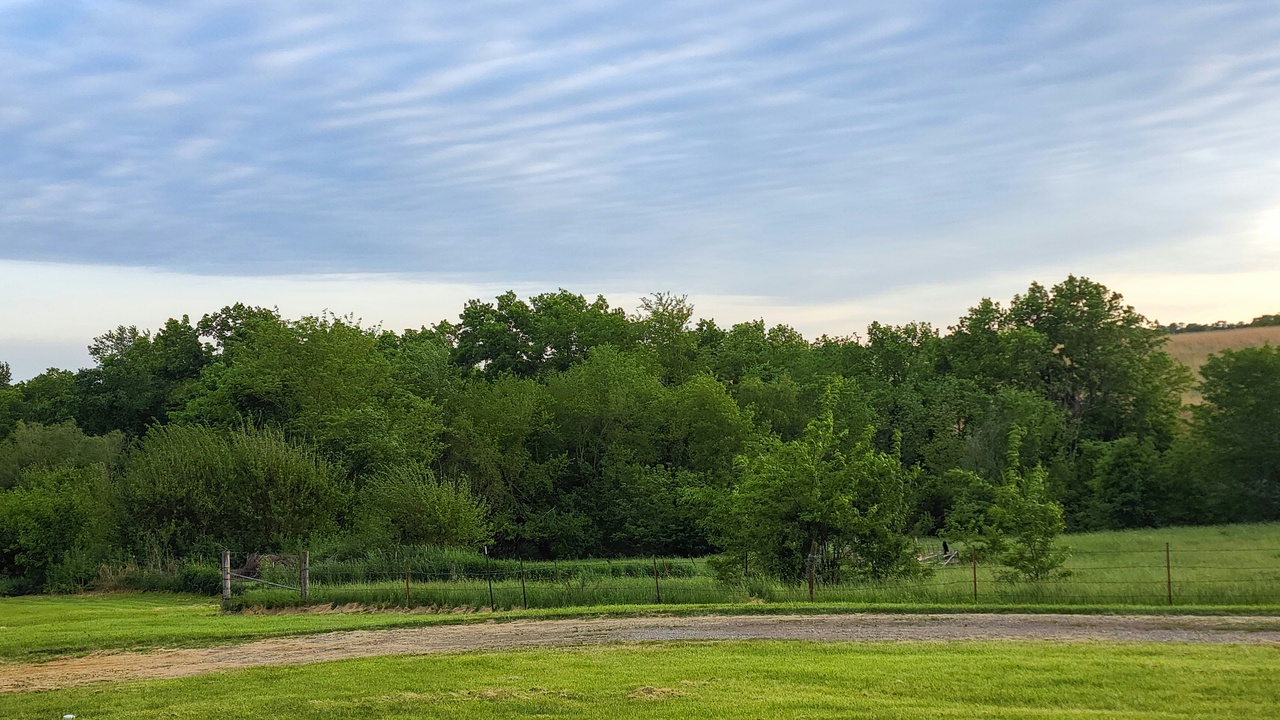
Beyond dollars and cents, quality of life matters. Missouri delivers on culture, food, community and access to public lands in ways that appeal to families, outdoor lovers and people who appreciate vibrant regional scenes.
4. Tight-knit communities and lower crime in many towns
Many Missouri towns have a strong sense of community: active civic groups, volunteer networks and neighborhood events make social integration easier for new residents. University towns such as Columbia often host festivals, farmers markets and cultural programming that bring neighbors together.
Crime rates vary across the state — some urban neighborhoods face challenges, while many suburbs and smaller cities report lower violent‑crime figures compared with national urban averages. For families and retirees seeking community, places like Lee’s Summit (Kansas City area) and Chesterfield (St. Louis suburbs) are frequently recommended.
5. Outstanding access to outdoors and recreation
Rivers, lakes and public lands are never far away in Missouri. The state offers affordable, year‑round outdoor options that make weekend escapes easy and low‑cost compared with distant vacations.
Highlights include the Katy Trail State Park for long cycling trips, Lake of the Ozarks for boating, and Mark Twain National Forest for hiking and camping. The Missouri Department of Natural Resources reports thousands of acres of public land and millions of annual park visits, underlining how outdoor life figures into daily routines.
For families and people who value time outside, those assets improve physical and mental health while keeping recreation expenses modest.
Weather and Natural-Risk Drawbacks

Missouri’s central location brings both seasonal variety and real natural‑hazard risk. Spring and early summer are the most active months for severe weather, and river flooding affects low‑lying areas.
6. Tornadoes and severe storms (seasonal risk)
The state lies in a corridor with higher tornado and severe‑thunderstorm frequency; peak months typically run April through June. The National Weather Service and NOAA keep detailed event counts and historical records that are useful when researching specific communities.
Historic examples remind residents why preparedness matters: the 2011 Joplin EF5 tornado caused catastrophic damage and loss of life, and communities since have rebuilt with stronger codes and improved warning systems. Many towns now offer public storm shelters, siren networks and mobile alert systems, but homeowners should still evaluate the need for reinforced safe spaces and insurance that accounts for wind and hail risks.
7. Hot, humid summers and seasonal allergies
Summers in Missouri are often hot and humid, with the warmest months in June through August. Humidity can make outdoor activity uncomfortable and raise residential cooling costs.
Spring also brings robust pollen seasons from trees and grasses, which increase allergy‑related clinic visits. Practical steps include sizing efficient HVAC systems, adding whole‑home filtration if needed, and scouting indoor recreation options for high‑humidity days.
Infrastructure, Services and Policy Limitations

Missouri’s mix of two large metros and wide rural stretches creates uneven access to services. Transportation, healthcare and state policy choices produce trade‑offs that matter depending on where you settle.
8. Limited public transit and car dependence
Outside St. Louis and Kansas City, public transit options are minimal and a car is required for most daily life. Even within metros, transit coverage and frequency vary by neighborhood.
Kansas City’s streetcar and St. Louis’s MetroLink offer alternatives in central areas, but many small towns rely on sparse bus schedules or none at all. Prospective residents should factor auto insurance, fuel and maintenance into relocation budgets and evaluate commute times when choosing neighborhoods.
9. Uneven healthcare access in rural areas
While tertiary care is strong in metro centers — think Barnes‑Jewish Hospital in St. Louis or Mercy in Springfield — access to specialists and emergency services can be limited in remote counties. Rural hospital closures in recent years have increased travel times for some residents.
Families with chronic conditions, seniors, and those needing specialty care should map nearby providers and consider proximity to regional medical centers. Telehealth services and regional referral networks help, but they don’t replace the convenience of a nearby emergency room.
10. Taxes, education funding, and state policy trade-offs
Missouri’s mix of state and local taxes affects services. The state levies a modest income tax (check the Missouri Department of Revenue for current brackets) while combined local sales taxes can be high in some municipalities.
That fiscal structure influences school funding, road maintenance and local amenities. Education quality varies by district, so families should review school ratings and local budgets when evaluating towns. Small businesses likewise should compare local tax rates and incentive programs before committing to a location.
Summary
- Missouri balances affordability and strong regional culture with seasonal weather risks and service disparities; weigh priorities like jobs, housing and climate tolerance when deciding.
- Affordability is a top plus — lower cost of living and more house for the money — and major employers in health care, manufacturing and logistics support careers across experience levels.
- Outdoor access and tight local communities are real quality-of-life advantages, but spring thunderstorms, tornado season and hot, humid summers are notable downsides.
- Services vary: good tertiary care exists in metros, but rural healthcare and public transit limitations mean location choice matters more than state choice for many families.
- For a practical next step, research the pros and cons of living in Missouri for the specific cities you’re considering: visit neighborhoods in different seasons, check up-to-date housing and tax figures, and test commutes and local amenities.