Haiti became the first modern Black republic in 1804 after a successful slave revolt, and that founding moment still surfaces in everyday life—from the color-splashed costumes of Jacmel Carnival to coffee terraces clinging to mountain slopes and crowded coastal markets where fishmongers shout prices. With a population of roughly 11.5 million and a global diaspora stretching to Miami, Montreal, and New York, interest in what life in Haiti offers is growing again: tourists arrive for authentic experiences, remittance flows support local ventures, and small businesses are finding new markets. Despite persistent challenges, Haiti offers distinct and tangible advantages for residents and newcomers: rich culture, close-knit communities, affordable living, breathtaking natural settings, and targeted entrepreneurial openings. Below are ten concrete benefits, grouped into three categories—Culture & Community; Natural Environment & Lifestyle; and Economic & Entrepreneurial—each illustrated with real places, organizations, and practical examples you can explore or support.
Culture & Community Benefits
Haiti’s cultural roots run deep—born of the 1804 independence and sustained through generations of painters, sculptors, musicians, and storytellers. Those traditions create daily benefits: public festivals that animate neighborhoods, artisans whose work supplies livelihoods, and an active diaspora that sends capital and ideas back home. Remittances account for roughly 20–30% of GDP (World Bank estimates), a sizable economic lifeline that also channels skills and social networks into local projects. This category highlights four community-centered advantages: a strong arts scene, tight social networks backed by transnational ties, relatively lower everyday living costs for many expatriates and long-term visitors, and vibrant markets and cuisine that shape social life. You can witness these benefits at Jacmel’s carnival and film festival, at Port-au-Prince’s Marché de Fer, and in Croix-des-Bouquets’ metalwork workshops, or by visiting Haitian community organizations in Miami or Montreal that fund school and clinic projects back home.
1. Rich cultural heritage and a vibrant arts scene
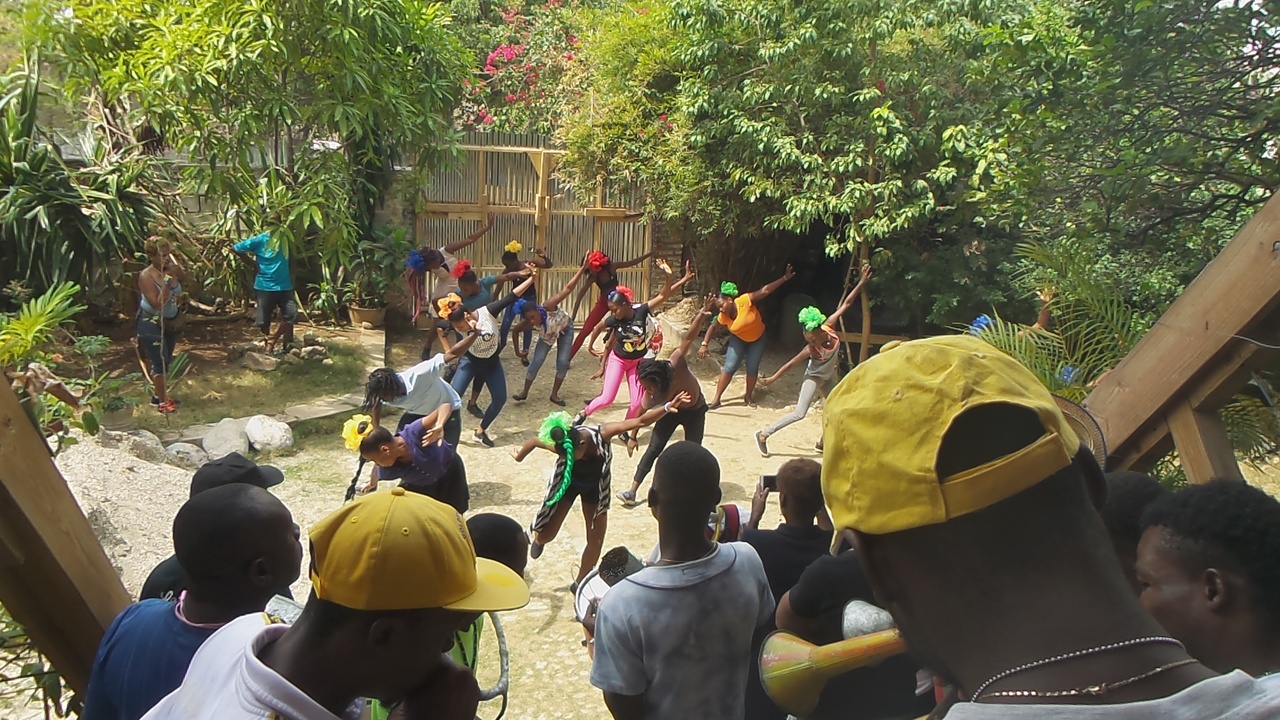
Haiti’s art and music are living, public traditions that trace back to the post-1804 period and blend African, European, and indigenous influences. Painters like Hector Hyppolite and movements such as Saint-Soleil helped put Haitian visual art on the global map, while cities such as Jacmel host film and arts festivals that draw regional visitors. Galleries, street murals, and community festivals aren’t just aesthetic: they generate income for artisans, support guesthouse owners, and make neighborhoods more livable. Visit MUPANAH (Musée du Panthéon National Haïtien) in Port-au-Prince, see Croix-des-Bouquets metal sculptors at work, or time a trip for Jacmel Carnival to experience art and music integrated into daily life.
2. Strong social networks and diaspora connections
Family and community ties in Haiti are unusually strong and have clear practical effects: regular remittances, rotating-credit groups, and diaspora-funded projects support household budgets and community services. Remittances—estimated in the 20–30% of GDP range by institutions like the World Bank—help launch small businesses and sustain construction and schooling. Haitian organizations in cities such as Miami, New York, and Montreal frequently sponsor clinics, scholarships, and infrastructure projects back home, and local mutual-aid practices (tontines and rotating savings groups) keep cash moving at the neighborhood level. Those transnational ties make it easier for entrepreneurs and households to access capital, information, and markets.
3. More affordable everyday living compared with many Western cities
Many expatriates and long-term visitors find that basic costs—food from local markets, domestic help, and modest rental housing—are substantially lower than in major North American or European cities, though local wages are also lower. Reputable price-comparison sites (Numbeo) and World Bank purchasing-power data show that rent and grocery costs in Port-au-Prince or smaller towns can be a fraction of Manhattan or central London—while utilities and imported goods add caveats. For retirees and remote workers this often translates into a more comfortable lifestyle for the same budget: hiring local help, eating fresh market produce, and living near community life, while balancing infrastructure realities like intermittent power and variable internet speed.
4. Distinctive cuisine and lively local markets
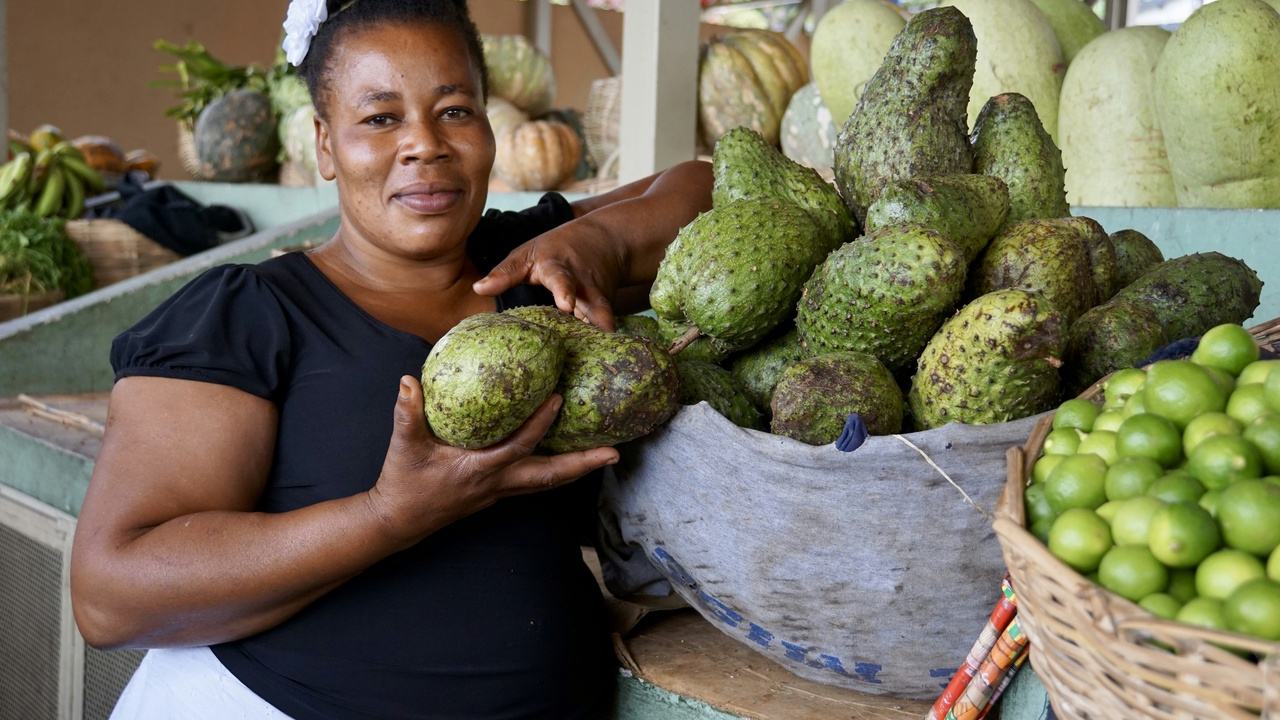
Haitian food is central to social life: dishes such as griot, diri ak pwa, and tangy pikliz are daily favorites, and seasonal fruits like mangoes and soursop are ubiquitous in roadside stalls. Markets like Marché de Fer in Port-au-Prince are hubs for fresh produce, small traders, and street-food vendors, supporting nutrition and informal incomes. Culinary tourism, from cooking classes to market tours, provides a steady stream of customers for small businesses, while coastal towns offer fresh seafood that feeds both households and local restaurants.
Natural Environment & Lifestyle Benefits
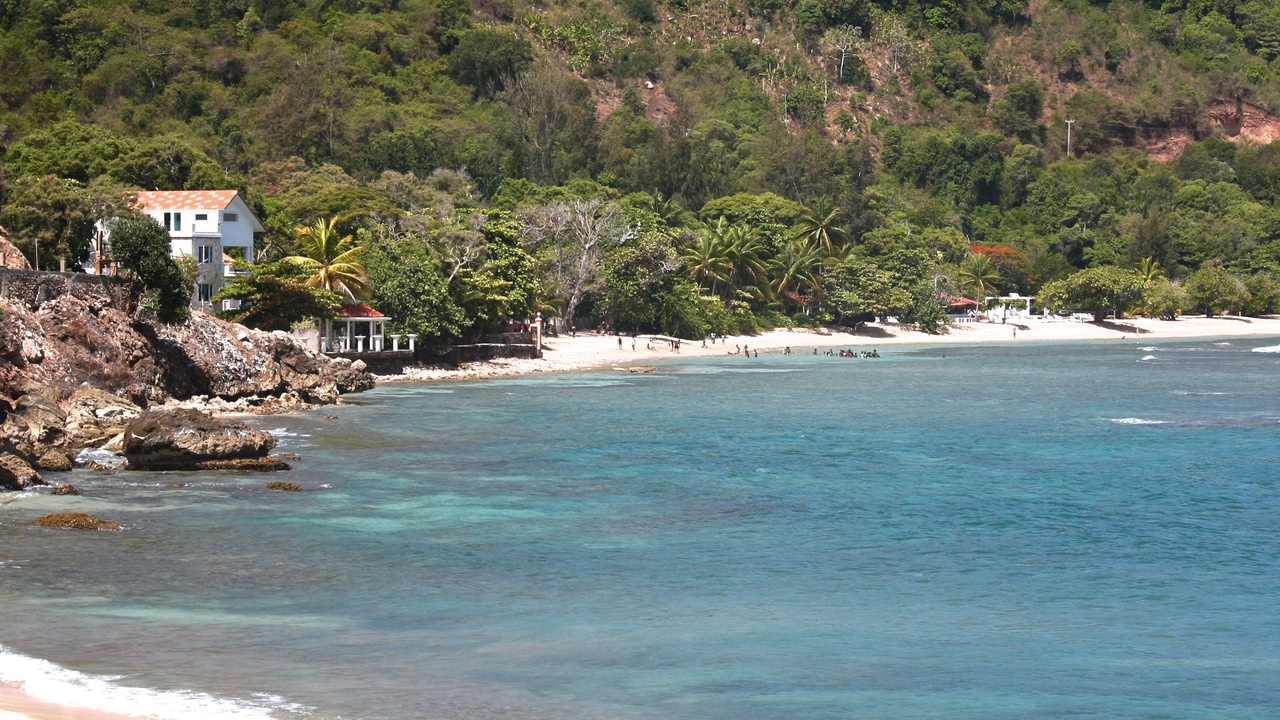
Haiti’s geography spans beaches, reefs, and mountains, and its tropical climate—with two main seasons, wet and dry—supports year-round outdoor life and agriculture. These natural assets shape daily living: beaches and reef-sheltered coves invite swimming and fishing; highland towns like Kenscoff grow vegetables and specialty coffee; and places such as Ile-à-Vache and Jacmel are developing community-based ecotourism. Outdoor markets and roadside fruit stands mean local produce is often a few steps from home, and small-scale ecotourism can provide supplemental income for fishing and farming communities. Below are three benefits tied to landscape and lifestyle, each with concrete locations you can visit or support.
5. Stunning beaches and emerging ecotourism
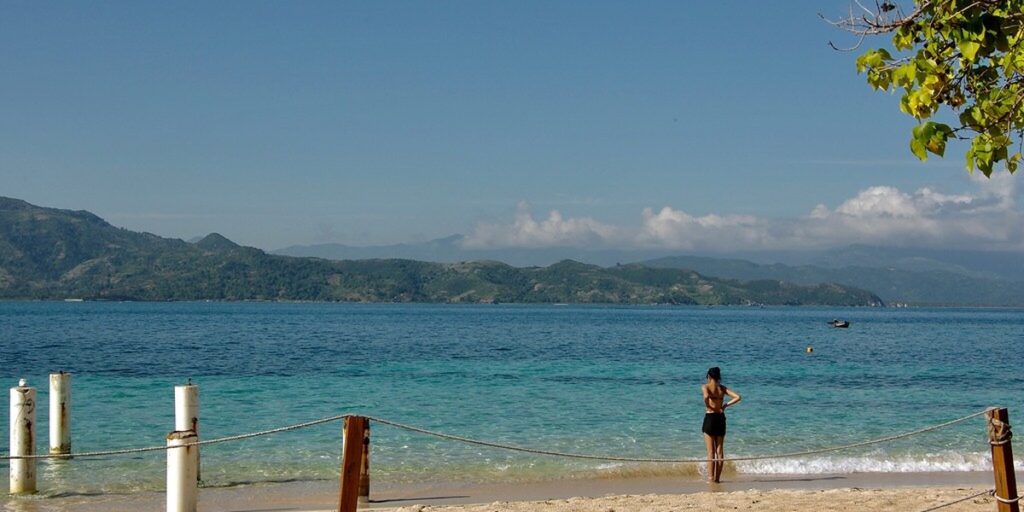
Haiti has accessible, beautiful coastal pockets—Labadee (a private resort area), Jacmel’s beaches, and community-focused Ile-à-Vache among them—where snorkeling, swimming, and local boat tours are available. Small guesthouses and community-run eco-lodges are growing, creating opportunities for residents to earn tourism income while preserving coastal resources. Fishing villages offer authentic visitor experiences: hire a local boat for a reef tour, stay in a family-run guesthouse, or join a community guide for mangrove and birdwatching trips during seasonal peaks.
6. Warm climate and an outdoor-oriented lifestyle
The tropical climate creates a long growing season and encourages alfresco life. Highland areas like Kenscoff and Thomazeau support vegetable gardens and coffee plots that supply city markets year-round. Neighborhoods often center around outdoor markets, cafés, and communal spaces where people meet and trade; roadside fruit vendors and coffee stands are part of daily routines. For those who prefer an active, outdoor lifestyle—hiking, farming, or simple neighborhood strolls—Haiti’s climate makes it easy to spend time outside most months of the year.
7. Easy access to locally made goods and artisanal products
Residents can buy locally made products—artwork, vetiver oil, soaps, spices, and metalwork—directly from producers. Haiti’s vetiver is prized in international perfumery, and small distillers export oil to niche buyers. Ceramicists, textile makers, and Croix-des-Bouquets’ metal sculptors supply both local markets and diaspora buyers abroad. Purchasing these goods supports smallholders and artisans, and provides residents and visitors with distinctive, high-quality products often unavailable elsewhere.
Economic & Entrepreneurial Benefits
Haiti’s economic landscape includes clear niches for entrepreneurs and residents seeking practical opportunity. Microenterprises dominate local commerce, and organizations such as Fonkoze provide microfinance and training that help small businesses scale. The country’s position on Hispaniola—with a land border to the Dominican Republic and proximity to U.S. markets—creates trade and logistical opportunities for exporters of mango, vetiver, and specialty coffee. Renewables, especially small-scale solar, are growing as off-grid solutions for homes, clinics, and schools. While structural challenges remain, the combination of diaspora capital, targeted NGO support, and affordable labor costs makes certain ventures—craft exports, agro-processing, solar installation—more viable than many outsiders expect.
8. Growing entrepreneurial spirit and microenterprise opportunities
Many Haitians run small shops, food stalls, and craft workshops; microfinance and diaspora capital help convert those enterprises into larger, more reliable incomes. Institutions like Fonkoze (serving tens of thousands of clients) and local incubators offer credit, training, and savings products that spur entrepreneurship. In Port-au-Prince you’ll find co-working and creative hubs where designers and tech-minded entrepreneurs collaborate, while neighborhood vendors experiment with delivery and online sales to reach diaspora markets. These microenterprises are nimble, often family-run, and able to pivot to meet tourist and export demand.
9. Strategic location for Caribbean trade and regional ties
Haiti’s location on Hispaniola places it near major Caribbean shipping lanes and within relatively short reach of U.S. eastern seaports. The long land border with the Dominican Republic sustains daily cross-border commerce: small traders move produce and manufactured goods across market towns, and informal corridors support livelihoods on both sides. For export-minded entrepreneurs, proximity to regional logistics hubs and a returning diaspora market means small producers—mango packers, craft exporters, and specialty coffee roasters—can access buyers without massive upfront investment.
10. Potential in renewable energy and value-add agriculture
Haiti’s sunny climate and agricultural know-how create openings in solar energy and value-added crop processing. Community solar pilots and rooftop systems are already powering clinics and schools, reducing fuel dependence and improving reliability for small businesses. Agricultural value-add—drying and packing mangoes, refining vetiver oil, small-batch coffee roasting—boosts margins for farmers and creates exportable specialty goods. Local processors and cooperatives can often reach niche international buyers through diaspora networks and specialty importers, making these sectors promising for investors and community entrepreneurs alike.
Summary
- Cultural richness and resilient communities are daily strengths, visible in festivals, art, and strong diaspora ties.
- Natural assets—beaches, mountains, and a warm climate—support year-round outdoor living and growing small-scale ecotourism.
- Living costs for many basics can be lower than in Western cities, enabling a comfortable local lifestyle when balanced with infrastructure realities.
- Targeted economic niches—microfinance-driven microenterprises, cross-border trade, vetiver and specialty agri-products, and small-scale solar—offer practical opportunities.
These points capture key advantages of living in Haiti alongside the hard work required to realize them. If you’re curious, plan a responsible visit to places like Jacmel or Ile-à-Vache, support local artisans and community-run ecotourism projects, or research development partners through reputable sources (World Bank, UNESCO, or established Haitian NGOs). Consider engaging with diaspora organizations in Miami or Montreal to learn about community-funded projects you could visit or back. Responsible exploration—traveling with local guides, buying local products, and supporting small businesses—helps turn these benefits into sustained gains for residents and newcomers alike.