On September 16, 1975, Papua New Guinea became an independent nation — a young country with ancient cultures and vast, untamed landscapes. Picture a highland village on the jungle fringe as trilling birds of paradise burst into display above a misted valley. That meeting of deep time and raw nature is why the place feels unlike most other countries.
Benefits of living in Papua New Guinea are tangible for people who prize biodiversity, close-knit communities and an outdoor life: everything from coral-swept bays and 4,884 m peaks to markets piled with taro and fresh fish. The country is home to more than 800 languages and cultural groups, a statistic that hints at how closely cultural variety and varied landscapes are linked here. Below are ten distinct advantages that make life in PNG attractive to residents and long-stay visitors alike, grouped under nature, culture, economy and everyday quality of life.
Natural and Environmental Advantages
Papua New Guinea’s terrain runs from coral atolls to alpine peaks, creating varied ecosystems that shape daily living. These landscapes support wild foods, outdoor livelihoods and growing eco-tourism opportunities.
1. Rich biodiversity and unique ecosystems
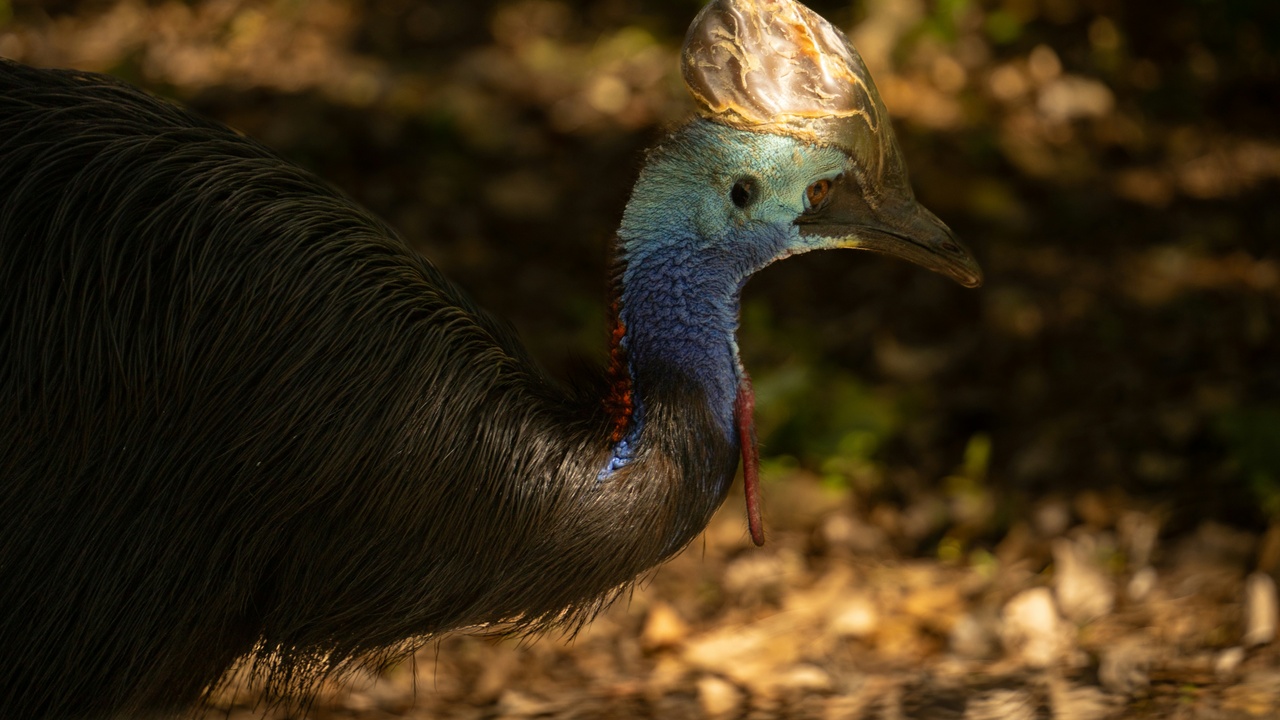
PNG is home to exceptional biodiversity and intact ecosystems that deliver clear ecological services and lifestyle benefits. Highland forests host iconic Birds of Paradise and tree kangaroos, while Milne Bay’s coral gardens rank among the best dive sites in the region.
That biodiversity underpins traditional medicines, wild food gathering and local guiding businesses. Scientists, birders and natural-history tourists come for guided birdwatching around Port Moresby, Tagula and inland reserves, which in turn provides local income and conservation incentives.
2. Abundant natural resources and subsistence options
Many communities still rely directly on locally available resources for food, fuel and shelter. PNG’s land area of about 462,840 km² encompasses coastal fisheries, sago and taro-growing lowlands, and fertile highland gardens.
Households that tend gardens, fish reefs or cultivate sago experience less dependence on long food-supply chains. Coastal villagers harvest reef fish and smoke them for markets, while inland families manage shifting gardens that provide staple starches and seasonal vegetables.
3. Landscapes that enable outdoor lifestyles and adventure
Papua New Guinea’s mountains, rivers and shorelines make it a world-class place for hiking, climbing, diving and fishing. The Kokoda Track (about 96 km) draws international walkers; Puncak Jaya (4,884 m) attracts mountaineers; Milne Bay hosts small dive operators.
Local guides, village homestays and community-run trekking services mean residents can earn from adventure tourism while using the land for everyday recreation and subsistence. The payoff is regular outdoor activity and close familiarity with wild places.
Cultural and Community Strengths
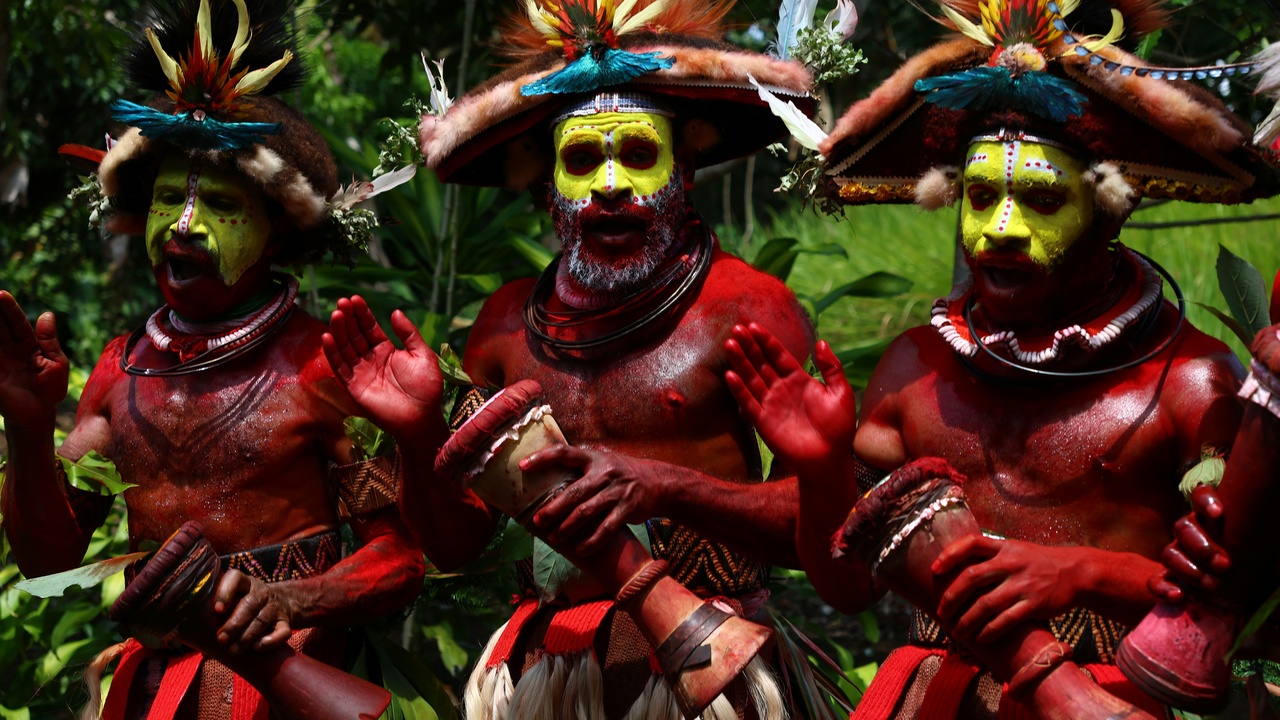
Cultural richness in PNG translates into social capital: strong identities, routine communal gatherings and intergenerational knowledge that support everyday life. The arts, customs and clan structures create practical benefits as well as meaning.
4. Deep cultural diversity and living traditions
Papua New Guinea contains more than 800 languages, making it one of the world’s most linguistically diverse nations. That diversity reflects tightly held traditions, distinctive crafts and many regionally specific knowledge systems.
Communities guard oral histories, carving styles and ceremonial practices. The Huli wigmen and Sepik carvers are examples: their dress, masks and carvings are both cultural markers and sources of income when sold to collectors and galleries.
5. Strong community networks and customary land ownership
About 97% of land in PNG is held under customary title, and clan-based ties shape decision-making and everyday support. Those networks create social safety nets: cooperative gardening, shared harvests and collective responses to local needs.
Customary land arrangements also mean communities manage fisheries and plantations together, resolve disputes in village forums, and run cooperative ventures such as community oil-palm plots or local markets.
6. Rich arts, music and annual cultural events
Regular cultural shows and village performances make life expressive and community-focused. Events like the Mount Hagen Cultural Show bring performers from across provinces, reinforcing identity and drawing visitors.
Arts and music also have practical value: carvings and woven goods sell in markets, performers earn for festivals, and cultural tours provide steady work for guides and craft makers.
Economic and Practical Advantages
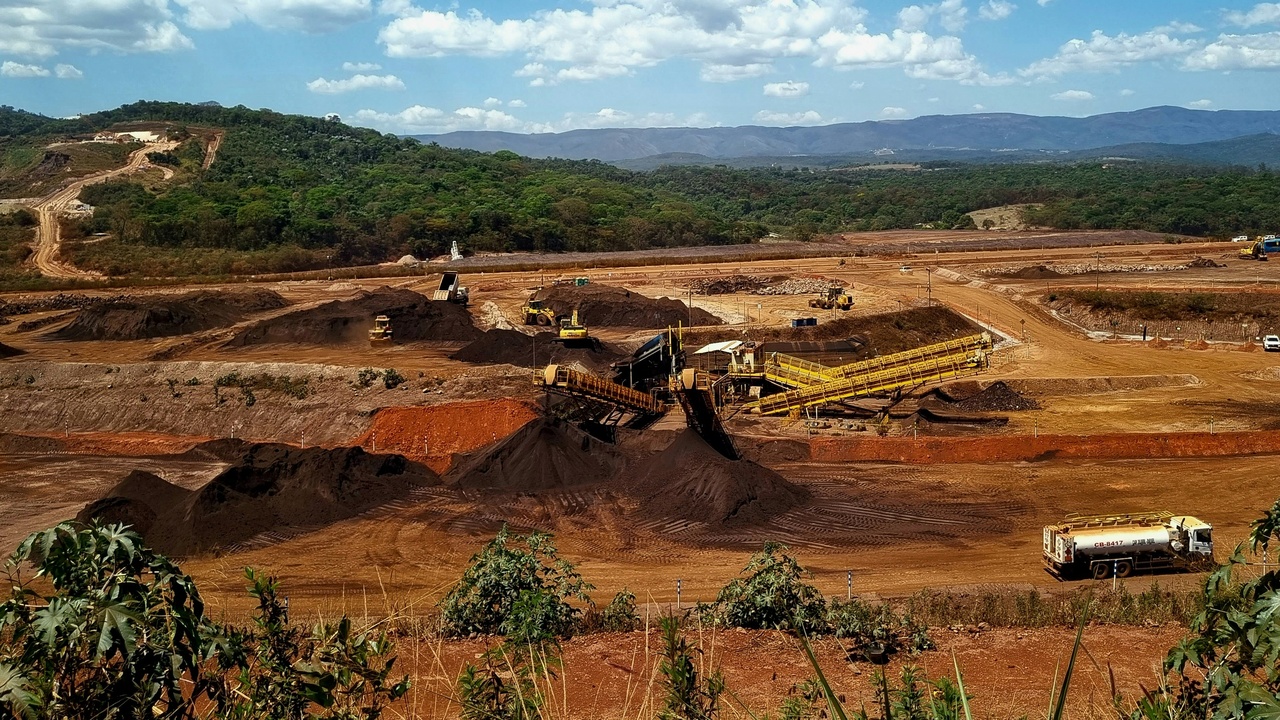
PNG offers tangible economic opportunities alongside subsistence options: resource projects, niche tourism and informal enterprises create a mix of livelihood paths. These are opportunities, not guarantees, but they matter for households and entrepreneurs.
7. Opportunities in resource-based industries
Mining, petroleum and forestry have been major employers and revenue sources. The PNG LNG project began exports in 2014 and remains a pillar of the economy, with associated contracts for local suppliers and services.
Large projects create jobs, apprenticeships and demand for transport, catering and maintenance. Local residents often find work as drivers, camp staff, or artisans supplying camps, and small businesses grow around project hubs.
8. Growing tourism niches and small-business potential
PNG occupies a strong niche for adventure travelers, birders and cultural tourists. Small operators run Kokoda guides, Milne Bay dive lodges and village homestays, attracting visitors who pay for authentic, place-based experiences.
That niche lets entrepreneurs target higher-value markets—birdwatching groups, WWII history trekkers, and collectors of indigenous art. Local craft sales and guiding services offer practical, locally owned income routes.
Quality of Life and Connectivity
Everyday life in PNG often includes fresh food, regular outdoor activity and a slower rhythm in many communities. At the same time, the country’s northern position near Australia and Asia provides practical travel and trade links.
9. Fresh food, active living, and informal health benefits
Access to fresh produce, seafood and garden-grown staples supports wholesome diets and daily physical activity. Provincial markets in Lae and Mount Hagen brim with fruits, root crops and fish, while many households tend garden plots.
Daily routines—fishing, tending gardens, walking to markets—mean practical exercise and less reliance on processed food in rural areas. A brief caveat: formal healthcare access varies widely in remote regions, so planning matters.
10. Strategic location and practical connectivity to nearby markets
PNG sits close to Australia and major Asian markets, which helps with trade, education and medical travel. Port Moresby is roughly a three-hour flight from Brisbane, giving relatively quick access to Australian services.
That proximity benefits exporters of high-value marine and agricultural products, students attending Australian institutions, and residents who need specialized healthcare or business links overseas. Jacksons International Airport is the main gateway for those connections.
Summary
- Extraordinary environmental richness that supports food, recreation and eco-tourism (Birds of Paradise, Milne Bay reefs, Puncak Jaya).
- Deep cultural and linguistic diversity (more than 800 languages), strong clan networks and living arts that sustain identity and local economies.
- Practical economic niches from resource projects (PNG LNG, exports began 2014), small tourism operators, and community enterprises.
- Everyday quality-of-life advantages: fresh local food, outdoor activity, village homestays and relatively short regional travel times to Australia and Asia.
Consider how the benefits of living in Papua New Guinea line up with your priorities—whether you seek wild places, cultural depth, practical enterprise opportunities, or a life oriented around community and the outdoors.