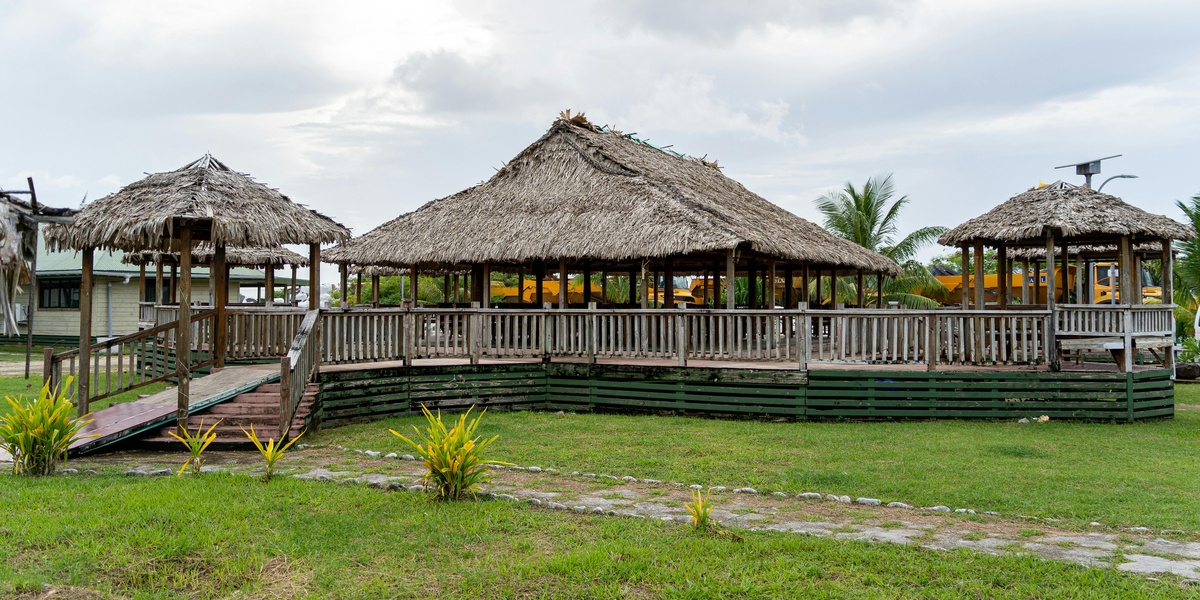
Tuvalu’s islands are defined by small communities, strong local ties, and low-crime daily routines that make travel straightforward. Visitors typically find clear beaches, simple services, and predictable rhythms across the atolls.
There are 9 Safest Cities in Tuvalu, ranging from Funafuti to Vaitupu. For each entry, data is organized as Country,Population (persons),Safety notes (max 15 words); you’ll find below.
Is Tuvalu safe for short stays and day trips?
Yes — most visits are low-risk thanks to close communities and minimal violent crime; standard precautions (watch belongings, avoid isolated areas at night) are sufficient for day trips and short stays.
What practical steps should I take before traveling there?
Carry copies of travel documents, confirm local transport and lodging in advance, buy travel insurance, and check health advice for required or recommended vaccinations.
Safest Cities in Tuvalu
| Place | Country | Population (persons) | Safety notes (max 15 words) |
|---|---|---|---|
| Funafuti | Tuvalu | 6,025 | Police station; Princess Margaret Hospital; international airport; good evacuation links |
| Vaitupu | Tuvalu | 1,200 | Community police; nursing clinic; boat evacuation; regular supply boat links |
| Nanumea | Tuvalu | 1,200 | Community constable; health clinic; inter-island boat; moderate flood resilience |
| Nanumaga | Tuvalu | 520 | Local police officer; nursing clinic; boat access; reef reduces direct surge risk |
| Niutao | Tuvalu | 600 | Police presence; clinic; boat/air links via Funafuti; relatively higher ground |
| Nui | Tuvalu | 610 | Community police; clinic; regular boats; reef lagoon offers some protection |
| Nukufetau | Tuvalu | 650 | Community police; nursing clinic; boat access; less frequent flooding than capital |
| Nukulaelae | Tuvalu | 300 | Local constable; clinic; limited transport; relatively raised islets reduce inundation |
| Niulakita | Tuvalu | 34 | Small police presence; basic clinic; infrequent supply trips; medevac via Funafuti |
Images and Descriptions
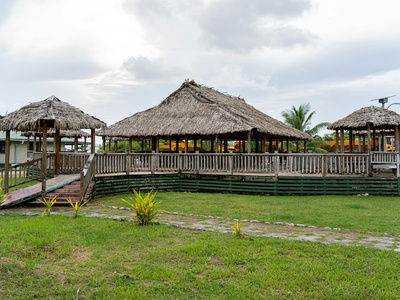
Funafuti
Tuvalu’s capital and main transport hub with the country’s central Princess Margaret Hospital and a permanent police station. Low crime and direct flights make medevac and security reliable, but frequent tidal flooding requires careful evacuation planning.

Vaitupu
Vaitupu has a staffed nursing clinic and a community constable. Regular supply boats to Funafuti provide reliable medevac options. It experiences lower localized inundation than the capital, though all islands remain exposed to extreme sea events.
Nanumea
Nanumea maintains a community police presence and a nursing clinic. Regular boats connect it to Funafuti for advanced care. Coral reef and island morphology give somewhat lower surge risk than some southern atolls, but extreme events still threaten infrastructure.
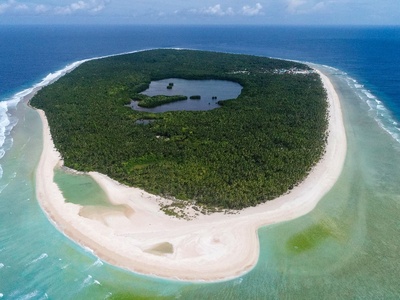
Nanumaga
Nanumaga reports low crime and is served by a nurse-run clinic and local constable. Inter-island boats enable transfers to Funafuti. Its reef structure offers some protection from direct storm surge, though long-term sea-level rise remains a concern.
Niutao
Niutao’s community is served by a clinic and community constable; boats link to Funafuti for emergencies. Compared with the capital, Niutao’s landform provides slightly reduced inundation risk, supporting relatively safer local shelter planning.
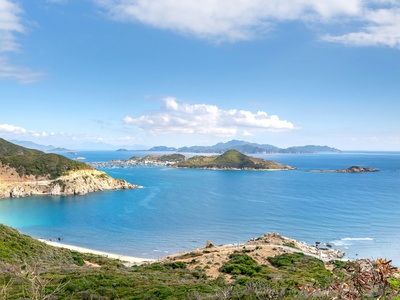
Nui
Nui offers a nursing clinic, community policing and regular boat services to Funafuti. The atoll’s lagoon and reef help reduce immediate wave impact, giving relatively lower short-term inundation risk, though storm surges can still isolate the island.
Nukufetau
Nukufetau supports a nursing clinic and a community police officer with boat links to the capital. It records low crime and benefits from reef protection that moderates wave energy, improving short-term evacuation options compared with more exposed islets.

Nukulaelae
Nukulaelae has low crime, a local constable and a small clinic; transport is less frequent. Its motu and reef configuration afford relatively lower tsunami and surge exposure, but limited evacuation capacity requires careful planning.
Niulakita
Niulakita is tiny with basic healthcare and a local police presence; supply flights and boats are infrequent. Its small, steeper islet topography gives relatively lower inundation risk, but limited services mean medevac depends on Funafuti.