The Roman fort at Caerleon still throws up broken tiles and a sense of disciplined movement across its grassy ruins, and a few centuries later Edward I’s crusade of castle-building left stone crowns atop Welsh headlands and river bends. Walk past battlements at Caernarfon and you can feel the sweep of history in a way that also makes you want to hike, surf or sit in a harbour café that afternoon.
Wales packs dramatic landscapes, centuries of history, vibrant culture, and memorable food into a compact country — here are 10 reasons it should be next on your travel list. It’s easy to reach from major UK cities, so scenic days and cultural evenings fit neatly into a long weekend or a two-week road trip. With a population of roughly 3.1 million, you’ll find lively towns and quiet valleys in close proximity, and strong value for time when you want variety without long transfers.
Dramatic Landscapes & Outdoor Adventure
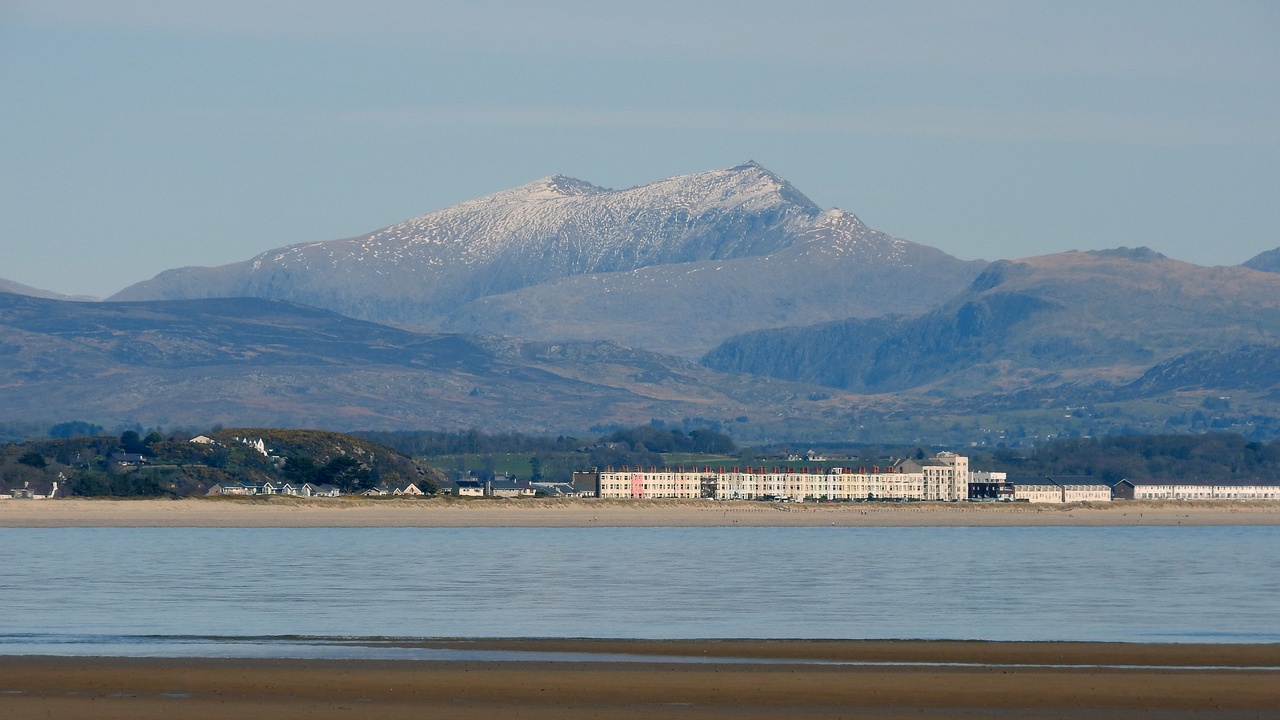
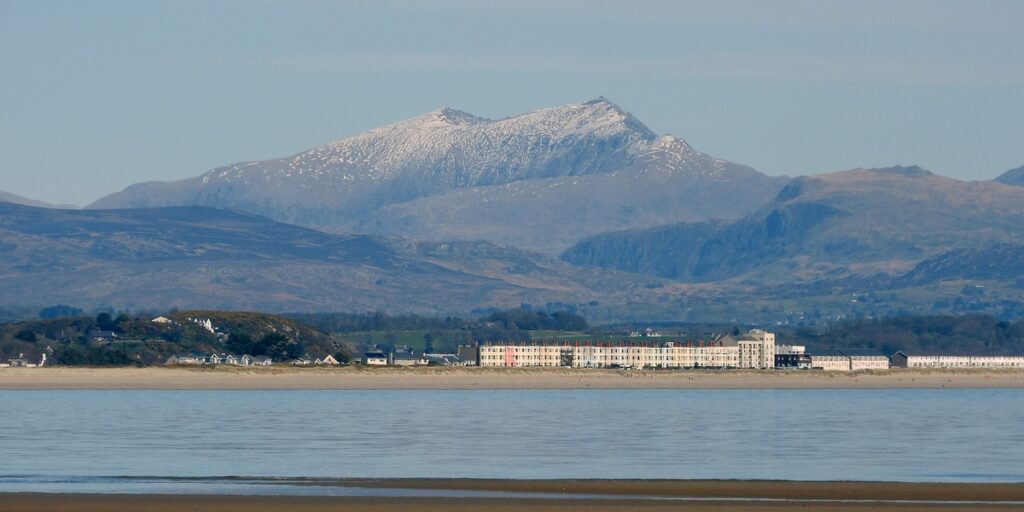
For an outdoors break, few places condense mountain, moor and coast in such short distances as Wales. The country hosts three national parks — Snowdonia, the Brecon Beacons and the Pembrokeshire Coast — each offering distinct terrain from craggy peaks to cliff-top paths and sandy coves.
That compact geography means you can summit a peak in the morning and be on a coastal walk that afternoon, or base in a small town and reach multiple landscapes within an hour. Popular activities include hiking, mountain biking, surfing, caving and coasteering, with strong local operators and clear seasonal advice for safe trips.
1. Snowdonia National Park: Mountain hiking and scenic peaks
Snowdonia offers classic mountain scenery and accessible hikes. Snowdon (Yr Wyddfa) stands at 1,085 metres (3,560 ft) and the park was designated in 1951, making it both iconic and long-protected.
Day-trippers can attempt the Llanberis Path or ride the Snowdon Mountain Railway (a heritage line) to the summit for sunrise views. Best months for clear walking are late spring to early autumn; always check conditions before setting out.
2. Pembrokeshire Coast: Rugged cliffs, islands and wildlife
Pembrokeshire’s coast is among the UK’s most dramatic shorelines and has been a national park since 1952. Cliffs, hidden coves and offshore islands make for varied coastal days.
Boat trips to Skomer bring seasonal puffin-watching (spring and summer), while Rhossili Bay is frequently ranked among Britain’s best beaches. Tide awareness and local guidance are essential on cliff paths and when booking island trips.
3. Adventure sports: Mountain biking, coasteering and zip lines
Wales is an adventure-sports playground with venues that suit families and adrenaline seekers alike. Coed y Brenin provides graded mountain-bike trails, while Zip World in North Wales offers high-speed zip lines and cavern courses.
Other highlights include Surf Snowdonia’s inland wave lagoon for controlled surf lessons, and family-friendly coasteering providers along the Pembrokeshire coast. Book peak-season slots in advance and heed local safety briefings.
History, Castles & Cultural Heritage
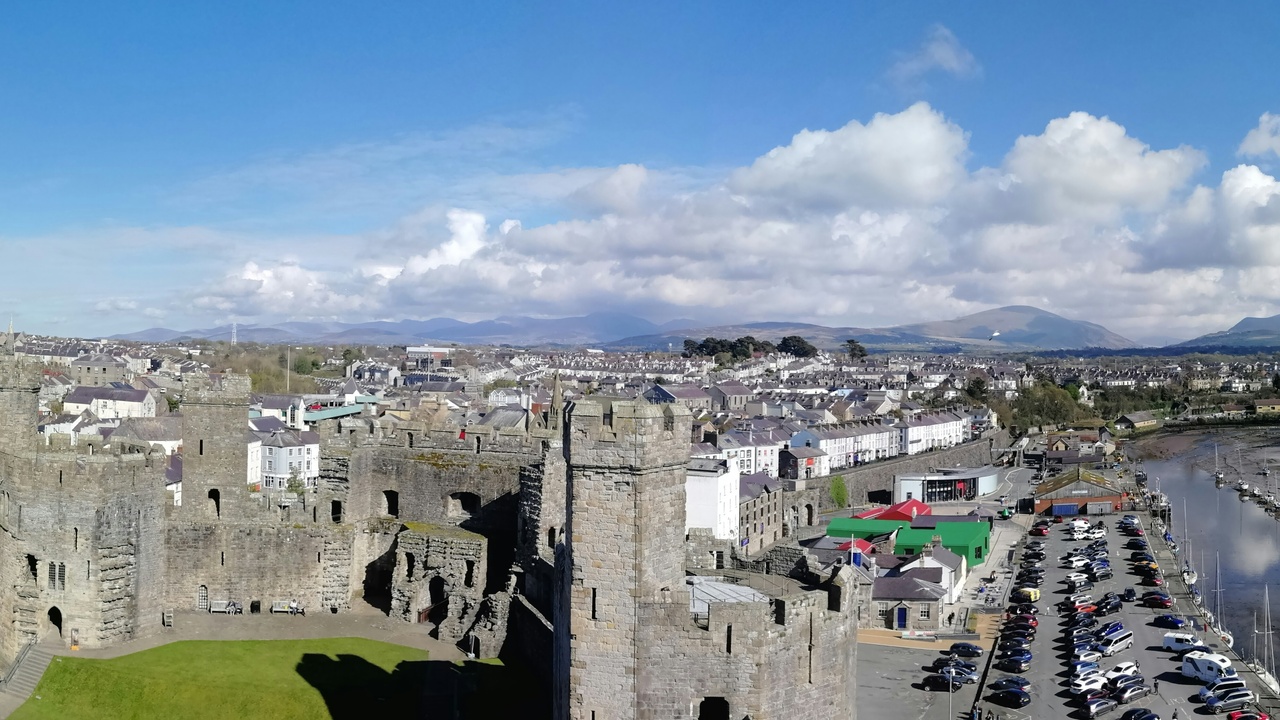
Castles and Celtic heritage are concentrated across short drives, so a single day can include Roman remains, medieval fortresses and a contemporary arts venue. If you want a straight answer about the reasons to visit wales, the density of historic sites and living traditions is high on the list.
UNESCO recognition for Edward I’s castles (Caernarfon, Conwy, Beaumaris and Harlech) underscores the architectural and historic importance of these sites. Meanwhile, Welsh-language culture and music thrive in towns and festivals around the country.
4. Castles everywhere: From Caernarfon to Conwy
Wales is a castle-lover’s dream with several hundred castle sites scattered over the landscape. The four castles in Gwynedd—Caernarfon, Conwy, Beaumaris and Harlech—are a UNESCO World Heritage Site for their exceptional medieval planning and military architecture.
Visitors can join guided tours, audio trails and occasional reenactments; Caernarfon’s royal investiture links and Conwy’s intact town walls are particularly photogenic. Check ticketing and seasonal opening times, as winter hours vary.
5. Living culture: Language, festivals and the arts
Welsh is visible on signs, on radio and in community conversation; hundreds of thousands of people speak it, and festivals keep the language and traditions alive. The National Eisteddfod is a cornerstone cultural event and Hay Festival has grown into a major international literary gathering since 1988.
Other events like the Green Man Festival and numerous town concerts show contemporary Welsh music alongside traditional choirs. You’ll see bilingual theatre programmes and small-town music nights that make culture easy to access.
6. Heritage railways and historic routes
Heritage transport adds charm and reaches remote landscapes without a hike. The Ffestiniog Railway, opened in 1836, still runs steam journeys through dramatic scenery.
Other lines include the Snowdon Mountain Railway up Yr Wyddfa and scenic sections of the Cambrian Coast line. These trips are ideal for families and photographers; check accessibility and pet rules when booking.
Coastal Charm, Islands & Small Towns
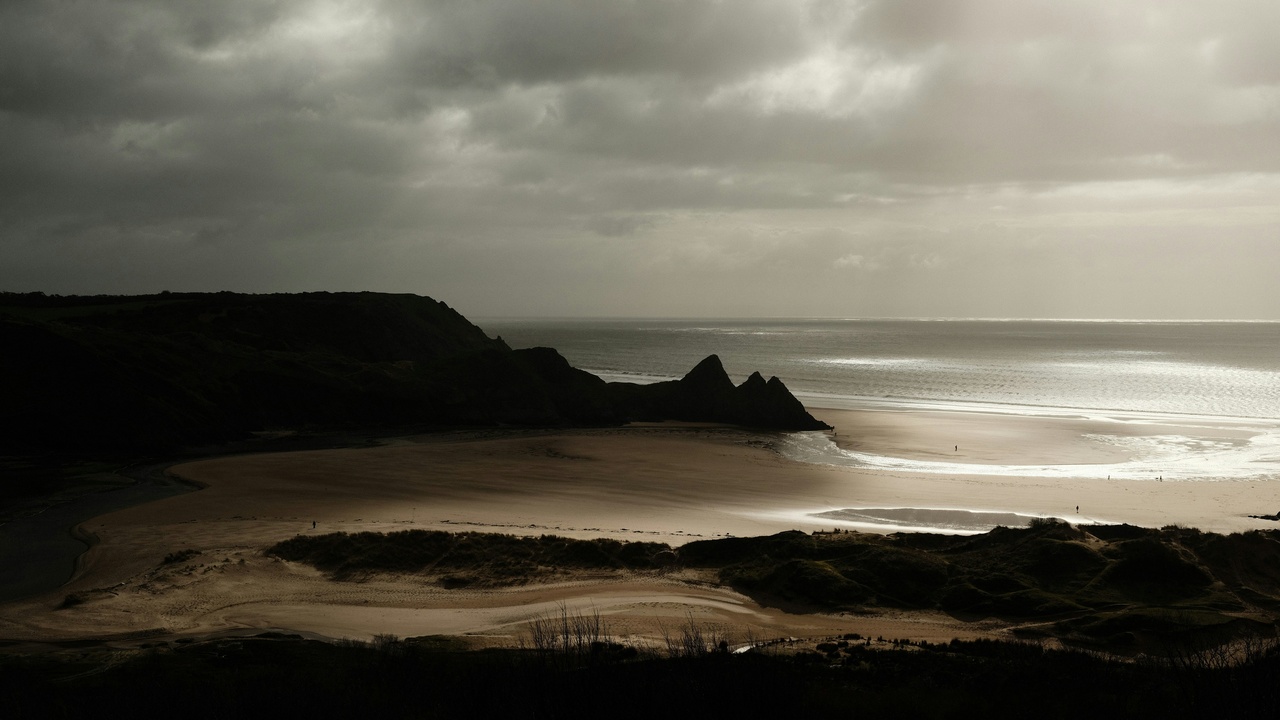
Wales’ coastline stitches together colourful harbours, walkable promenades and island nature reserves. Compact distances mean you can spend a morning in a pastel seaside town and an afternoon on cliff-top paths or a wildlife boat trip.
Small harbours, island bird colonies and headland walks make the coast an exceptionally varied playground for short-trip travellers and photographers.
7. Picturesque coastal towns: Tenby, Portmeirion and Aberaeron
Many Welsh towns are compact, photogenic and eminently walkable. Tenby’s pastel-fronted houses frame a working harbour, Portmeirion delights with an Italianate village design, and Aberaeron charms with Georgian harbour architecture.
Stroll harbourside promenades, sample fresh seafood at quay-side stalls and choose cosy B&Bs or boutique hotels for short stays.
8. Island wildlife: Puffins, seals and seabird colonies
Welsh islands are vital wildlife havens. Skomer National Nature Reserve hosts large puffin colonies in spring and summer, and seals haul out on many Pembrokeshire headlands.
Guided boat trips from Martin’s Haven or St Davids give the best chance of responsible wildlife viewing; timing your visit to the right season increases sightings and reduces disturbance to breeding birds.
Food, Festivals & Local Life

One of the strongest draws for many visitors is Wales’ food culture: local produce, craft producers and a calendar of festivals that keep communities buzzing. Among the compelling reasons to visit wales is the chance to tie a market morning to an evening gig or a literary talk.
From Welsh lamb and laverbread to Welsh cakes and coastal cockles, the culinary scene balances traditional dishes and a growing artisanal sector of breweries, cheesemakers and farm shops.
9. Local food and drink: Lamb, laverbread and craft breweries
Local produce features strongly across pubs and markets. Welsh lamb appears on many menus, laverbread and cockles are a South Wales coastal speciality, and small producers supply cheeses and preserves to farm shops.
Craft breweries such as Tiny Rebel (Newport) and other regional producers have raised the profile of Welsh beer. Visit a farmers’ market or book a brewery tour to meet producers and sample regional flavours.
10. Festivals and events: Hay, Green Man and local eisteddfodau
Festivals bring Wales to life throughout the year. The Hay Festival, founded in 1988, is a major literary draw and Green Man showcases contemporary music in a rural setting while the National Eisteddfod (rotating annually) celebrates Welsh-language culture.
Plan ahead for festival tickets and accommodation, choose events that match your interests, and combine a festival weekend with nearby hiking, historic sites or food trails for a varied itinerary.
Summary
Wales delivers concentrated variety: mountains, coast, hundreds of castles, living culture and memorable local food all within short distances.
- Pick a season: spring–summer for puffins and festivals; shoulder seasons for quieter hiking and lower prices.
- Combine highlights: match a castle visit with a coastal walk or a heritage railway journey to make travel time efficient.
- Book experiences in advance: popular adventures (Zip World, island boat trips, festival tickets) sell out in peak months.
- Sample local food and markets: try Welsh lamb, laverbread, Welsh cakes and a local brewery tasting for authentic flavours.