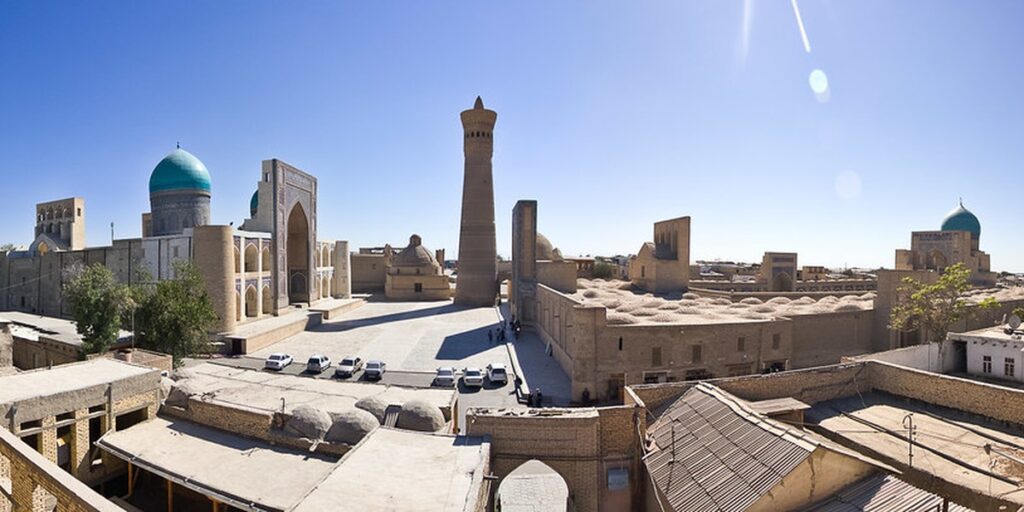
Uzbekistan’s landscape is a patchwork of Silk Road cities, desert oases and high mountain ranges where history is visible in brickwork, caravanserais and rugged trails. Whether you’re interested in architecture, trade routes or natural heritage, the country’s sites offer different windows into Central Asia’s past and environment.
There are 5 World Heritage Sites in Uzbekistan, ranging from the Historic Centre of Bukhara to the Western Tien-Shan. For each site you’ll find below the data organized as Location,Inscription year & criteria,Area (ha), so you can quickly compare where and why each entry was listed and how large the protected area is — you’ll find below.
How does a site in Uzbekistan get inscribed on the UNESCO list?
UNESCO inscription follows a nomination by the national government, documentation against specific cultural or natural criteria, and evaluation by advisory bodies; inscription years and the cited criteria (cultural, natural, or both) explain why each Uzbek site was chosen and are listed below for quick reference.
When should I visit to make the most of these sites?
Visit timing depends on the site — spring and autumn are generally best for cities like Bukhara to avoid summer heat, while mountain sites like the Western Tien-Shan are most accessible in late spring through early autumn; check seasonal access and local conditions before planning.
World Heritage Sites in Uzbekistan
| Name | Location | Inscription year & criteria | Area (ha) |
|---|---|---|---|
| Itchan Kala | Khiva, Khorezm Region | 1990 (iv) | 26 |
| Historic Centre of Bukhara | Bukhara, Bukhara Region | 1993 (iii, iv) | 2,400 |
| Samarkand – Crossroads of Cultures | Samarkand, Samarkand Region | 2001 (ii, iv) | 1,800 |
| Historic Centre of Shakhrisyabz | Shakhrisabz, Qashqadaryo Region | 2000 (iv) | 1,600 |
| Western Tien-Shan | Tashkent and Namangan regions | 2016 (vii, x) | 1,021,000 |
Images and Descriptions

Itchan Kala
Fortified inner town of Khiva with mud-brick walls, palaces, madrassas and minarets preserving a medieval Silk Road urban fabric. Notable for craftsmanship and restored interiors. Visitor note: wander narrow lanes at sunset and respect mosque dress codes.
Historic Centre of Bukhara
Living museum city with over a hundred historic monuments—mosques, madrasas, trading domes and the Ark fortress—showcasing Islamic architecture and Silk Road commerce. Visitor note: explore the Lyabi-Hauz ensemble and climb the Kalyan minaret for panoramic views.
Samarkand – Crossroads of Cultures
Iconic Silk Road city centered on Registan, Shah-i-Zinda and Bibi-Khanum Mosque; outstanding Timurid architecture, mosaics and mausoleums reflect centuries of cultural exchange. Visitor note: visit Registan at dawn or dusk to avoid crowds and see the tiles glow.
Historic Centre of Shakhrisyabz
Birthplace of Timur featuring Ak-Saray palace ruins, Dorut Tilovat and several mausoleums; dramatic Timurid monumental planning amid later restorations. Visitor note: sites are spread out—hire a local guide or taxi to cover dispersed monuments efficiently.
Western Tien-Shan
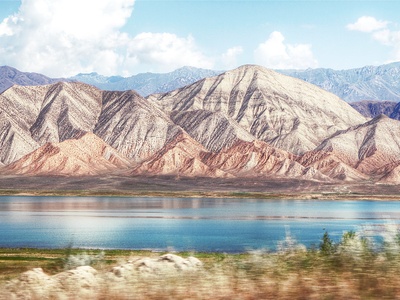
High mountain landscapes of glaciers, alpine meadows and rivers spanning Kazakhstan, Kyrgyzstan and Uzbekistan; supports unique flora and fauna and key natural processes. Visitor note: Uzbek components offer hiking and wildlife viewing but require season-aware planning and local permits.