Belarus sits at a crossroads of Eastern Europe, shaped by centuries of migration, border changes, and cultural exchange. Those influences are reflected in the country’s mix of communities, traditions, and languages.
There are 17 Belarus Ethnic Groups, ranging from Armenians to Ukrainians. For each, the table lists Share (%),Population (number),Regions & language(s) so you can quickly compare size, distribution and linguistic ties — you’ll find below.
Which ethnic groups are the largest in Belarus?
The largest groups are the ethnic Belarusian majority followed by sizeable Russian and Polish communities, with Ukrainians and smaller minorities like Armenians making up the rest. Check the Share (%) and Population (number) columns below to see exact proportions and where each group is concentrated.
How current and reliable is the data on these groups?
The figures come from official population counts and statistical estimates; they reflect the most recent publicly released data but can vary by source and year. Use the Regions & language(s) and Population (number) columns to gauge context, and look for source notes below if you need precise dates or methodology.
Belarus Ethnic Groups
| Group | Share (%) | Population (number) | Regions & language(s) |
|---|---|---|---|
| Belarusians | 83.70% | 7,951,500 | Nationwide;Belarusian, Russian |
| Russians | 8.30% | 788,500 | Cities (Minsk, Vitebsk, Gomel);Russian |
| Poles | 3.10% | 294,500 | Western (Grodno region);Polish, Belarusian |
| Ukrainians | 1.70% | 161,500 | Southern and eastern regions;Ukrainian, Russian |
| Jews | 0.10% | 9,500 | Urban centers (Minsk);Hebrew, Russian, Yiddish historically |
| Lithuanians | 0.20% | 19,000 | Northwest (Grodno border);Lithuanian, Belarusian |
| Tatars | 0.05% | 4,750 | Minsk and regional towns;Tatar, Russian |
| Armenians | 0.09% | 8,550 | Minsk and larger cities;Armenian, Russian |
| Roma | 0.07% | 6,650 | Dispersed small communities;Romani, Belarusian, Russian |
| Germans | 0.03% | 2,850 | Small communities (Brest, Grodno);German, Russian |
| Azerbaijanis | 0.12% | 11,400 | Urban centers (Minsk);Azerbaijani, Russian |
| Moldovans | 0.04% | 3,800 | Urban areas;Romanian/Moldovan, Russian |
| Georgians | 0.02% | 1,900 | Cities;Georgian, Russian |
| Bulgarians | 0.02% | 1,900 | Small communities;Bulgarian, Russian |
| Belarusian Jews (ethnoreligious identity) | 0.05% | 4,750 | Minsk and cultural centers;Yiddish, Hebrew, Russian |
| Polish-Belarusian mixed identity | 0.10% | 9,500 | Grodno, urban areas;Polish, Belarusian, Russian |
| Other small ethnic groups (grouped) | 0.73% | 69,350 | Various regions;Various languages (incl. Russian) |
Images and Descriptions

Belarusians
The largest ethnic group in Belarus, East Slavic by origin. They speak Belarusian and Russian, maintain Orthodox and folk traditions, and shape rural and urban cultural life; central to national identity and regional customs.
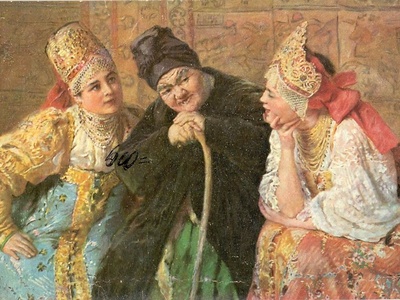
Russians
A long-established minority concentrated in cities and eastern regions. Predominantly Russian-speaking, with historical ties to the Soviet period, significant presence in urban life, administration, education, and cross-cultural family networks.
Poles
West Slavic minority mainly in Grodno and surrounding areas. Polish-speaking and largely Roman Catholic, they preserve language, religious traditions and festivals, reflecting historical border changes and close cultural links with Poland.
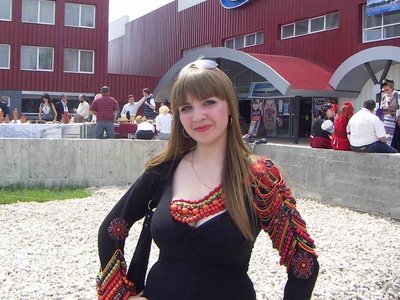
Ukrainians
East Slavic minority found in southeastern and eastern Belarus. Many are bilingual, with shared Orthodox traditions and cross-border family ties from historical migration and shifting frontiers between Belarus and Ukraine.
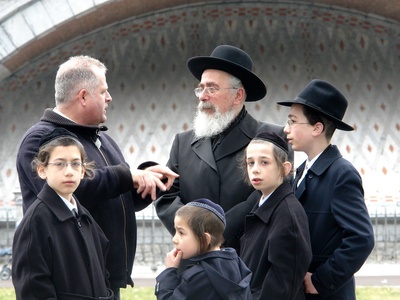
Jews
Historic Jewish community centered in cities like Minsk, with deep cultural and historical significance despite dramatic decline from the Holocaust and emigration. Contemporary community is small but active in cultural revival and remembrance.
Lithuanians
Small Baltic minority near the Lithuanian border, especially Grodno region. Lithuanian-speaking families coexist with Belarusian speakers and retain historical ties dating back to the Grand Duchy of Lithuania.
Tatars
Muslim Tatar community with medieval and later origins, concentrated around Minsk and towns. They preserve Islamic faith, Tatar cultural customs and language traditions while largely using Russian or Belarusian in daily life.
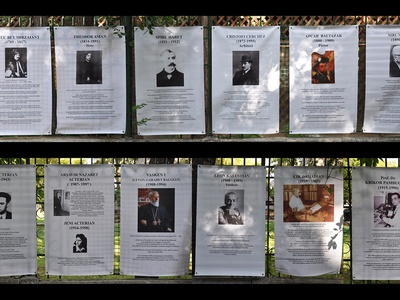
Armenians
Armenian diaspora primarily in Minsk and major cities, active in business and cultural life. They maintain Armenian Apostolic traditions, community associations and bilingual Armenian–Russian usage in social and family contexts.
Roma
Romani communities dispersed across Belarus, preserving Romani language and cultural practices while many also speak Belarusian or Russian. They maintain strong communal identity despite social marginalization and economic challenges.
Germans
Descendants of historic German settlers and wartime populations, now a very small group. German-language use has largely declined, but cultural associations work to preserve heritage and memory.
Azerbaijanis
Azerbaijani-origin minority primarily in cities, engaged in commerce, services and professional work. Many use Azerbaijani at home and Russian publicly, maintaining cultural associations and religious ties to Muslim traditions.
Moldovans
Small Romanian/Moldovan-speaking minority concentrated in urban centers. Often bilingual in Russian, they retain cultural traditions, family ties with Moldova and Romania, and observe Orthodox customs.
Georgians
Small Georgian community in Belarusian cities, often professionals, students and businesspeople. They maintain Georgian language, cuisine and Orthodox Christian traditions while integrating into Russian-speaking urban life.
Bulgarians
Minority with historical roots and modern migrants across Belarus. They preserve Bulgarian language and Orthodox customs, participate in cultural associations, and contribute to local civic and cultural life.
Belarusian Jews (ethnoreligious identity)
Ethnoreligious communities identifying with Jewish heritage in Belarus preserve distinct cultural practices, synagogues, memory projects and genealogical ties, despite small contemporary population and historical upheavals.
Polish-Belarusian mixed identity
Individuals and families with mixed Polish–Belarusian backgrounds, especially in Western regions. They often navigate bilingualism, Catholic and Orthodox traditions, and mixed cultural practices reflecting layered regional histories.
Other small ethnic groups (grouped)
Collective category for many small ethnicities recorded in censuses (e.g., Koreans, Greeks, Romanians, Tatars subgroups). They contribute cultural diversity through local associations, language maintenance and community events.