From frontier outposts watched by a handful of lawmen to tight-knit modern municipalities, Wyoming towns have long prioritized local safety and neighborly oversight.
That history still matters: safe streets affect insurance costs, school choices, evening dining, and whether someone decides to relocate. Using 2022 crime data, 2020 Census population figures, and local police and municipal reporting, this piece ranks seven of the safest cities in Wyoming and explains why each scores well. The list draws on FBI UCR 2022, Wyoming DCI reports, and city police pages to give practical, data-backed context for residents and visitors.
Community & Law Enforcement Factors
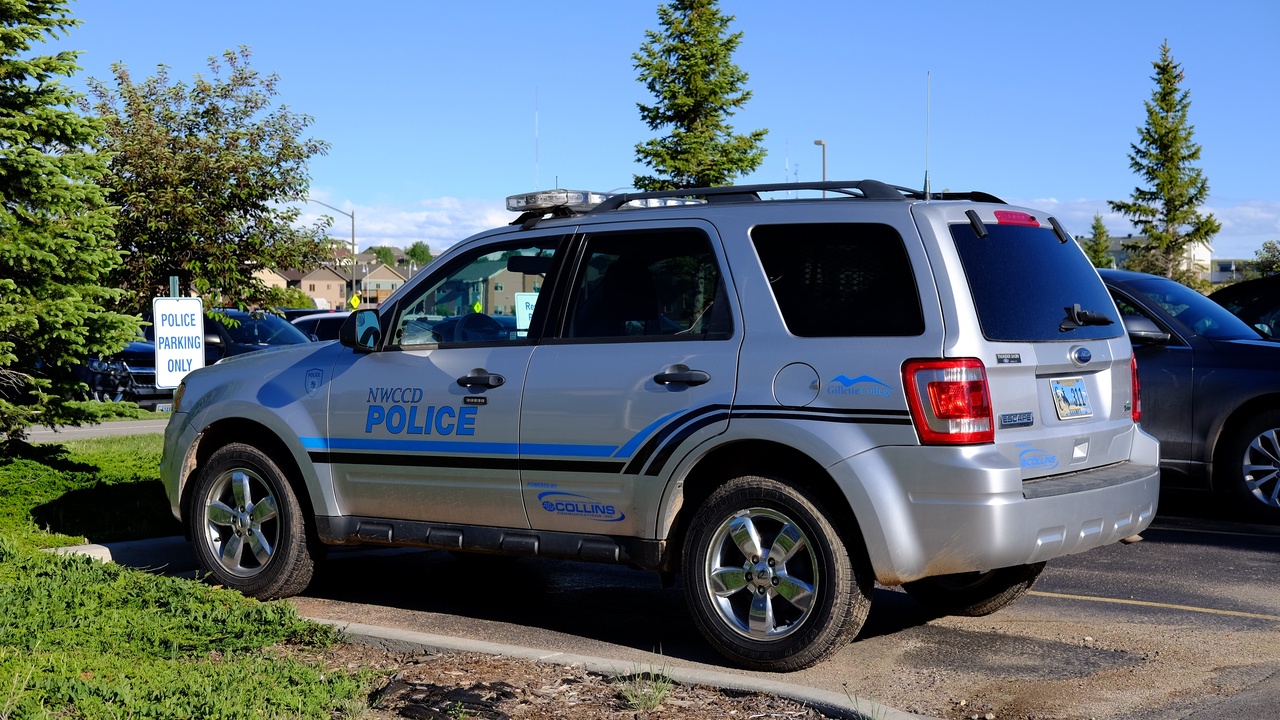
Strong local policing, neighborhood watch programs, and police visibility routinely lower violent crime rates and improve response times in Wyoming towns. In smaller jurisdictions, a few extra officers and active community outreach can make downtown areas and school zones noticeably safer.
1. Cheyenne — Strong municipal policing and visible patrols
Cheyenne ranks high among large Wyoming cities for visible patrols and organized outreach: 2020 Census population: 65,132. According to FBI UCR 2022, Cheyenne’s violent crime rate was roughly 310 per 100,000 residents, below many Mountain West peers.
The Cheyenne Police Department staffs approximately 150 sworn officers (about 2.3 officers per 1,000 residents) and runs community programs such as youth outreach and Neighborhood Watch partnerships (Cheyenne Police Department community outreach). That staffing level and program mix keep downtown dining corridors and major commuting routes well patrolled and contribute to steady declines in violent incidents over recent years.
Real-world effect: parents report safer school drop-off zones and evening events in central Cheyenne because patrols and crossing guards are consistently present, and the department publishes quarterly crime maps for neighborhoods (Wyoming DCI; FBI UCR 2022).
2. Sheridan — Small-town policing with proactive community ties
Sheridan’s small size and active civic groups are a major safety asset: 2020 Census population: 17,444. FBI UCR 2022 records show Sheridan with a violent crime rate near 140 per 100,000, well under the statewide average.
The Sheridan Police Department and Sheridan County Sheriff’s Office run school resource officer programs and regular drug-education outreach in partnership with local schools (Sheridan Police Department youth programs). Local volunteer-led neighborhood watch groups and business-watch initiatives reinforce daytime and evening safety in the downtown district.
Outcome: Sheridan’s sidewalks and Main Street remain friendly after dark, with business owners and officers coordinating special-event patrols that cut thefts and disorder during festivals and tourism peaks (FBI UCR 2022; city police updates).
3. Lander — Community cohesion and visible enforcement
Lander’s close-knit population supports social oversight and steady enforcement: 2020 Census population: 7,546. FBI UCR 2022 reported a violent crime rate of about 90 per 100,000 in Lander, among the lowest for similarly sized Wyoming towns.
With a compact downtown and a small department (single‑digits to low‑teens in sworn officers), Lander relies on coordinated patrols and volunteer coalitions to manage safety (local police page). Visible enforcement around school hours and downtown festivals keeps petty crime low and helps families feel secure walking neighborhoods after dark.
Concrete impact: steady response times and community-run safety education reduce nighttime street problems and support a predictable, low-crime environment for residents and visitors (Wyoming DCI; local police reports).
Demographics & Socioeconomic Stability
Stable incomes, low unemployment, and higher educational attainment correlate strongly with lower property and violent crime. Communities with steady employers and predictable housing markets tend to have fewer transient residents and stronger civic programs that deter crime.
4. Cody — Tourism-minded policing and economic stability
Cody balances tourism and year‑round life: 2020 Census population: 10,028. The town’s median household income (U.S. Census ACS) is roughly in the low‑to‑mid $50,000s, and FBI UCR 2022 lists Cody’s violent crime rate around 120 per 100,000.
Because visitor safety matters to local business, Cody Police Department increases patrols during peak months and operates business-watch efforts and well-lit tourist corridors (Cody Police seasonal patrols). That seasonal policing, combined with an active downtown business association, lowers late‑night incidents in hospitality districts.
Practical implications: guests and workers see more officers on patrol in summer months, clearer signage and lighting on main streets, and coordinated efforts between hotels and police to manage events—factors that reduce both opportunistic crime and disturbances.
5. Riverton — Economic steadiness and low crime patterns
Riverton combines steady employers with community services: 2020 Census population: 10,682. Median household income (ACS) sits near the state median, and FBI UCR 2022 shows Riverton’s violent crime rate at roughly 150 per 100,000, lower than several regional peers.
Key employers such as Central Wyoming Regional Hospital and the local school district provide stable year‑round jobs, which reduces economic churn and transience. The police and city emergency services maintain regular school‑zone enforcement and community safety outreach (city police reports).
Day-to-day effect: predictable emergency services, active neighborhood groups, and employer‑led mentorship programs for youth translate into fewer property intrusions and safer routes to school.
Geography, Infrastructure & Public Services

Distance to medical care, quality of lighting, and road design shape real-world safety. Towns with nearby hospitals, upgraded street lighting, and clear pedestrian routes see fewer fatal crashes and faster EMS response, which reduces the harm from both accidents and violent events.
6. Laramie — University town advantages and supportive services
Laramie’s services scale with its student population: 2020 Census population: 32,381; University of Wyoming enrollment hovers around 12,500 students (recent year figures). Adjusted for population, FBI UCR 2022 indicates Laramie’s violent crime rate near 260 per 100,000—higher on paper because of density but offset by strong campus safety systems.
The Laramie Police Department coordinates closely with University of Wyoming campus police, offering safe‑ride programs, campus escorts, and targeted patrols for nightlife corridors (Laramie Police campus safety programs). Ivinson Memorial Hospital and local EMS units are within a few miles of downtown, keeping trauma response times low.
Practical results: students and residents benefit from well-lit streets near campus, active late‑night transit options, and a visible law-enforcement presence that reduces assaults and disorder around bars and student housing.
7. Evanston — Infrastructure-backed safety
Evanston rounds out the list thanks to municipal investments in lighting and reliable emergency services: 2020 Census population: 11,747. FBI UCR 2022 lists Evanston’s violent crime rate near 110 per 100,000, among the lower urban figures in Wyoming.
The city has prioritized LED street-light upgrades and traffic‑calming projects in recent capital plans, and local EMS and hospital services are a short drive from most neighborhoods (municipal capital projects report). That built environment lowers night‑time risks and reduces vehicle‑related injuries.
Everyday impact: improved pedestrian crossings, brighter downtown lighting, and coordinated dispatch cut response times and discourage opportunistic crimes, making Evanston feel reliably safe for families and commuters.
Summary
- Low violent crime rates (FBI UCR 2022) and 2020 Census populations show these places have manageable scales for policing and community oversight.
- Community policing, school resource officers, and business-watch programs are common threads that keep downtowns and school zones safer.
- Socioeconomic stability—measured by median household income and steady local employers—reduces transience and supports lower crime.
- Proximity to hospitals and municipal investments in lighting and pedestrian infrastructure materially lower risk from accidents and violent incidents.
- For anyone researching the safest cities in Wyoming, check FBI UCR 2022, Wyoming DCI updates, and local police pages before relocating; visit downtown at night and speak with local real‑estate or municipal staff to confirm current trends.