On June 2, 1946, Italians voted in a referendum that turned a collection of regional kingdoms into the modern Italian Republic — a turning point that reshaped national rituals and public celebrations. That single day still anchors public memory: wreath-laying at the Altare della Patria, the military parade along Via dei Fori Imperiali, and civic speeches that recall the shift from monarchy to republic.
Traditions are the living threads that tie Italy’s past to daily life today. They explain why families gather for long Sunday lunches, why entire towns slow down at Ferragosto, and why tiny artisan workshops remain economically and culturally vital. For visitors, understanding those practices helps turn sightseeing into meaningful encounters with communities rather than mere photo opportunities.
Some customs are national and date-driven; others are intensely local and seasonal. From religious processions with medieval roots to modern food rituals recognized by UNESCO, these patterns shape tourism flows, family rhythms, and regional identity. This piece outlines ten essential customs grouped into three categories so you can see how rituals structure public life, family life, and local craft economies.
Below we begin with cultural and religious observances that punctuate the Italian calendar.
Cultural & Religious Traditions
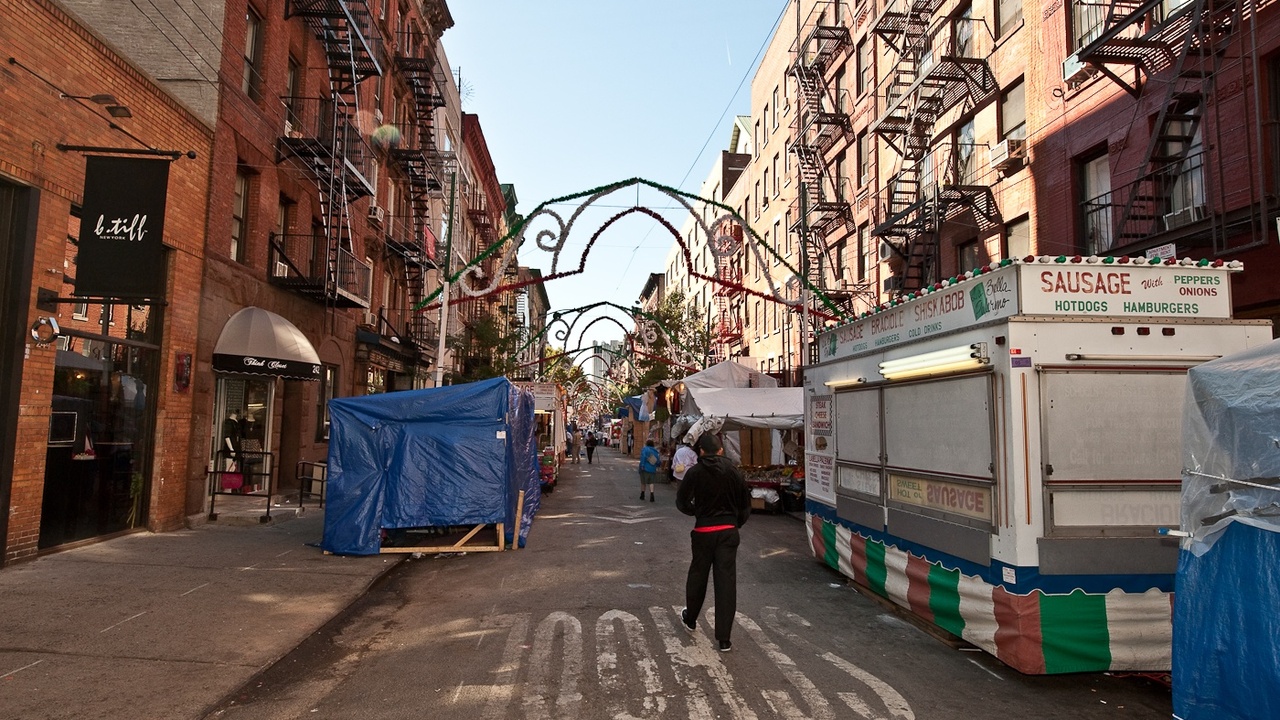
Catholic feasts and civic anniversaries give shape to the year’s rhythm across Italy. National dates such as Republic Day (June 2), Epiphany (January 6), and Ferragosto (August 15) provide shared moments of pause, while local processions preserve centuries-old rituals that vary by town. Many observances blend Roman, medieval and more recent influences, so you often see pagan elements recast through Christian symbolism and modern civic pride.
Regional variation is strong: Sicily’s Holy Week rites feel different from northern town festivals, and some local processions are listed as intangible heritage by regional authorities or attract UNESCO attention for historic significance. Fixed national dates anchor identity; local pageantry reinforces neighborhood ties. For accurate timetables consult diocesan calendars, ISTAT for participation data, or UNESCO listings when a tradition has international recognition.
1. La Festa della Repubblica (Republic Day)
Republic Day on June 2 commemorates the 1946 referendum that established the Italian Republic and replaced the monarchy. The most visible observance is the state parade in Rome: a military procession down Via dei Fori Imperiali, a presidential wreath-laying at the Altare della Patria, and flyovers by the Frecce Tricolori when weather permits.
Across provinces towns hold civic ceremonies, flag-raising events, and concerts, and many public offices close for the holiday. Visitors who plan to watch the parade should arrive early to secure viewpoints along the route and expect some metro or road closures. For a quieter experience, local municipal festivities in other cities often offer music and community gatherings on the same day.
2. Ferragosto and the August holidays
Ferragosto, observed on August 15, began as an ancient Roman feast and became part of the Catholic calendar as the Assumption of Mary. Today it marks the heart of the Italian summer holiday season: many businesses slow or close, and families take vacations en masse.
It’s common for Italians to take one to two weeks off in August, with high tourist demand on coasts and mountain refuges. Small towns often shutter mid-August for communal family time, while seaside resorts swell. Travelers should book trains and ferries well in advance and expect reduced weekday services in many municipalities.
Typical Ferragosto scenes include fireworks over beaches, long family lunches in hill towns, and regional patronal festas that mix religious masses with food stalls and music. Plan ahead and enjoy the convivial atmosphere—but also respect closed shops and altered timetables.
3. The Epiphany and La Befana (January 6)
January 6 brings the Epiphany and the beloved folkloric figure La Befana, a kindly old woman who leaves sweets for children. In many places the Befana extends the holiday season beyond Christmas with markets, parades, and theatrical street performances.
Rome’s Piazza Navona hosts Epiphany markets selling candies and Befana figurines, while regional towns stage costumed processions and puppet shows. For families, the day is an intimate occasion—children open gifts or sweets, and households keep seasonal decorations until the Befana’s visit.
4. Easter Processions and Holy Week (Settimana Santa)
Holy Week features solemn processions and local rites that can be especially vivid in the south. Town confraternities and brotherhoods rehearse for months to lead candlelit marches, carry statues, and enact Passion scenes.
One of the most famous is Trapani’s Good Friday procession, which runs for more than 24 hours and involves dozens of floats and thousands of participants. Similar events in Puglia, Sicily and parts of Calabria draw cultural tourists and require temporary street closures and altered public transport schedules.
These rites often involve centuries-old confraternities dressed in traditional garb, penitents, and intense community participation. Visitors should check local diocesan calendars for precise routes and times, and ask before photographing devotions out of respect.
Food, Family, and Everyday Traditions
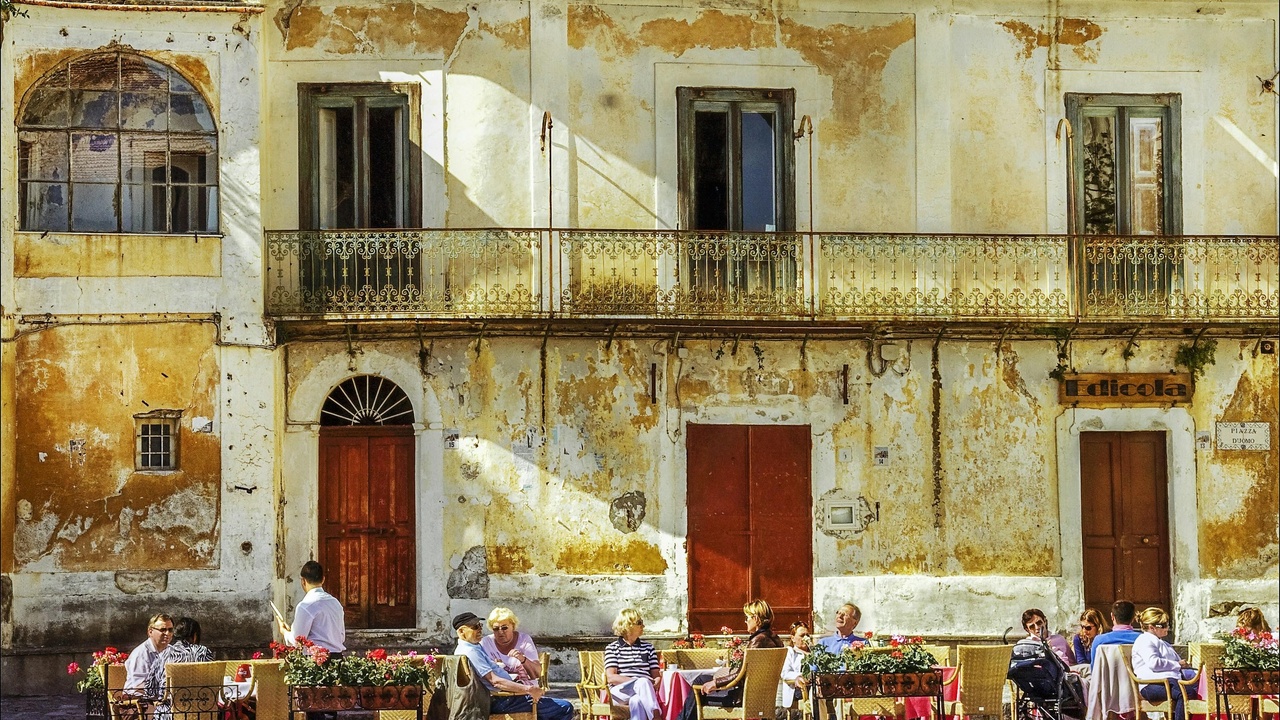
Many Italian customs are lived rather than celebrated—daily coffee at the bar, the ritual of aperitivo, and weekly family meals that pass recipes down generations. These routines hold social and economic weight: they sustain small cafés, support local markets, and underpin food tourism that draws millions each year.
Some culinary practices have earned formal recognition. For example, the Neapolitan pizzaiuolo tradition received UNESCO recognition in 2017, underlining how foodcraft links to identity and local economies. A roast passed around at Sunday lunch or a neighbourhood bar serving an evening spritz both express belonging more than mere consumption.
Understanding these everyday rituals helps travelers enter social life with courtesy, and helps residents keep community bonds strong. Below are three staples you’ll encounter across Italy.
5. Sunday Family Lunch (Pranzo della Domenica)
Sunday lunch remains the anchor of family life, often drawing grandparents, cousins and in-laws to an early-afternoon table. The meal is typically multi-course: antipasti, pasta, a main, sides, and dessert, with conversation stretching for hours.
Grandparents commonly safeguard recipes and techniques—nonna’s ragù might simmer for hours, filling the kitchen with tomato and basil aromas while bread crisps in the oven. Regional variations are strong: Tuscany favors roasted meats, Emilia-Romagna offers stuffed pastas, and Lazio highlights saltimbocca in some homes.
These lunches are practical transmission points: children learn to cook, elders tell family histories, and culinary memory stays alive. If invited, bring a small gift (wine or sweets) and be ready to linger; the meal is as much social glue as nourishment.
6. Aperitivo: The Pre-Dinner Ritual
Aperitivo is the relaxed, early-evening ritual of drinks and small plates—popular in the north but now nationwide. Typical hours run roughly 7–9pm, when friends and colleagues meet at neighborhood bars to unwind before dinner.
Signature drinks include the Aperol Spritz and Campari-based cocktails, while bite-sized offerings range from olives and cured meats to more generous buffets in some Milanese spots. In Milan’s Navigli area and Venice’s bacari, aperitivo is social glue and casual networking time.
Tourists can join in by arriving at a bar during aperitivo hours and ordering a drink; respect that some venues fill up quickly and that locals may use the time to transition from work to evening. Keep it friendly and light—aperitivo is sociable, not formal.
7. Coffee Rituals: Espresso and Bar Culture
Coffee in Italy is a ritual. Most locals take a short, standing espresso at the bar counter, keeping the pace brisk. Seating is available, but a quick shot at the bar is part of daily rhythm in city centers and small towns alike.
There are timing rules: cappuccino is usually a morning drink, often avoided after about 11am; an espresso is fine anytime. Regional names differ—ask for a macchiato if you want a drop of milk—and many bars serve a steady morning crowd of commuters and shopkeepers.
Etiquette tip: pay at the till or via card before ordering at some places, and don’t expect the slow, lingering café culture of other countries. Coffee bars are community hubs and a great way to observe daily life.
Local Festivals, Competitions, and Craft Traditions

Italy’s local festivals—sagre—and historical competitions are where regional identity remains most vivid. Events such as the Palio di Siena (July 2 and August 16) or Venice’s Carnival follow fixed or liturgical calendars, drawing intense local allegiance and global visitors.
Artisan crafts are central to many festivals. Mask-makers in Venice, truffle fairs in Piedmont, and weekly artisan markets in hill towns connect production with place. Several traditions have international recognition: the Neapolitan pizzaiuolo was inscribed by UNESCO in 2017, reflecting how craft sustains both culture and economy.
These events support rural economies, reinforce neighborhood rivalries in pageant form, and give travelers a chance to witness skilled craftwork firsthand. Check dates carefully—some festivals occur only once a year and attract large crowds.
8. Palio di Siena and Historical Horse Races
The Palio di Siena is a biannual medieval horse race held every year on July 2 and August 16. The city’s contrade—nineteen historic wards—compete with fierce loyalty, and the event is wrapped in pageantry, ritual and symbolism.
Piazza del Campo is transformed: its shell-shaped square becomes a dirt track, barricades go up, and months of preparation culminate in the two races. Street closures and weeks of rehearsals affect daily life, and winning contrade celebrate with feasts, flag-throwing and public ceremonies.
For visitors, expect crowds, loud passion, and intense local pride. Photographs are fine, but be mindful that the Palio is not merely a show—it’s central to civic identity for many Sienese residents.
9. Venetian Carnival and Mask-Making
Venice’s Carnival peaks in the weeks before Ash Wednesday and is famous for ornate masks, costume balls, and street performances. Traditional mask-makers in districts like Dorsoduro still craft papier-mâché and leather masks using handed-down techniques.
The festival draws tourists in large numbers, supporting local artisans and costume ateliers. Visiting a workshop offers insight into centuries-old methods, but do approach respectfully: ask before photographing and consider buying directly from makers to support the craft economy.
Public parades and masked balls recreate historical Carnevale atmospheres, but remember that many events are ticketed and popular—book in advance if you want to attend a formal ball or artisan demonstration.
10. Artisanal Crafts and Local Festivals (Sagre)
Sagre celebrate a town’s signature produce and craftsmanship—Alba’s White Truffle fair in October–November, chestnut festivals in mountain villages, and cheese markets in pastoral regions. These gatherings combine tasting, markets, and cultural programming to spotlight local specialties.
Sagre sustain rural economies by attracting visitors in shoulder seasons and by keeping traditional recipes and production methods viable. Buying at a sagra or artisan market helps small producers stay afloat and preserves culinary diversity across regions.
Timing matters: many sagre run on weekends or specific harvest weeks, so check local tourism sites before you travel. Participate by sampling respectfully, asking about production methods, and purchasing directly from vendors when possible.
Summary
These ten customs show how regional diversity, family life, and living craft traditions keep Italy culturally vibrant. From national dates that bind citizens to local festivals that sustain artisan economies, the practices described here are both everyday habits and high-profile spectacles.
- Plan travel around fixed dates (book Ferragosto and Carnival well ahead).
- Respect local customs: ask before photographing religious rites and artisan workshops.
- Try to experience at least one tradition in person—Sunday lunch, an aperitivo, or a small-town sagra offers real cultural connection.
- Support local producers and artisans directly to help preserve living heritage.