Quick answer
Peru is majority mestizo, meaning people of mixed Indigenous and European ancestry. Around them sit large Quechua and Aymara populations in the Andes, dozens of smaller Amazonian peoples, and Afro-Peruvian, Chinese-Peruvian (Tusán) and Japanese-Peruvian (Nikkei) communities, mostly on the coast.
The exact percentages depend on which census you read and how the question was asked. That’s the part most pages skip, and it’s covered below.
Contents
- Peru’s ethnic groups at a glance
- Why the numbers don’t agree
- The Andean highlands: Quechua and Aymara
- The Amazon: Asháninka, Awajún and Shipibo-Konibo
- The coast: Afro-Peruvians, Tusán and Nikkei
- Mestizo identity
- Meeting these groups as a traveler
Peru’s ethnic groups at a glance
The shares below follow the 2017 national census, in which people aged 12 and over picked the identity they felt closest to. Treat them as approximations, since the categories overlap in real life.
| Group | Approx. share | Main region | Main language |
|---|---|---|---|
| Mestizo | about 60% | Nationwide, strongest on the coast and in cities | Spanish |
| Quechua | about 22% | Southern and central Andes | Quechua, Spanish |
| White | about 6% | Lima and coastal cities | Spanish |
| Afro-Peruvian | about 3.6% | Central and southern coast | Spanish |
| Aymara | about 2.4% | Puno, around Lake Titicaca | Aymara, Spanish |
| Amazonian peoples | about 1% | Eastern lowland rainforest | Dozens of Indigenous languages |
| Tusán and Nikkei | small, around 1% or less | Lima, Trujillo and other coastal cities | Spanish |
Spanish is the first language of most Peruvians. Quechua is the most widely spoken Indigenous language, with roughly one in seven people reporting it as the language they first learned.
Why the numbers don’t agree
Search for this topic and you’ll see two different pictures. Older pages repeat the figures from around 2007: roughly 45% Amerindian, 37% mestizo, 15% white. The 2017 census flipped that, putting mestizo first at about 60%. The 2025 census, as reported by recent sources, shows around 20% of people self-identifying as Indigenous.
Peru’s population didn’t reshuffle in a decade. The questions changed.
The earlier figures were estimates, often built from surveys or projections that treated “Amerindian” as a broad ancestry bucket. Later censuses asked people directly how they identify, and many Andean families with Indigenous ancestry, Quechua surnames or a Quechua-speaking grandmother chose “mestizo.” Identity in Peru is also tied to class, migration and stigma. For generations, calling yourself “indio” was an insult, and moving to Lima often meant dropping the label.
So read any figure as a statement about identity, not about genetic ancestry. The National Institute of Statistics and Informatics (INEI) publishes the official census results.
The Andean highlands: Quechua and Aymara
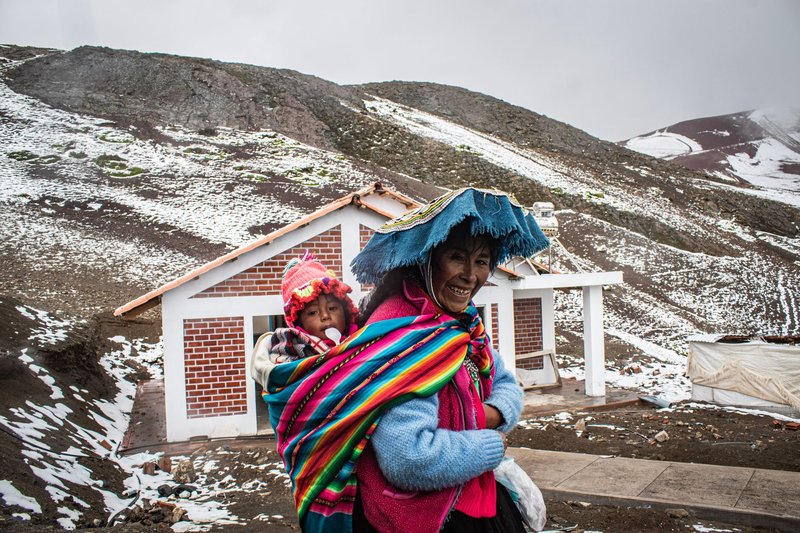
The Quechua are the largest Indigenous group in the country. Their communities stretch from Cusco and Ayacucho through Apurímac, Huancavelica and Junín. The Inca Empire spoke a form of Quechua and spread it across the Andes, which is why a farmer near Cusco and a farmer in Ayacucho share a language family despite living hundreds of kilometers apart.
Many Quechua families farm potatoes at altitudes where almost nothing else grows. Peru grows thousands of native potato varieties, and highland households often keep a dozen or more in a single field. Textiles carry real information too: patterns and colors differ by community, and in places like Chinchero weavers still dye wool with cochineal and plant pigments.
The Aymara live mainly in Puno, on the Peruvian side of Lake Titicaca, with a larger population across the border in Bolivia. They have their own language, their own calendar of festivals and a separate identity from the Quechua, despite sharing the same altitude and many crops. Near Puno, the Uros people build floating islands from totora reeds. The islands are the tourist draw, but the Uros are themselves one of the area’s distinct Indigenous communities.
The Amazon: Asháninka, Awajún and Shipibo-Konibo
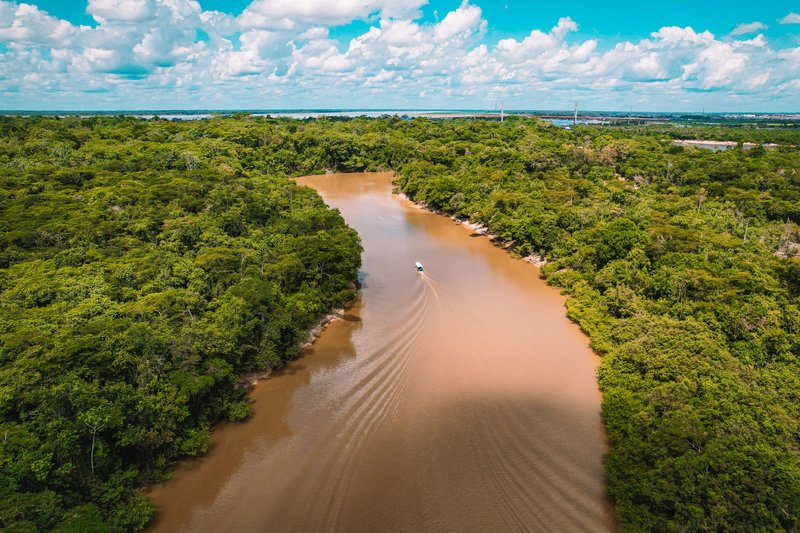
Roughly 60% of Peru’s land is Amazon rainforest, but only a small share of its people live there. The government recognizes dozens of distinct Amazonian Indigenous peoples, speaking languages from several unrelated families. The complete list of ethnic groups in Latin America places these peoples alongside the rest of the region.
Three names come up most:
- Asháninka. The largest Amazonian group, living in the central jungle along rivers in Junín, Pasco and Ucayali. They suffered heavily during the internal conflict of the 1980s and 1990s.
- Awajún. Based in the northern jungle, in Amazonas and Loreto. They’re known for resisting Inca and later Spanish conquest, and today they run organized federations that press for land titles.
- Shipibo-Konibo. Found along the Ucayali River near Pucallpa. Their geometric kené designs, painted on cloth and ceramics, are recognized by UNESCO as part of Peru’s cultural heritage.
Some groups live in voluntary isolation, with no sustained contact with outsiders. Peru has legal reserves set aside to protect them. Threats to Amazonian communities now come mostly from illegal logging, mining and oil exploration, which is why land rights sit at the center of Indigenous politics here.
The coast: Afro-Peruvians, Tusán and Nikkei
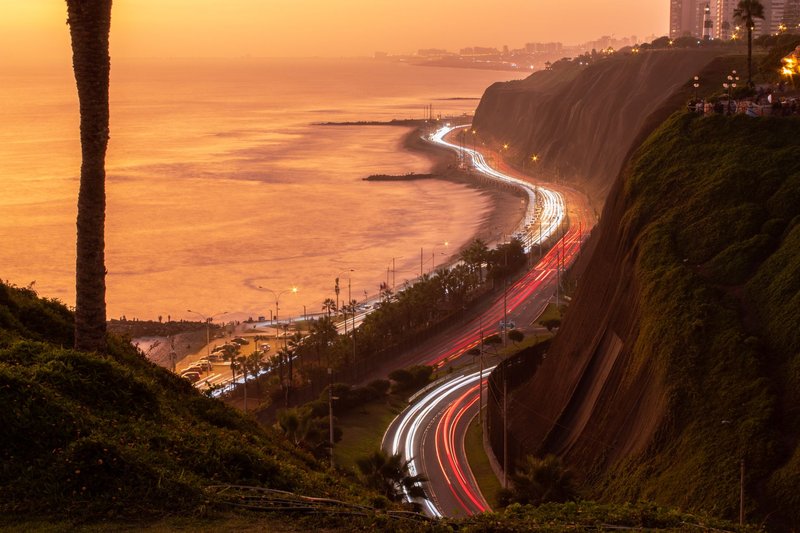
The coast is where the immigrant stories sit.
Afro-Peruvians descend from Africans brought to Peru as enslaved people during the colonial period, mostly to work on sugar and cotton estates. Their communities are concentrated south of Lima, in Chincha and the El Carmen district, and in northern towns near Piura. Their music shaped what Peruvians call “criollo” culture: the cajón, the wooden box drum now played across Latin America, started in Afro-Peruvian communities. Slavery was abolished in 1854.
Tusán is the term for Chinese-Peruvians. Contract laborers arrived from 1849, working on coastal plantations and guano islands under brutal conditions. Their descendants, and later waves of immigrants, built the shops and restaurants that became the chifa tradition, Chinese-Peruvian cooking that’s now a regular part of everyday eating in Lima. Order lomo saltado and you’re eating a dish that exists because of this history.
Nikkei are Japanese-Peruvians. The first group arrived in 1899 to work on plantations, and Peru now has one of the largest Japanese-descended communities in Latin America. Nikkei cooking, with its mix of Japanese technique and Peruvian ingredients like ají amarillo, helped put Lima on the world dining map. Alberto Fujimori, president from 1990 to 2000, was the child of Japanese immigrants.
Both Tusán and Nikkei are small in the census, but their influence on food, business and city life is far bigger than their numbers.
Mestizo identity
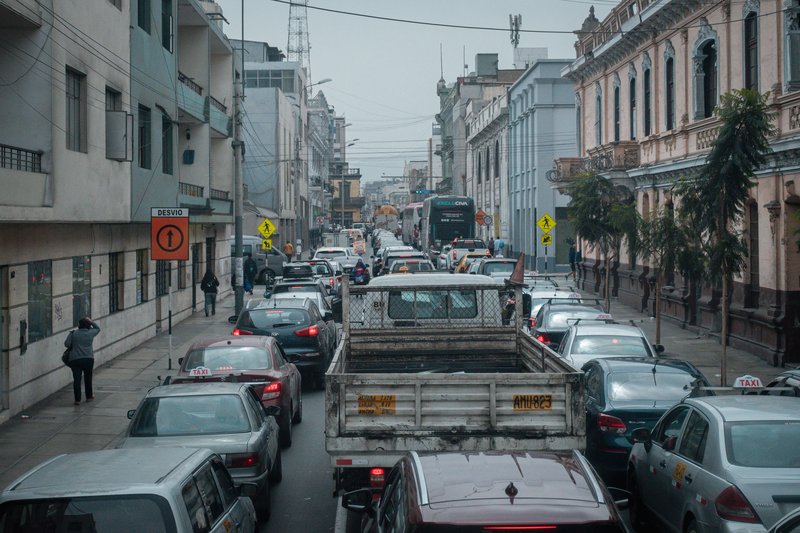
Mestizo is the biggest category and the vaguest one. It covers a Lima office worker with a Spanish surname, a market trader in Huancayo who speaks Quechua at home, and a rice farmer in Piura with mixed Indigenous, Spanish and African ancestry.
It isn’t a single culture. The mixing started in the 1500s and never stopped. A mestizo identity in the highlands often leans on Andean customs, such as the festival calendar, coca leaf offerings and the worship of mountain spirits called apus. Along the coast, it tends toward criollo culture, with Spanish-influenced music, Catholic processions and urban food. For how mixed identities differ from country to country, ethnic groups in South America, country by country is a useful comparison.
Peru also has a long history of using the word “cholo” for people who moved from Indigenous Andean backgrounds into mixed urban life. It was once a slur, and some people now use it with pride. If you’re not sure how someone identifies, use “peruano” or follow the term they use for themselves.
Meeting these groups as a traveler
You’ll run into most of these communities without trying.
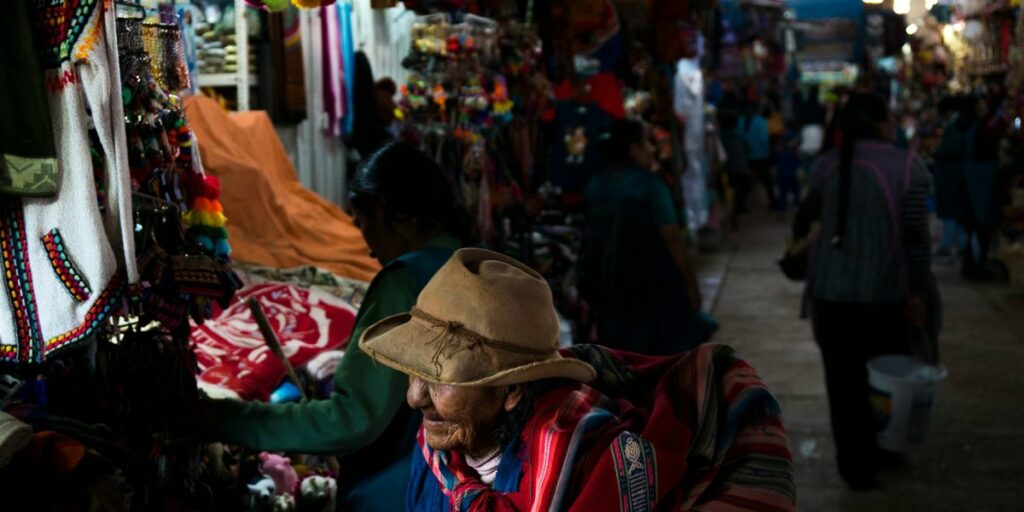
- Cusco and the Sacred Valley: Quechua-speaking communities, markets and weaving cooperatives. Buy directly from the weavers when you can.
- Puno and Lake Titicaca: Aymara and Quechua towns, plus the Uros islands and Taquile.
- Lima: Chifa and Nikkei restaurants, and Afro-Peruvian music at peñas in neighborhoods like Barranco.
- Chincha: Afro-Peruvian festivals, especially around late February.
- Pucallpa and the Ucayali: Shipibo-Konibo markets and kené craft. Check the tour operator’s relationship with the community before you book; some visits are run by the community, others by outsiders.
Some practical manners: ask before photographing people, don’t treat communities as a backdrop, and pay what’s asked for crafts instead of haggling hard. For background on how Indigenous and minority groups fare in Peru today, Minority Rights Group International keeps a detailed country profile.
Summary
Peru’s population is mostly mestizo, with Quechua and Aymara communities in the Andes, dozens of Amazonian peoples in the east, and Afro-Peruvian, Tusán and Nikkei communities on the coast. The numbers you’ll read for Peru’s ethnic groups swing widely because the census question changed from ancestry to self-identification. Use the 2017 and later figures, and read them as how people see themselves, not as a fixed count.