Latin America’s cultural landscape is the result of centuries of Indigenous civilizations, European colonization, African diasporas, and more recent global migrations, producing a wide array of languages, traditions, and identities across the region. From mountain communities to coastal cities, ethnic identity shapes politics, cuisine, and everyday life.
There are 49 Ethnic Groups in Latin America, ranging from Afro-Brazilian to Zapotec. For each group we list Principal countries,Population (est.),Origin/meaning (max 15 words) so you can quickly compare where groups live and a brief background; you’ll find below.
How reliable are the population estimates for these ethnic groups?
Population figures are best viewed as estimates because sources vary—national censuses, ethnographic studies, and UN reports use different definitions and self-identification methods; treat numbers as approximations and check original census methodology for precise use.
Can I reuse this list for research or teaching materials?
Yes—it’s a starting point: cite the primary sources (national statistics offices, academic studies) for any formal research, note the year of the data, and clarify whether groups are defined by language, descent, or self-identification when presenting the list.
Ethnic Groups in Latin America
| Name | Principal countries | Population (est.) | Origin/meaning (max 15 words) |
|---|---|---|---|
| Quechua | Peru,Bolivia,Ecuador,Argentina,Colombia | 8,000,000 | Name from Quechua language; means “people/valley” |
| Aymara | Bolivia,Peru,Chile | 2,000,000 | Possibly from native language; name linked to Altiplano communities |
| Mapuche | Chile,Argentina | 1,700,000 | From Mapudungun: “people of the land” |
| Guaraní | Paraguay,Brazil,Argentina,Bolivia | 6,000,000 | Name from Guaraní language group; ethnic-linguistic identity |
| Maya | Guatemala,Mexico,Belize,Honduras,El Salvador | 6,000,000 | Name from classical Maya civilization; broad language family |
| Nahua | Mexico,El Salvador,Guatemala | 2,500,000 | From Nahuatl language; historically “people” or “those who speak Nahuatl” |
| K’iche’ (Quiché) | Guatemala | 1,000,000 | Name from K’iche’ language; “many trees” (etymology contested) |
| Kichwa (Quichua) | Ecuador,Peru,Colombia | 2,000,000 | Local Quechua variant name used in Ecuador and Amazon regions |
| Shuar | Ecuador,Peru | 70,000 | Name from Shuar language family; means “people” approximate |
| Wayuu | Colombia,Venezuela | 420,000 | Name from Wayuunaiki language; often means “people of the desert” |
| Kuna (Guna) | Panama,Colombia | 70,000 | Endonym often spelled Guna; meaning contested |
| Miskito | Nicaragua,Honduras | 200,000 | Name of coastal indigenous people; etymology uncertain |
| Garifuna | Honduras,Belize,Guatemala,Nicaragua | 200,000 | Name from Black Caribs; combines Arawak-Carib-African heritage |
| Palenquero | Colombia | 10,000 | Name from palenque (Maroon settlement); Spanish origin |
| Afro-Brazilian | Brazil | 100,000,000 | Pan-ethnic term for Brazilians of African descent |
| Quilombola | Brazil | 1,200,000 | From quilombo: settlements of escaped enslaved people |
| Afro-Colombian | Colombia | 4,700,000 | Pan-ethnic term for Colombians of African descent |
| Afro-Peruvian | Peru | 1,500,000 | Pan-ethnic term for Peruvians of African descent |
| Afro-Puerto Rican | Puerto Rico | 1,000,000 | Pan-ethnic term for Puerto Ricans of African descent |
| Emberá | Colombia,Panama | 115,000 | Name from Emberá language meaning “people” |
| Ngäbe-Buglé | Panama,Costa Rica | 200,000 | Compound name of two groups Ngäbe and Buglé |
| Bribri | Costa Rica,Panama | 36,000 | Name from Bribri language; meaning contested |
| Lenca | Honduras,El Salvador | 450,000 | Name of historical indigenous group; etymology uncertain |
| Pipil | El Salvador,Nicaragua,Honduras | 120,000 | From Nawat (Pipil) language; variant of Nahua peoples |
| Taíno | Dominican Republic,Cuba,Puerto Rico | unknown | Arawakan name; historically “good” or people self-name |
| Muisca (Chibcha) | Colombia | 200,000 | Name from Chibcha-speaking confederation; colonial term “Muisca” |
| Ticuna | Brazil,Colombia,Peru | 50,000 | Endonym often Tïkuña; Amazonian origin |
| Shipibo-Conibo | Peru | 35,000 | Names of two related Amazonian peoples/languages |
| Yanomami | Venezuela,Brazil | 35,000 | Name from Yanomami language “people of the forest” |
| Asháninka | Peru,Brazil | 100,000 | Name from Asháninka language; “those who live in the forest” |
| Warao | Venezuela,Guyana | 36,000 | Name means “boat people” in Warao language |
| Mixtec | Mexico (Oaxaca,Guerrero,Oaxaca State) | 800,000 | Name from Mixtecan languages; “people of the rain” (interpretations) |
| Zapotec | Mexico (Oaxaca) | 800,000 | Name from Zapotec language; “people of the clouds” (etymology debated) |
| Otomi | Mexico | 300,000 | Name from Otomi language; endonym Hñähñu means “people” |
| Purépecha (Tarascan) | Mexico (Michoacán) | 150,000 | Endonym sometimes R´ani; Spanish name Purépecha |
| Huichol (Wixarika) | Mexico | 35,000 | Self-name Wixarika; Spanish Huichol is exonym |
| Rarámuri (Tarahumara) | Mexico | 70,000 | Name meaning “runners” (Rarámuri) in their language |
| Tzotzil | Mexico (Chiapas) | 350,000 | Name from Tzotzil language; “true people” (approx.) |
| Tzeltal | Mexico (Chiapas) | 420,000 | From Tzeltal language; meaning “true people” (approx.) |
| Totonac | Mexico (Veracruz,Puebla) | 250,000 | From Totonac language; historically “people of the toucans” |
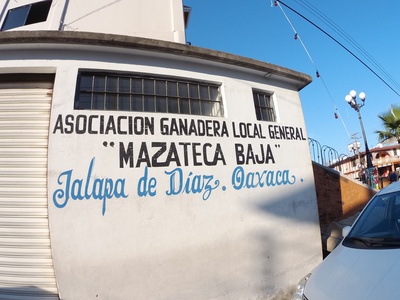
| Mazatec | Mexico (Oaxaca,Veracruz) | 300,000 | Name from Mazatec language; endonym Ha shuta enx |
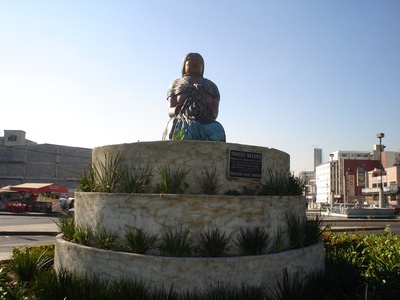
| Mazahua | Mexico (State of Mexico,Michoacán) | 350,000 | Name from Mazahua language; meaning debated |
| Tupi (Tupi-Guarani umbrella) | Brazil,Paraguay,Bolivia | 70,000 | From Tupi languages; umbrella term for coastal Amazonian peoples |
| Kayapó | Brazil | 6,000 | Name from Kayapó language; meaning contested |
| Xavante | Brazil | 13,000 | Endonym meaning debated; known in Portuguese as Xavante |
| Kaxinawá (Huni Kuin) | Brazil,Peru | 30,000 | Endonym Huni Kuin means “true people” |
| Kichwa Amazon (Napo Kichwa) | Ecuador,Peru | 150,000 | Local Quechua variant name used in Amazon regions |
| Pemon | Venezuela,Brazil,Guyana | 40,000 | Name from Pemon language; meaning uncertain |
| Cofan | Ecuador,Colombia | 10,000 | Endonym A’ingae; Spanish Cofan is exonym |
Images and Descriptions
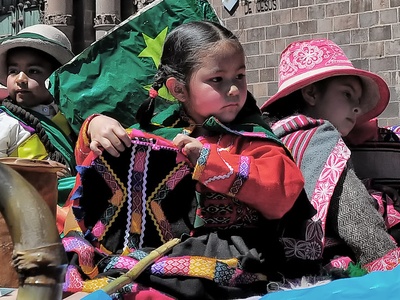
Quechua
Largest indigenous people of the Andes; speak Quechua languages across Peru, Bolivia and Ecuador. Traditionally farmers and herders in highland valleys, known for textile weaving, communal farming, Andean rituals and strong links to Inca heritage and language survival.
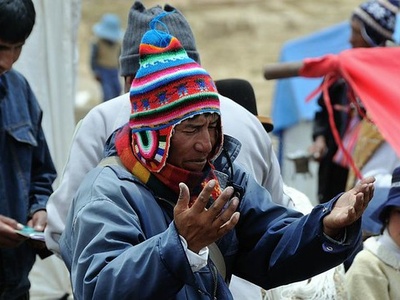
Aymara
Highland people around Lake Titicaca and the Altiplano who speak Aymara. They practice potato and llama husbandry, maintain Andean spiritual traditions, distinctive textiles and strong regional political presence in Bolivia and southern Peru.
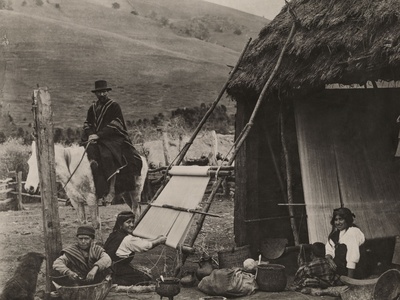
Mapuche
Indigenous nation of southern Chile and Argentina; speak Mapudungun and Spanish. Historically organized in autonomous communities, known for resistance to colonization, rich weaving and silverwork traditions, and ongoing land and cultural rights movements.
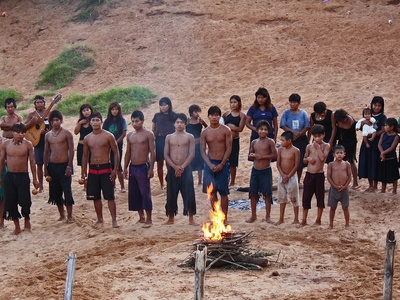
Guaraní
Indigenous people of the Paraná and Amazon regions; many speak Guaraní or bilingual Spanish/Guaraní, especially in Paraguay where Guaraní is co-official. Known for agriculture, communal life, music, and strong cultural influence in national identities.
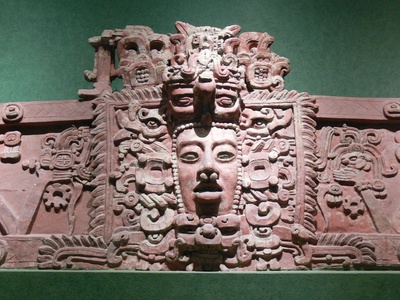
Maya
A large set of culturally related indigenous groups across southern Mexico and Central America. Speak diverse Maya languages, retain ancient calendars, architecture and weaving traditions, and live in highlands and lowland regions with strong cultural continuity.

Nahua
Descendants of central Mexican Nahuatl-speaking peoples including Aztec-era groups. Concentrated in central Mexico and parts of Central America; known for Nahuatl language, maize agriculture, traditional crafts and rich oral traditions.
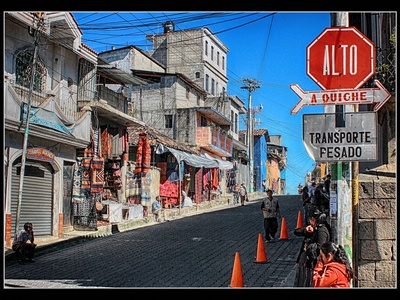
K’iche’ (Quiché)
One of Guatemala’s largest Maya peoples; speak K’iche’ language and Spanish. Strong highland presence, maintain weaving, agriculture, and traditional spiritual practices documented in colonial-era texts like the Popol Vuh.
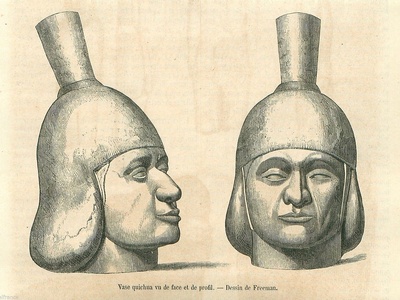
Kichwa (Quichua)
Quechua-speaking peoples of Ecuador and adjacent Amazon areas; rural farmers, artisans and smallholders who blend Andean and Amazonian customs. Kichwa identity includes language revitalization and activism for land and bilingual education.
Shuar
Amazonian indigenous group in Ecuador and northern Peru; speak Shuar and Spanish. Known historically for headhunting legacy (pre-contact), rich oral traditions, cassava agriculture, and strong community-based territorial organization and indigenous federations.
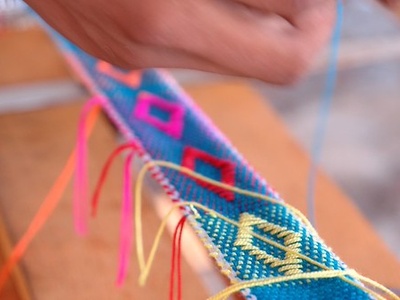
Wayuu
Largest indigenous group of northern Colombia and Venezuela’s Guajira Peninsula; speak Wayuunaiki. Pastoralists and artisan weavers known for mochila bags, matrilineal clans, and cross-border cultural continuity.
Kuna (Guna)
Indigenous people of Panama’s Caribbean islands and coastal mainland; speak Guna. Known for autonomous comarca, vibrant mola textile panels, fishing economy, and strong local governance protecting language and territory.
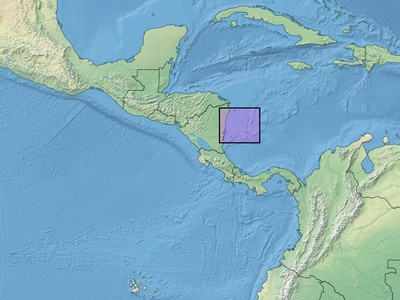
Miskito
Atlantic coastal people of Nicaragua and Honduras; speak Miskito, Spanish and English Creole. Traditionally fisherfolk and small-scale farmers with a history of autonomy, Afro-indigenous mixing, and maritime culture.
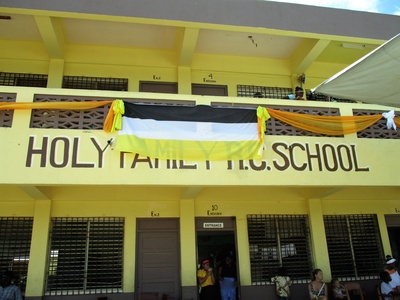
Garifuna
Afro-indigenous community of Central American Caribbean coasts; speak Garifuna, Spanish and English. Known for unique music, drumming, dance, storytelling, and a history of Maroon ancestry combining West African and indigenous roots.
Palenquero
Afro-descendant community founded by runaway enslaved people in Colombia; speak Palenquero creole and Spanish. Centered in San Basilio de Palenque, known for preservation of African-derived language, music and cultural practices.
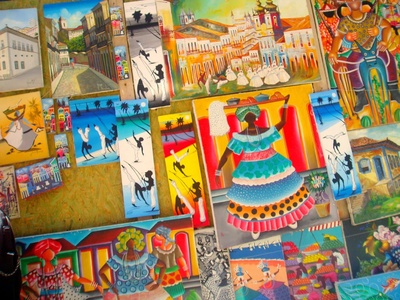
Afro-Brazilian
Large and diverse Afro-descendant population in Brazil encompassing many cultural identities. Speak Portuguese; notable for strong influence on religion (Candomblé), music (samba, capoeira), cuisine and regional cultural forms across the country.
Quilombola
Rural Afro-Brazilian communities descended from escaped enslaved people; many maintain distinct territories and cultural traditions. Recognized legally in Brazil, they preserve African-influenced music, foodways, crafts and communal land claims.
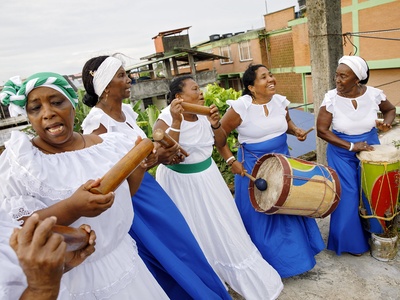
Afro-Colombian
Coastal and Pacific lowland communities with African ancestry. Speak Spanish and local creoles; known for marimba music, traditional dances, fishing economies, and strong regional cultural identities shaped by African heritage.
Afro-Peruvian
Communities mainly on Peru’s coast descended from enslaved Africans. Spanish-speaking with distinctive musical traditions like festejo, foodways, and social movements promoting Afro-Peruvian history and cultural recognition.
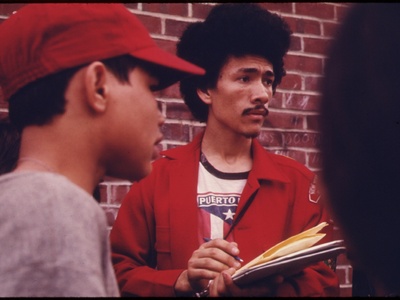
Afro-Puerto Rican
Puerto Rican communities with African ancestry; Spanish-speaking with strong influences in music (bomba, plena), religious syncretism, and cultural expressions shaped by African, Taíno and Spanish legacies.
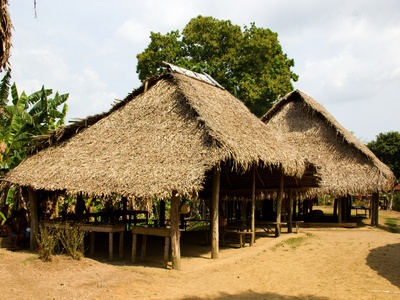
Emberá
Indigenous peoples of Panama and Colombian Pacific/Chocó region; speak Emberá languages. Rural riverine communities known for basketry, beadwork, body painting, fishing, and resilient cultural autonomy in lowland rainforest areas.
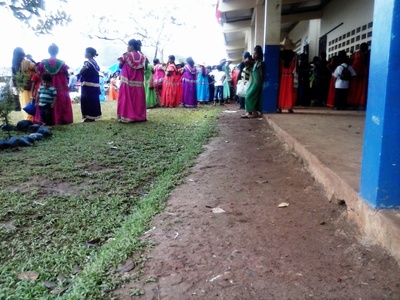
Ngäbe-Buglé
Largest indigenous group in Panama with a comarca; speak Ngäbere and Buglé. Practicing subsistence farming, craft weaving and communal governance, they maintain traditional dress and strong cultural institutions.
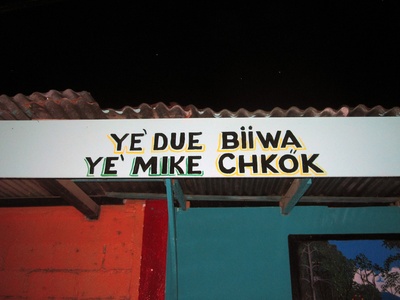
Bribri
Indigenous group of southern Costa Rica and northern Panama; speak Bribri and Spanish. Known for cacao cultivation, matrilineal social structure, traditional medicine and rich oral traditions tied to rainforest territories.
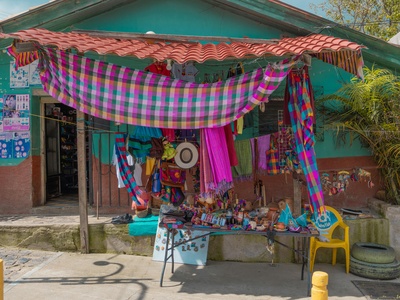
Lenca
Indigenous peoples of Honduras and El Salvador with surviving communities and mixed descendants; speak Spanish and some maintain Lenca cultural practices, crafts, and agricultural traditions while engaging in land and cultural rights activism.
Pipil
Uto-Aztecan-speaking group in El Salvador and parts of Central America; speak Nawat (revival efforts) and Spanish. Historically settled in Pacific lowlands, known for cacao cultivation, crafts and Nahua cultural heritage.
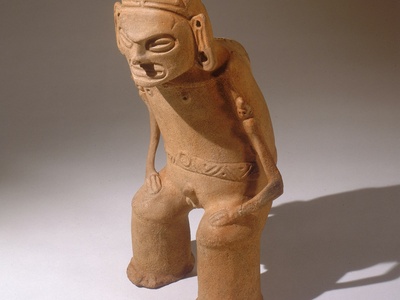
Taíno
Indigenous people of the Greater Antilles with substantial historical legacy; many modern descendants and cultural revival movements. Known for pre-Columbian chiefdoms, cassava agriculture, canoeing, and influence on Caribbean languages and place names.
Muisca (Chibcha)
Highland people of the Bogotá plateau in Colombia; historically organized in chiefdoms noted for goldwork and salt production. Modern descendants preserve ceramics, weaving and community traditions with growing cultural revitalization.
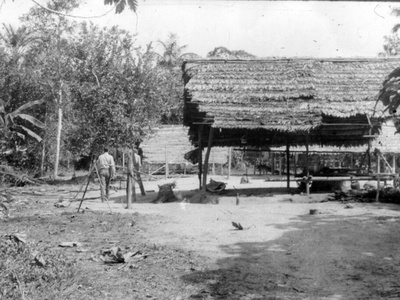
Ticuna
Large Amazonian group along the Solimões/Amazon river; speak Ticuna languages. Practise fishing, swidden agriculture, intricate body painting and featherwork, with strong local identities across national borders.
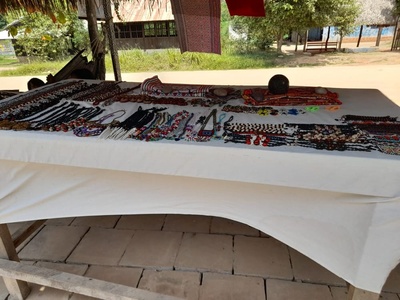
Shipibo-Conibo
Indigenous people of the Peruvian Amazon in Ucayali; speak Shipibo-Conibo languages. Known for elaborate geometric textiles, ayahuasca healing traditions, riverine livelihoods and efforts to protect territory from extractive threats.
Yanomami
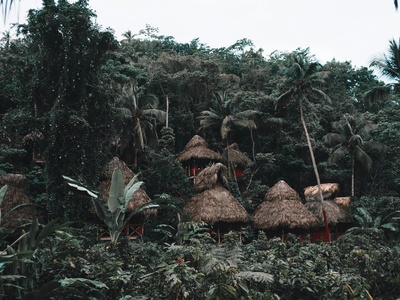
Large Amazonian group across Venezuela and Brazil; live in communal shabonos, practice horticulture and hunting, speak Yanomami languages. Known for distinctive social structures, body ornamentation, and longstanding struggles to defend territory and health.
Asháninka
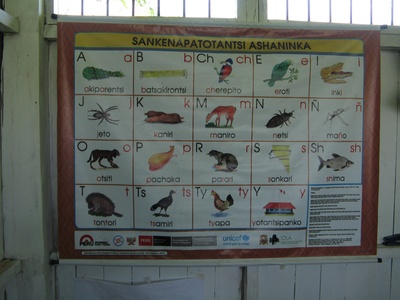
Amazonian peoples in Peruvian and Brazilian rainforests; speak Asháninka languages. Practice swidden agriculture, maintain rich oral traditions, handicrafts and strong resistance to colonization and resource extraction in their territories.
Warao
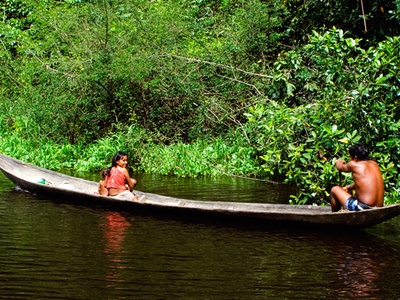
Indigenous people of the Orinoco Delta; speak Warao. Riverine specialists with stilt houses and dugout canoe culture, reliant on fishing, weaving and unique cosmology tied to delta ecology.
Mixtec
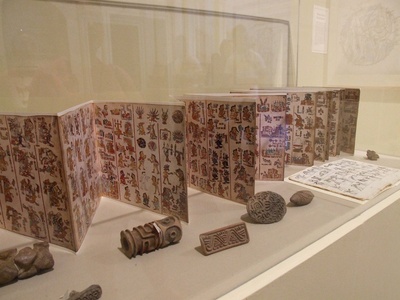
Indigenous people of southern Mexico; speak Mixtec languages and Spanish. Renowned for pre-Columbian codices, intricate silversmithing, textiles, communal land holdings and migration networks across Mexico and the United States.
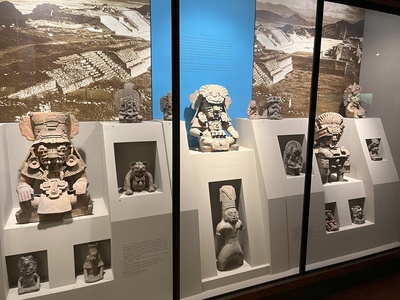
Zapotec
Indigenous highland people of Oaxaca; speak Zapotec languages. Known for ancient city-states like Monte Albán, strong craft traditions, festivals, regional dialect diversity and persistent community governance structures.
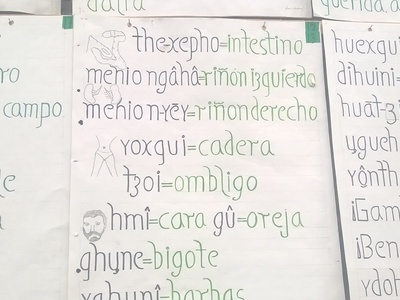
Otomi
Central Mexican indigenous group; speak Otomi (Hñähñu) and Spanish. Historically agricultural, with rich embroidery and textile crafts, community governance, and presence across highland Mexico.
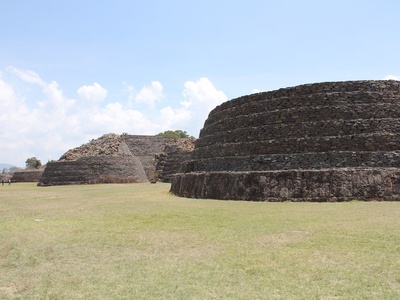
Purépecha (Tarascan)
Indigenous people of Michoacán with distinct non-Uto-Aztecan language; historically the Tarascan state resisted Aztec expansion. Known for copperwork, ceramics, music and strong cultural continuity in the Lake Pátzcuaro region.
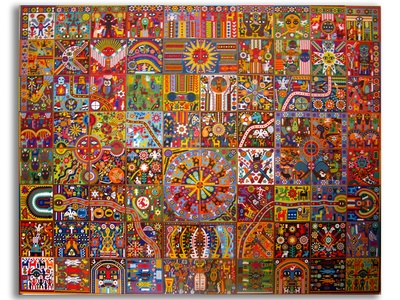
Huichol (Wixarika)
Highland and desert people of western Mexico; practice peyote pilgrimage, bead and yarn art, polytheistic rituals and maintain shamanic traditions. Speak Wixarika and live in communal rancherías across Nayarit, Jalisco and Durango.
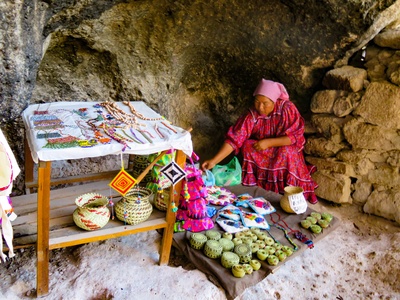
Rarámuri (Tarahumara)
Indigenous people of Chihuahua’s Sierra Madre; renowned for long-distance running, cave-dwelling traditions, maize agriculture, basketry and deep connection to mountain landscapes and traditional ceremonies.
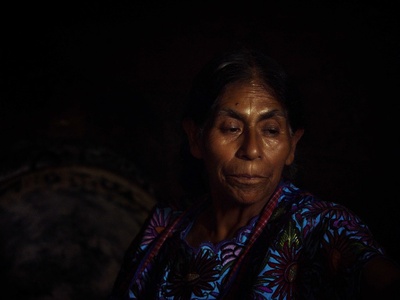
Tzotzil
Highland Maya group in Chiapas; speak Tzotzil and Spanish. Live in highland villages, maintain textile weaving, distinctive dress, community festivals, syncretic Catholic beliefs and strong local governance.
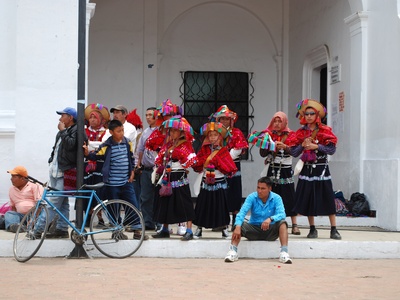
Tzeltal
Mayan-speaking highland community in Chiapas; agriculturalists known for corn cultivation, weaving, communal land systems and retention of many pre-Columbian customs blended with Catholic rites.
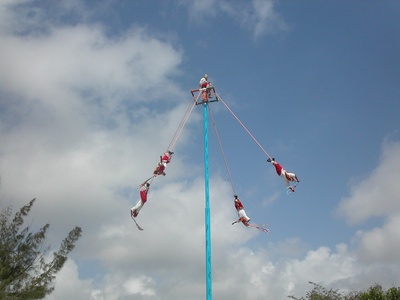
Totonac
Indigenous people of Veracruz and Puebla; historically linked to El Tajín culture. Speak Totonac languages, known for vanilla cultivation, ritual dances (Voladores) and rich pre-Hispanic archaeological heritage.
Mazatec
Indigenous people of Oaxaca and nearby states; speak Mazatec languages. Noted for traditional plant knowledge, curanderismo, sacred mushroom use in ritual contexts, and textile crafts.
Mazahua
Highland indigenous group in central Mexico; speak Mazahua and Spanish. Engage in agriculture and craftwork, maintain traditional dress, community rituals and migration ties to urban labor markets.
Tupi (Tupi-Guarani umbrella)
Historic and extant Tupi-speaking peoples across Brazil and neighbouring countries. Many groups assimilated but several maintain languages, shamanic practices, canoe-based economies, and distinctive body art and cosmologies.
Kayapó
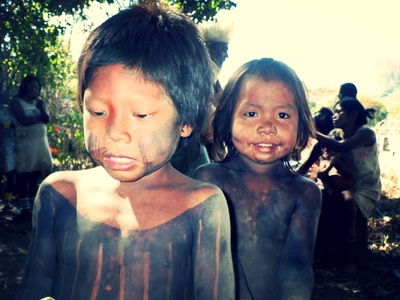
Indigenous group of Brazil’s Eastern Amazon known for elaborate body paint and beadwork, strong environmental activism, village federations, and mastery of riverine and forest economies while defending territory against development pressures.
Xavante
Central Brazilian indigenous people of the Cerrado; speak Akuwẽ languages. Renowned for ritual cycles, body painting, warrior traditions, cattle interactions and ongoing land rights and health challenges.
Kaxinawá (Huni Kuin)
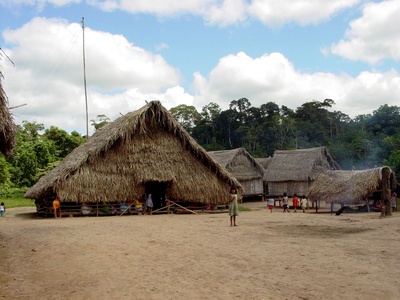
Amazonian group spanning Brazil and Peru; speak Huni Kuin languages. Known for rich ayahuasca-based shamanic traditions, elaborate textile and feather crafts, and communal longhouse living along rivers.
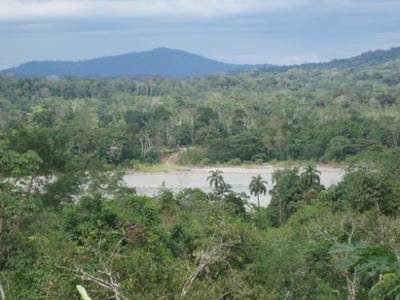
Kichwa Amazon (Napo Kichwa)
Amazonian Kichwa-speaking communities in Ecuador and Peru practicing mixed agriculture, fishing and artisanal crafts. Maintain bilingualism, indigenous governance structures, and cultural resilience amid oil, logging and plantation pressures.
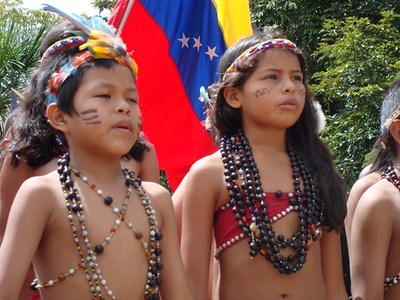
Pemon
Indigenous group of the Gran Sabana and Guiana Highlands; speak Pemon languages. Noted for stonecraft, traditional cosmology tied to tepuis, tourism interactions and efforts to protect territories from mining and development.
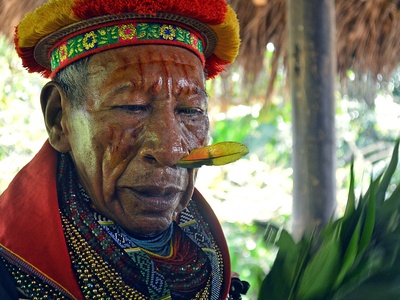
Cofan
Small Amazonian group in Ecuador and Colombia; speak A’ingae. Known for traditional hunting, shifting cultivation, intricate knowledge of medicinal plants and active resistance to oil extraction and deforestation in ancestral lands.