You can get around Panama City on English alone. You can’t do the same on a local bus in Chiriquí, at a fonda in Las Tablas, or in a pharmacy in Santiago. The phrases below cover both versions of the trip, sorted by the situation you’re standing in, with a pronunciation guide next to every line.
Every table has three columns: Spanish, a rough phonetic reading (capital letters mark the stressed syllable), and English. The phonetics are written for English speakers, so they’re approximate. Panamanians will understand you anyway. They hear tourist Spanish all day.
Table of Contents
- TLDR
- Do They Speak English in Panama?
- Before You Start: Usted vs. Tú and How Panamanians Talk
- Greetings and Basics
- Arrival and Taxis
- Hotel
- Restaurants
- Shopping, Markets, and Money
- Numbers
- Directions and Buses
- Health and Pharmacies
- Emergencies
- Panamanian Slang and When to Use It
- Cheat Sheet: 15 Useful Phrases for Tourists in Panama
TLDR
- English is common in Panama City (hotels, banks, Casco Viejo, the Canal visitor areas), Boquete, and Bocas del Toro. It thins out fast in the interior, on local buses, and in small-town restaurants.
- The currency is the US dollar. Panama’s balboa exists only as coins, and they match US coins in size and value.
- Most taxis have no meter. Agree on the fare before you get in.
- Use usted with strangers, older people, and officials. Save tú for people your age who use it first.
- Learn five phrases first: Buenas, por favor, gracias, ¿Cuánto cuesta?, and ¿Habla inglés?
- The emergency number for police, fire, and ambulance is 911.
Do They Speak English in Panama?
It depends on where you are and who you’re talking to.
English works well in: Panama City’s business districts, upscale hotels, tour operators, airport desks, and the tourist-facing parts of Casco Viejo. Boquete has a large expat population, so English is routine in cafés, hostels, and tour offices. Bocas del Toro has its own history: the islands have an English-based Creole spoken by Afro-Caribbean families, and tourism has made English standard in bars and dive shops.
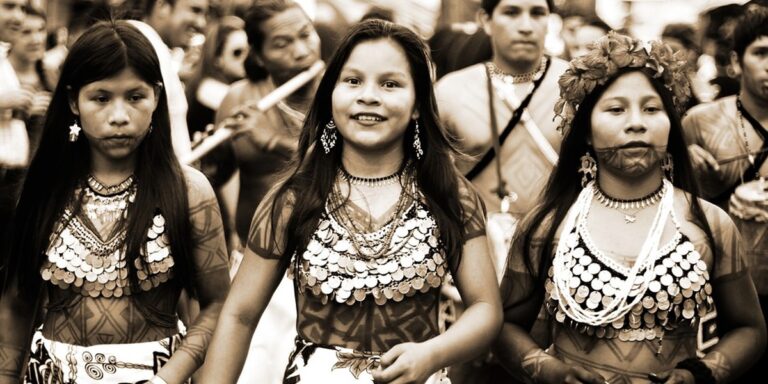
English falls off in: taxis (many drivers know numbers and place names, not much more), local buses, markets, small-town restaurants, and anywhere in the interior provinces such as Herrera, Los Santos, Veraguas, and Darién. In the Guna Yala and Ngäbe-Buglé comarcas, many people speak Guna or Ngäbere first and Spanish second. English is a distant third.
The practical rule: use English to start in tourist zones, and switch to Spanish the moment someone hesitates. A badly pronounced “Buenas, ¿habla inglés?” gets a warmer response than a loud English question.
Before You Start: Usted vs. Tú and How Panamanians Talk
Spanish has two ways to say “you.” Tú is informal. Usted is formal, and it’s the safe default for a visitor.
| Use | With |
|---|---|
| Usted (oos-TED) | Strangers, taxi drivers, hotel staff, police, anyone older than you, anyone in a service role |
| Tú (too) | Friends, kids, people your age who’ve started using tú with you |
The verb changes with it. “How are you?” is ¿Cómo está usted? (formal) or ¿Cómo estás? (informal). If you only memorize one set of verb forms, memorize the usted ones. Nobody in Panama will be offended by too much politeness.
A listening note: Panamanian Spanish is fast, and speakers often soften or drop the final s. Gracias can sound like “GRAH-see-ah,” and ¿Cómo estás? can come out as “KOH-moh eh-TAH.” If you’re lost, ask for slower speech (the phrase is in the next section) rather than assuming you’ve learned the wrong Spanish.
Greetings and Basics
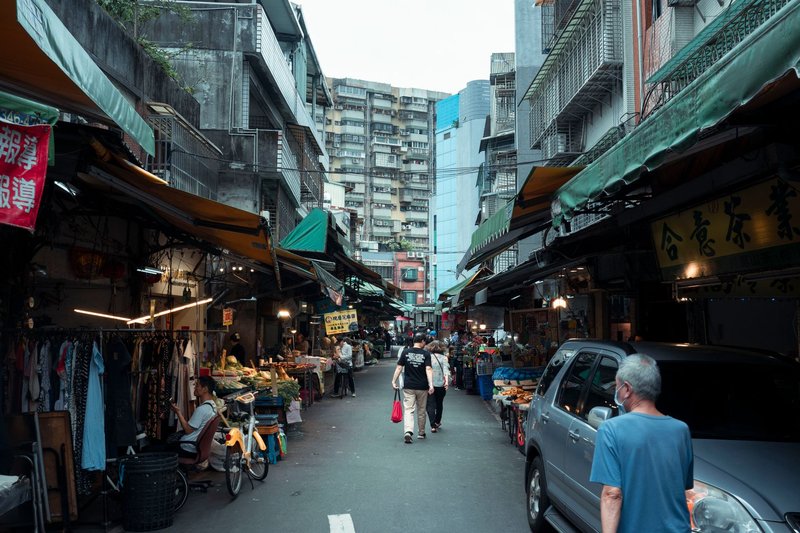
Buenas alone is a complete greeting in Panama. Say it walking into a shop, a bus, a waiting room, or a lift. Skipping it can come across as rude.
| Spanish | Pronunciation | English |
|---|---|---|
| Buenos días | BWAY-nohs DEE-ahs | Good morning |
| Buenas tardes | BWAY-nahs TAR-dess | Good afternoon (from about noon) |
| Buenas noches | BWAY-nahs NOH-chess | Good evening / good night |
| Buenas | BWAY-nahs | Hi (any time of day, informal-polite) |
| Por favor | por fah-VOR | Please |
| Gracias | GRAH-see-ahs | Thank you |
| De nada / Con gusto | deh NAH-dah / kon GOOS-toh | You’re welcome |
| Con permiso | kon per-MEE-soh | Excuse me (squeezing past someone) |
| Perdón | per-DOHN | Sorry / pardon |
| No hablo mucho español | noh AH-bloh MOO-choh ess-pahn-YOL | I don’t speak much Spanish |
| ¿Habla inglés? | AH-blah een-GLESS | Do you speak English? |
| Más despacio, por favor | mahs dess-PAH-see-oh, por fah-VOR | Slower, please |
| No entiendo | noh en-tee-EN-doh | I don’t understand |
| ¿Cómo se dice…? | KOH-moh seh DEE-seh | How do you say…? |
The h in Spanish is silent, so hablo starts with “AH.” Gracias uses a plain “s” sound throughout Latin America, with no English “th.”
Arrival and Taxis
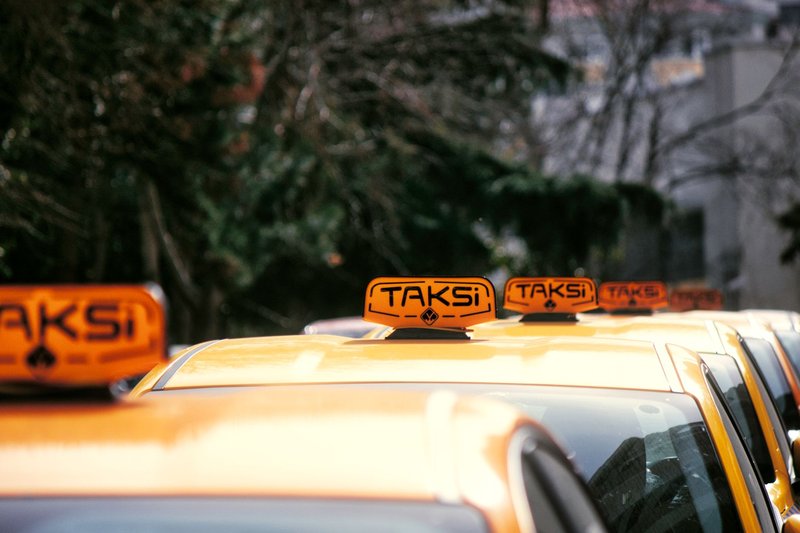
Panama City has Uber and similar apps, but plenty of visitors still flag street taxis, and most of those don’t run meters. The fare is whatever you and the driver agree on, so you need to ask before you sit down. Fares are in US dollars, and a driver who quotes a price per person for a short ride is worth a second look. Ask whether the price is for the whole car.
| Spanish | Pronunciation | English |
|---|---|---|
| ¿Cuánto me cobra a Casco Viejo? | KWAN-toh meh KOH-brah ah KAHS-koh vee-AY-hoh | How much to Casco Viejo? |
| ¿Es el precio total? | ess el PREH-see-oh toh-TAL | Is that the total price? |
| ¿Es por persona o por el carro? | ess por per-SOH-nah oh por el KAH-rroh | Is that per person or for the car? |
| Es mucho. | ess MOO-choh | That’s a lot. |
| ¿Me hace un mejor precio? | meh AH-seh oon meh-HOR PREH-see-oh | Can you give me a better price? |
| Voy al aeropuerto de Tocumen. | boy al ah-eh-roh-PWER-toh deh toh-koo-MEN | I’m going to Tocumen Airport. |
| Voy a este hotel. | boy ah ESS-teh oh-TEL | I’m going to this hotel. (show the address) |
| ¿Puede esperar, por favor? | PWEH-deh ess-peh-RAR | Can you wait, please? |
| Pare aquí, por favor. | PAH-reh ah-KEE | Stop here, please. |
| ¿Tiene cambio de veinte? | tee-EH-neh KAM-bee-oh deh BAYN-teh | Do you have change for a twenty? |
Two practical points. First, drivers often carry little change, so break large bills before you travel. Second, show the address on your phone as well as saying it. Place names in Panama City (especially neighborhoods and landmarks used as addresses) don’t always match what a map shows.
Hotel
Most hotels in the capital and the main tourist towns have English-speaking front desks. Guesthouses and small lodges in the interior often don’t, and this is where a few lines save time.
| Spanish | Pronunciation | English |
|---|---|---|
| Tengo una reserva a nombre de… | TEN-goh OO-nah reh-SER-vah ah NOM-breh deh | I have a reservation under the name of… |
| ¿A qué hora es la salida? | ah keh OH-rah ess lah sah-LEE-dah | What time is check-out? |
| ¿Hay agua caliente? | eye AH-gwah kah-lee-EN-teh | Is there hot water? |
| ¿Hay aire acondicionado? | eye EYE-reh ah-kon-dee-see-oh-NAH-doh | Is there air conditioning? |
| ¿Cuál es la clave del wifi? | kwal ess lah KLAH-veh del WEE-fee | What’s the wifi password? |
| ¿Pueden guardar mi maleta? | PWEH-den gwar-DAR mee mah-LEH-tah | Can you keep my suitcase? |
| No funciona el aire. | noh foon-see-OH-nah el EYE-reh | The A/C isn’t working. |
| Necesito una toalla más. | neh-seh-SEE-toh OO-nah toh-AH-yah mahs | I need another towel. |
Clave (key) is the common word for a password across Panama. Contraseña is also understood.
Restaurants
Panamanian food is mild, built on rice, plantain, yuca, corn, fish, and chicken. Menus outside the capital may be handwritten Spanish only, so the vocabulary table below pays off.
| Spanish | Pronunciation | English |
|---|---|---|
| Una mesa para dos, por favor | OO-nah MEH-sah PAH-rah dohs | A table for two, please |
| ¿Me trae el menú? | meh TRAH-eh el meh-NOO | Could you bring me the menu? |
| Quisiera… | kee-see-EH-rah | I’d like… |
| ¿Qué me recomienda? | keh meh reh-koh-mee-EN-dah | What do you recommend? |
| Soy vegetariano / vegetariana | soy beh-heh-tah-ree-AH-noh / -nah | I’m vegetarian |
| Soy alérgico / alérgica a… | soy ah-LER-hee-koh / -kah ah | I’m allergic to… |
| Sin hielo | seen YEH-loh | No ice |
| La cuenta, por favor | lah KWEN-tah, por fah-VOR | The check, please |
| ¿Está incluida la propina? | ess-TAH een-kloo-EE-dah lah proh-PEE-nah | Is the tip included? |
| ¿Aceptan tarjeta? | ah-SEP-tan tar-HEH-tah | Do you take cards? |
Tipping: Check the bill for servicio or propina before adding anything. Some restaurants include a service charge, mostly tourist-oriented ones. A sales tax (ITBMS, 7% on most goods and services) also shows up on receipts, and it isn’t a tip. At casual places, rounding up or leaving a dollar or two is normal.
Dishes you’ll see on menus:
| Spanish | Pronunciation | What it is |
|---|---|---|
| Sancocho | sahn-KOH-choh | Chicken and root-vegetable soup, flavored with culantro. Often called the national dish. |
| Patacones | pah-tah-KOH-ness | Twice-fried green plantain discs |
| Carimañola | kah-ree-mahn-YOH-lah | Fried yuca roll filled with meat |
| Hojaldra | oh-HAL-drah | Fried dough, a breakfast staple |
| Ceviche | seh-VEE-cheh | Raw fish cured in lime, sold from stalls and at the Mercado de Mariscos in Panama City |
| Chicheme | chee-CHEH-meh | Sweet drink made from corn and milk |
| Raspao | rah-SPAH-oh | Shaved ice with syrup, sold from street carts |
Shopping, Markets, and Money
The dollar is the working currency. Panama uses balboa coins at par with US coins, so a quarter from either country works. Paper money is all US bills. Smaller shops often can’t break a $50 or $100, so carry fives and ones.
Bargaining is normal with artisans selling molas (the layered textile panels made by Guna women) and at some craft stalls. It’s not normal in supermarkets, pharmacies, or fixed-price shops.
| Spanish | Pronunciation | English |
|---|---|---|
| ¿Cuánto cuesta? / ¿Cuánto es? | KWAN-toh KWESS-tah / KWAN-toh ess | How much is it? |
| Solo estoy mirando | SOH-loh ess-TOY mee-RAN-doh | I’m just looking |
| Es muy caro | ess mwee KAH-roh | It’s too expensive |
| ¿Tiene algo más barato? | tee-EH-neh AL-goh mahs bah-RAH-toh | Do you have something cheaper? |
| ¿Cuál es su mejor precio? | kwal ess soo meh-HOR PREH-see-oh | What’s your best price? |
| Me lo llevo | meh loh YEH-voh | I’ll take it |
| ¿Tiene cambio? | tee-EH-neh KAM-bee-oh | Do you have change? |
| ¿Aceptan tarjeta? | ah-SEP-tan tar-HEH-tah | Do you take cards? |
| ¿Dónde hay un cajero? | DON-deh eye oon kah-HEH-roh | Where’s an ATM? |
| ¿Me da una bolsa? | meh dah OO-nah BOL-sah | Could I have a bag? |
Numbers
Most lists stop at ten, which is no help when a taxi driver says “quince dólares.” Here’s the range you’ll use for prices and times.
| Number | Spanish | Pronunciation |
|---|---|---|
| 1 | uno | OO-noh |
| 2 | dos | dohs |
| 3 | tres | trehs |
| 4 | cuatro | KWAH-troh |
| 5 | cinco | SEEN-koh |
| 6 | seis | sayss |
| 7 | siete | see-EH-teh |
| 8 | ocho | OH-choh |
| 9 | nueve | NWEH-veh |
| 10 | diez | dee-ESS |
| 11 | once | OHN-seh |
| 12 | doce | DOH-seh |
| 15 | quince | KEEN-seh |
| 20 | veinte | BAYN-teh |
| 30 | treinta | TRAYN-tah |
| 40 | cuarenta | kwah-REN-tah |
| 50 | cincuenta | seen-KWEN-tah |
| 100 | cien | see-EN |
| 1,000 | mil | meel |
From 31 up, join the tens and units with y: 35 is treinta y cinco (TRAYN-tah ee SEEN-koh). Prices for a ride or a meal rarely go past the fifties, so those numbers cover most of what you’ll hear.
Directions and Buses
Panama City’s Metro and the Metrobus network use rechargeable cards, and you can usually get through a trip without speaking. Beyond the capital, long-distance buses leave from terminals such as the Albrook terminal, and the staff there often speak little English. In island towns like Bocas, a lancha (boat taxi) is the equivalent.
| Spanish | Pronunciation | English |
|---|---|---|
| ¿Dónde está…? | DON-deh ess-TAH | Where is…? |
| ¿Cómo llego a…? | KOH-moh YEH-goh ah | How do I get to…? |
| A la derecha | ah lah deh-REH-chah | To the right |
| A la izquierda | ah lah ees-kee-ER-dah | To the left |
| Todo derecho | TOH-doh deh-REH-choh | Straight ahead |
| ¿Está lejos? | ess-TAH LEH-hohs | Is it far? |
| ¿Este bus va a…? | ESS-teh boos bah ah | Does this bus go to…? |
| ¿A qué hora sale el último bus? | ah keh OH-rah SAH-leh el OOL-tee-moh boos | What time does the last bus leave? |
| ¿A qué hora sale la lancha? | ah keh OH-rah SAH-leh lah LAN-chah | What time does the boat leave? |
| Me bajo aquí | meh BAH-hoh ah-KEE | I’m getting off here |
| ¿Dónde está la parada? | DON-deh ess-TAH lah pah-RAH-dah | Where’s the bus stop? |
On a local bus, tell the driver or call out your stop a block ahead. Asking a fellow passenger, “¿Me avisa cuando lleguemos a…?” (meh ah-VEE-sah KWAN-doh yeh-GEH-mohs ah, “Will you tell me when we get to…?”), usually works better than guessing.
Health and Pharmacies
Health vocabulary is the gap most phrase lists skip, and it’s the one you’ll regret not having. The CDC’s Panama travel health page lists recommended vaccines and insect-borne disease risks, so check it before you go. If mosquitoes are a concern in the places you’re visiting, repelente (reh-peh-LEN-teh) is the word to ask for.
Pharmacies (farmacias) are common in cities and towns. Chains like Arrocha are everywhere in Panama City, and pharmacists will often suggest an over-the-counter option if you describe symptoms.
| Spanish | Pronunciation | English |
|---|---|---|
| Necesito un médico | neh-seh-SEE-toh oon MEH-dee-koh | I need a doctor |
| ¿Dónde hay una farmacia? | DON-deh eye OO-nah far-MAH-see-ah | Where’s a pharmacy? |
| Me duele la cabeza | meh DWEH-leh lah kah-BEH-sah | I have a headache |
| Me duele el estómago | meh DWEH-leh el ess-TOH-mah-goh | My stomach hurts |
| Me duele la garganta | meh DWEH-leh lah gar-GAN-tah | I have a sore throat |
| Tengo fiebre | TEN-goh fee-EH-breh | I have a fever |
| Tengo diarrea | TEN-goh dee-ah-RREH-ah | I have diarrhea |
| Tengo náuseas | TEN-goh NOW-seh-ahs | I feel nauseous |
| Necesito algo para el mareo | neh-seh-SEE-toh AL-goh PAH-rah el mah-REH-oh | I need something for motion sickness |
| Necesito algo para las picaduras | neh-seh-SEE-toh AL-goh PAH-rah lahs pee-kah-DOO-rahs | I need something for bites |
| Soy alérgico / alérgica a la penicilina | soy ah-LER-hee-koh / -kah ah lah peh-nee-see-LEE-nah | I’m allergic to penicillin |
| Tengo seguro de viaje | TEN-goh seh-GOO-roh deh bee-AH-heh | I have travel insurance |
Me duele works for any body part: say me duele plus the part with its article (el pie, la espalda, el oído). Mareo is handy if you’re taking a boat to the islands.
Emergencies
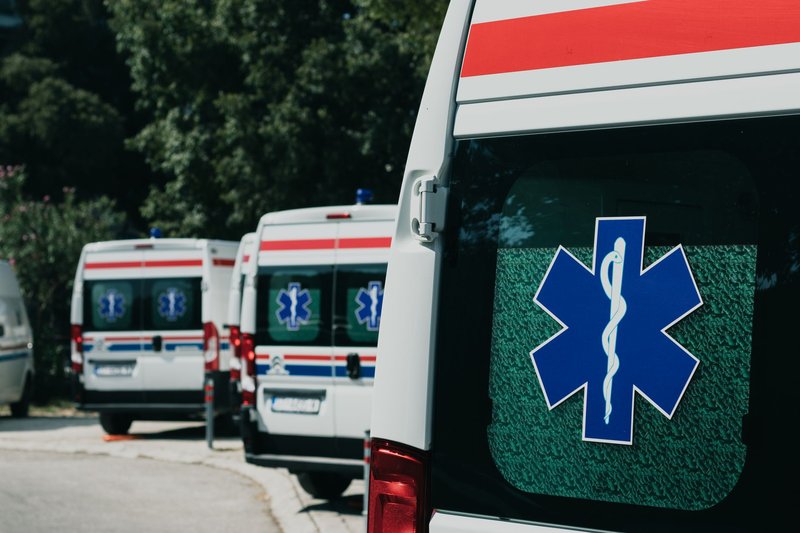
Dial 911 for police, fire, and ambulance anywhere in Panama. Panama also has a dedicated tourist police unit (Policía de Turismo) in the main visitor areas. Ask your hotel for the local contact number on arrival and save it to your phone, since it varies by area. Carry a photocopy or phone photo of your passport’s photo page. The US State Department’s Panama page has current safety guidance and embassy contact information, and other countries’ foreign ministries publish similar pages.
| Spanish | Pronunciation | English |
|---|---|---|
| ¡Ayuda! | ah-YOO-dah | Help! |
| ¡Cuidado! | kwee-DAH-doh | Watch out! |
| Llame a la policía | YAH-meh ah lah poh-lee-SEE-ah | Call the police |
| Necesito una ambulancia | neh-seh-SEE-toh OO-nah am-boo-LAN-see-ah | I need an ambulance |
| Me robaron | meh roh-BAH-ron | I’ve been robbed |
| Me robaron el teléfono | meh roh-BAH-ron el teh-LEH-foh-noh | My phone was stolen |
| Perdí mi pasaporte | per-DEE mee pah-sah-POR-teh | I lost my passport |
| Estoy perdido / perdida | ess-TOY per-DEE-doh / -dah | I’m lost |
| Necesito un intérprete | neh-seh-SEE-toh oon een-TER-preh-teh | I need an interpreter |
| Mi embajada | mee em-bah-HAH-dah | My embassy |
Panamanian Slang and When to Use It
You’ll hear these before you use them. Slang is the one area where sounding local can backfire, because the same word can be friendly from a local and awkward from a tourist who’s been in the country two days.
| Word | Pronunciation | Meaning | Use it? |
|---|---|---|---|
| ¿Qué xopá? | keh sho-PAH | “What’s up?” The x is pronounced “sh.” | Fine in casual settings with people your age. Answer it with “Todo bien.” |
| Chuleta | choo-LEH-tah | Literally “pork chop.” As an exclamation: “damn,” “wow,” “ouch.” | Mild. Safe to say, but skip it around older strangers or in formal settings. |
| Pelao / pelá | peh-LAH-oh / peh-LAH | A young guy / a young woman, roughly “kid” | Understand it. Don’t use it as a greeting with strangers. |
| Plata | PLAH-tah | Money (literally “silver”), widely understood across Latin America | Safe anywhere. “No tengo plata” means “I’m out of cash.” |
| Pinta | PEEN-tah | Look, style, vibe. “Tiene buena pinta” means “that looks good.” | Safe with food, places, outfits. |
| Pana | PAH-nah | Buddy, mate | Only with someone who’s already friendly with you. |
| Juega vivo | WEH-gah BEE-voh | Roughly “play it smart” or “stay sharp,” often a warning | You’ll hear it from locals. A tourist saying it sounds odd. |
The rule: if a local says it to you, smile and answer normally. If you want to try one, chuleta and plata are the lowest-risk. Keep pelao and pana for later in a friendship.
Cheat Sheet: 15 Useful Phrases for Tourists in Panama
Screenshot this or print it. Fifteen lines that cover the bulk of what a short trip throws at you.
| # | Spanish | Pronunciation | English |
|---|---|---|---|
| 1 | Buenas | BWAY-nahs | Hi (greet people before asking anything) |
| 2 | Por favor | por fah-VOR | Please |
| 3 | Gracias | GRAH-see-ahs | Thank you |
| 4 | Con permiso | kon per-MEE-soh | Excuse me (passing by) |
| 5 | No hablo mucho español | noh AH-bloh MOO-choh ess-pahn-YOL | I don’t speak much Spanish |
| 6 | ¿Habla inglés? | AH-blah een-GLESS | Do you speak English? |
| 7 | Más despacio, por favor | mahs dess-PAH-see-oh, por fah-VOR | Slower, please |
| 8 | ¿Cuánto cuesta? | KWAN-toh KWESS-tah | How much is it? |
| 9 | ¿Cuánto me cobra a…? | KWAN-toh meh KOH-brah ah | How much to (a place)? Ask before getting in a taxi. |
| 10 | Pare aquí, por favor | PAH-reh ah-KEE | Stop here, please |
| 11 | ¿Dónde está…? | DON-deh ess-TAH | Where is…? |
| 12 | La cuenta, por favor | lah KWEN-tah, por fah-VOR | The check, please |
| 13 | ¿Aceptan tarjeta? | ah-SEP-tan tar-HEH-tah | Do you take cards? |
| 14 | Necesito un médico | neh-seh-SEE-toh oon MEH-dee-koh | I need a doctor |
| 15 | ¡Ayuda! / Llame a la policía | ah-YOO-dah / YAH-meh ah lah poh-lee-SEE-ah | Help! / Call the police (dial 911) |
Spanish in Panama rewards effort more than accuracy. Greet first, ask second, say gracias at the end, and the rest of this list becomes a back-up.