Panama sits at the crossroads of the Americas, where oceanic trade routes and long-standing indigenous communities have created a rich mosaic of cultures. From coastal port towns to interior rainforests, the country’s history of migration, commerce and native resilience shapes daily life and local traditions.
There are 22 Panama Ethnic Groups, ranging from Afro-Antillean (Caribbean descendants) to Wounaan. The list shows each group’s Population (approx),Primary locations,Main languages — details you’ll find below.
Where are Panama’s largest ethnic communities mainly located?
Most large communities cluster around Panama City and Colón on the Pacific and Caribbean coasts, while several indigenous groups live in autonomous regions like Guna Yala, Ngäbe-Buglé and Darién; Afro-Antillean populations are often found in coastal towns and historical port areas.
How reliable are the population and language details in the list?
The figures are approximate and based on recent surveys and ethnographic sources; they give a useful overview but can vary by census method and local reporting, so treat numbers as estimates while relying on locations and languages as broadly accurate.
Panama Ethnic Groups
| Name | Population (approx) | Primary locations | Main languages |
|---|---|---|---|
| Mestizo | 2,795,000 (65%) | Nationwide; urban centers (Panama City, Colón), Chiriquí, Herrera | Spanish |
| Indigenous (aggregate) | 529,000 (12.3%) | Comarcas and rural provinces (Ngäbe-Buglé, Guna Yala, Darién, Bocas del Toro) | Indigenous languages, Spanish |
| Ngäbe-Buglé | 250,000 (5.8%) | Ngäbe-Buglé comarca, Bocas del Toro, Veraguas, Chiriquí | Ngäbere, Buglere, Spanish |
| Guna (Kuna) | 75,000 (1.7%) | Guna Yala (San Blas), parts of Darién, Colón | Guna (Kuna), Spanish |
| Emberá | 50,000 (1.2%) | Darién, Emberá-Wounaan comarca, Pacific foothills | Emberá languages, Spanish |
| Wounaan | 5,000 (0.12%) | Darién, Emberá-Wounaan comarca, Darién rivers | Wounaan language, Spanish |
| Naso (Teribe) | 3,500 (0.08%) | Bocas del Toro province, Naso Tjër Di comarca | Teribe (Naso), Spanish |
| Bribri | 2,500 (0.06%) | Bocas del Toro, border areas with Costa Rica | Bribri, Spanish |
| Bokota (Bogotá) | 1,800 (0.04%) | Bocas del Toro, Ngäbe-Buglé border areas | Bokota language, Spanish |
| Afro-Panamanian (Colonial descendants) | 200,000 (4.7%) | Urban Panama City, Darién, Colón, rural Pacific coast | Spanish, Afro-Panamanian Creole influences |
| Afro-Antillean (Caribbean descendants) | 195,600 (4.5%) | Colón, Bocas del Toro, Panama City, Caribbean coast | English-based Creoles, Spanish |
| White / European descent | 288,100 (6.7%) | Panama City, Colón, highland provinces (Chiriquí) | Spanish, European languages |
| Chinese Panamanian | 150,000 (3.5%) | Panama City, Colón, Chiriquí, Darién | Spanish, Mandarin, Cantonese |
| Lebanese / Arab Panamanian | 60,000 (1.4%) | Panama City, Colón, business districts | Spanish, Arabic (heritage) |
| Indian / South Asian Panamanian | 30,000 (0.7%) | Panama City, Colón, business neighborhoods | Spanish, English, South Asian languages |
| Korean Panamanian | 5,000 (0.12%) | Panama City, industrial and commercial zones | Korean, Spanish |
| Japanese Panamanian | 3,000 (0.07%) | Panama City, agricultural areas (historic) | Japanese, Spanish |
| Jewish Panamanian | 10,000 (0.23%) | Panama City, Colón | Spanish, Hebrew (heritage) |
| Garifuna | 8,000 (0.19%) | Bocas del Toro, Caribbean coast | Garifuna, Spanish, English |
| Criollo (Rural coastal whites/mixed) | 20,000 (0.47%) | Pacific coastal provinces, rural islands | Spanish |
| Other Asian (Filipino, Southeast Asian) | 12,000 (0.28%) | Panama City, Canal/port areas | Spanish, English, Filipino languages |
| Other European (German, Italian, British descendants) | 25,000 (0.58%) | Panama City, highlands, Colón | Spanish, European languages |
Images and Descriptions
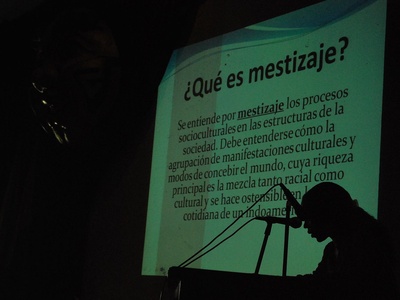
Mestizo
Mestizos are people of mixed Indigenous and European ancestry, forming Panama’s largest group. Predominantly Spanish-speaking, they shape national culture, urban life, and politics while blending Indigenous, African and European customs into everyday Panamanian identity.
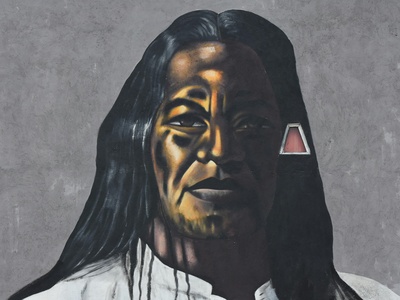
Indigenous (aggregate)
Collective term for Panama’s recognized native peoples. Indigenous communities have autonomous comarcas, distinct languages and customs, active land rights movements, and important cultural influence on dress, craft, and regional governance.

Ngäbe-Buglé
The Ngäbe-Buglé are Panama’s largest indigenous group, known for strong comarca governance, vibrant traditional dress, agriculture-based economy, and cultural festivals. They maintain Indigenous languages alongside Spanish and face socio-economic challenges in rural regions.
Guna (Kuna)
The Guna live mainly along the Caribbean coast in the Guna Yala comarca. Famous for molas (textile art) and matriarchal elements, they have strong political autonomy, a maritime culture, and bilingual Guna–Spanish communities.
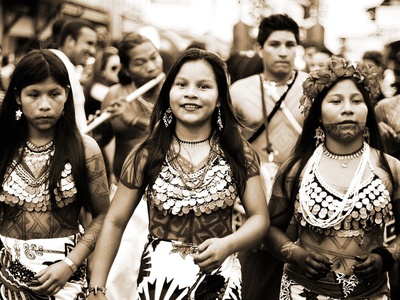
Emberá
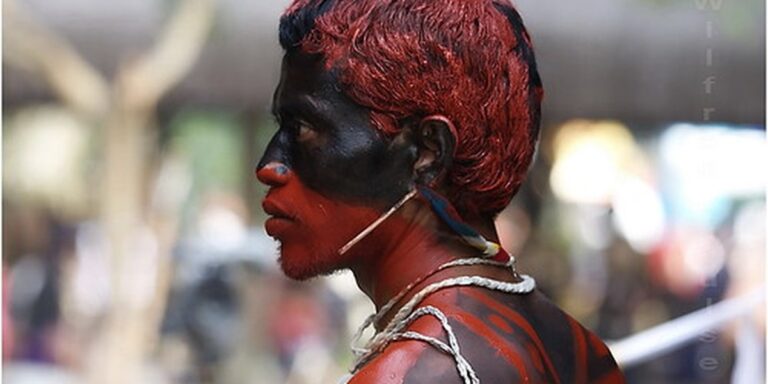
Emberá people are riverine forest communities noted for body painting, traditional music, and basketry. Many live in Darién and comarcas, preserving ancestral fishing and horticulture practices while increasingly engaging with regional markets and tourism.
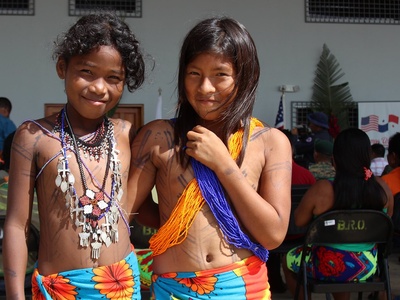
Wounaan
Wounaan are a small indigenous group closely linked to the Emberá, recognized for exquisite wood carving and basketry. They live along Darién waterways, sustaining riverine traditions and local artisanal economies.
Naso (Teribe)
The Naso are a culturally distinct group in northwest Panama, recently recognized with communal land rights. They speak Teribe, practice riverine agriculture, and maintain hereditary leadership and unique cultural ceremonies tied to the Teribe River.
Bribri
Bribri communities are concentrated in Bocas del Toro and nearby border zones. They retain distinct language and customary law, practice subsistence agriculture, and maintain cultural links across the Costa Rican–Panamanian frontier.
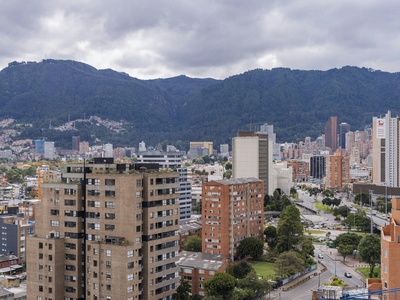
Bokota (Bogotá)
The Bokota are a small indigenous people historically in Bocas del Toro and nearby regions. They preserve traditional lifeways, artisanal crafts, and local languages while confronting pressures from development and migration.
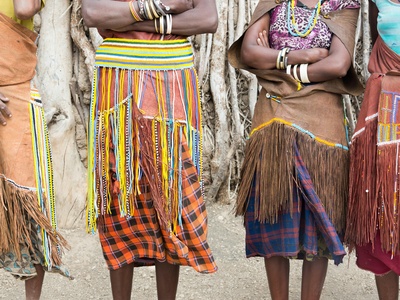
Afro-Panamanian (Colonial descendants)
Afro-Panamanians with colonial-era roots descend from enslaved Africans and early Afro-Latin communities. They have deep historical ties to the isthmus, contributing to music, religion, cuisine, and national identity while living across urban and rural zones.
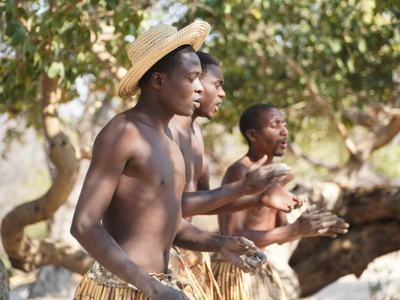
Afro-Antillean (Caribbean descendants)
Afro-Antilleans descend from 19th–20th century Caribbean labor migrants who built railways and worked on the Canal. They often speak English Creole, preserve distinct Afro-Caribbean culture, and influence music, cuisine, and bilingual communities.
White / European descent
Panamanians of European descent—primarily Spanish, but including Italian, German and other ancestries—are concentrated in cities and highland agricultural zones. They often speak Spanish and retain European-influenced cultural and economic roles.
Chinese Panamanian
Chinese Panamanians are a well-established community dating to 19th-century migration, active in commerce and urban life. They speak Spanish and Chinese languages, run businesses, and blend Chinese cultural traditions with Panamanian society.
Lebanese / Arab Panamanian
Lebanese and other Arab-origin Panamanians form a distinct mercantile community with long roots in commerce and civic life. They largely speak Spanish today while preserving family ties, cuisine, and some Arabic cultural traditions.

Indian / South Asian Panamanian
South Asian communities (Indian, Pakistani, Bangladeshi) are small but visible in commerce and professional sectors. Many are long-term residents contributing to trade, restaurants, and multicultural urban life.
Korean Panamanian
Korean Panamanians are a small business-oriented community concentrated in urban areas. They operate shops, restaurants and import businesses, maintain cultural associations, and often balance Korean language use with Spanish integration.
Japanese Panamanian
Japan-origin Panamanians are a modest community with historical ties to agriculture and urban commerce. They preserve cultural events and organizations while largely integrating into Spanish-speaking Panamanian society.
Jewish Panamanian
The Jewish community in Panama is small but historically significant, active in business, law and finance. They maintain synagogues, schools and cultural institutions, contributing to Panama’s multicultural urban fabric.
Garifuna
Garifuna are Afro-indigenous Caribbean people present in Bocas del Toro and along the Atlantic coast. Known for distinct language, music (punta), and ritual life, they maintain communal villages and cultural festivals tied to ancestral heritage.
Criollo (Rural coastal whites/mixed)
Criollos in Panama often describe long-established coastal families of mixed Spanish and Afro-Indigenous background. They uphold distinct coastal traditions, fishing-based livelihoods, and regional cultural practices separate from urban populations.
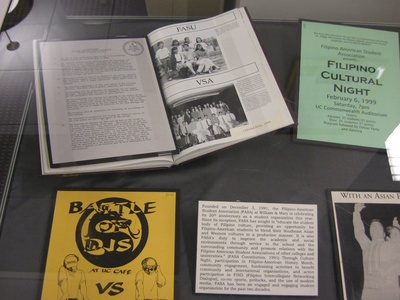
Other Asian (Filipino, Southeast Asian)
Smaller Asian-origin communities—including Filipinos and Southeast Asians—work in maritime, service, and professional sectors. Many are long-term residents with active cultural associations and bilingualism in Spanish or English.
Other European (German, Italian, British descendants)
Descendants of varied European migrants form distinct minority communities involved in agriculture, commerce and expatriate networks. They maintain heritage languages and cultural clubs while largely Spanish-speaking and integrated.